




Central Asia | India | Pench National Park
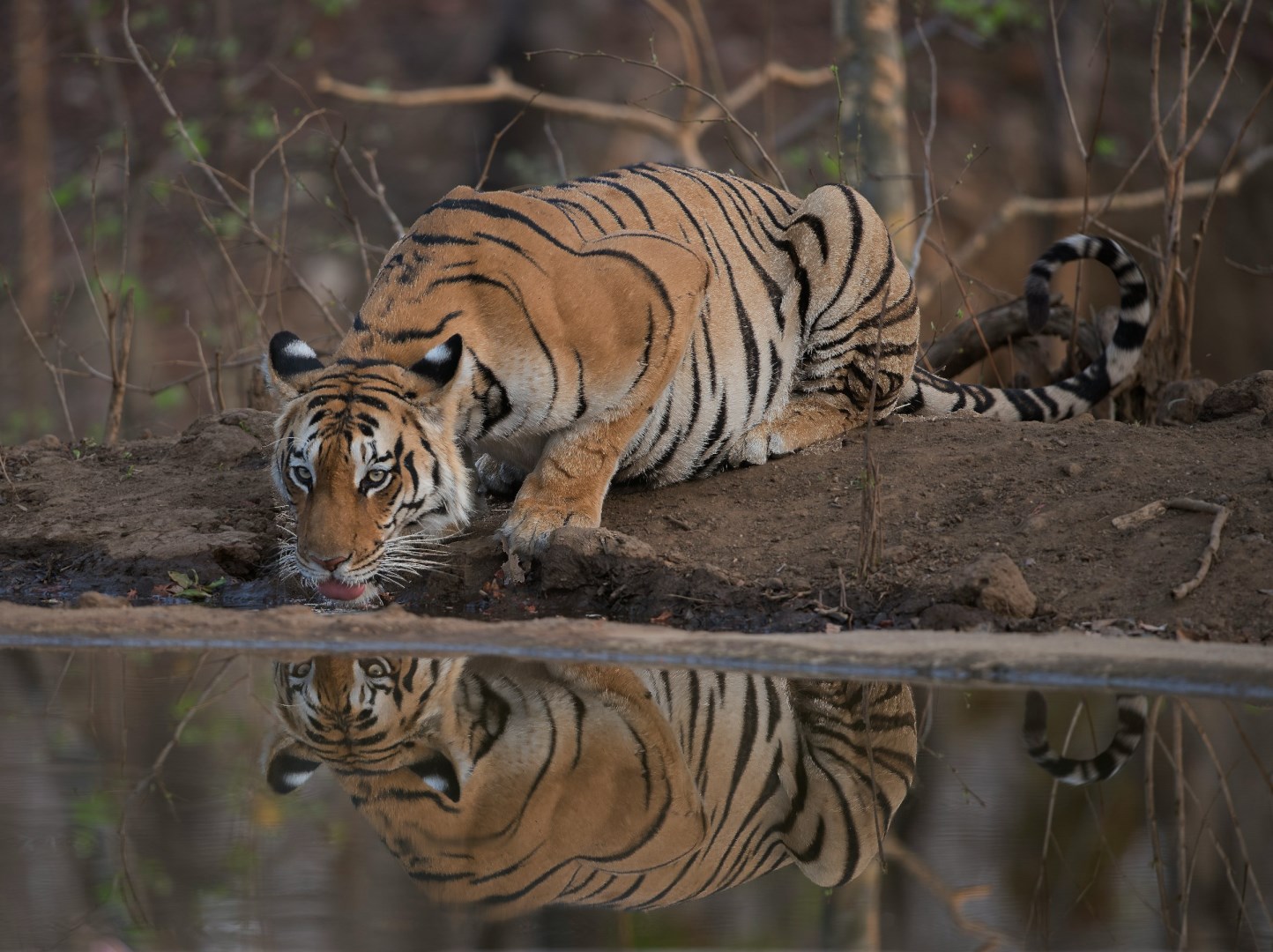

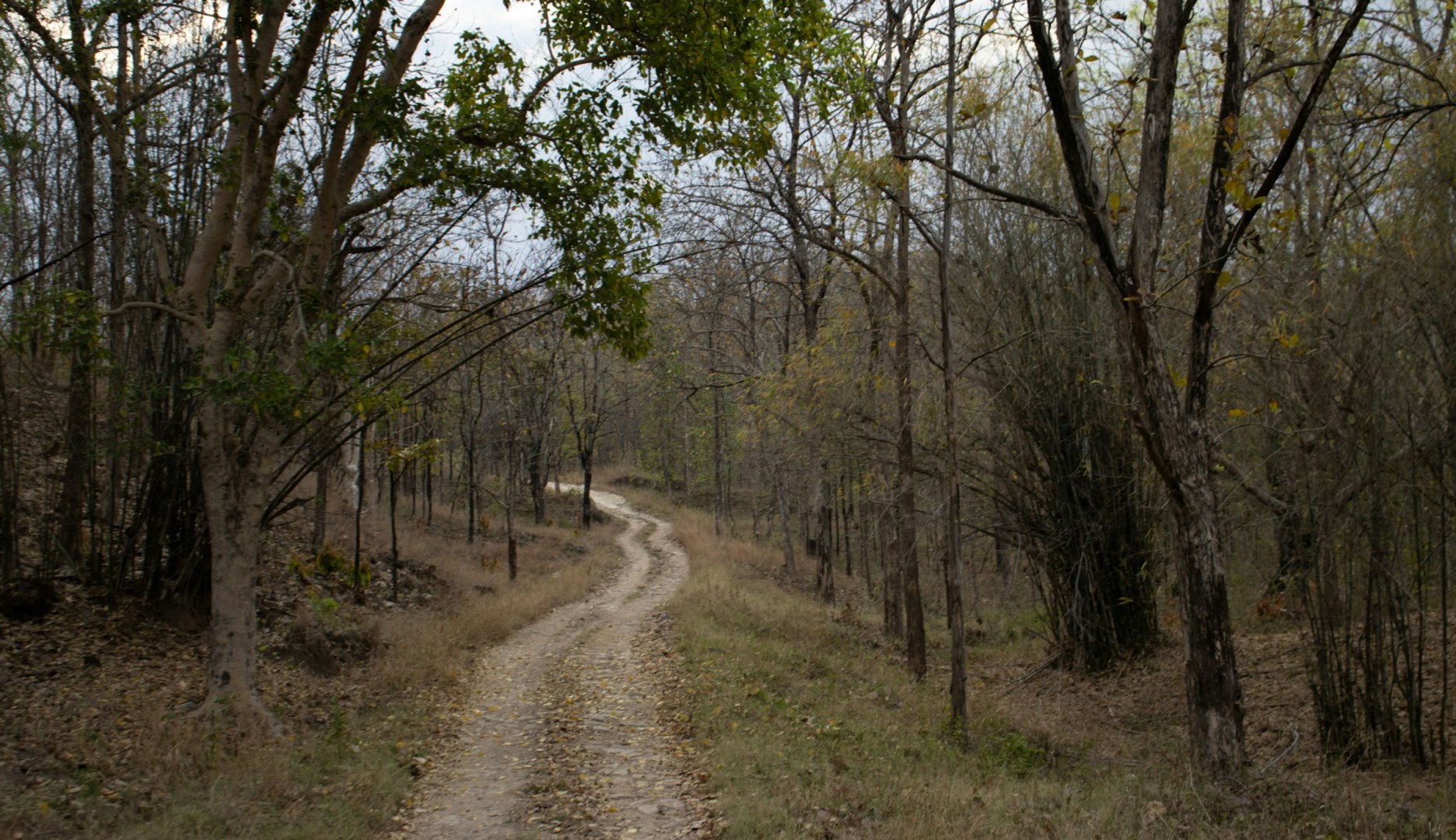

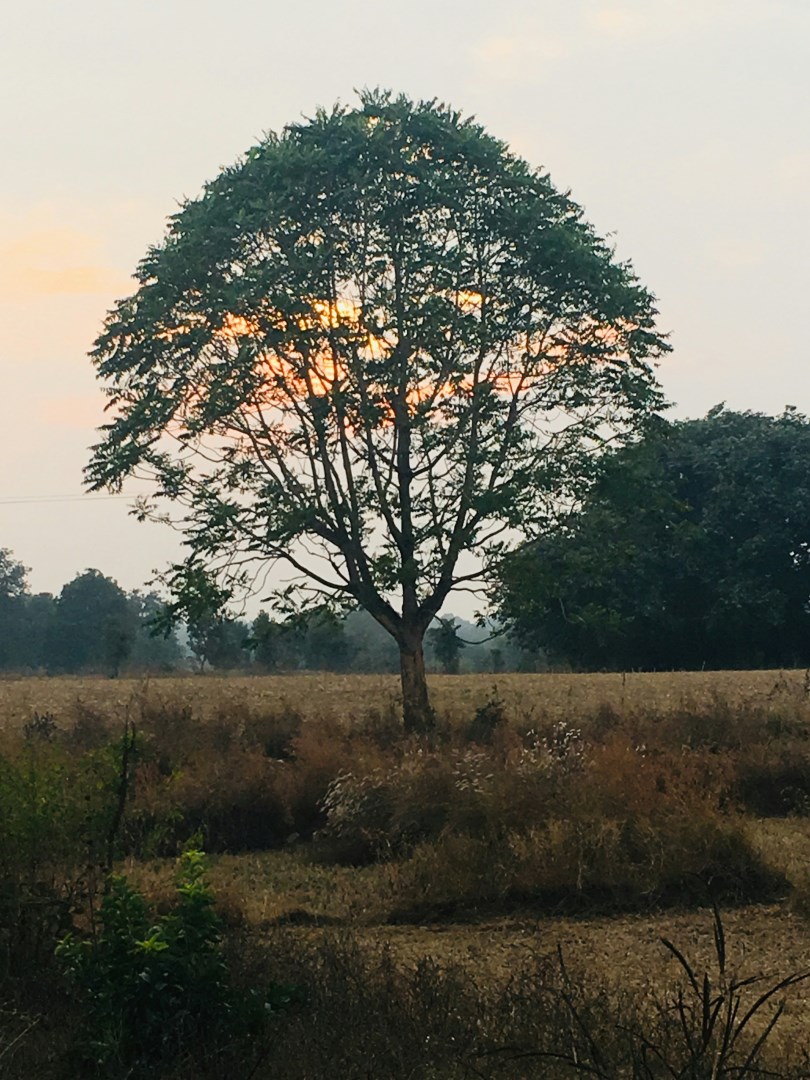
Pench National Park lies in the southern part of Madhya Pradesh, across Seoni and Chhindwara districts, with the reserve extending toward Maharashtra. The Pench River runs through the landscape and gives the park its name. Its forests include teak, salai, mahua, bamboo, and mixed dry deciduous vegetation, interspersed with open grasslands and streams. The park is especially known for Bengal tigers, but it also supports leopards, Indian wild dogs, gaur, sambar, chital, nilgai, sloth bears, and many bird species. The combination of forest, river, and open meadows defines its Central Indian setting.
Pench has a strong connection with the literary world because the forests and surrounding Seoni region are recognized as an important source of inspiration for Rudyard Kipling’s The Jungle Book. The landscape described through characters such as Mowgli, Bagheera, and Sher Khan draws on the forests, rivers, hills, and wildlife of Central India. Beyond this literary association, the reserve has an important conservation role as part of India’s tiger landscape. Villages around Pench also remain closely connected with agriculture, forest resources, local crafts, and community-based tourism initiatives.
Wildlife safaris provide the main way to explore Pench, with designated tourism zones including Turia, Karmajhiri, and Jamtara on the Madhya Pradesh side. The Pench River and its associated water bodies attract animals and birds, particularly where forest gives way to open ground. Visitors may see herds of chital and sambar, gaur moving through woodland, or wild dogs hunting in groups. The reserve also supports a substantial variety of birds, including resident and migratory species. Forest tracks, grasslands, and river corridors create changing views throughout a safari without requiring the landscape to be densely wooded.
Food around Pench reflects the wider cuisine of Madhya Pradesh, with local meals commonly featuring wheat, lentils, seasonal vegetables, and millet-based preparations. Rural communities near the reserve also maintain traditional uses of mahua and other forest plants, although wildlife protection regulations govern the collection of forest resources within protected areas. A distinctive aspect of Pench is its cross-border ecological setting: the protected landscape continues into Maharashtra, forming part of a larger forest corridor rather than an isolated park. This wider connection is important for wildlife movement and strengthens Pench’s role within the Central Indian tiger landscape.
