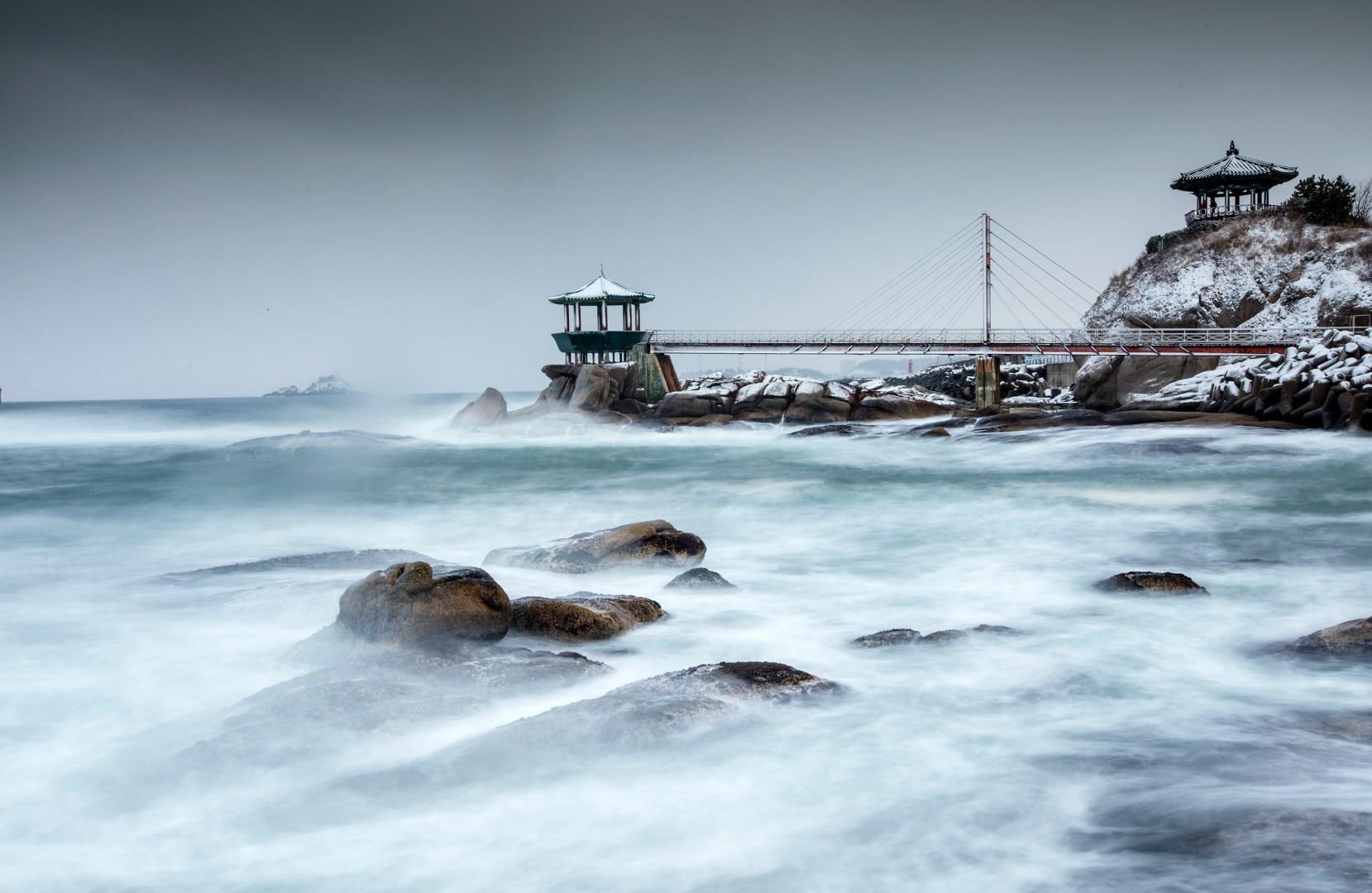
Phuket, Thailand’s largest island, has long served as a cultural and trade crossroads in the Andaman Sea. Centuries ago, it was a stopover for merchants trading tin, spices, and textiles, with influences from Chinese, Portuguese, Indian, and Malay travelers still reflected in the island’s architecture and cuisine. Inland, the Khao Phra Thaeo Wildlife Sanctuary protects rainforest habitat home to gibbons, civets, and exotic birds.
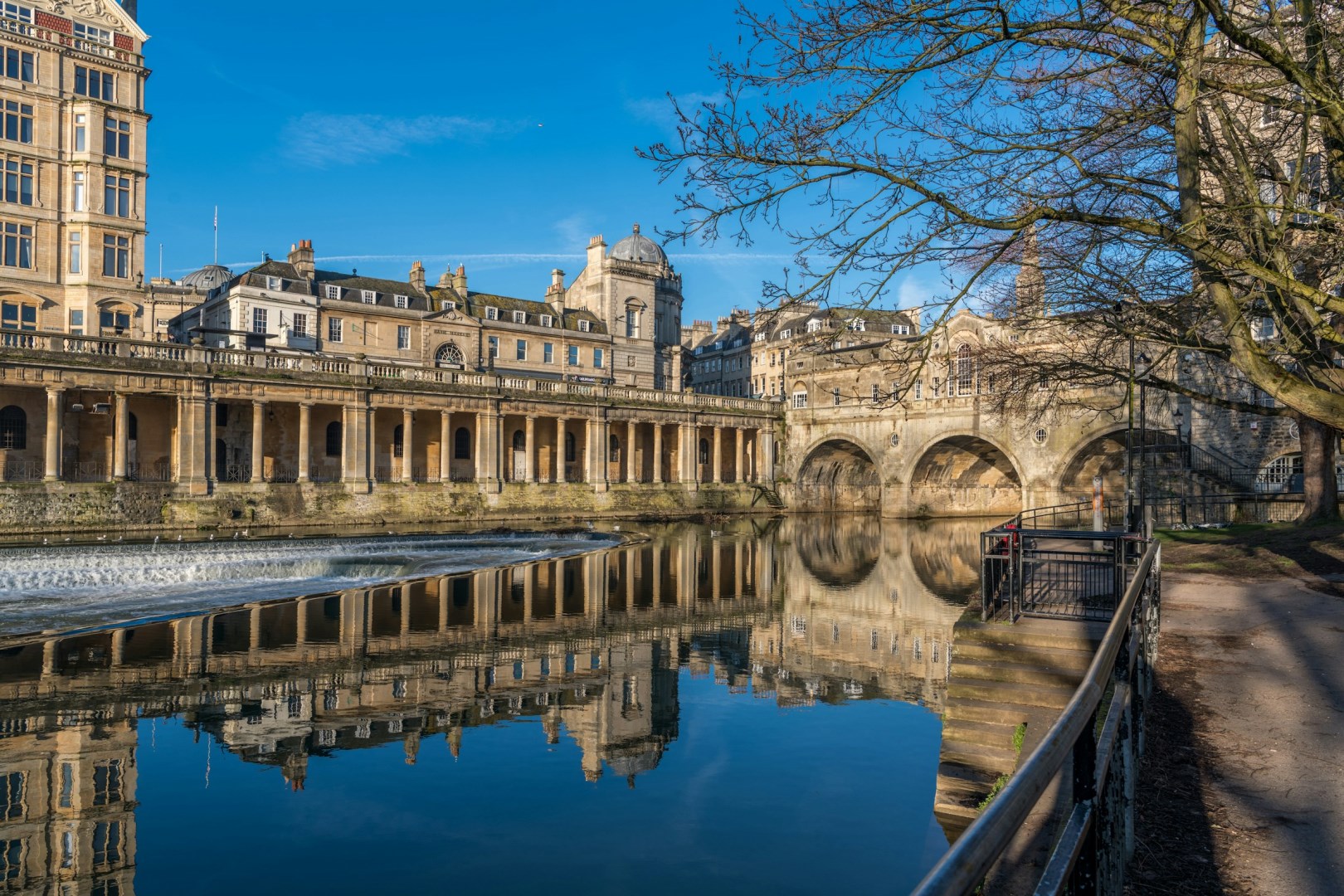
Bath is a city full of history and culture. Romans trekked many miles to bathe in the hot, soothing mineral waters of the Roman Bath. Majestic art collections were contributed to Bath from many different civilizations. The fan-vaulting at Bath Abbey has 614 memorial tablets that creates an extensive mural cenotaph to the people that contributed to the grandeur of Bath.
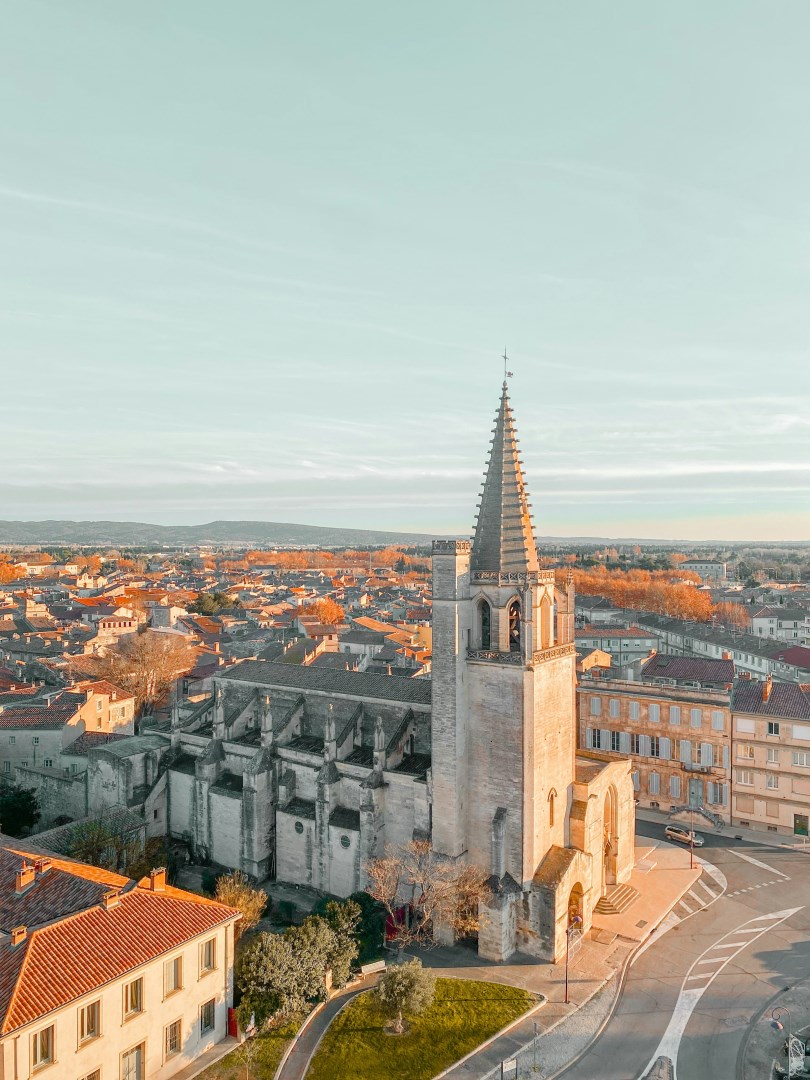
Tarascon, on the east bank of the Rhone River, is best known for its medieval appearance and historical edifices. Collegiate Sainte-Marthe (St Martha's Collegiate Church) was built in the 12th century in honor of the city's patron saint, St. Martha. Nearby, the castle of King René stands right on the banks of the Rhône.
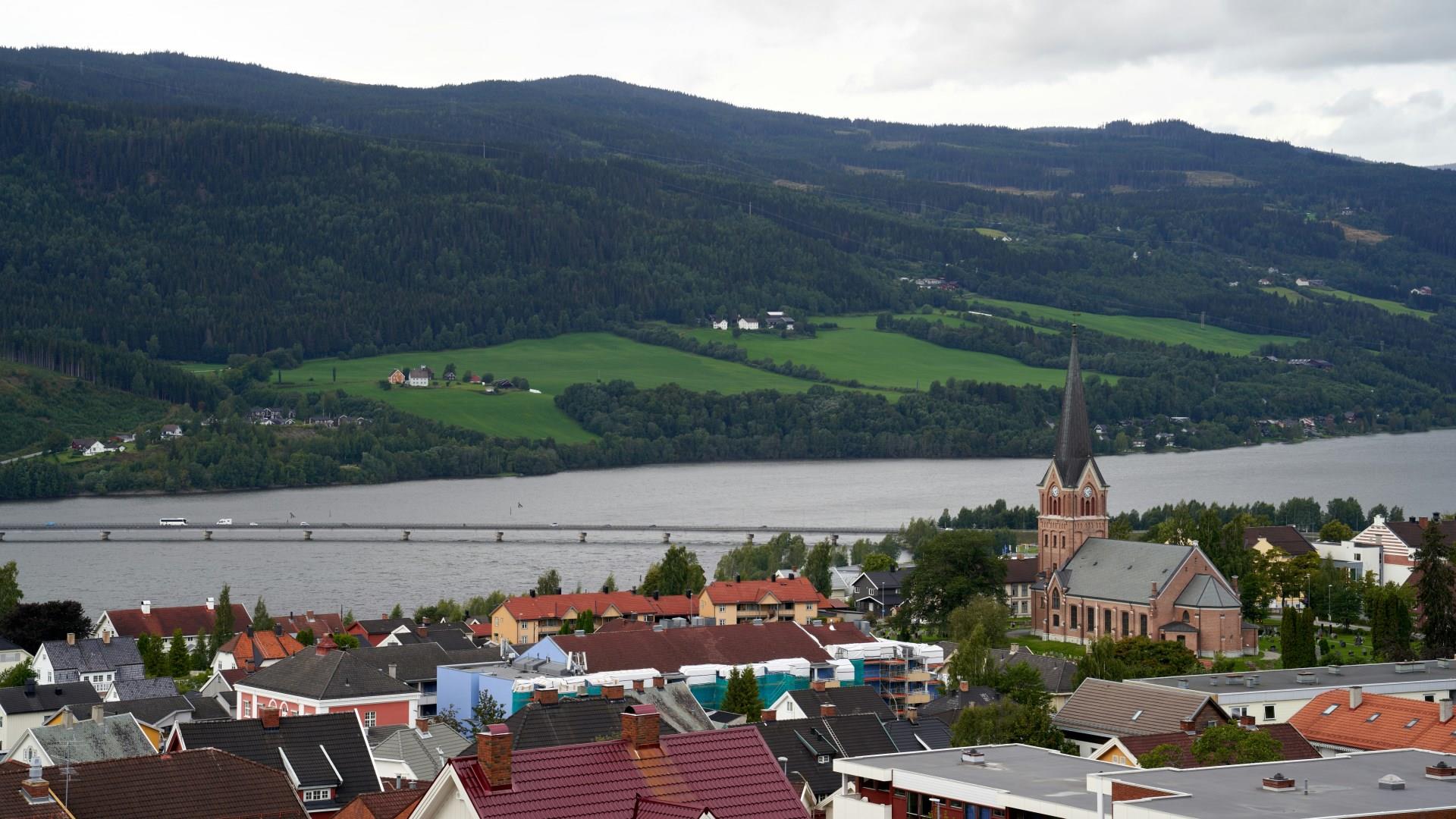
Lillehammer, nestled along the northern shores of Norway’s Lake Mjøsa and framed by pine-covered hills, is a town that blends natural beauty with cultural richness. Famous for hosting the 1994 Winter Olympics, Lillehammer has leveraged its global spotlight to cultivate attractions that celebrate both its sporting legacy and artistic heritage.
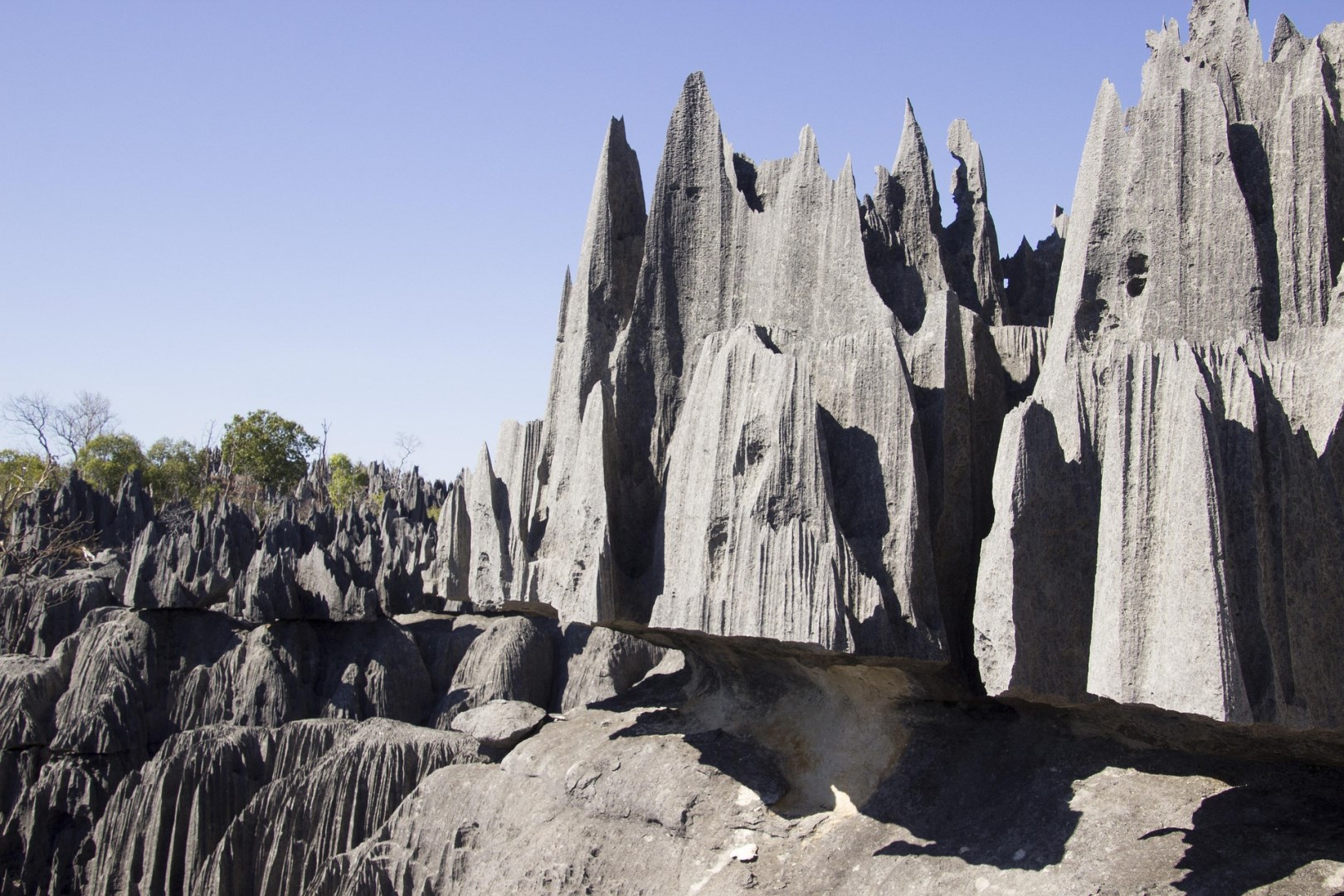
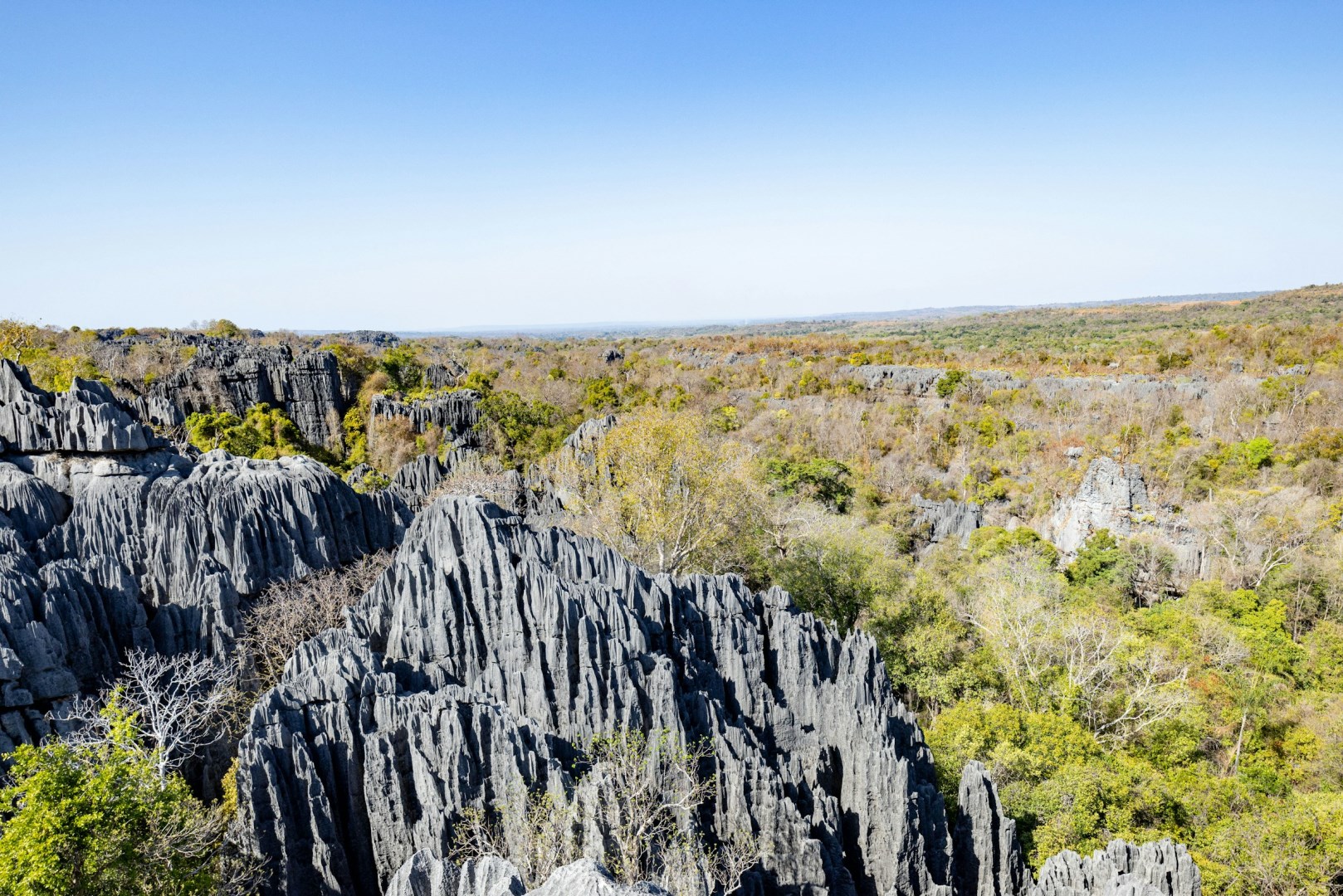
One visit to Tsingy de Bemaraha National Park in Madagascar and you may find yourself feeling like you have stepped onto another planet. The mineral forest was formed nearly 200 million years ago and has become a popular destination for adventurous hikers from around the world. The hanging bridge, while not for the faint of heart, is one of the most photographed spots within the park.