
Central America | Panama | Kuna Yala
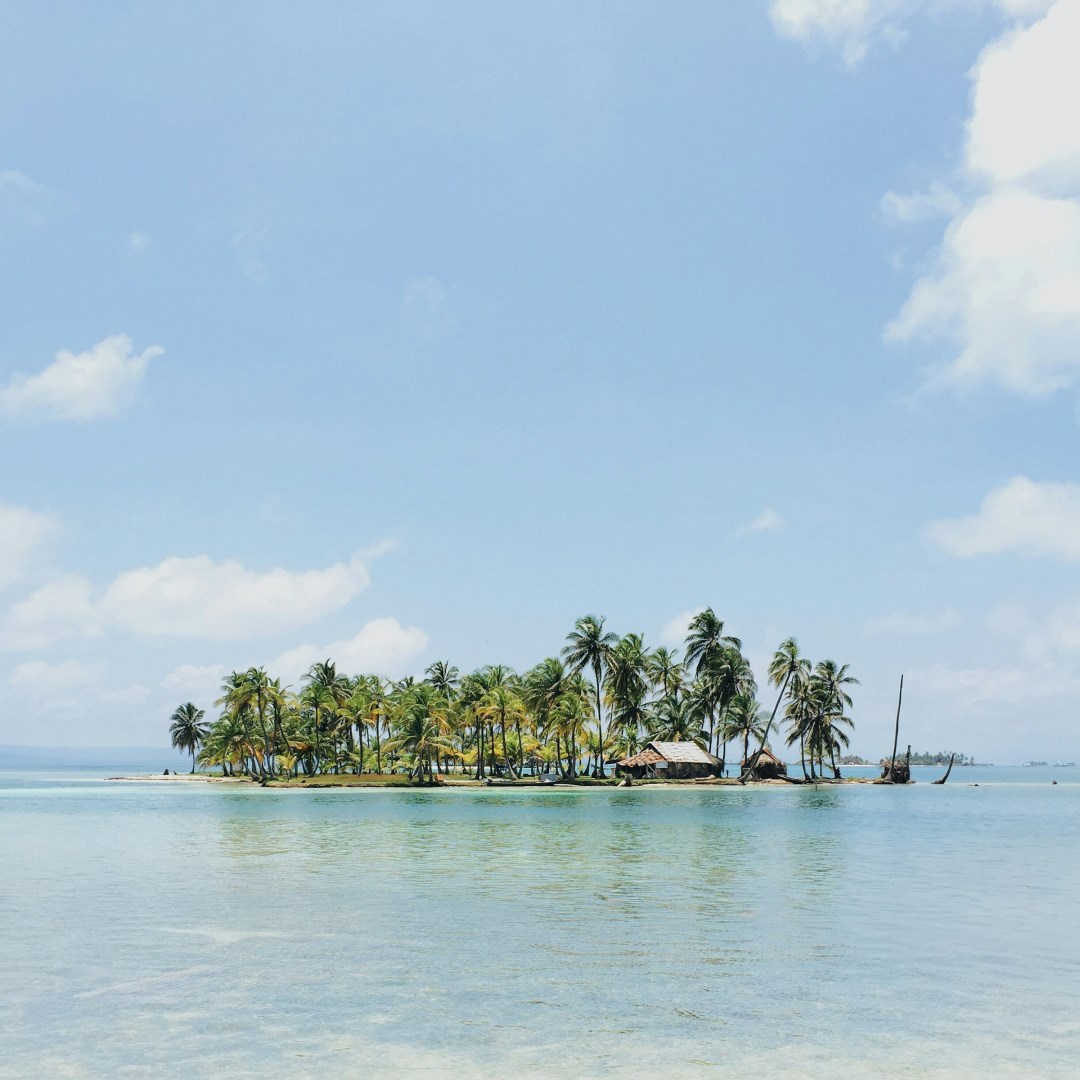
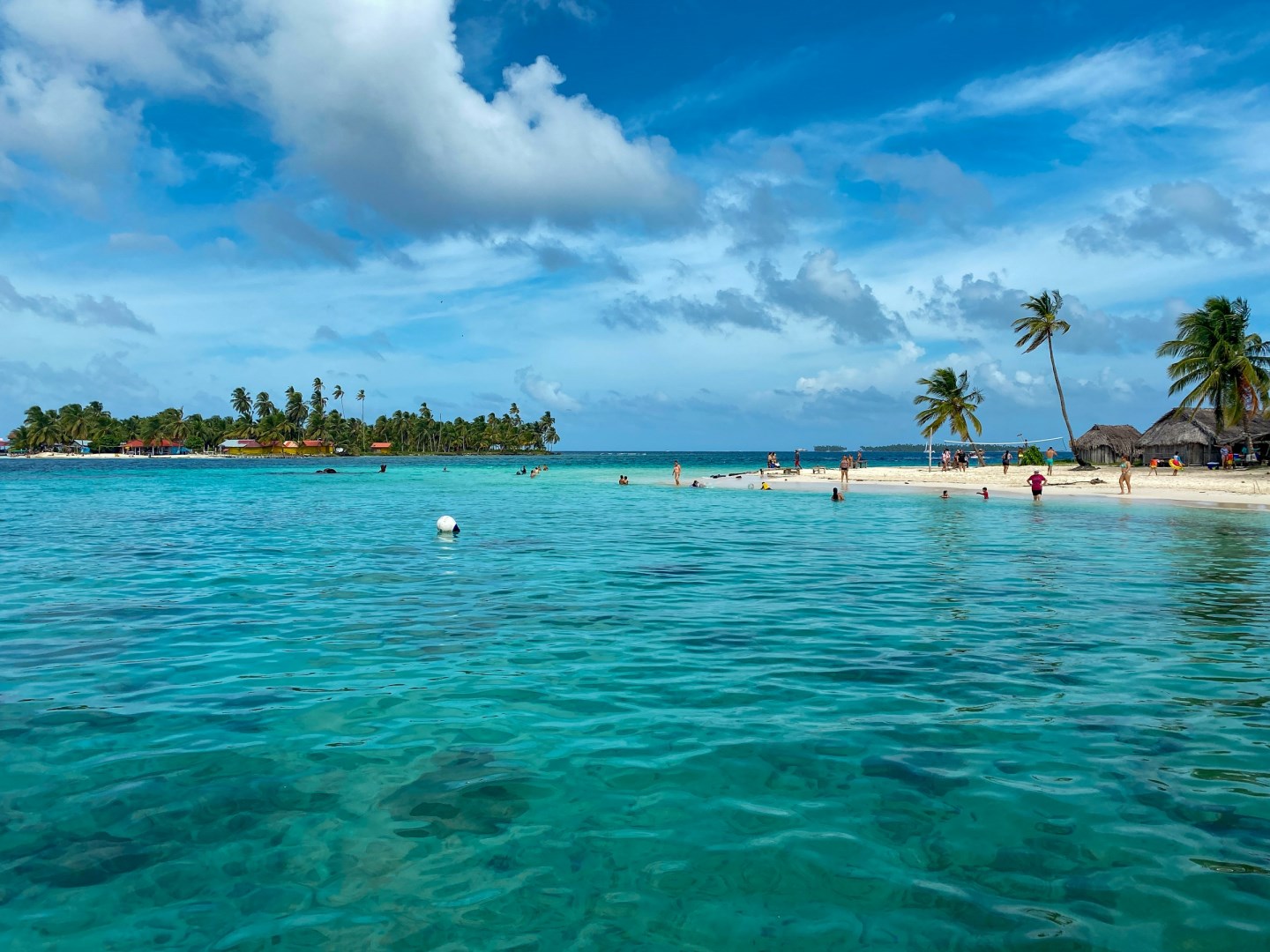
Kuna Yala, officially known as Guna Yala, is an Indigenous comarca along Panama's Caribbean coast, extending from the province of Colón toward the border with Colombia. Its best-known feature is the Guna Yala archipelago, made up of hundreds of small islands and islets surrounded by coral reefs and clear Caribbean waters. Many islands are low and covered with coconut palms, while others are uninhabited. The territory is governed through Guna institutions and has a distinct relationship with the sea, coastal resources, and island communities. Tourism is concentrated in selected areas and is largely based on small-scale, community-connected accommodations.
Guna culture is central to life throughout the comarca, where Indigenous traditions remain closely connected to language, clothing, community organization, and knowledge of the surrounding environment. One of the most recognizable cultural expressions is the mola, a hand-sewn textile made from multiple layers of fabric using reverse appliqué. Guna women traditionally wear molas as part of their clothing, and the designs can represent animals, natural elements, geometric forms, and aspects of everyday life. Traditional ceremonies, music, dance, fishing practices, and community gatherings also contribute to the cultural identity of the islands and mainland settlements.
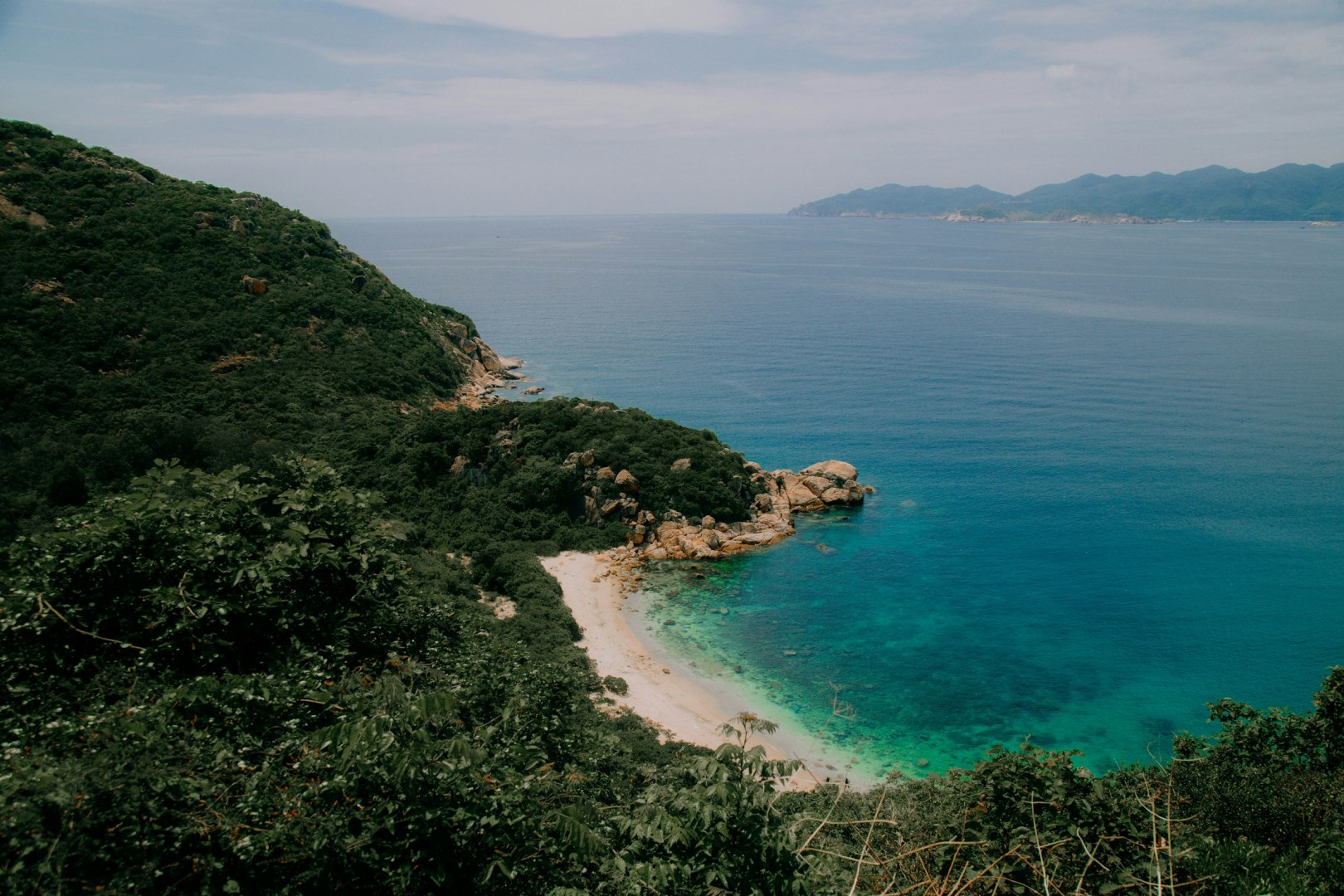
The Caribbean environment provides the main natural attractions of Guna Yala. Small islands are surrounded by coral reefs, shallow lagoons, sandy beaches, and seagrass areas where visitors can swim and snorkel. The Dutch Cays, near the western part of the archipelago, are among the better-known island groups for boat excursions and marine activities. Cayuco and sailboat trips connect many communities and islands, providing a practical way to experience the coastal landscape. Beyond the islands, the mainland territory contains tropical forests, rivers, and mountainous terrain that form part of the wider Darién-Caribbean ecological region.
Food in Guna Yala reflects the area's close connection with the Caribbean Sea and surrounding forests. Fish, lobster, crab, coconut, plantains, and other locally available ingredients are important in traditional cooking, while fresh seafood is commonly served in island communities. Coconut is particularly significant, appearing in both savory dishes and drinks. Fishing remains an important livelihood, and traditional boats known as cayucos are still used in coastal waters. The combination of Indigenous autonomy, hand-made molas, hundreds of small Caribbean islands, coral reefs, and traditional maritime practices makes Guna Yala a distinctive cultural and environmental region of Panama.
Other Popular Destinations in Panama