



Central Asia | Sri Lanka | Pinnawala Elephant Orphanage
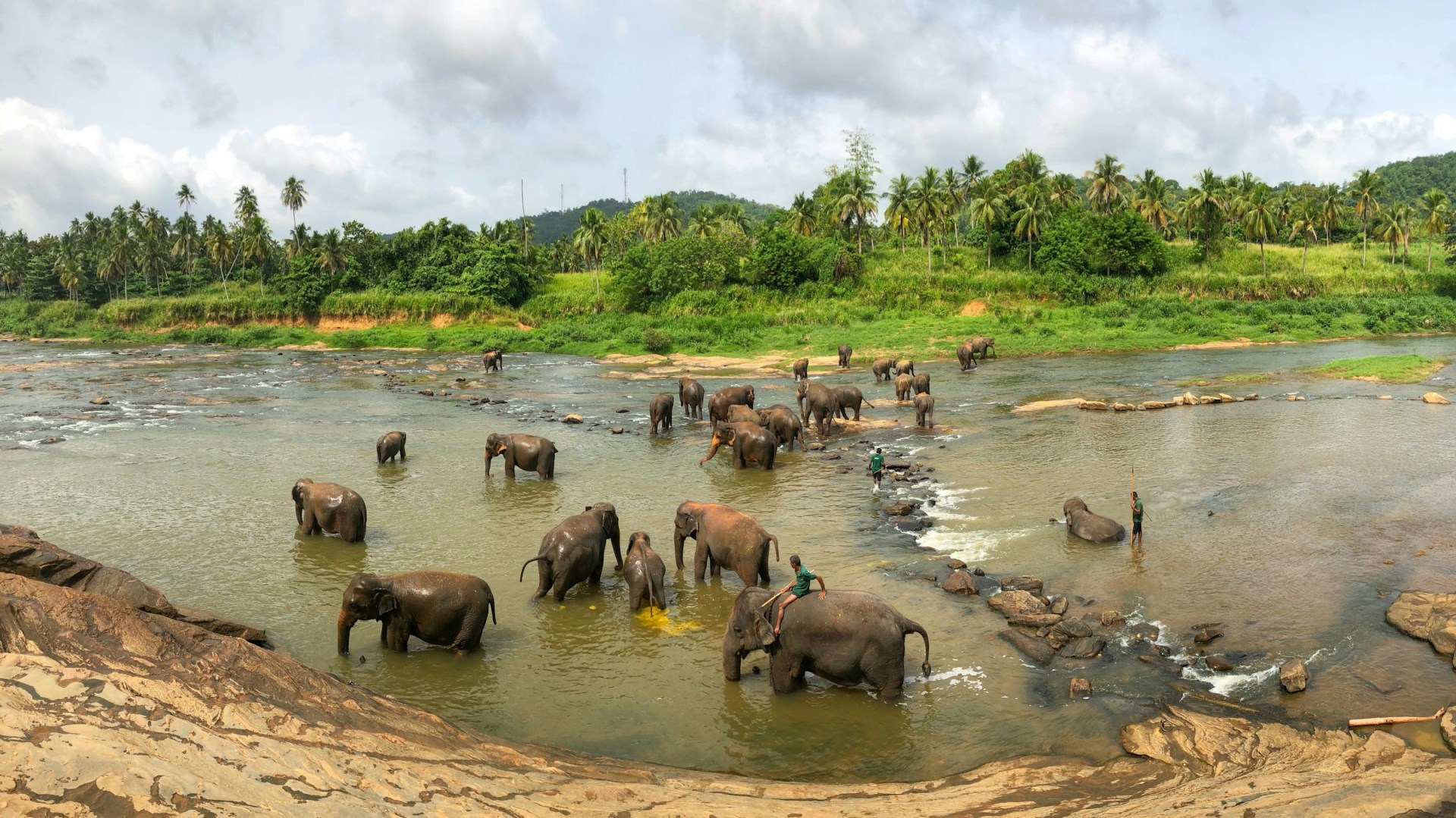
Pinnawala Elephant Orphanage is a well-known elephant care facility in Pinnawala village, in Sri Lanka’s Sabaragamuwa Province, about 13 kilometers northeast of Kegalle. Set on a large property beside the Maha Oya River, the facility provides care for Asian elephants and has become one of the country’s most recognized wildlife attractions. Its setting combines open grounds, coconut trees, and riverbanks where elephants can be observed during parts of their daily routine. The facility is managed by Sri Lanka’s Department of National Zoological Gardens, which also oversees other zoological institutions in the country.
Pinnawala was established to provide care and protection for orphaned elephants found in Sri Lanka’s forests. Today, its work includes animal welfare, breeding, veterinary care, education, and public awareness. Visitors can observe elephants being fed and cared for, while the facility’s medical services support the health of the herd. The relationship between elephants and their handlers, known locally as mahouts, is an important part of the facility’s daily operations. Pinnawala also offers an opportunity to learn about the challenges involved in caring for elephants that cannot return to life in the wild.
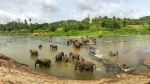
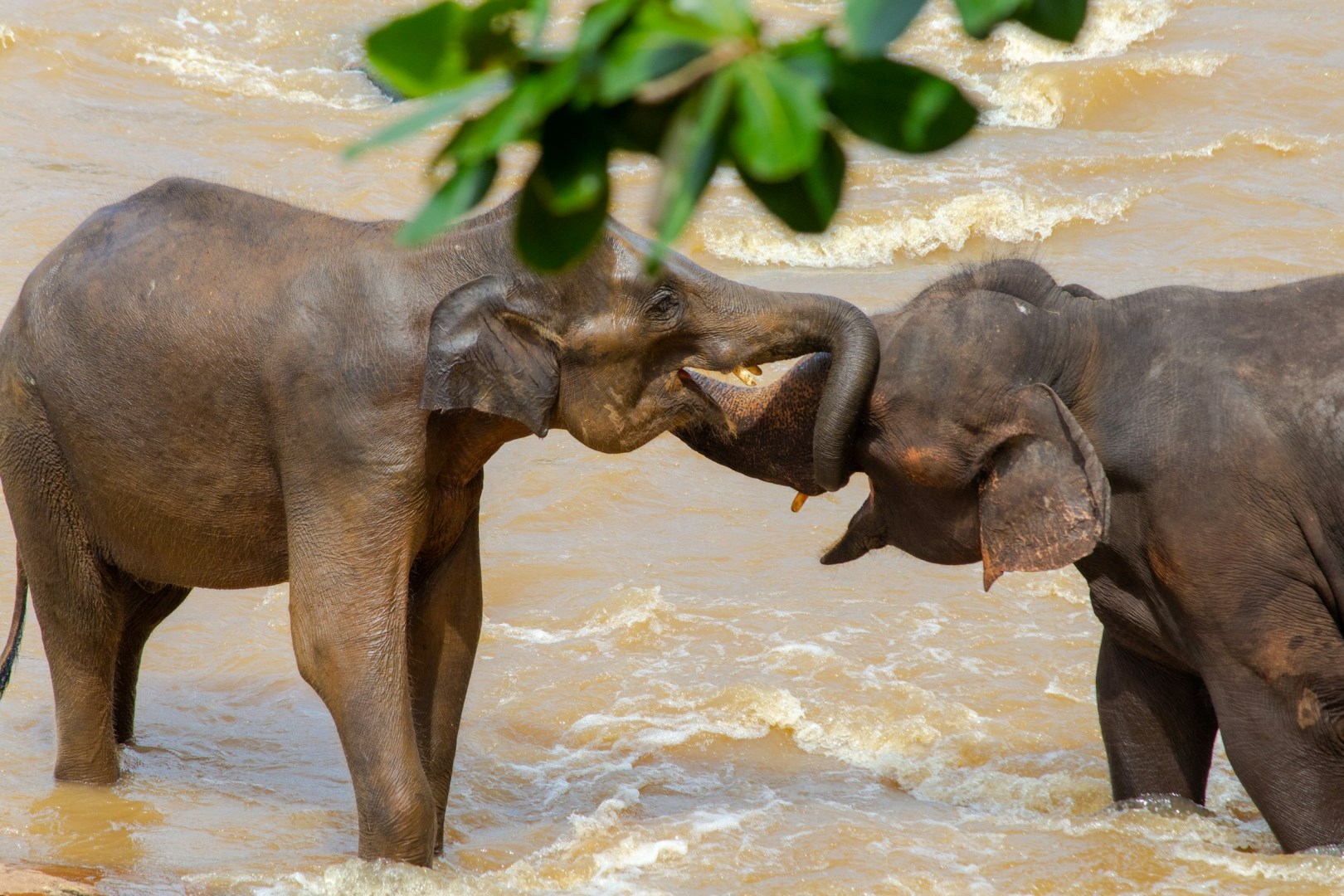
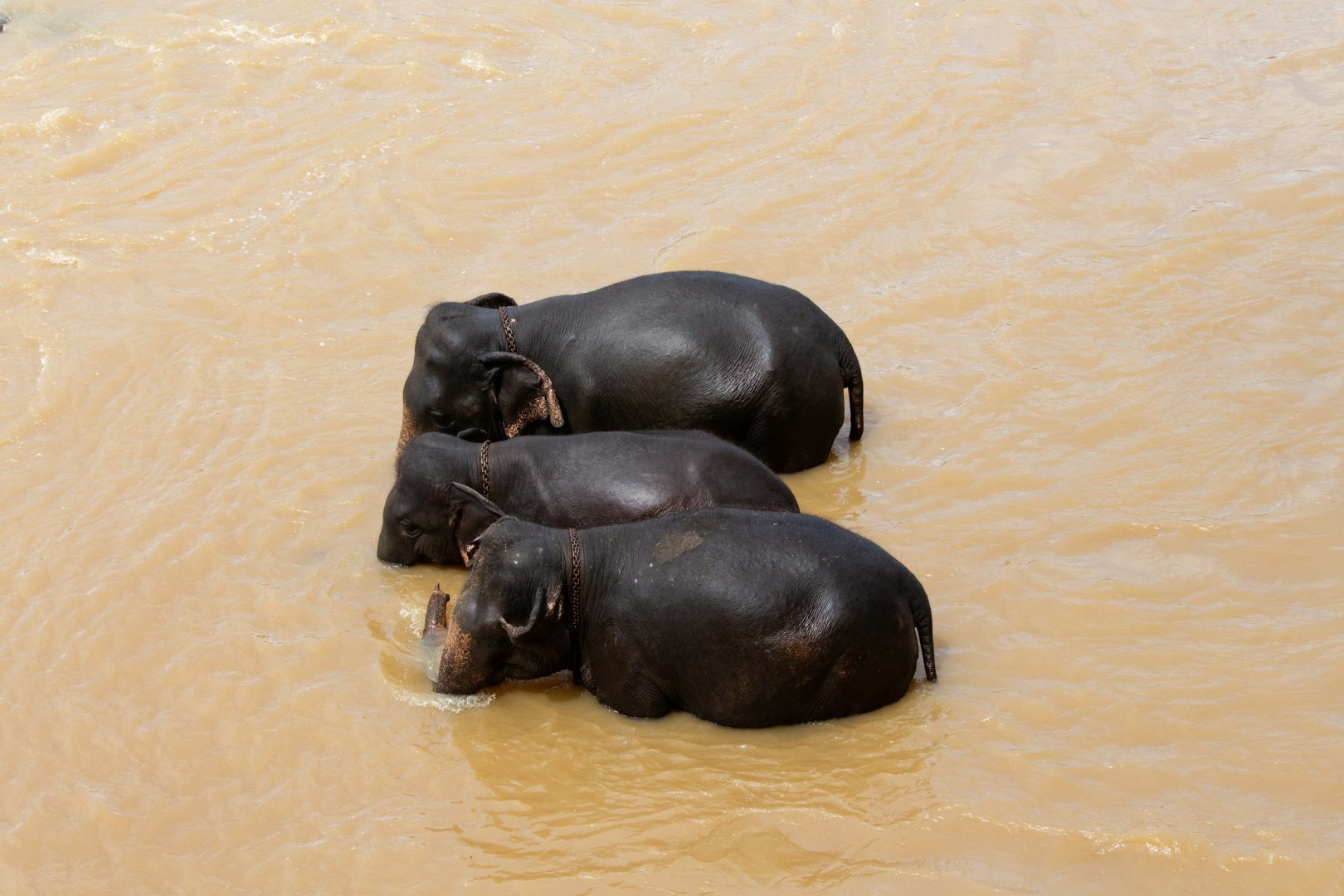
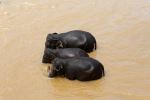
The Maha Oya River is one of Pinnawala’s defining features, with the riverbank providing a place where visitors can watch elephants bathing and interacting in the water. The main facility contains elephant enclosures, feeding areas, medical facilities, and other operational buildings, while the bathing area lies across the road beside the river. Bottle-feeding of young elephants is another activity visitors may observe as part of the care routine. The surrounding Kegalle region adds further attractions, including forested hills, waterfalls, temples, and agricultural landscapes typical of Sri Lanka’s wet-zone interior.
Food around Pinnawala reflects the cooking of the Sabaragamuwa region and Sri Lanka more broadly, with rice and curry, coconut sambol, vegetable curries, roti, and fresh fruit commonly available at nearby restaurants and refreshment stalls. A distinctive detail is the facility’s location close to Rambukkana railway station, which is roughly two kilometers away and provides a rail connection with other parts of the country. Pinnawala is also notable for its role in public education and animal care, making it more than a viewing site: it is an institution where elephant welfare, veterinary work, conservation, and visitor education come together.
