

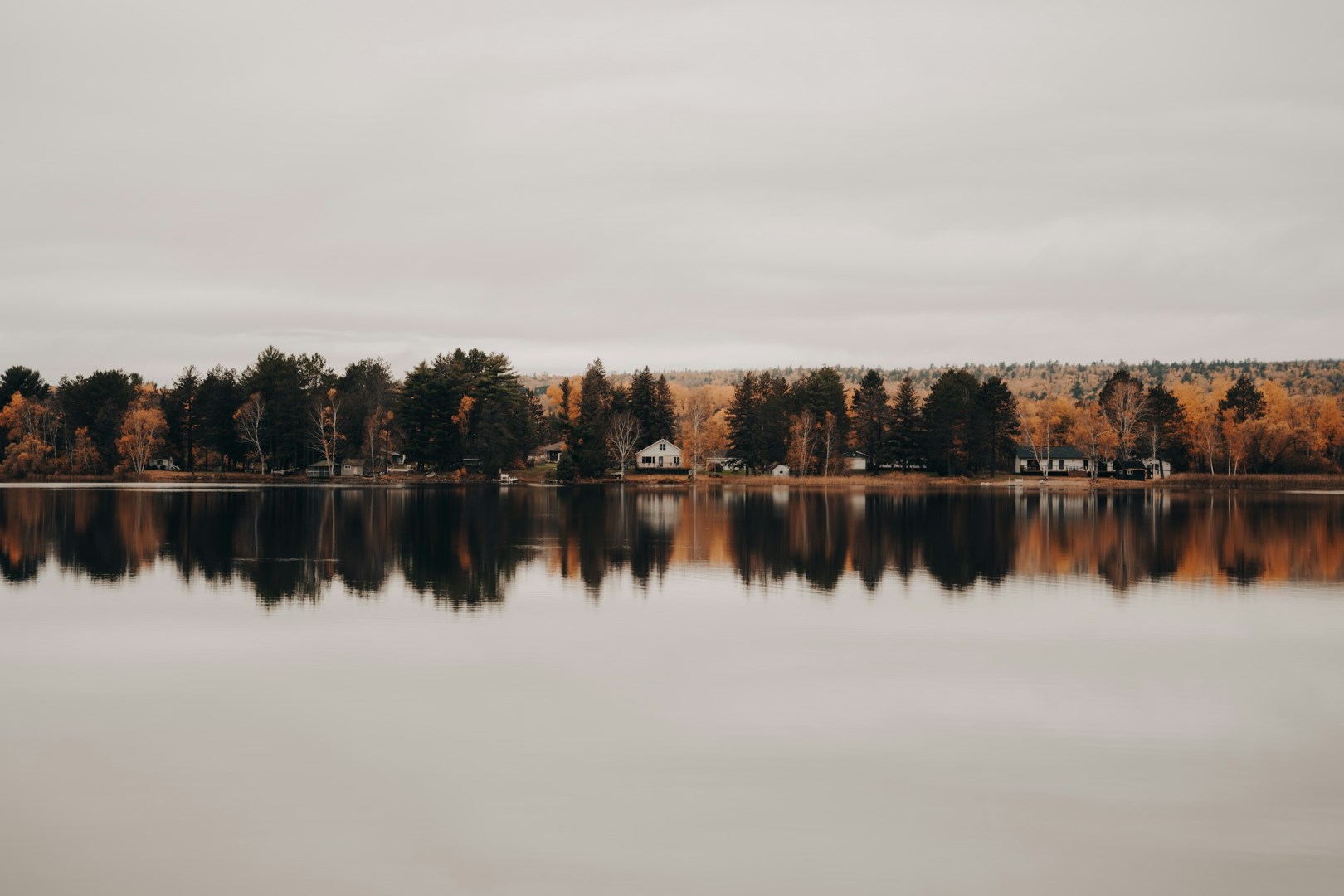
Ely, Minnesota, sits on the edge of the Superior National Forest in the state’s Northwoods, where boreal forest, rocky terrain, and interconnected lakes define the landscape. The community is best known as a major gateway to the Boundary Waters Canoe Area Wilderness, which contains more than one million acres of protected forest and waterways along the Canadian border. Ely itself has a compact downtown with independent shops, galleries, restaurants, and outfitters serving wilderness travelers. Its location also gives the town a strong connection to mining, logging, outdoor recreation, and the northern Minnesota communities that developed around these industries.
Ely’s cultural identity reflects the Ojibwe presence in the region as well as later mining, logging, and immigrant communities. The Ely-Winton History Museum preserves artifacts and stories connected with local life, while the Ely Arts & Heritage Center occupies the former Pioneer Mine site. The Dorothy Molter Museum commemorates the woman known as the “Root Beer Lady,” who lived on Knife Lake and became a familiar figure to Boundary Waters canoeists. The Bois Forte Heritage Center and Cultural Museum, located outside Ely, provides further insight into Ojibwe history, art, and traditions. Together, these institutions show how wilderness and community life have developed alongside one another.
The Boundary Waters Canoe Area Wilderness is Ely’s defining attraction, with more than 1,000 lakes, extensive canoe routes, portages, and designated campsites surrounded by forest. The Superior National Forest provides additional opportunities for hiking, fishing, skiing, snowshoeing, and wildlife observation. In town, the International Wolf Center uses live ambassador wolves and educational exhibits to explain wolf ecology and conservation, while the North American Bear Center focuses on black bears and their behavior. Nearby scenic routes such as the Echo Trail and Fernberg Road provide access to lakes, forests, overlooks, and remote recreation areas without requiring a multiday wilderness trip.
Ely’s food traditions reflect northern Minnesota, with walleye, lake trout, wild rice, blueberries, and hearty sandwiches appearing on local menus. Restaurants and cafés in the downtown area cater to both residents and visitors preparing for trips into the wilderness. Fishing is an important part of the local culture, particularly for walleye, northern pike, and trout. Winter brings another set of traditions, including dog sledding, snowmobiling, cross-country skiing, and ice fishing. A distinctive feature of Ely is its unusually close relationship with the Boundary Waters: numerous wilderness entry points lie within the surrounding area, making canoe outfitters and outdoor expertise an integral part of the community.
Other Popular Destinations in Minnesota