


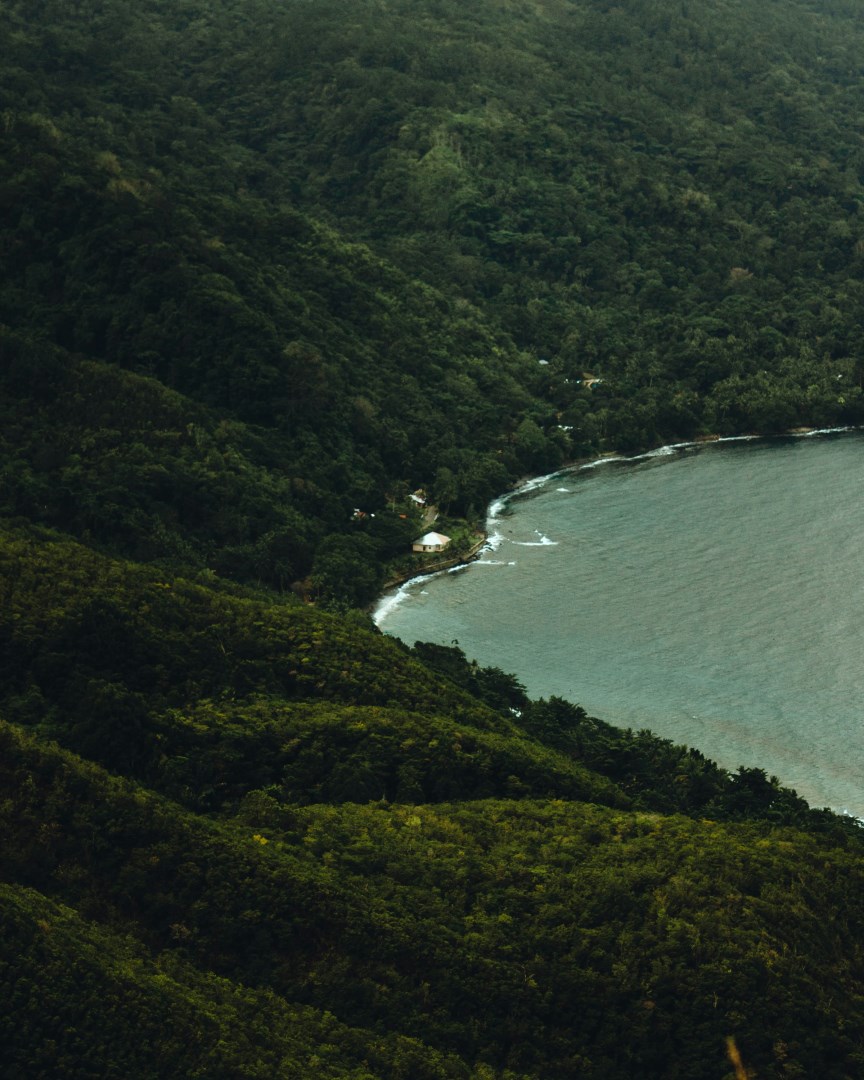

Pongara National Park protects a broad coastal landscape on the southern side of Gabon’s Komo Estuary, across the water from Libreville. Covering more than 96,000 hectares, the park includes Atlantic beaches, mangrove forests, tidal mudflats, lagoons, freshwater swamps, riverine forest and grassy savanna. The Remboué, Igombiné and Gomgoué rivers are among the waterways crossing the protected area. Pongara is also designated a Ramsar Wetland of International Importance, recognizing the ecological value of its coastal and estuarine habitats. Much of the park remains roadless, with boats providing the main means of access from the Libreville area.
The wider Pongara area has longstanding connections with Fang, Benga and Sekiani communities. Fishing is particularly important to local livelihoods, alongside cultivation of cassava, bananas and peppers and the traditional use of forest resources. Rivers, tidal channels and the estuary have served both as sources of food and as transportation routes between settlements. These activities form part of the human landscape surrounding the protected wetlands. Conservation is now another important element of local life, with park management focused on safeguarding marine turtle nesting areas, mangroves, forests and wildlife while addressing pressures from hunting, fishing and the use of natural resources.
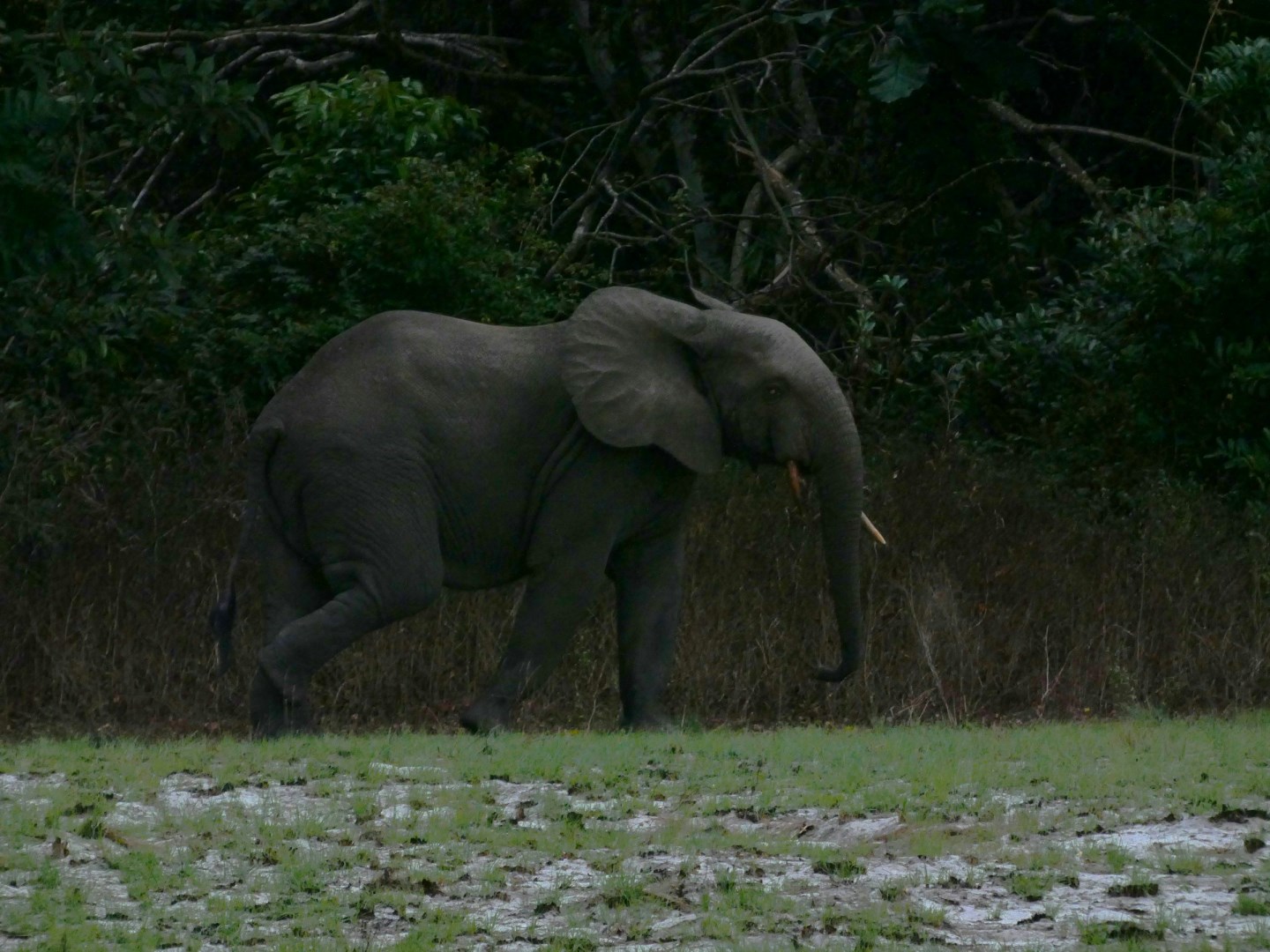
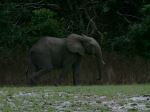
Pongara is especially important for marine turtles. Leatherback turtles nest on its Atlantic beaches, while green, hawksbill and olive ridley turtles also occur in the park. Its mangroves, dominated by Rhizophora and Avicennia species, provide nursery and feeding habitat for fish. Inland forests and wetlands support western lowland gorillas, chimpanzees, forest elephants, hippopotamuses and dwarf crocodiles. Extensive mudflats are used by thousands of migratory Palearctic wading birds. The park also protects about 25 kilometres of ocean shoreline, interrupted by rocky cliffs and lagoon openings, together with swamp forest, evergreen rainforest and open savanna.
Fish is an important part of food traditions around Pongara, reflecting the productivity of the estuary, rivers and mangrove channels. Local catches may be grilled, smoked or cooked in sauces and served with cassava, plantain, rice or other Gabonese staples. Bananas and peppers are also cultivated within communities in the wider protected area.
