


Africa | Ivory Coast | Yamoussoukro
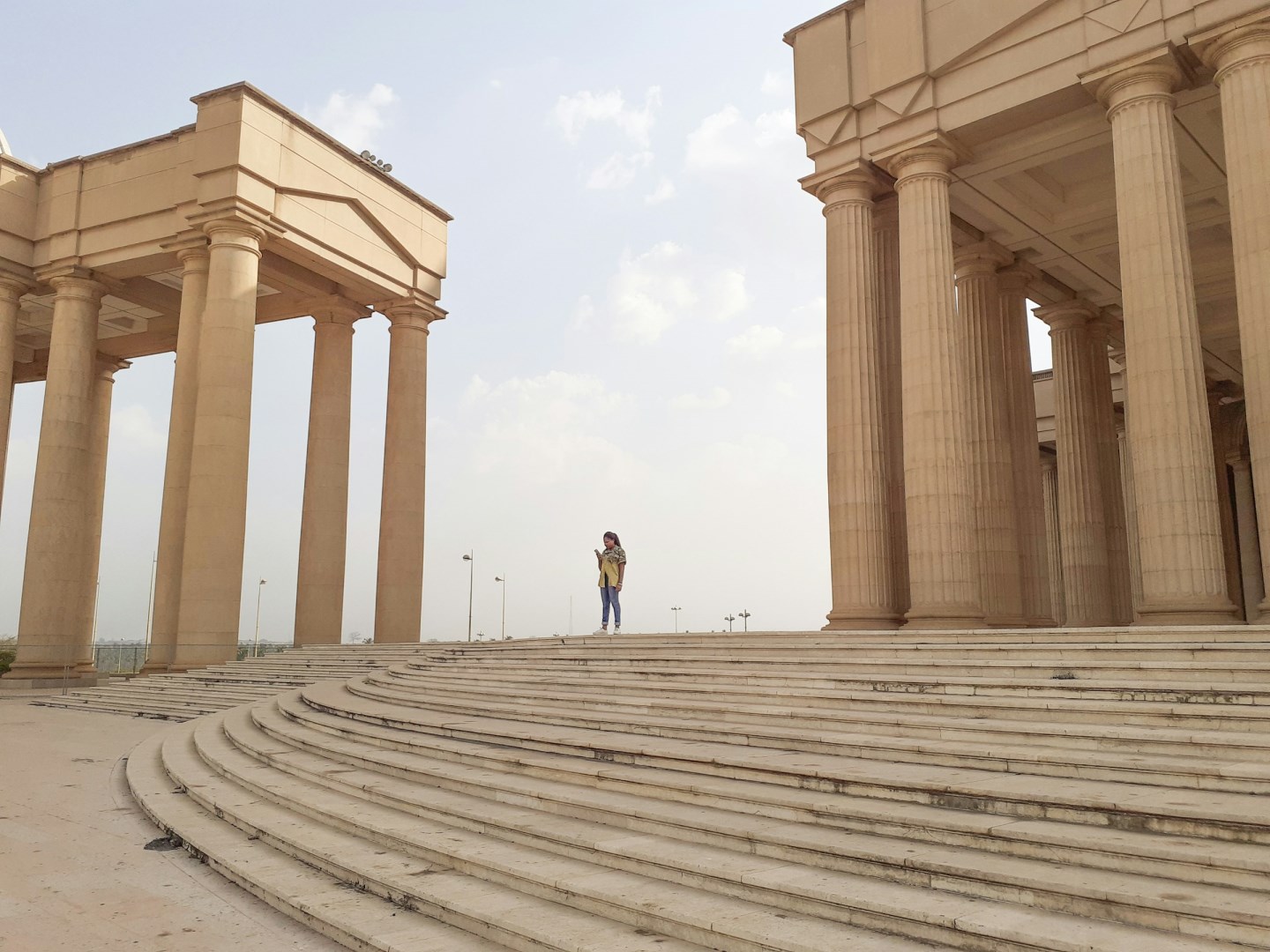
Yamoussoukro is the political and administrative capital of Côte d’Ivoire, located in the country’s central region amid gently rolling land, cultivated fields and patches of forest. Unlike the dense commercial centre of Abidjan, Yamoussoukro is characterized by broad avenues, large public buildings and substantial open spaces. The city developed around the home village of Félix Houphouët-Boigny, Côte d’Ivoire’s first president, whose influence is visible in many of its major landmarks. Surrounding agricultural areas produce crops including yams, cassava, plantains, coffee and cocoa, linking the capital closely with the farming economy of central Côte d’Ivoire.
The Basilica of Our Lady of Peace is Yamoussoukro’s most recognizable landmark. Inspired by St. Peter’s Basilica in Rome, the vast complex has a high dome, long colonnades, extensive gardens and large stained-glass windows. Another distinctive site is the former Presidential Palace, whose grounds include a lagoon known for its Nile crocodiles. The Félix Houphouët-Boigny Foundation for Peace Research is another monumental complex, built around conference facilities and spaces devoted to dialogue and peace initiatives. Outside the developed centre, lakes, palms and tropical vegetation break up the city’s wide avenues and formal administrative districts.
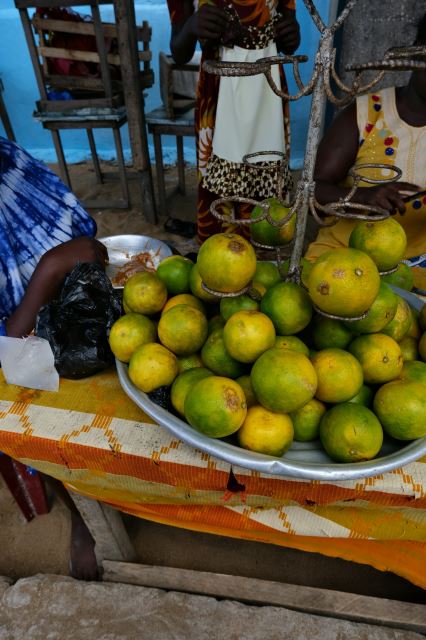
Food in Yamoussoukro reflects the cooking of central Côte d’Ivoire and the wider Baoulé region. Attiéké, a fermented cassava preparation with a texture similar to couscous, is commonly served with grilled fish, meat, onions and peppers. Foutou, made by pounding plantain, yam or cassava, accompanies sauces prepared with vegetables, peanuts or palm products. Kedjenou, traditionally cooked slowly in a sealed pot, is another familiar dish, often made with chicken and vegetables. Yams are particularly important in central Ivorian agriculture and cooking, while roadside vendors and local markets provide seasonal fruit, grilled foods and produce from farms surrounding the capital.
Other Popular Destinations in Ivory Coast