


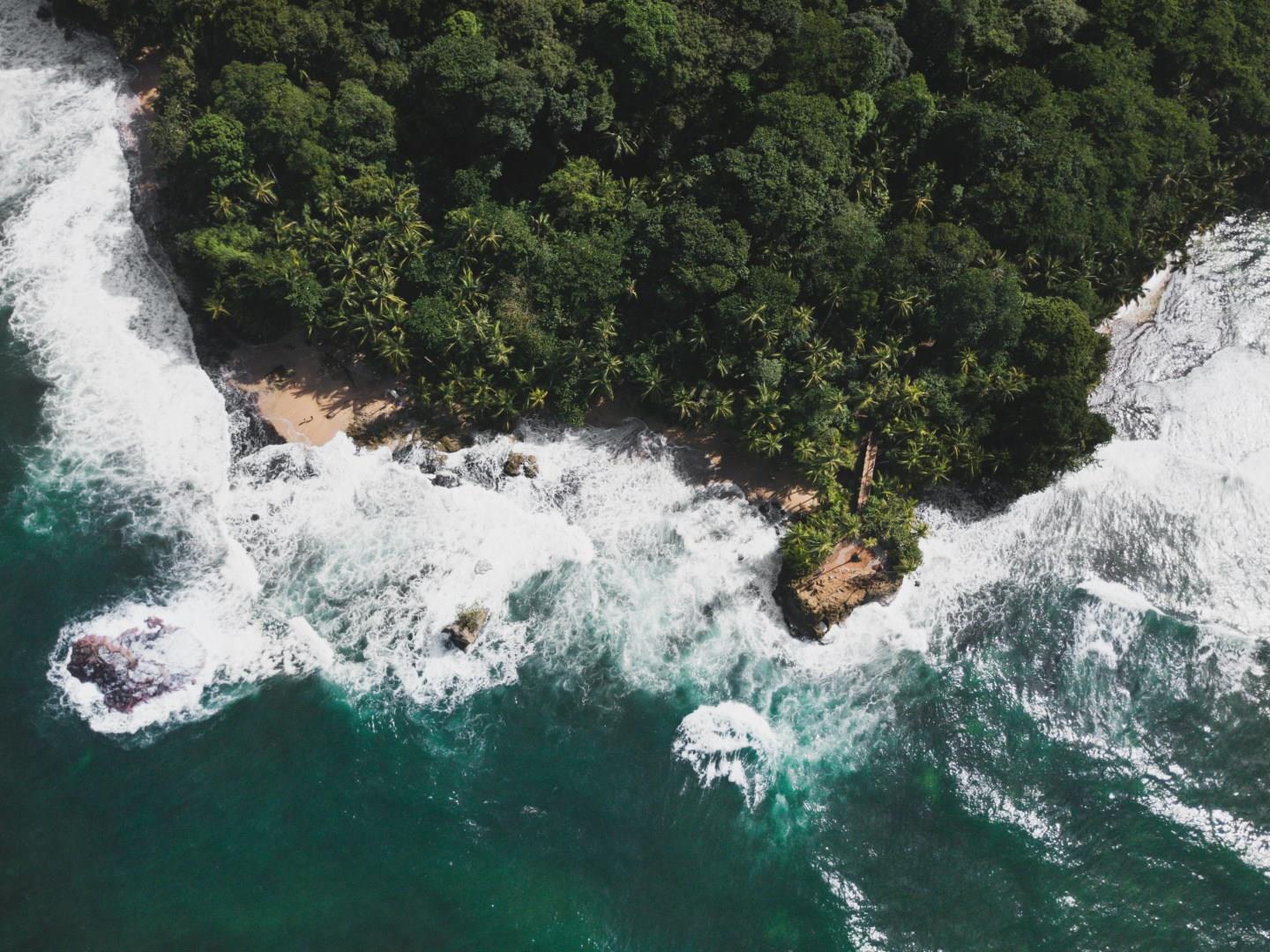
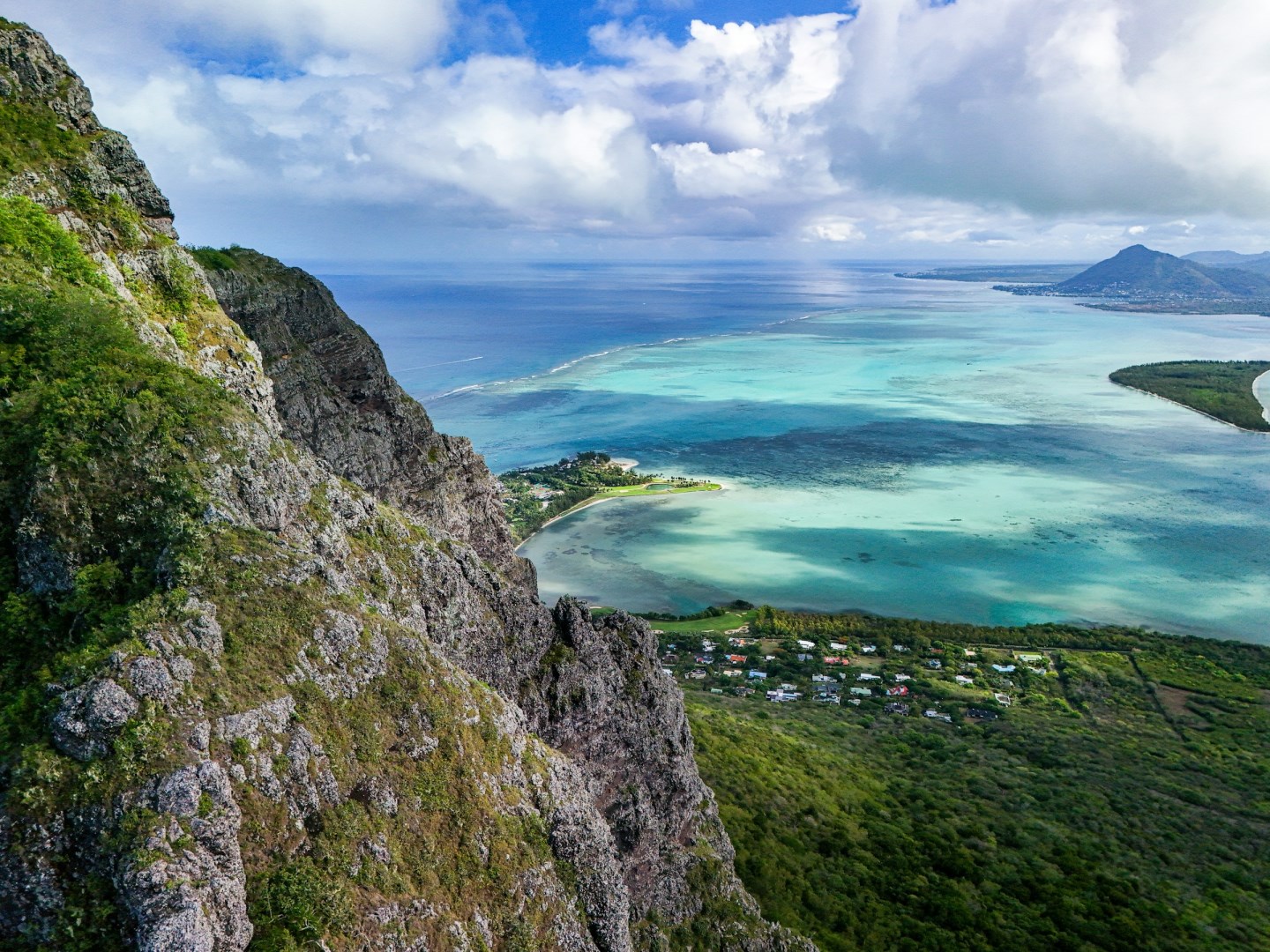
Le Morne is a coastal area on the southwestern tip of Mauritius, dominated by the steep basalt formation of Le Morne Brabant. The mountain rises to 556 metres on a peninsula extending into the Indian Ocean, with lagoons, coral reefs and sandy shoreline surrounding much of its base. Its isolated position and distinctive flat-topped profile make it one of the island’s most recognizable landforms. The surrounding district includes the village of Le Morne, coastal settlements and areas used for fishing and tourism, while the sheltered lagoon provides conditions for swimming, sailing, windsurfing and kitesurfing.
Le Morne holds exceptional importance in Mauritian history and cultural memory. Escaped enslaved people, known as maroons, used the mountain’s caves, slopes and difficult terrain as places of refuge. Le Morne Brabant is now a UNESCO World Heritage Site recognized as a symbol of resistance to slavery and the struggle for freedom. These associations remain important to Mauritian identity, particularly among communities descended from enslaved Africans and Malagasy people. The annual commemoration of the abolition of slavery includes ceremonies at Le Morne, while monuments and interpretive displays around the mountain explain its significance within the country’s multicultural heritage.
Le Morne Brabant is the area’s principal landmark, with a hiking route climbing through dry coastal vegetation toward viewpoints over the peninsula and lagoon. The mountain supports plant species found only in Mauritius, including the rare Mandrinette. Offshore, the lagoon is protected by a barrier reef and contains coral habitats, seagrass areas and channels opening toward deeper water. The wider southwestern coastline also provides views toward Black River and the forested highlands of Black River Gorges National Park.
Food around Le Morne reflects Mauritius’s African, Indian, Chinese and European influences. Fresh fish and octopus are common along the coast, while Mauritian staples include fish curry, rougaille, rice, lentils and vegetable pickles. Dholl puri, a thin flatbread filled with ground split peas, is commonly served with curry and chutney across the island.
