
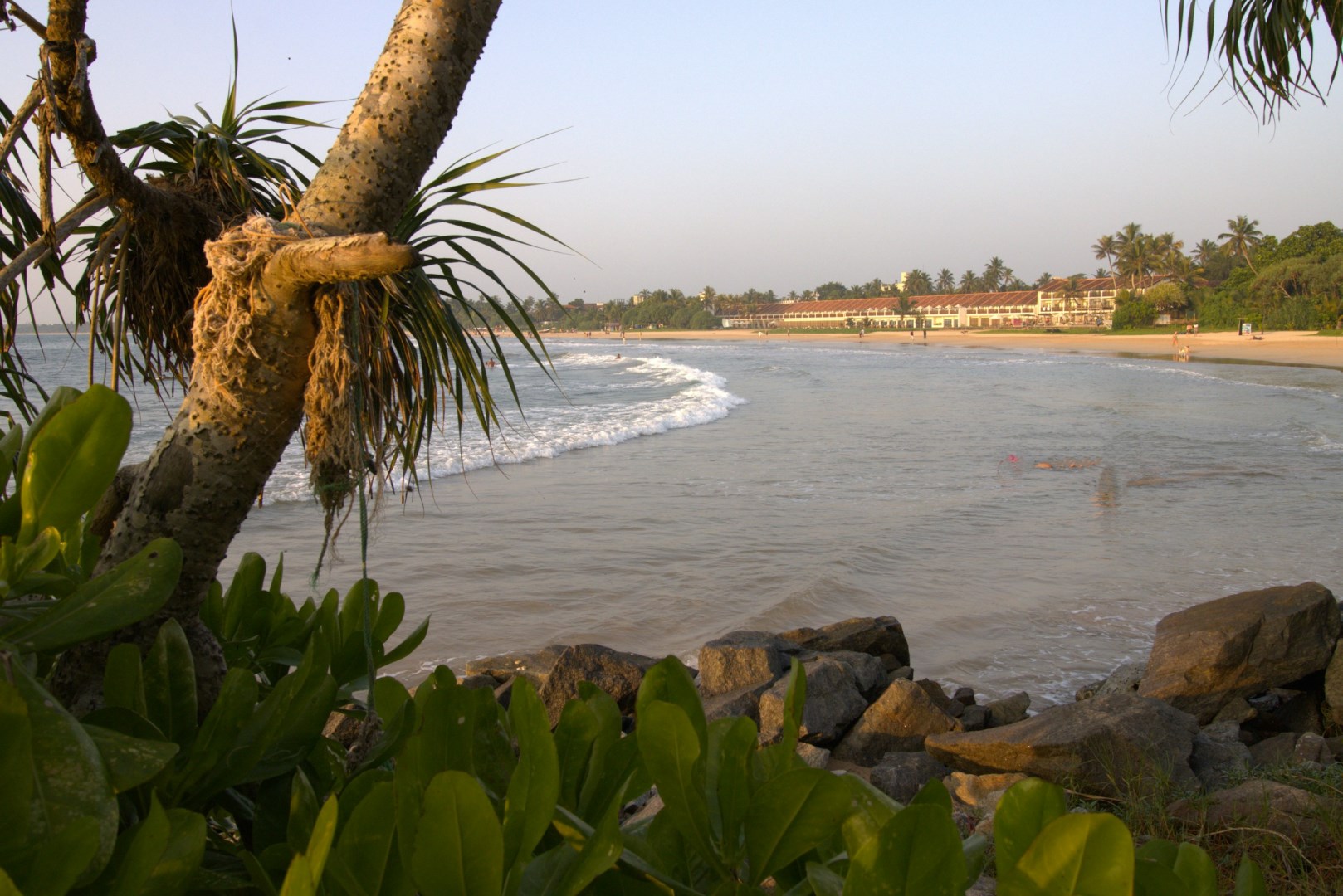

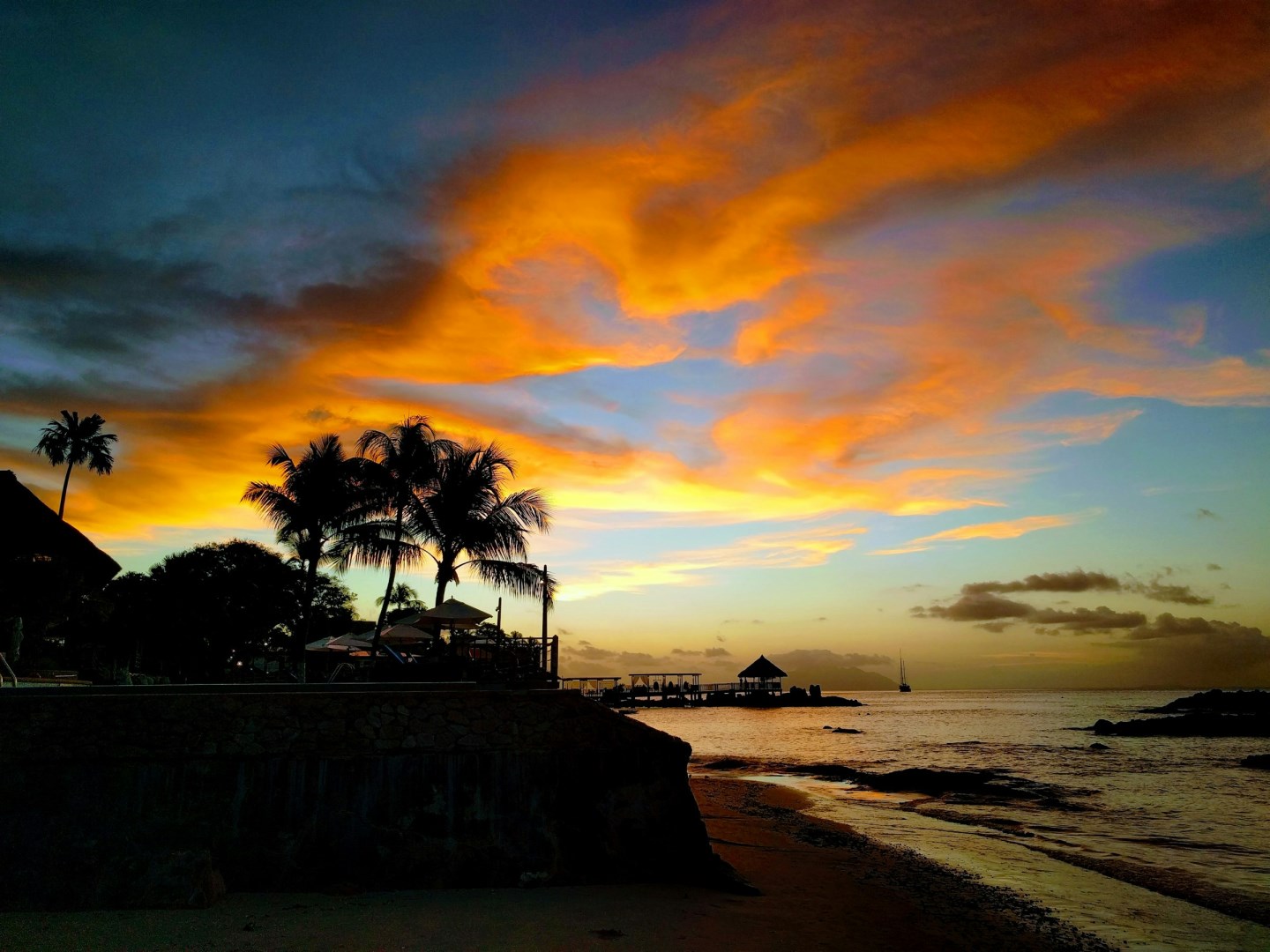

Bel Ombre is a coastal village and rural district on the southwestern side of Mauritius, set between the Indian Ocean and the forested slopes of the Black River Gorges. The area is known for its combination of sugar-growing land, native forest, rivers, and a sheltered lagoon. Much of the surrounding landscape forms part of the wider Bel Ombre estate, where agriculture has gradually been joined by conservation and tourism. The village’s relatively secluded position gives it a strong connection with the southern countryside, while the nearby coast provides access to beaches, reefs, and marine activities.
Bel Ombre has a history closely linked to plantation agriculture and the people who worked on its estates. Sugar became the dominant crop, following earlier cultivation of coffee, cotton, and tea, while the plantation system brought together communities of different cultural backgrounds. The area’s heritage also reflects the difficult history of slavery and indentured labour in Mauritius. Today, Heritage Le Château and other surviving estate buildings provide reminders of this agricultural past. Local identity continues to reflect the interaction between plantation traditions, rural communities, and the island’s broader Creole, African, Indian, and European influences.
The landscape around Bel Ombre changes from native forest on the mountain slopes to savanna, rivers, farmland, and a shallow coastal lagoon. The nearby Black River Gorges National Park protects important forest habitats, while the Bel Ombre forest contains native species such as the endemic black ebony tree. The coast is bordered by reefs and offers opportunities for snorkeling, diving, kayaking, fishing, and boat trips. The surrounding rivers, including the Jacotet and Citronniers, add further variety to the terrain. The area is also known for the proximity of the dramatic Morne Brabant peninsula across the southwestern coast.
Food in Bel Ombre reflects the wider Mauritian tradition of combining ingredients and cooking methods from several cultures. Fresh fish and seafood are important along the coast, while rice, lentils, vegetables, spices, and tropical fruit feature widely in local meals. Sugar cane remains an important part of the area’s agricultural identity, although the former sugar estate has diversified its activities. A distinctive local detail is the presence of Mauritius’s black ebony, an endemic tree that survives in the Bel Ombre forest. Its dark, dense wood was historically valued for furniture and musical instruments, making the tree an important part of the region’s natural and cultural heritage.
