


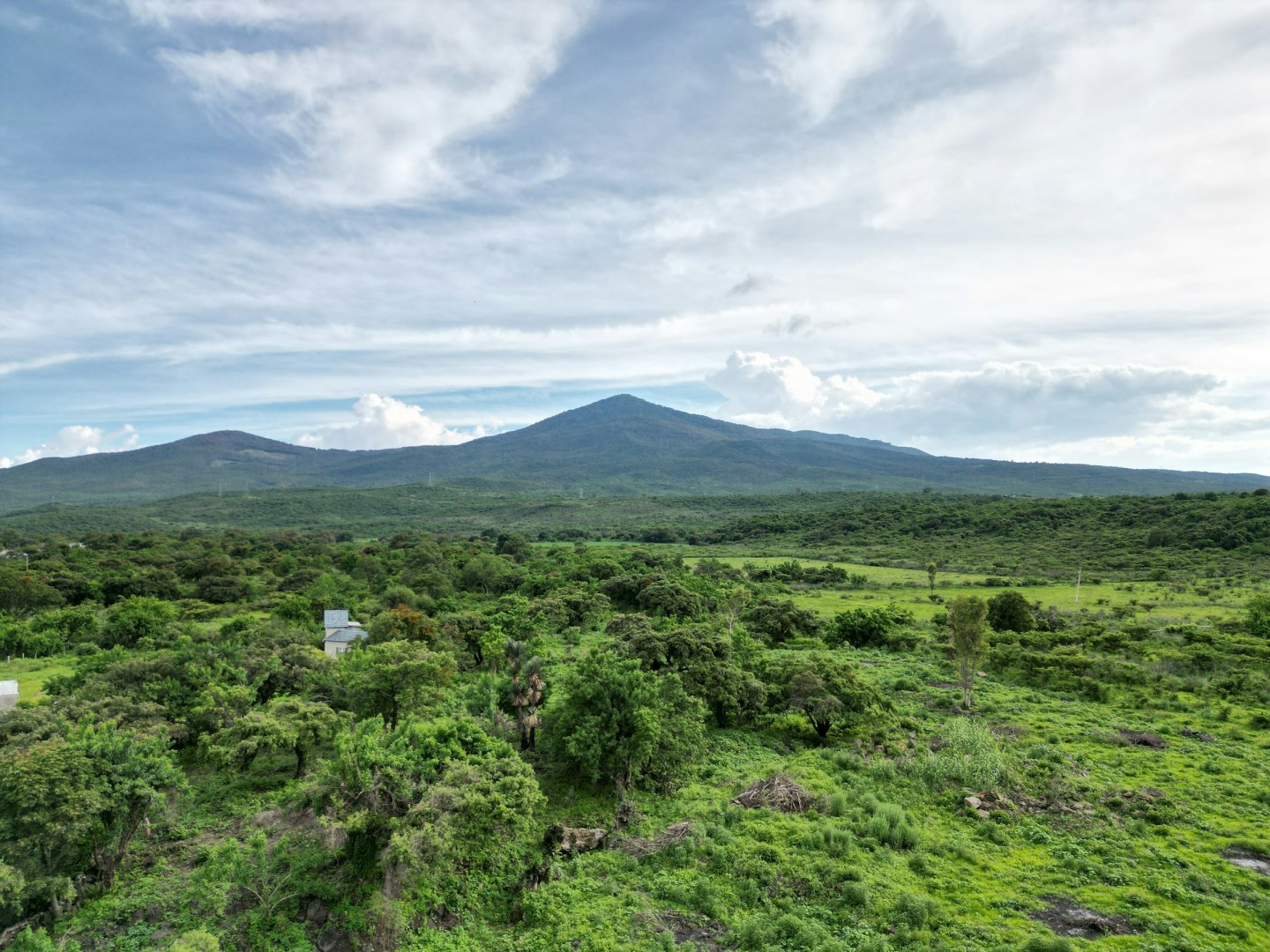
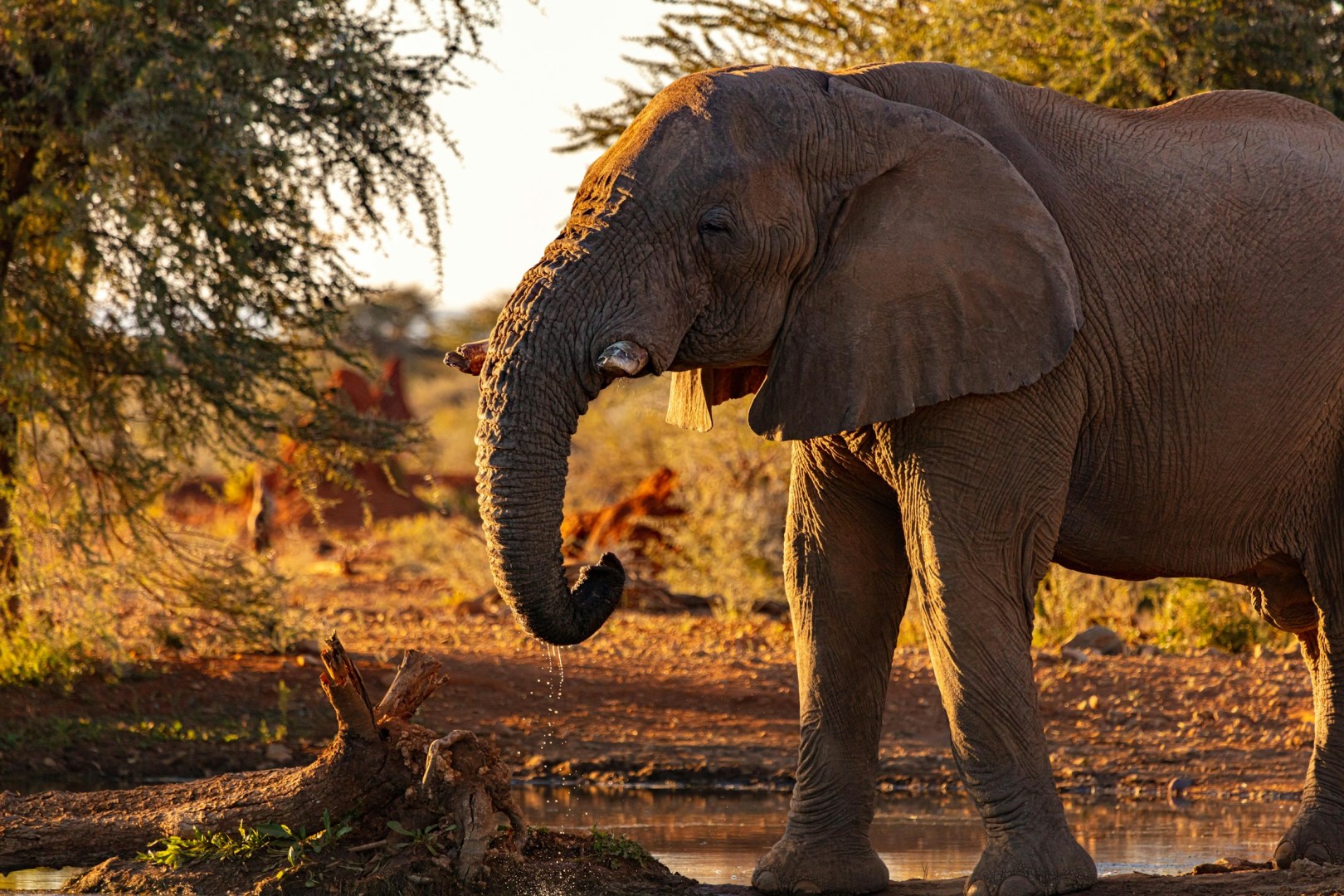
Erindi Private Game Reserve is a large wildlife area in central Namibia, situated between Windhoek and the coast. The reserve covers a broad landscape of open savanna, dry woodland, rocky hills, and seasonal watercourses. Its name comes from a Herero word meaning “place of water,” reflecting the importance of water sources within the reserve’s semi-arid environment. Erindi is privately managed and combines wildlife conservation with tourism and research. Its location makes it accessible as a safari destination while also providing an important protected area for animals living in central Namibia.
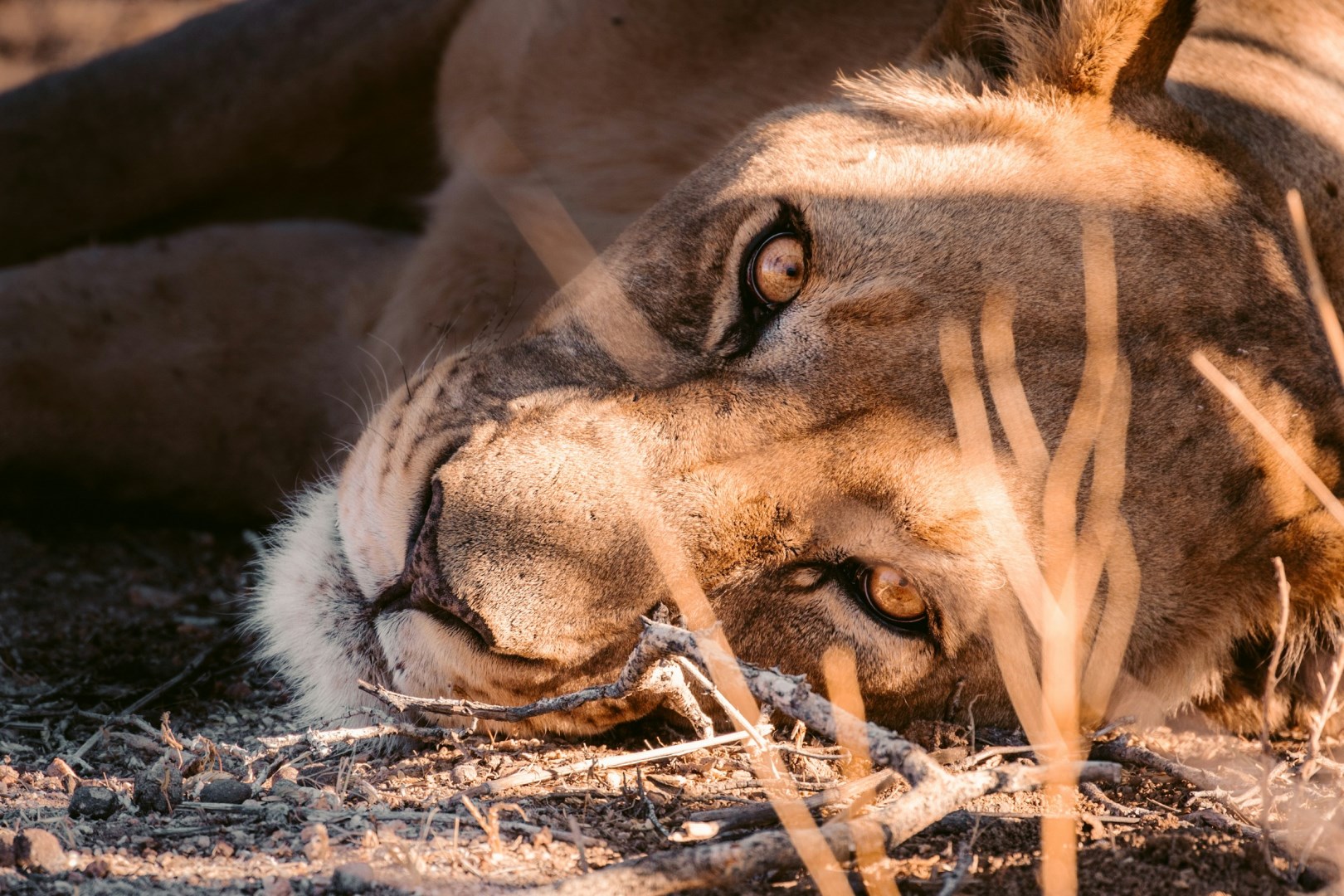
Erindi supports a wide range of wildlife, including elephants, lions, cheetahs, leopards, spotted hyenas, African wild dogs, giraffes, zebras, wildebeest, and several antelope species. Conservation work at the reserve includes wildlife monitoring, research, and efforts to protect threatened species. The reserve also supports the Erindi Conservation Foundation, which works on biodiversity research and community-related conservation programs. The area's wildlife management is designed around maintaining natural habitats and ecological processes rather than focusing only on individual species. This approach makes conservation an important part of Erindi's identity and visitor experience.
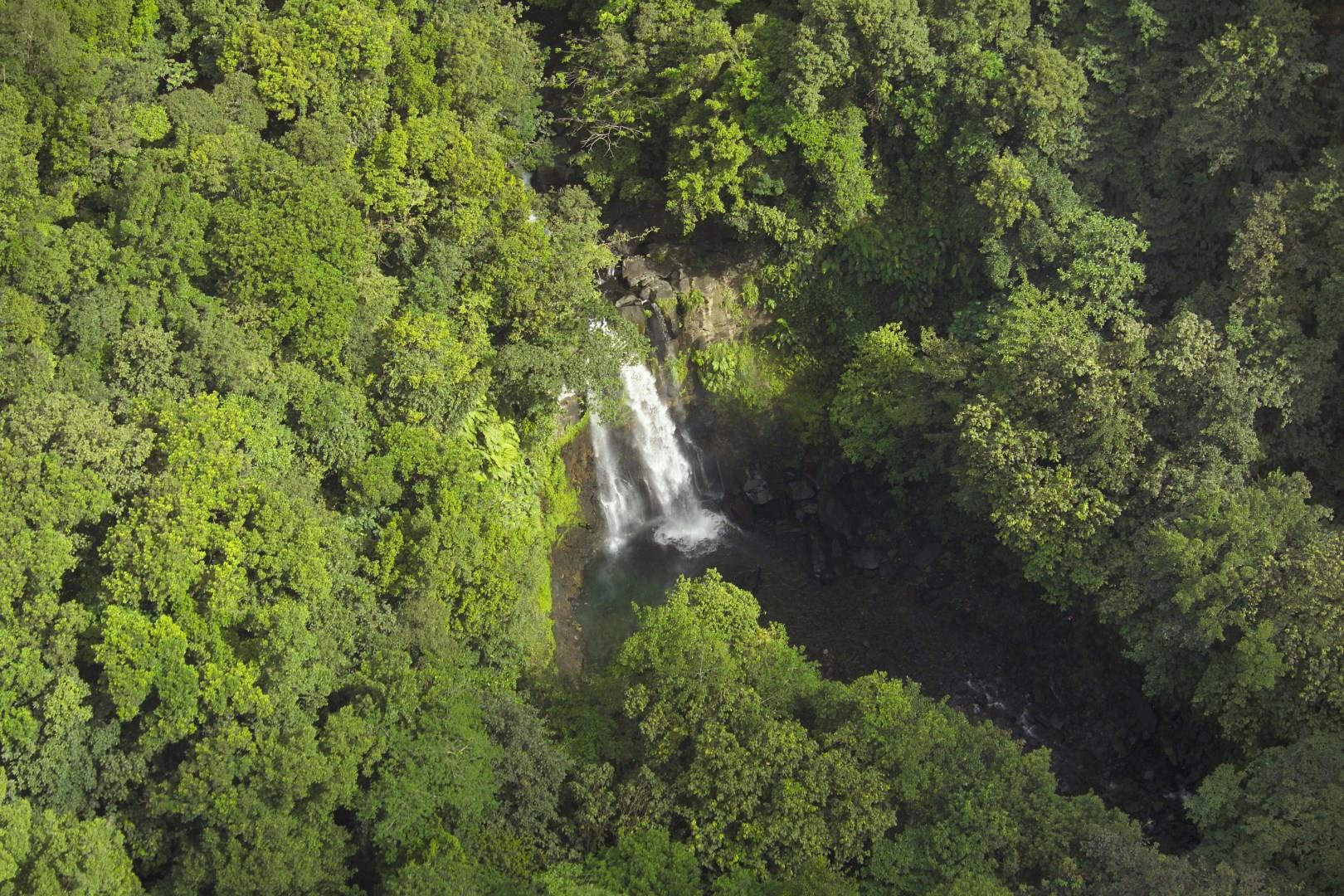
Game drives are the main way to explore Erindi, with routes crossing open plains, wooded areas, and waterholes where animals gather. The reserve is known for opportunities to observe predators, elephants, and large herds of antelope, while guided walks provide a closer look at smaller plants, tracks, insects, and other signs of wildlife. Birdwatching is also significant, with numerous species occupying the reserve's varied habitats. Seasonal changes can alter the appearance of the landscape, with rainfall bringing temporary pools and fresh vegetation to areas that are otherwise dry for much of the year.
Erindi's visitor facilities are centered around wildlife viewing and conservation education rather than a traditional town or food culture. Meals served at the reserve typically draw on familiar Namibian and southern African ingredients, while locally sourced products may feature in some dining experiences. One notable feature is the reserve's emphasis on research, including wildlife monitoring and studies of predator and prey populations. Its varied habitats also support an unusually broad range of species for a private reserve in central Namibia. The combination of protected wilderness, scientific work, and controlled wildlife tourism makes Erindi an important conservation landscape in the country's interior.
