


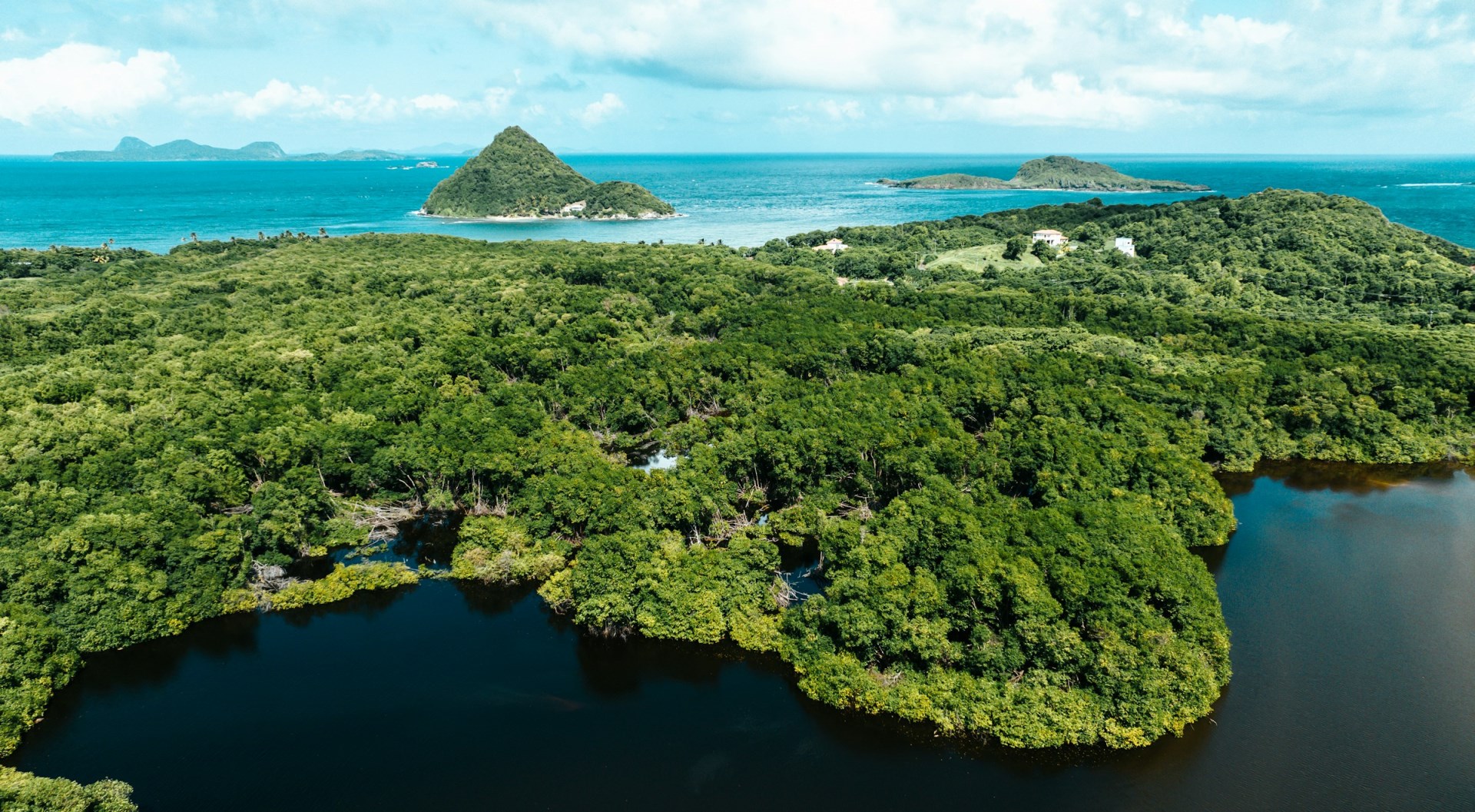
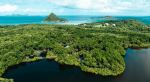
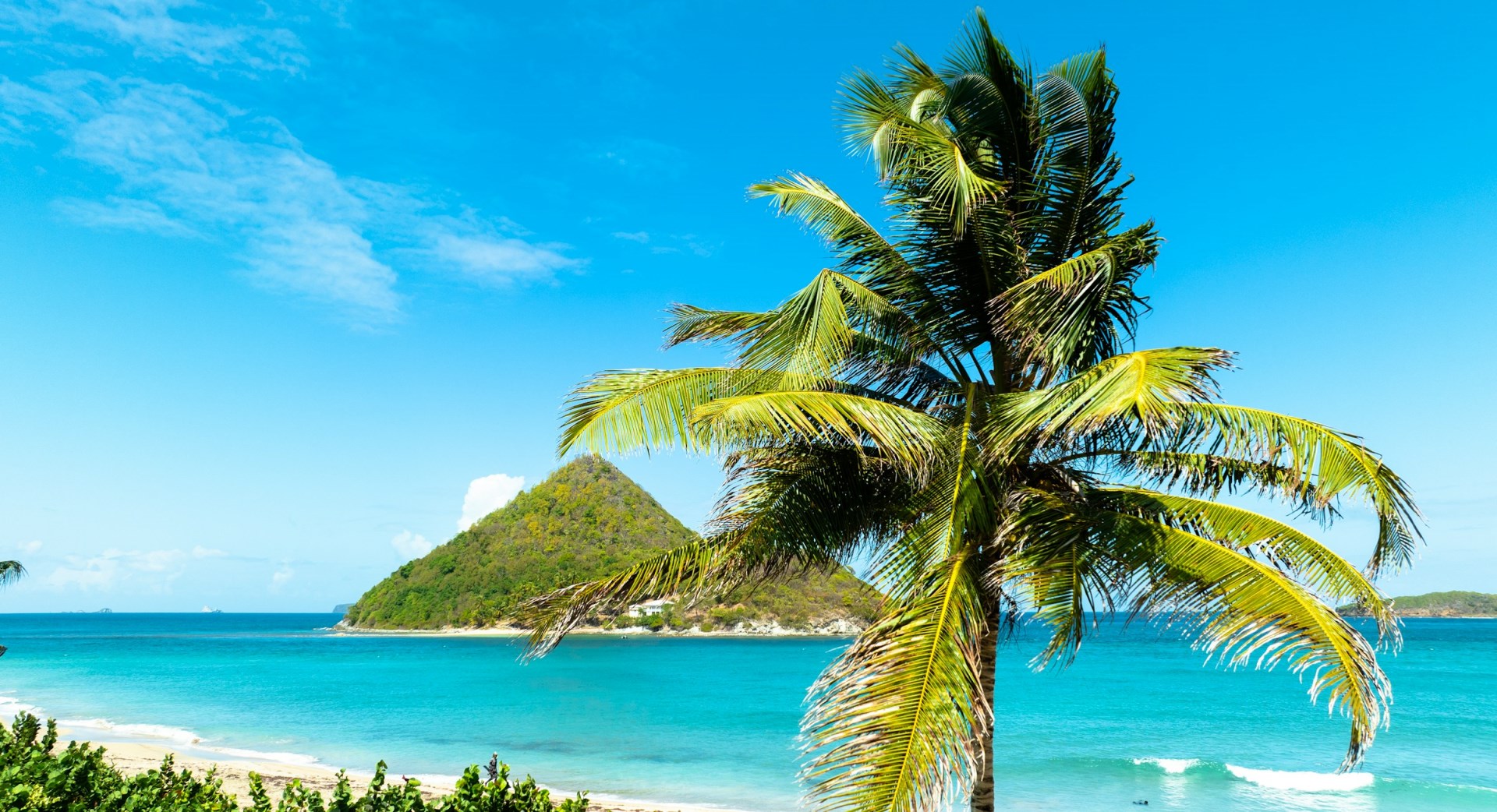
Levera Beach lies on Grenada’s northeastern coast, near the village of Sauteurs, where the island meets the Atlantic Ocean. The beach is backed by low hills, coastal vegetation, and open land, with views toward the small islands of the Grenadines offshore. Unlike the developed beaches around the southwest coast, Levera has a more natural setting and is part of the wider Levera National Park landscape. Stronger Atlantic conditions can produce waves and currents, so swimming conditions vary. The area is particularly valued for its undeveloped coastline, scenic surroundings, and role in protecting important coastal habitats.
Levera is part of a region with strong agricultural and rural traditions, where Grenadian communities have historically depended on farming and fishing. The nearby town of Sauteurs is one of the oldest settlements on the island and retains connections to Grenada’s French and African heritage. Local culture is expressed through Creole traditions, music, religious celebrations, food, and community events. The northeastern coast also has an important place in Grenada’s conservation story, with Levera’s protected lands helping preserve beaches, wetlands, forests, and marine areas. Community awareness of sea turtle protection has become an important part of local environmental stewardship.
Levera Beach is best known for its role as a nesting site for leatherback sea turtles, which come ashore during the nesting season to lay their eggs. Levera National Park protects sections of beach, mangrove, salt pond, and coastal vegetation that provide habitat for turtles and birds. The offshore islands of Sugar Loaf, Green Island, and Sandy Island can be seen from the coast, depending on conditions. Visitors can explore nearby trails and viewpoints, while the surrounding wetlands provide opportunities for birdwatching. The Atlantic setting, rather than a sheltered bay, gives Levera a wilder coastal character than many beaches elsewhere in Grenada.
Food in the surrounding communities reflects Grenada’s farming and fishing traditions, with fish, lobster, crab, plantains, breadfruit, yams, cassava, and locally grown vegetables commonly used. Nutmeg, mace, cinnamon, and other spices are also important ingredients in Grenadian cooking. The national dish, oil down, combines breadfruit, coconut milk, vegetables, and meat or fish in a thick one-pot meal. Levera’s most distinctive feature is its importance to leatherback turtles, which return to the same coastal region to nest. During nesting periods, conservation programmes regulate beach activity so that lights, noise, and human presence do not interfere with the turtles.
