


Caribbean | Trinidad & Tobago | Toco
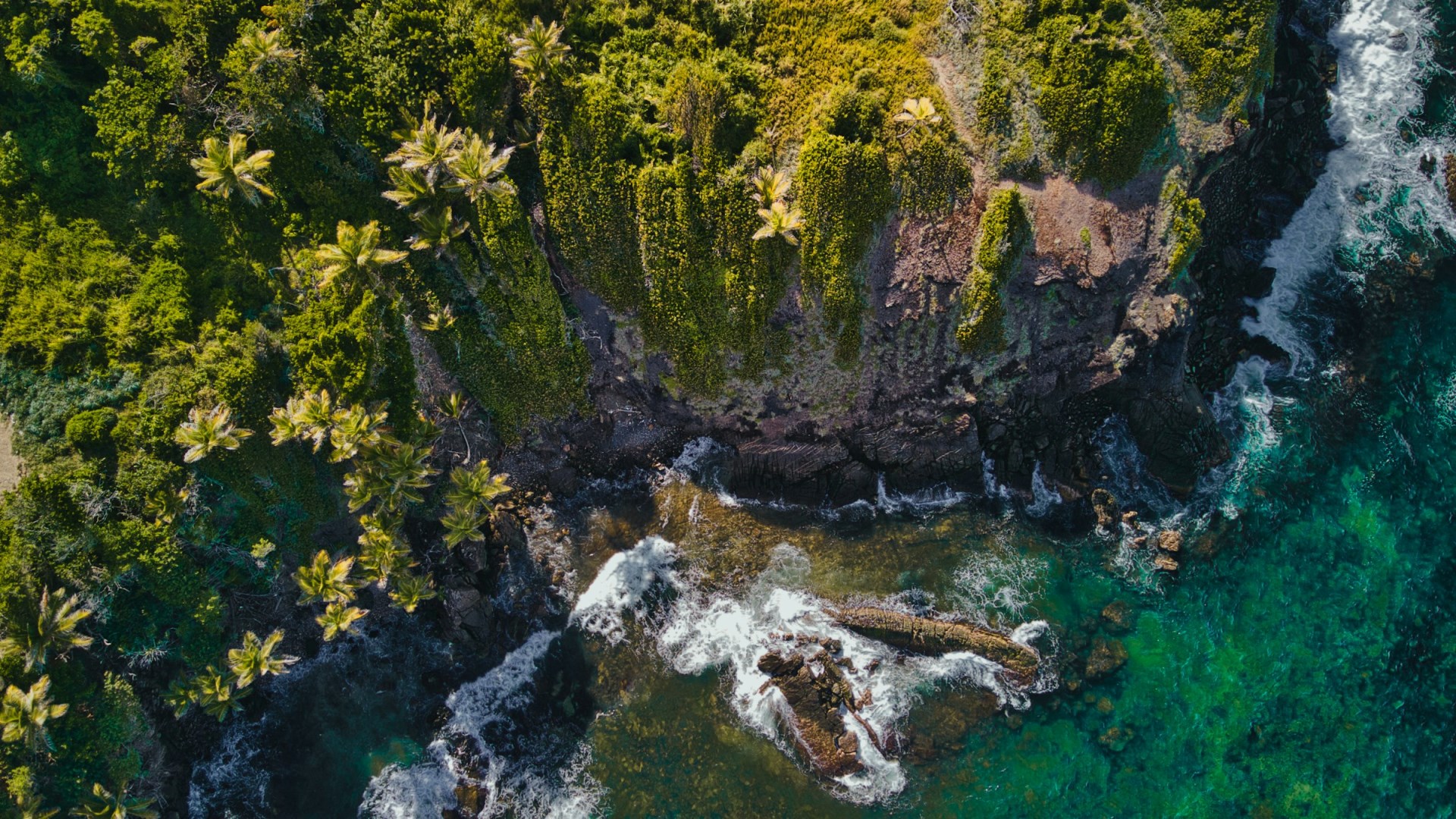
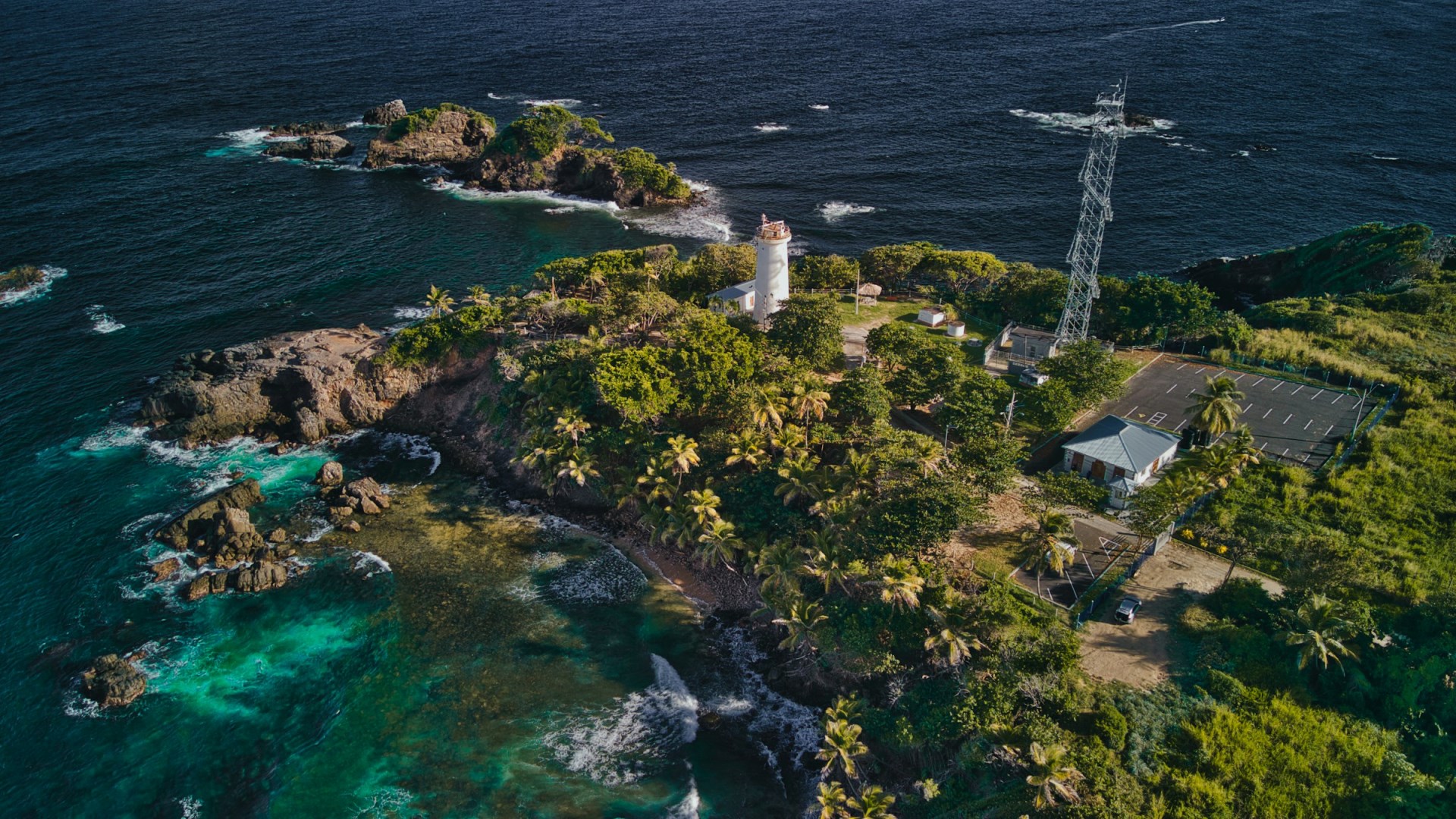
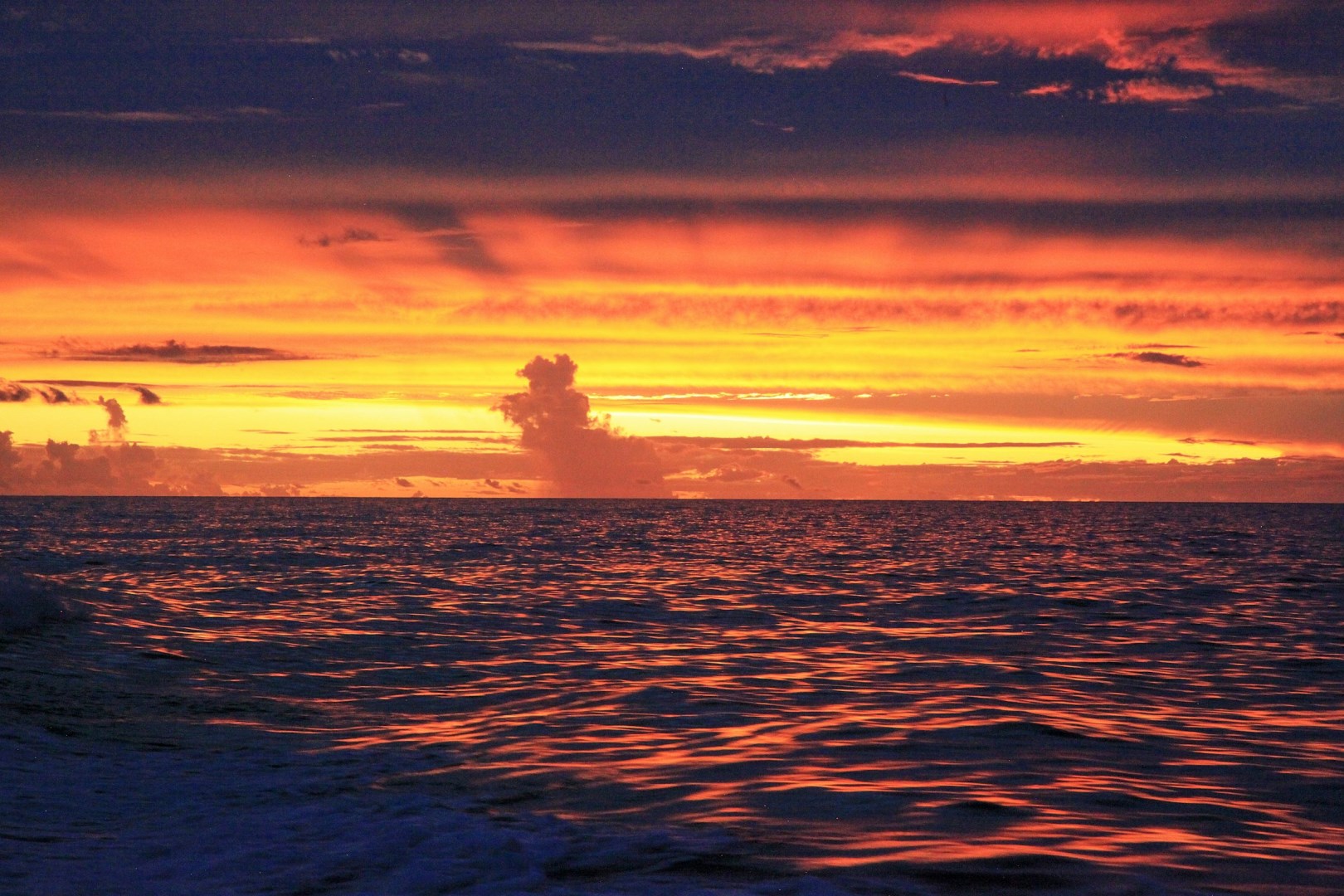
Toco is a rural coastal community at the northeastern tip of Trinidad, where the Atlantic Ocean meets the Caribbean Sea near the boundary between the two waters. The area is surrounded by forested hills, coconut groves, small farms, fishing villages, and rocky headlands. Toco is connected to the rest of Trinidad by the North Coast Road, which follows a scenic route through the Northern Range before reaching the coast. Its relatively low level of development gives the area a strong rural character, while its position at Trinidad’s northeastern extremity makes it one of the island’s distinctive coastal landscapes.
Toco’s cultural identity is closely connected with fishing, farming, and Trinidad’s multicultural heritage. Coastal communities in the area have long relied on the sea for food and livelihoods, while agriculture remains important in the surrounding countryside. Toco also has associations with Trinidad’s Indigenous history, with the wider northeastern region retaining place names and cultural references connected to the island’s First Peoples. Local churches, village gatherings, music, food traditions, and community events contribute to everyday life. The area’s distance from the main urban centres has also helped preserve a quieter community setting than many parts of western Trinidad.
Toco contains several notable coastal and natural attractions. Galera Point, at the northeastern tip of Trinidad, is marked by the Toco Lighthouse and provides views across the Atlantic and toward the coastline. Nearby Salybia Bay and Toco Bay offer sandy beaches and sheltered areas, while the surrounding Northern Range contains forests, streams, and hiking routes. The area is also associated with the Blanchisseuse-to-Toco coastal landscape and several smaller bays along the North Coast Road. Marine wildlife can include seabirds, turtles, and other coastal species, while the forested interior supports birds and tropical wildlife.
Food in Toco reflects its coastal setting, with fresh fish, crab, shrimp, lobster, and other seafood forming an important part of local cooking. Coconut, ground provisions, plantains, rice, and locally grown vegetables are also used in traditional Trinidadian dishes. Across the island, favourites such as callaloo, pelau, roti, doubles, and bake and shark illustrate the mixture of African, Indian, European, and Caribbean culinary influences. One distinctive feature of Toco is its position at the northeastern edge of Trinidad, where the open Atlantic, coastal villages, forested Northern Range, fishing activity, and agricultural land come together in a relatively compact area.
