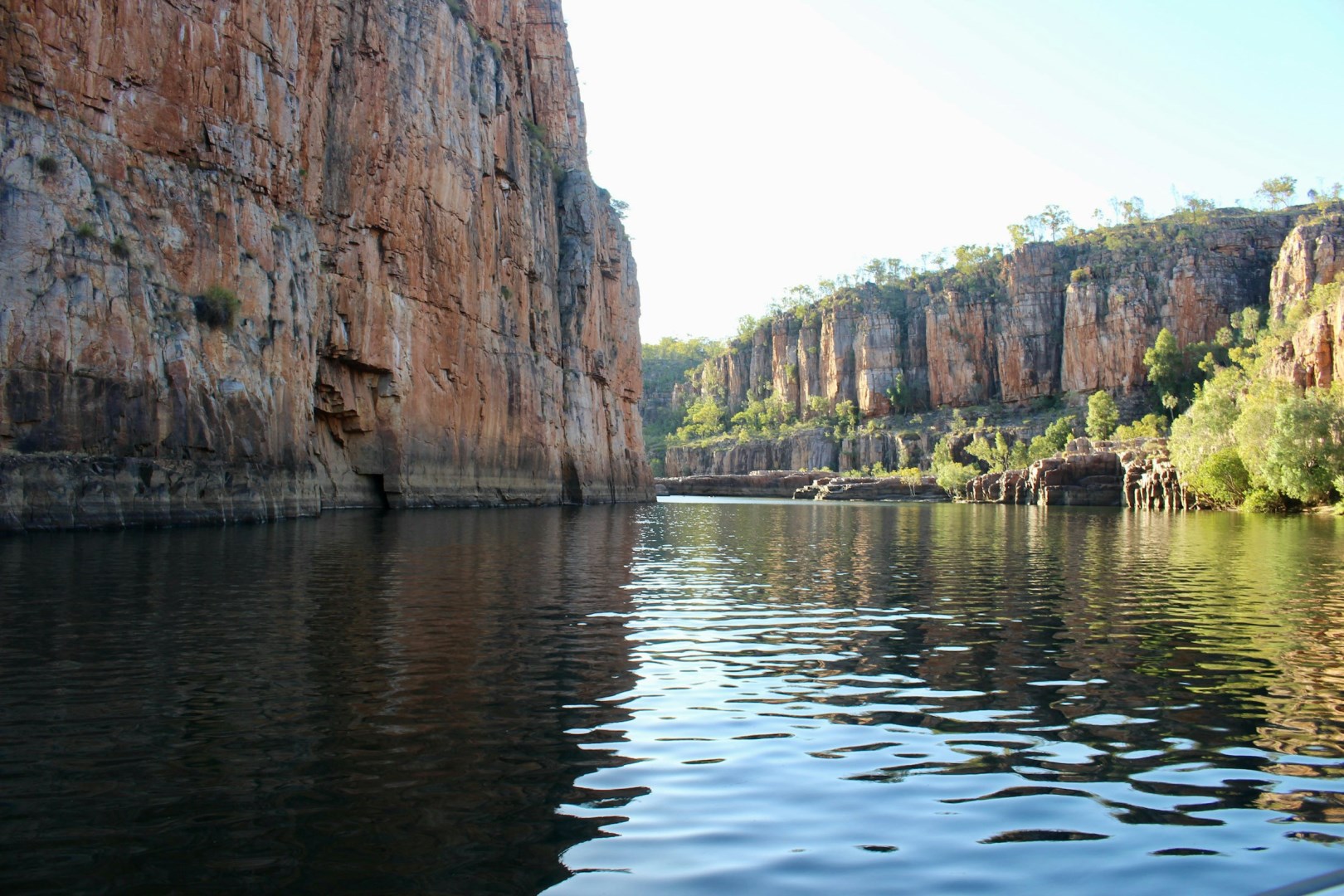
Katherine, located in the Northern Territory of Australia, is a vibrant outback town that serves as a gateway to some of the region’s most striking natural landscapes. Situated along the Katherine River, the town has historically been a hub for agriculture, cattle farming, and Aboriginal communities, blending modern infrastructure with deep-rooted cultural heritage.
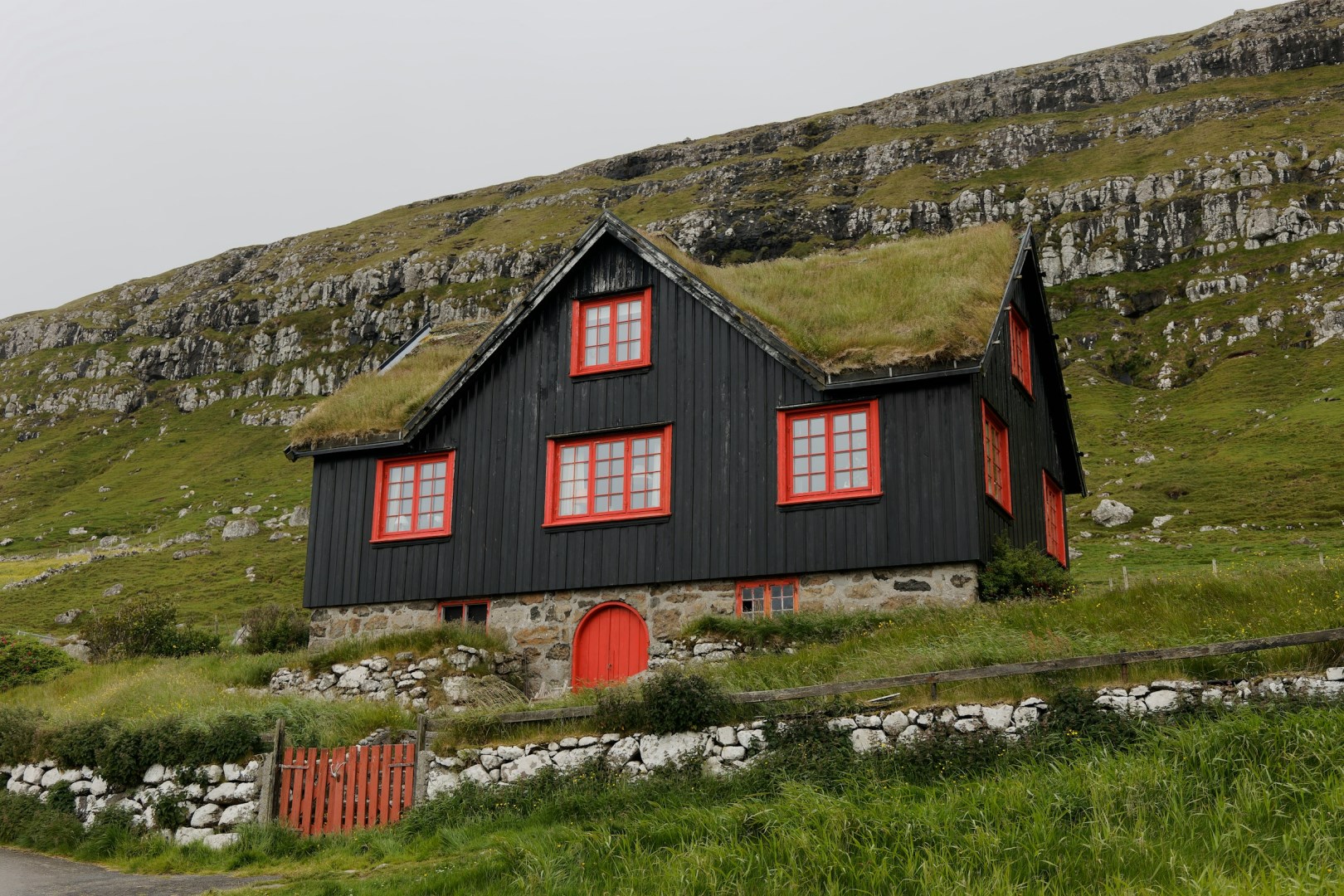
Streymoy is the largest and most populated island in the Faroe Islands, forming a central part of the archipelago and home to the capital, Tórshavn. Its landscape combines steep mountains, deep fjords, grassy valleys, and exposed coastal cliffs, with settlements concentrated along sheltered shorelines. The island is connected to neighboring islands by bridges, tunnels, ferries, and causeways, making it an important center for travel across the Faroes.
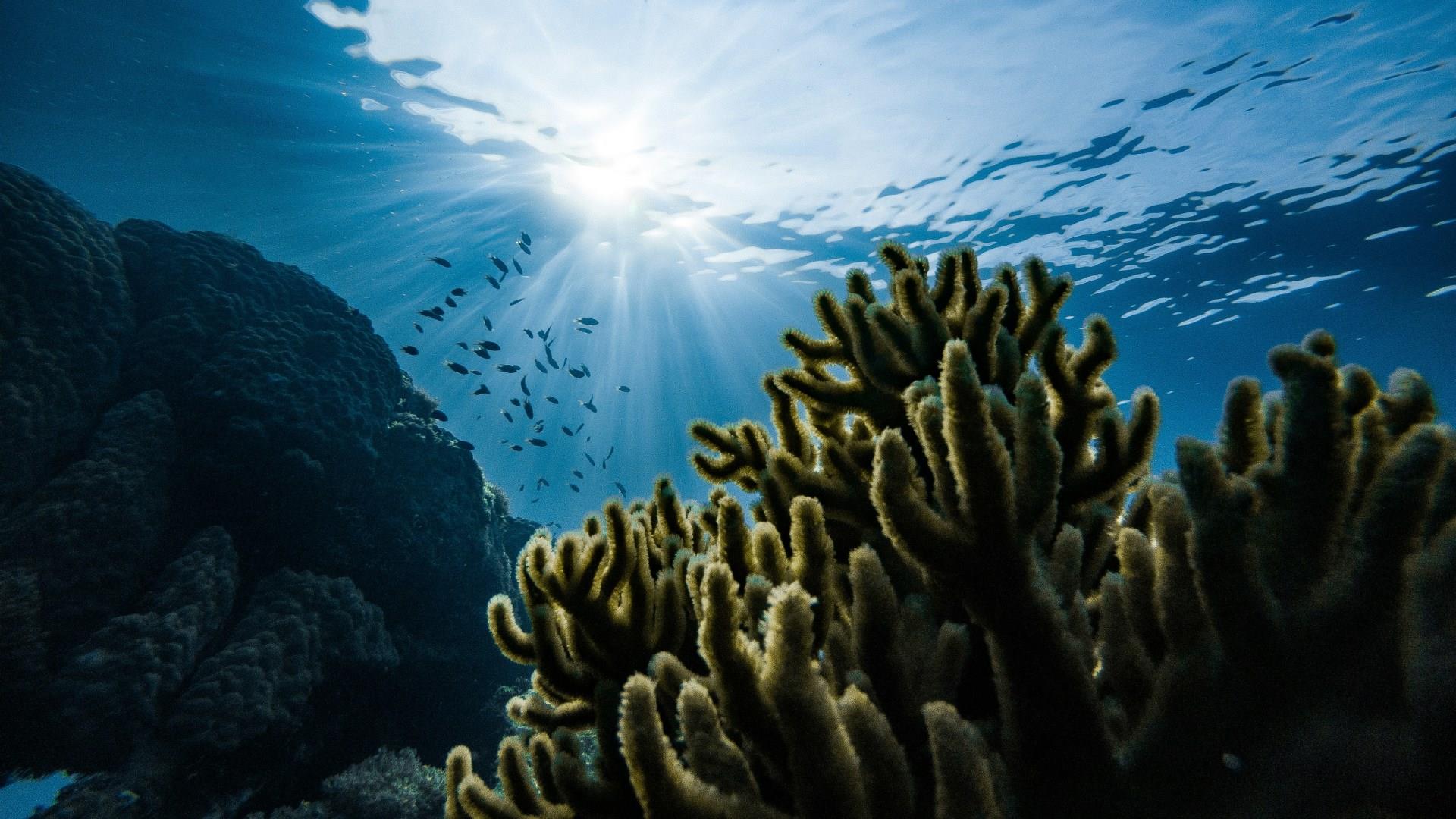
Chuuk, one of the four states of the Federated States of Micronesia, is best known for its vast lagoon which is one of the largest enclosed lagoons in the world. But what sets Chuuk apart is what lies beneath those calm blue waters: an entire underwater fleet of sunken warships, aircraft, and submarines left from World War II. Often called the "Ghost Fleet of Truk Lagoon," these wrecks make Chuuk a global destination for experienced divers.
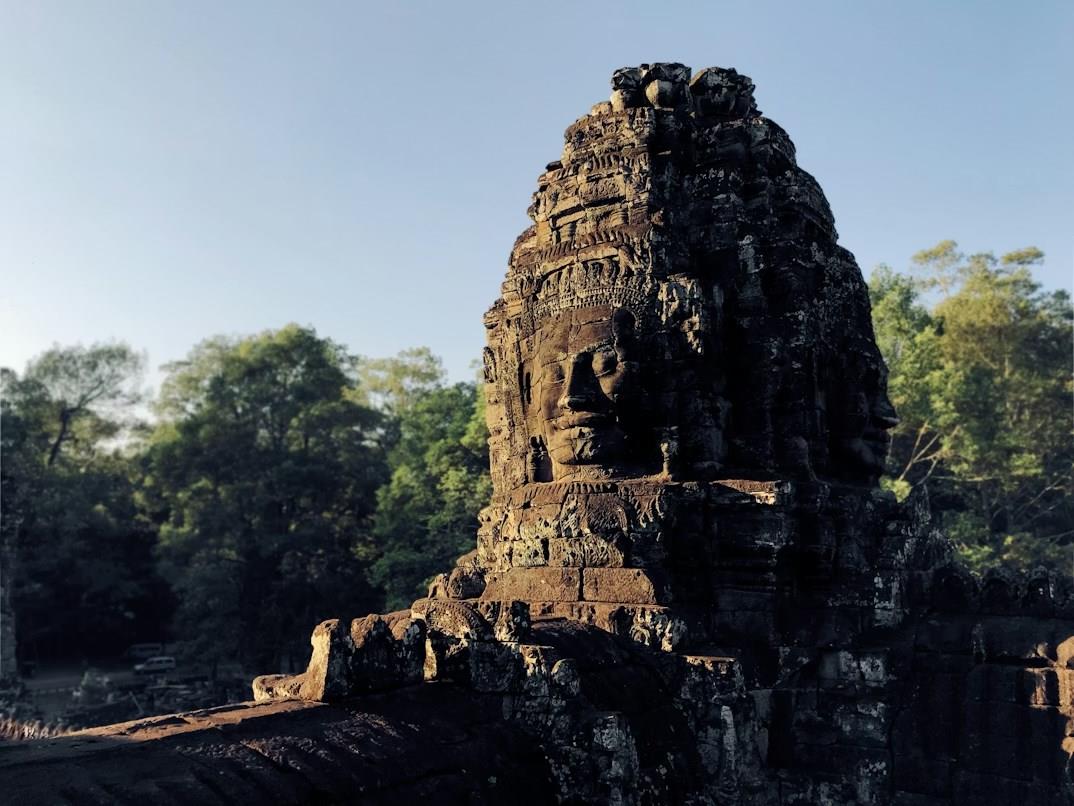
Angkor Thom was the last great capital of the Khmer Empire, established in the late 12th century under King Jayavarman VII in what is now northwestern Cambodia. Enclosed by massive stone walls and a wide moat, the city was designed as both a political center and a sacred landscape, symbolizing the cosmic order of the Khmer worldview.
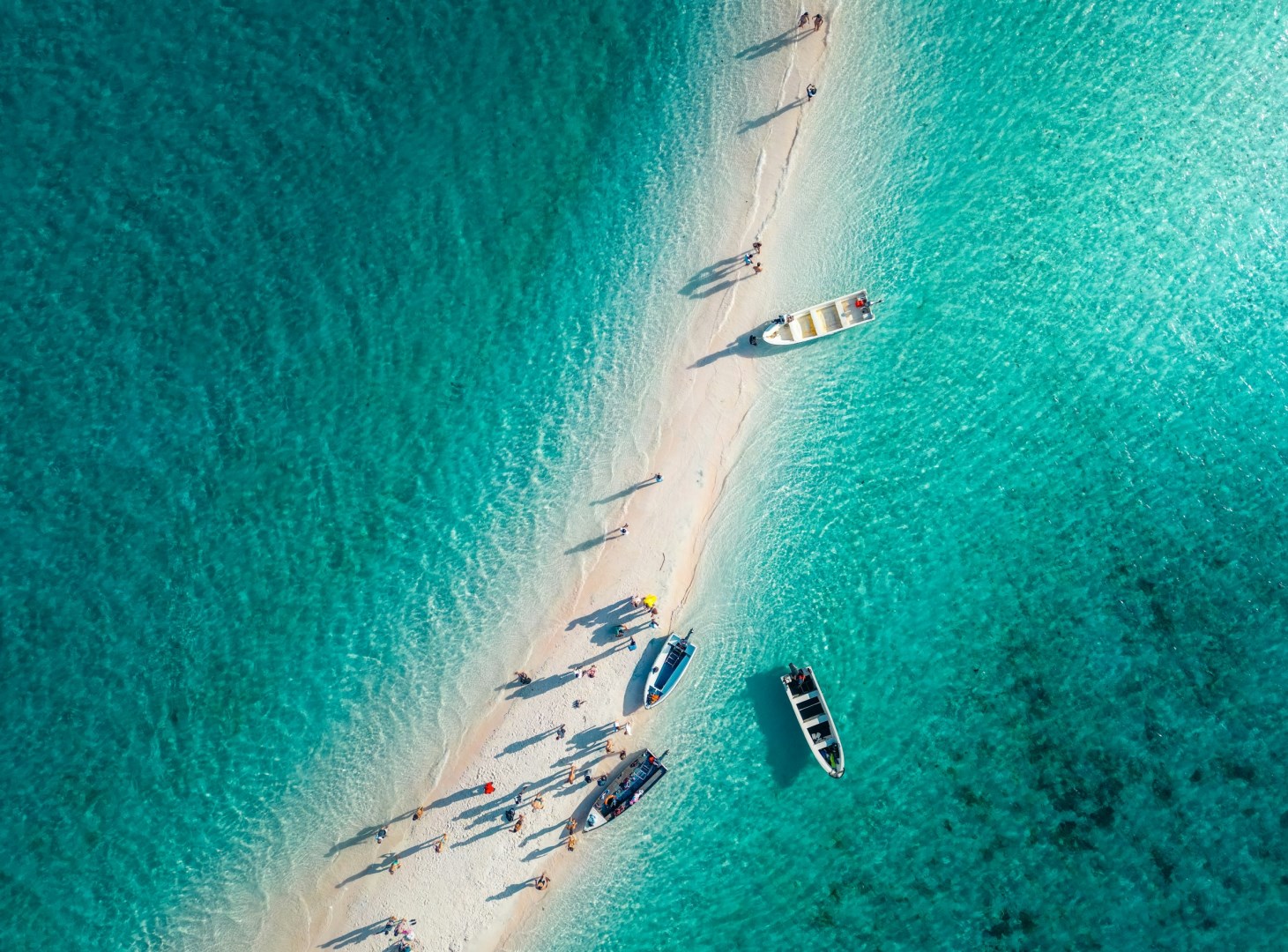
Komodo Island is famous for its Komodo dragons, the largest lizards in the world. These remarkable creatures, which can grow up to 10 feet long, roam freely on the island, offering visitors a rare chance to watch them in their natural environment.
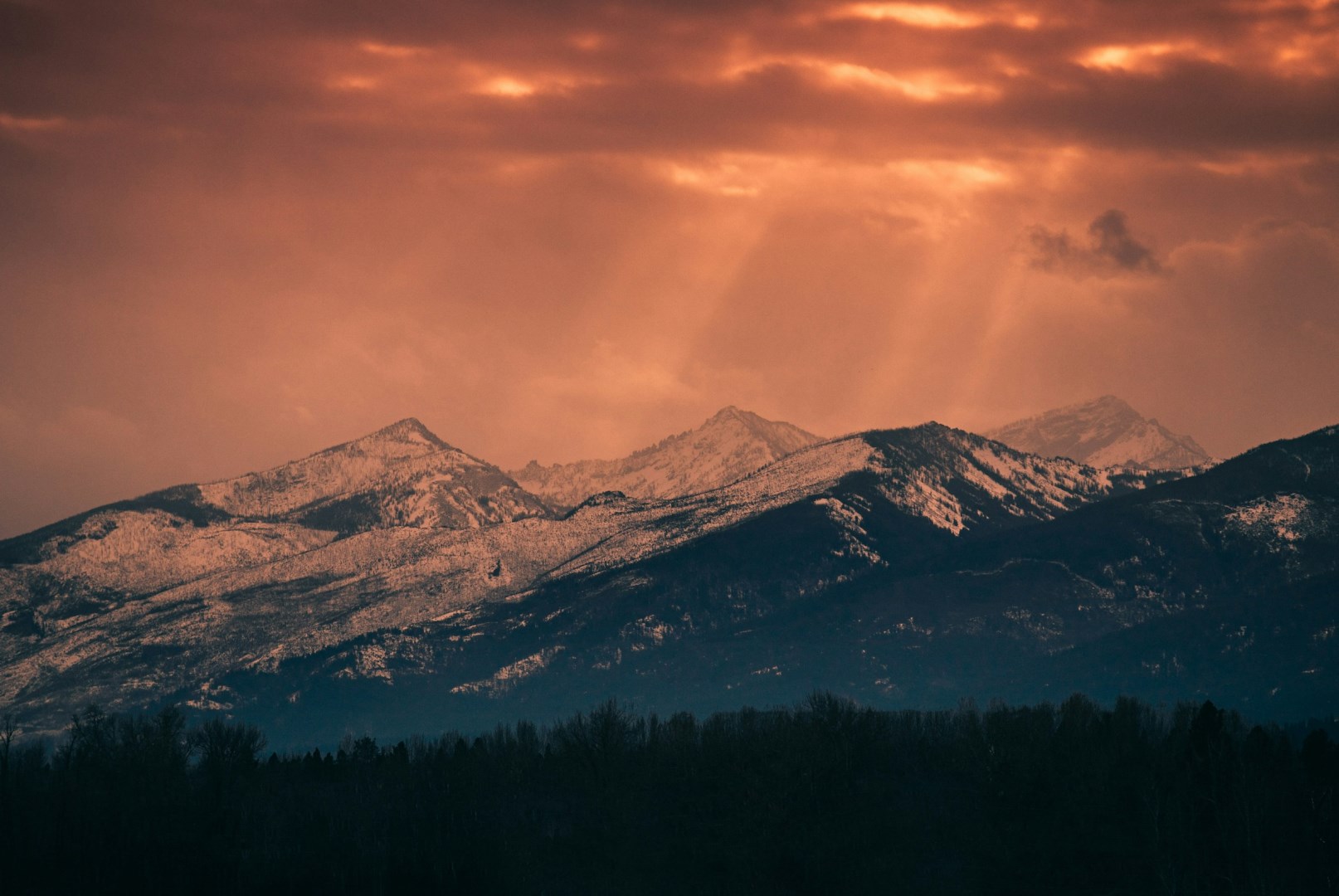
Missoula, nestled in western Montana’s scenic mountain valleys, is a lively city that blends outdoor adventure with a strong sense of community and culture. Founded as a 19th-century trading post and lumber town, Missoula has evolved into a hub for education, the arts, and nature, anchored by the University of Montana and surrounded by breathtaking wilderness.
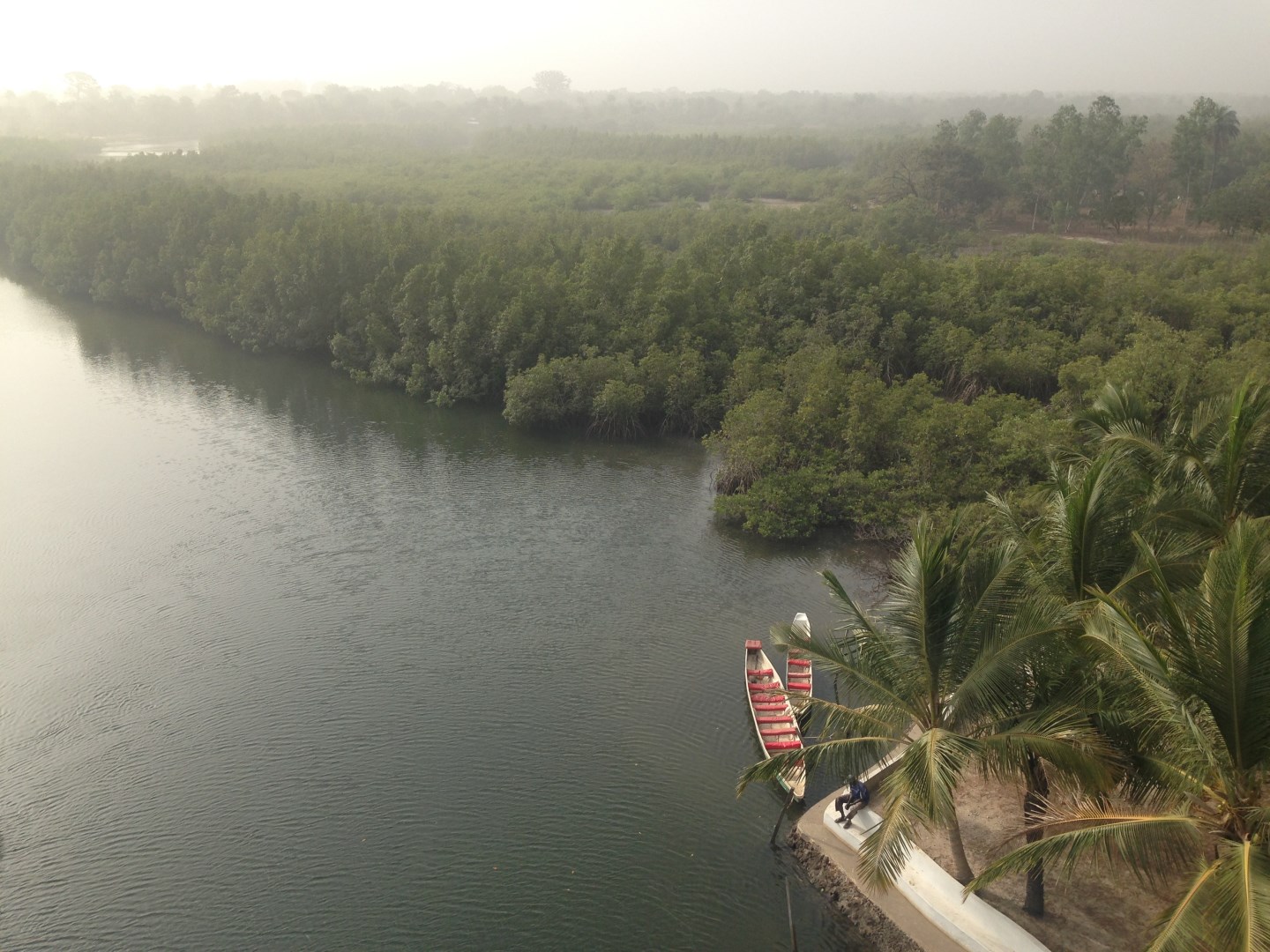
Traditional pirogues rest beside a mangrove-lined waterway in Makasutu Culture Forest.
Photo Credit: Mark Hodson Photos
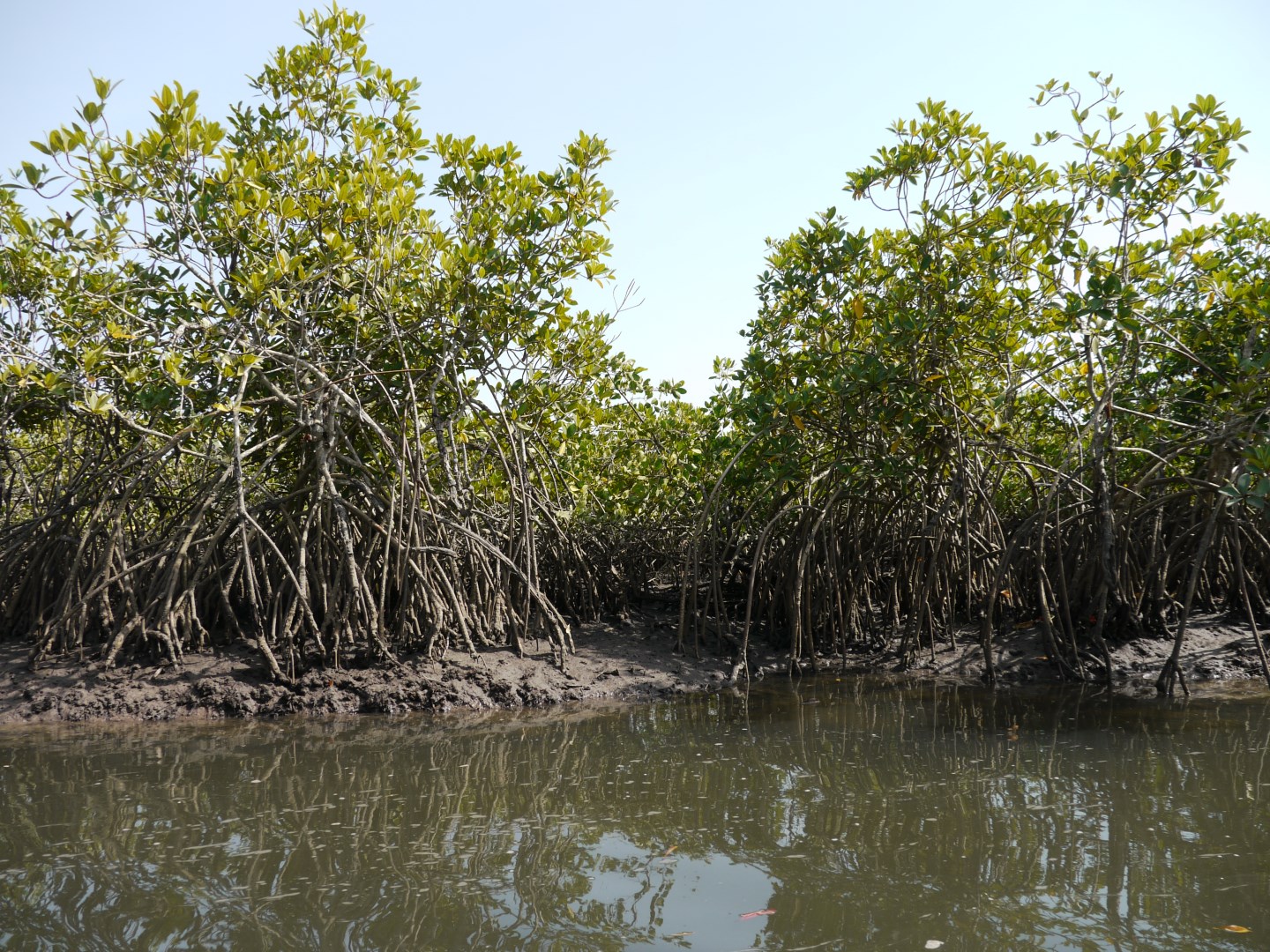
Dense mangrove roots line a tidal creek within Makasutu Culture Forest.
Photo Credit: Jan Kruithof/tjabeljan
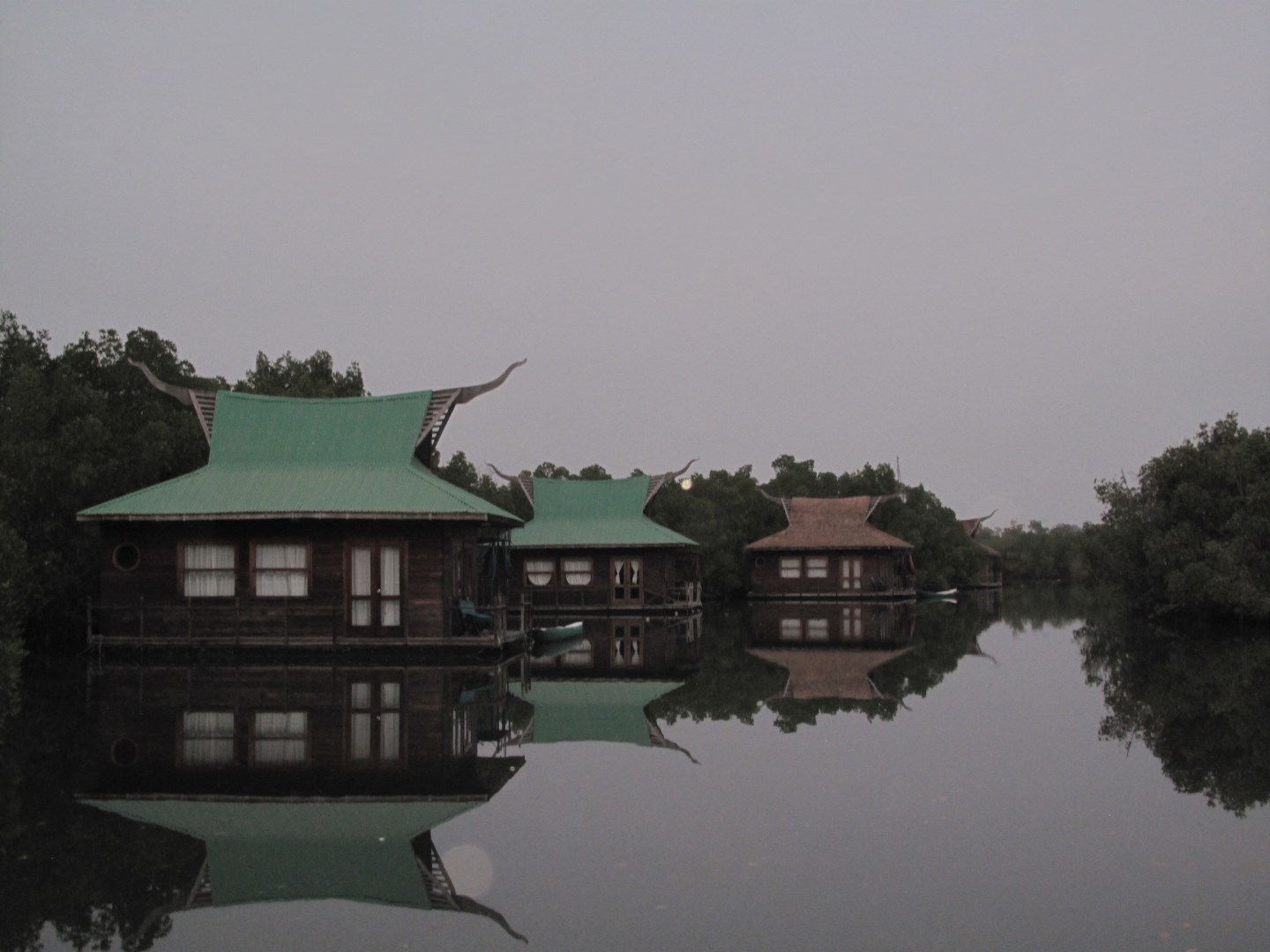
Floating lodges reflect in the still waters of Makasutu’s mangrove landscape at twilight.
Photo Credit: Forbes Johnston
Discover Makasutu Culture Forest, a privately managed nature reserve near Brikama where palm groves, hardwood woodland, savanna and mangrove-lined creeks form one of The Gambia’s most varied natural settings. Guided forest walks and peaceful canoe journeys offer opportunities to observe abundant birdlife and other wildlife, while local guides introduce visitors to traditional crafts, music, dance and palm-sap harvesting. Blending nature, culture and community, Makasutu provides an immersive look at the landscapes and traditions of The Gambia.
Other Popular Destinations in The Gambia
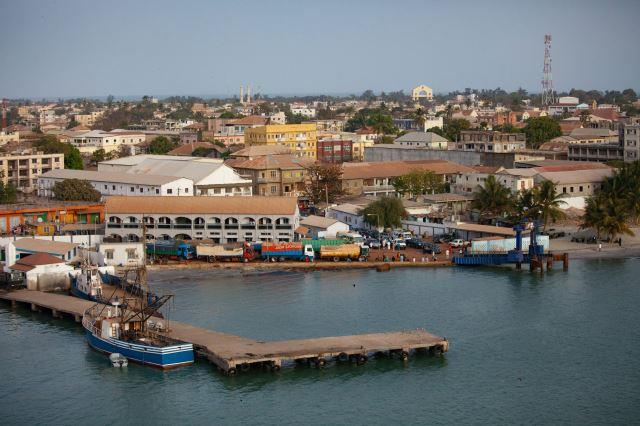
Banjul
Banjul, the capital of The Gambia, is located on St. Mary’s Island at the mouth of the Gambia River, giving it a unique waterfront setting.
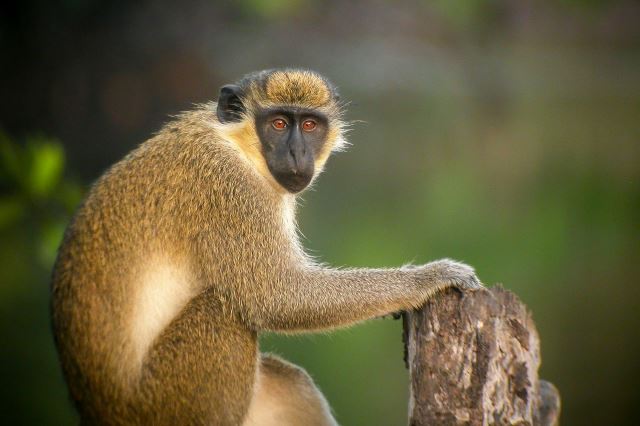
Tanjeh
Tanjeh, also known as Tanji, is a coastal fishing village in The Gambia’s West Coast Region, facing the Atlantic Ocean south of the main tourist area. The settlement is known for its working fishing beach, where traditional wooden pirogues bring in catches from the sea and fish are sorted, sold, smoked, or dried.