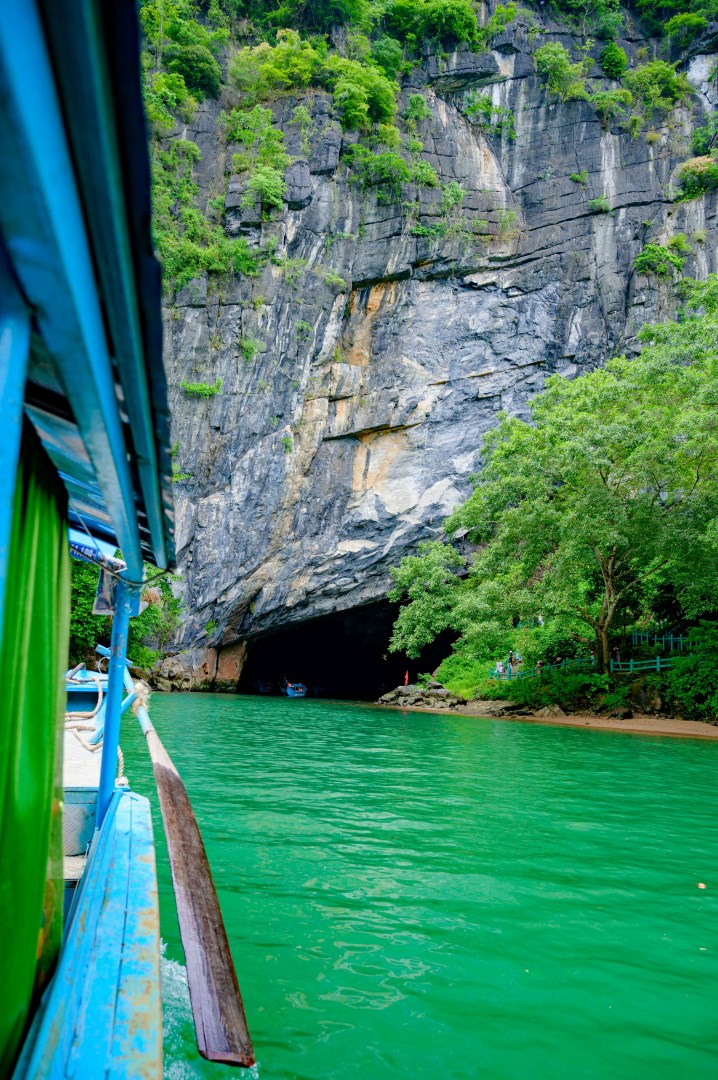
Kẻ Bàng National Park lies in central Vietnam, near the border with Laos, and is known for its vast network of limestone mountains and underground rivers. The park forms part of one of the oldest karst landscapes in Asia, shaped over millions of years into a maze of caves, cliffs, and dense forest. Among its most famous features is Sơn Đoòng Cave, recognized as the largest cave on Earth, with sections so vast that clouds can form inside and a jungle grows beneath its collapsed roof.
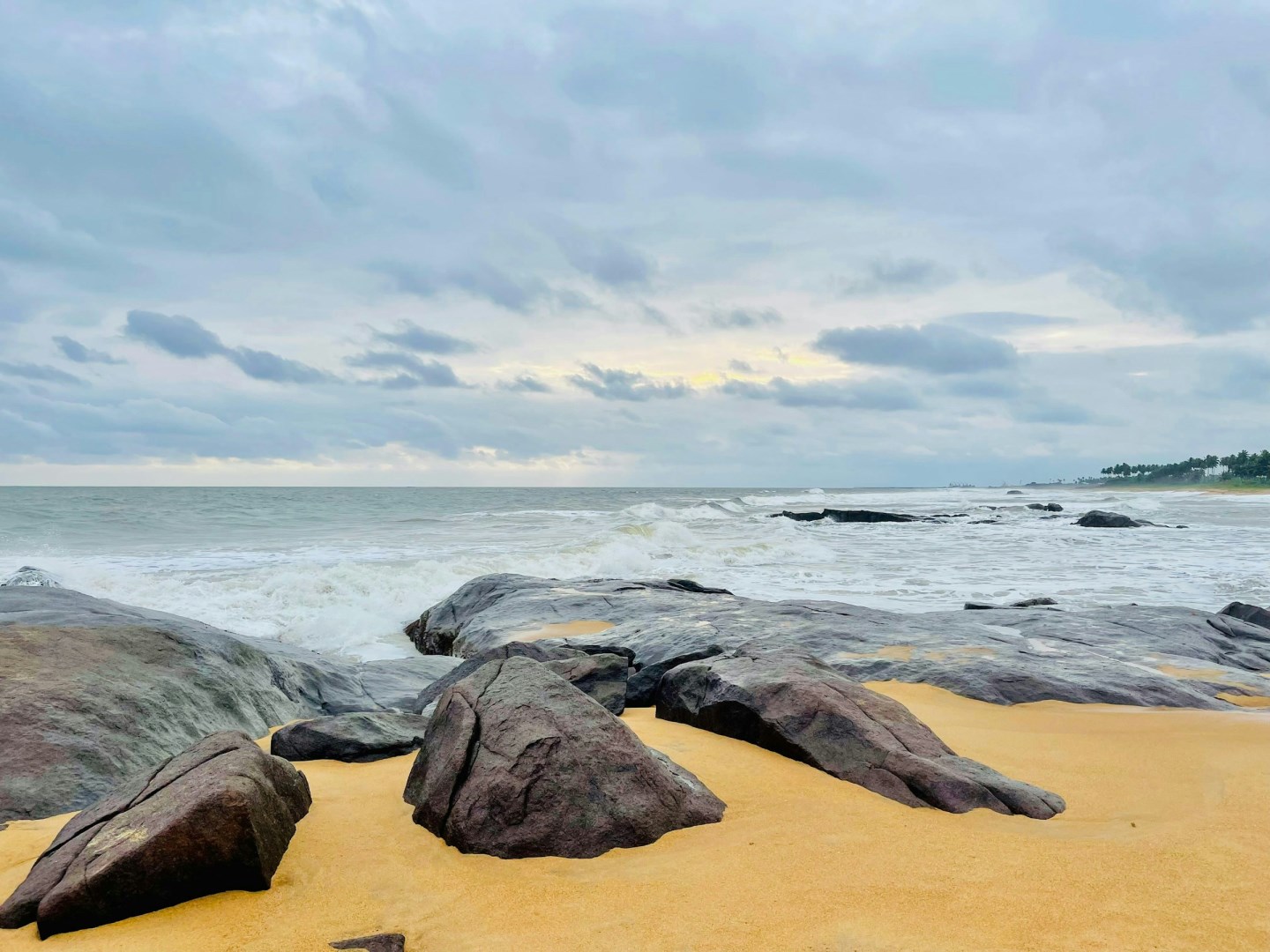
Liberia, republic in western Africa, bounded on the north by Sierra Leone and Guinea, on the east by Côte d'Ivoire, and on the south and west by the Atlantic Ocean. Liberia has an area of 99,067 sq. km (38,250 sq. mi.). Liberia was founded in the early 1800s by freed American slaves. Monrovia is the capital and largest city.
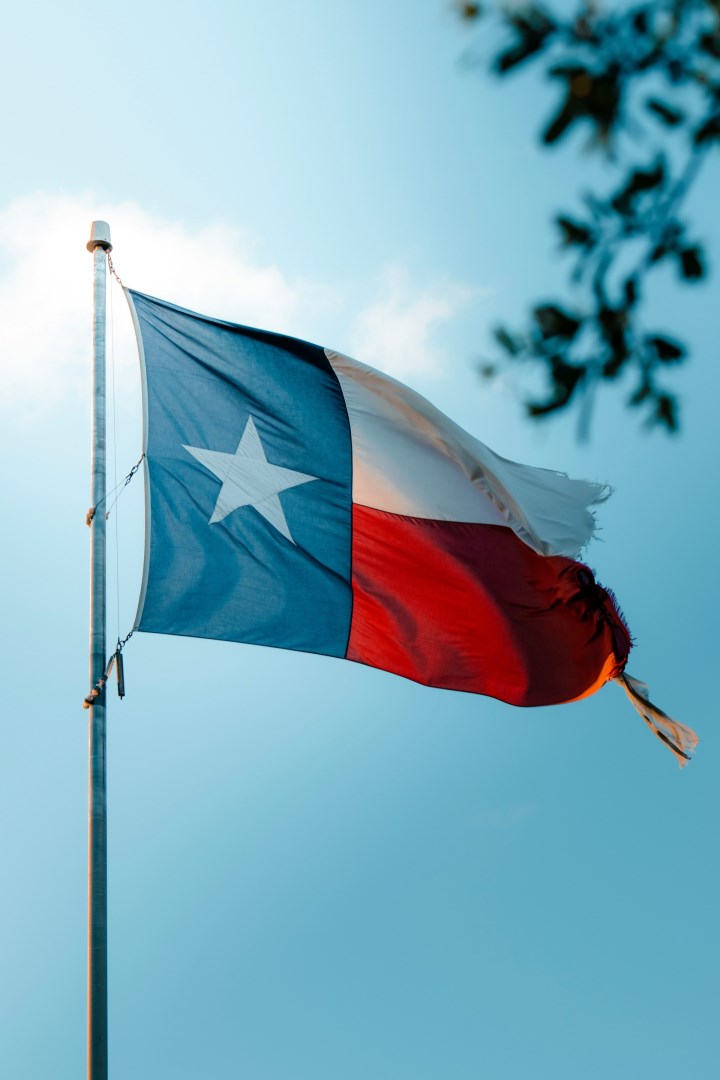
Texas is a state where size meets story from high plains to coastal shores, every region brings something distinct to the table. In San Antonio, visitors can walk through centuries of layered history starting at the Alamo, a site of one of the most famous battles in the state’s fight for independence. The nearby San Antonio Missions, a UNESCO World Heritage Site, offers a deeper look into the Spanish colonial influence that shaped the region.
Papua New Guinea is a land of surprises, where misty highlands give way to tropical coasts and vibrant festivals stir every sense. In the Highlands, the air carries the echoes of ceremonial drums and elaborate sing‑sings like the famed Goroka Show, where over 100 tribes gather in September to perform dances adorned with feathered headdresses, body paint, and the haunting clay masks of the Asaro Mudmen.
Chania, the jewel of western Crete, is a city where history, culture, and natural beauty converge to create a captivating experience. Known for its Venetian harbor, Chania boasts a unique blend of Venetian, Ottoman, and Greek influences. The harbor's old lighthouse, built in the 16th century by the Venetians, stands as a timeless sentinel over the bustling waterfront, which is lined with colorful buildings, inviting cafes, and vibrant tavernas.
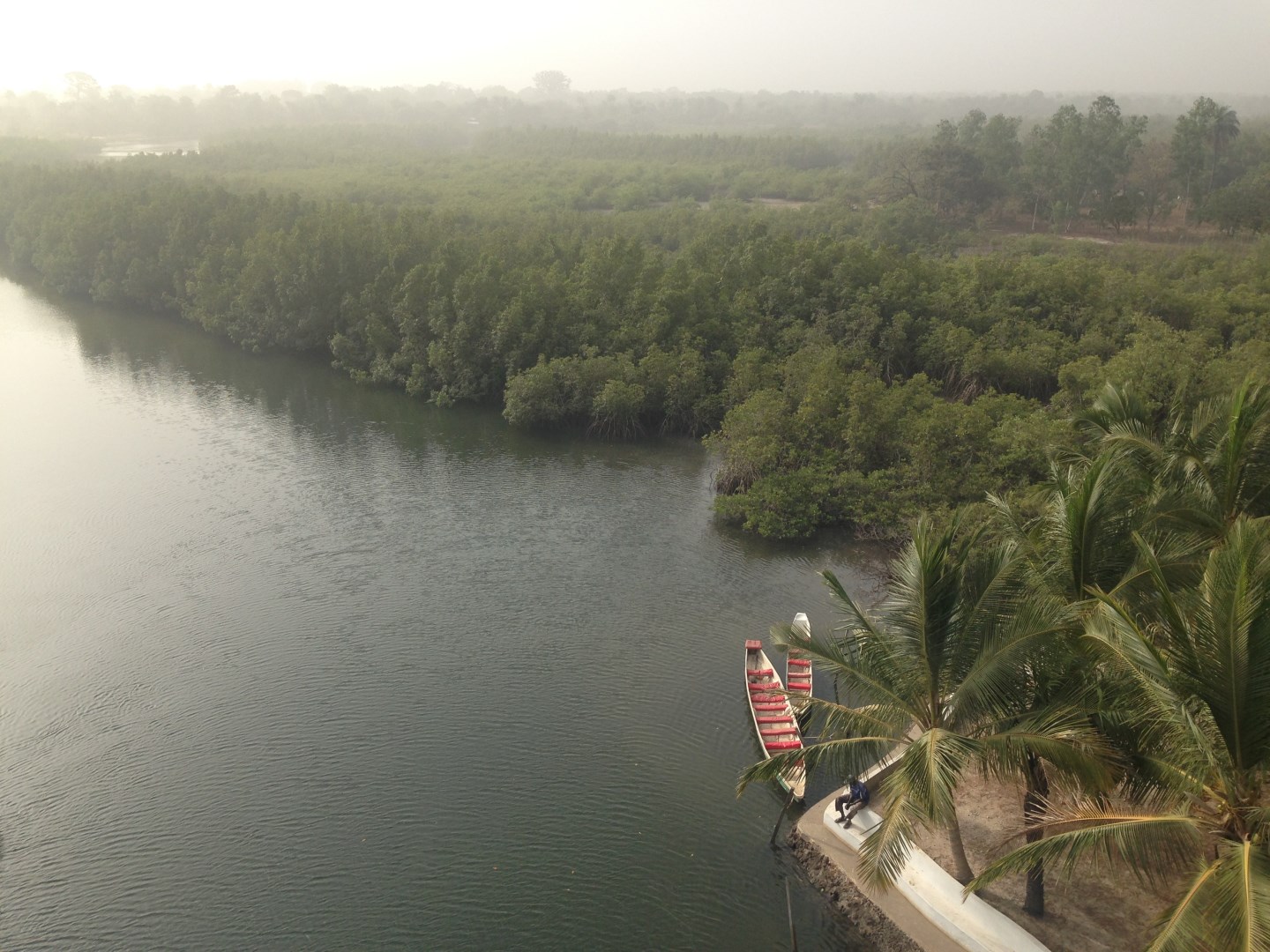
Traditional pirogues rest beside a mangrove-lined waterway in Makasutu Culture Forest.
Photo Credit: Mark Hodson Photos
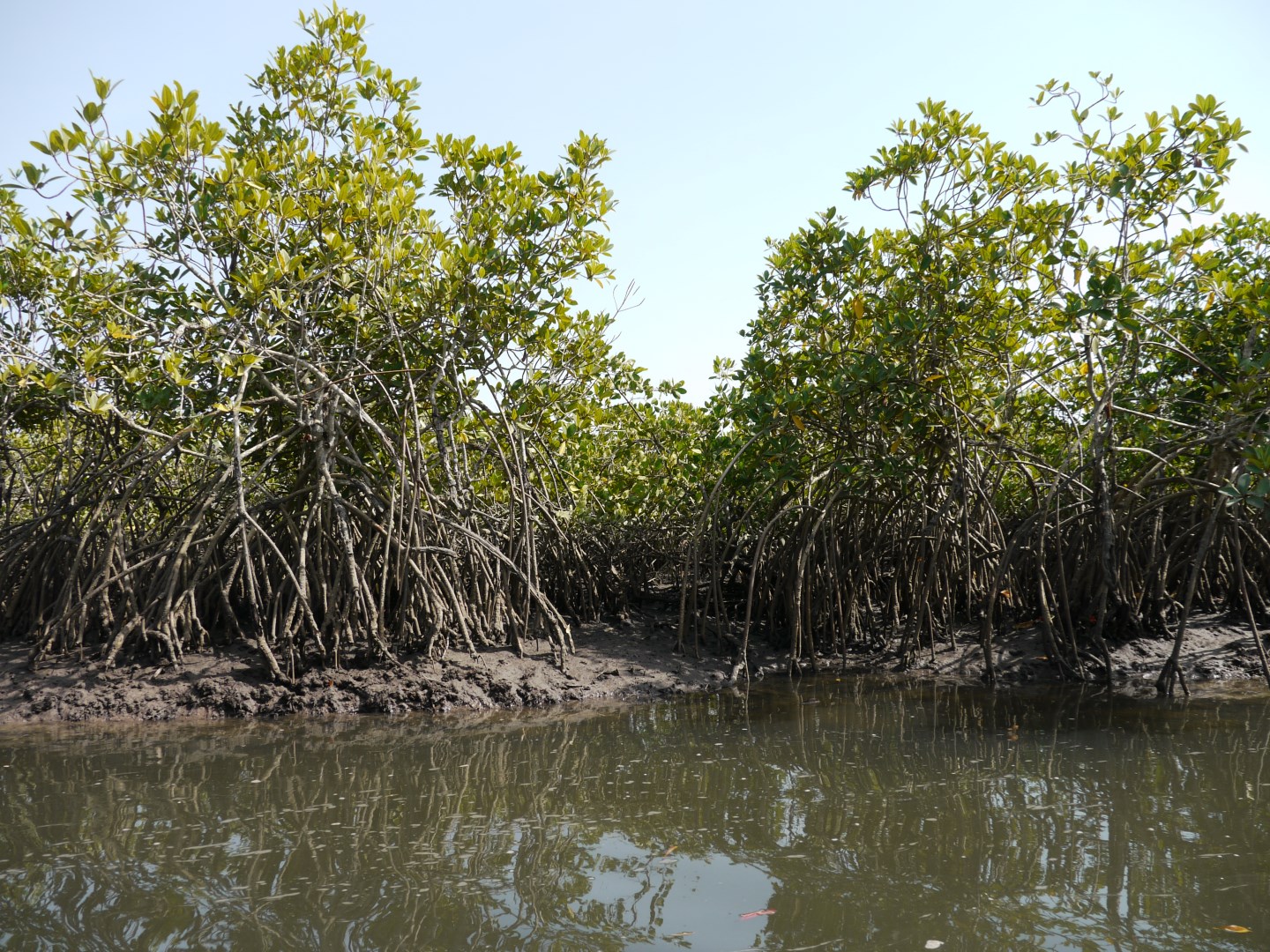
Dense mangrove roots line a tidal creek within Makasutu Culture Forest.
Photo Credit: Jan Kruithof/tjabeljan
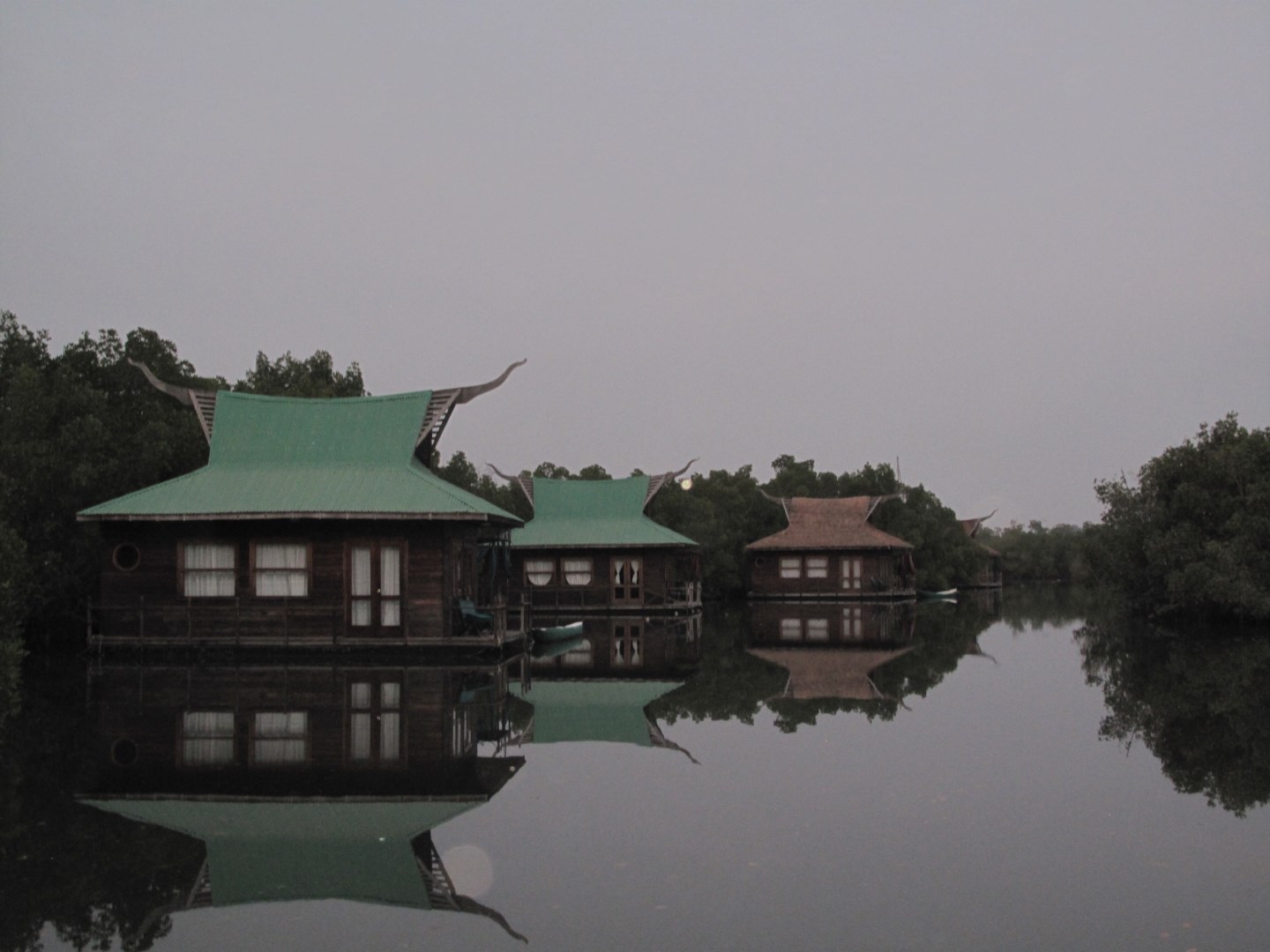
Floating lodges reflect in the still waters of Makasutu’s mangrove landscape at twilight.
Photo Credit: Forbes Johnston
Discover Makasutu Culture Forest, a privately managed nature reserve near Brikama where palm groves, hardwood woodland, savanna and mangrove-lined creeks form one of The Gambia’s most varied natural settings. Guided forest walks and peaceful canoe journeys offer opportunities to observe abundant birdlife and other wildlife, while local guides introduce visitors to traditional crafts, music, dance and palm-sap harvesting. Blending nature, culture and community, Makasutu provides an immersive look at the landscapes and traditions of The Gambia.
Other Popular Destinations in The Gambia
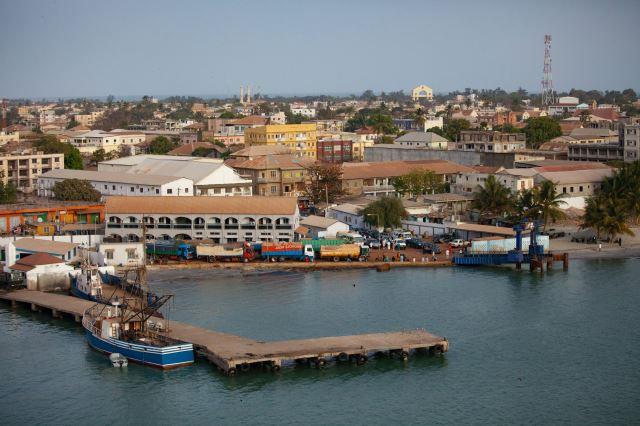
Banjul
Banjul, the capital of The Gambia, is located on St. Mary’s Island at the mouth of the Gambia River, giving it a unique waterfront setting.
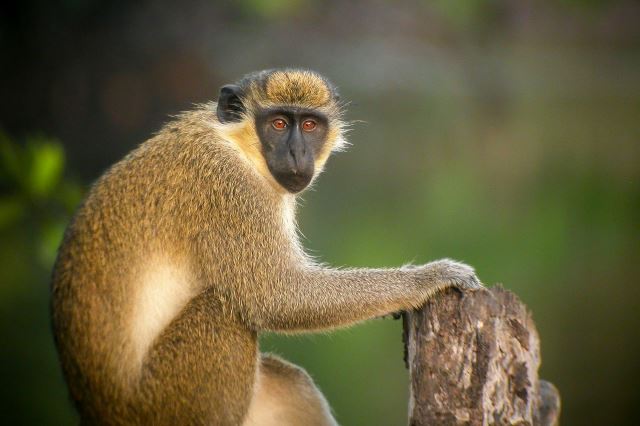
Tanjeh
Tanjeh, also known as Tanji, is a coastal fishing village in The Gambia’s West Coast Region, facing the Atlantic Ocean south of the main tourist area. The settlement is known for its working fishing beach, where traditional wooden pirogues bring in catches from the sea and fish are sorted, sold, smoked, or dried.