


Russia & Northwest Asia | Uzbekistan | Kokand
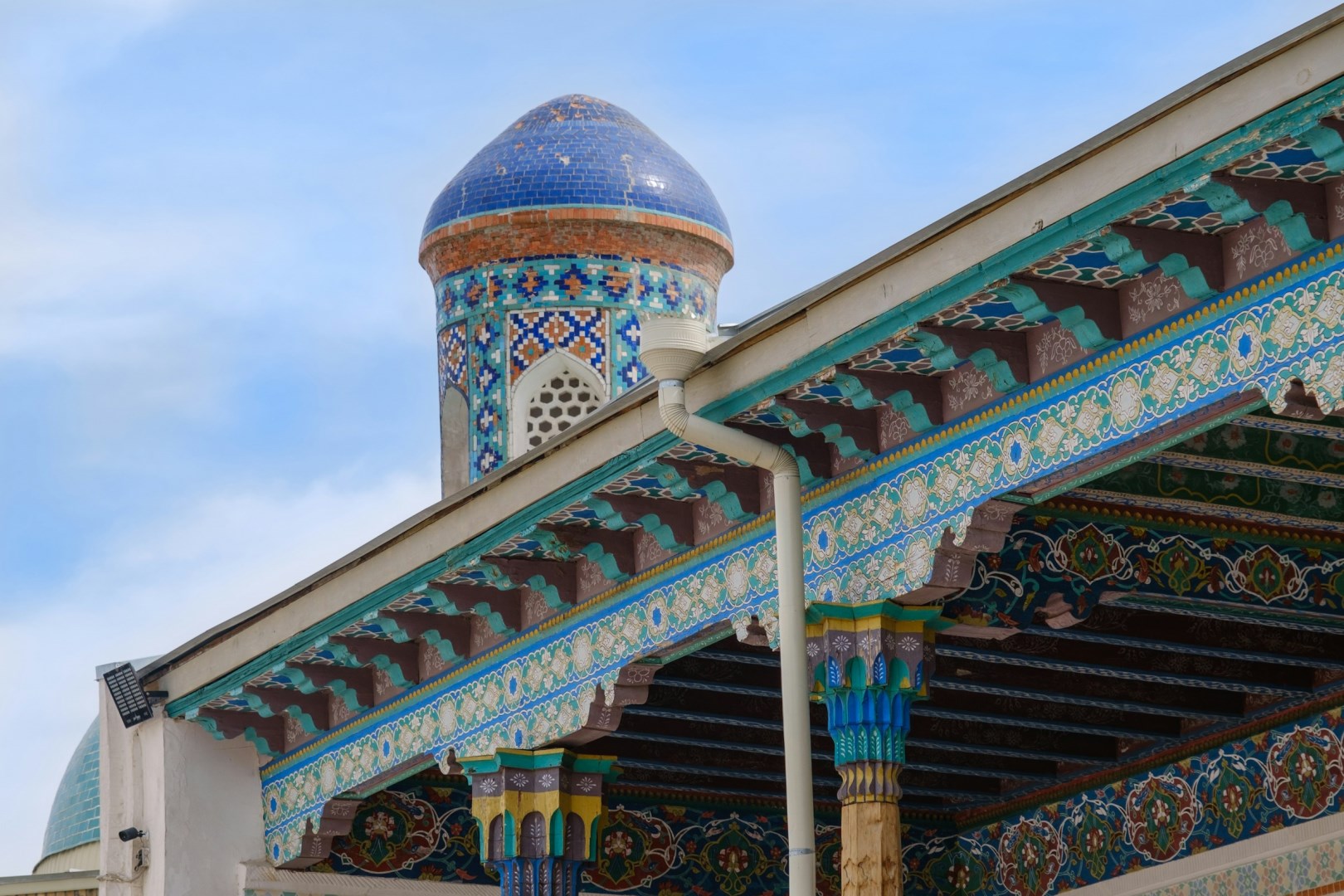
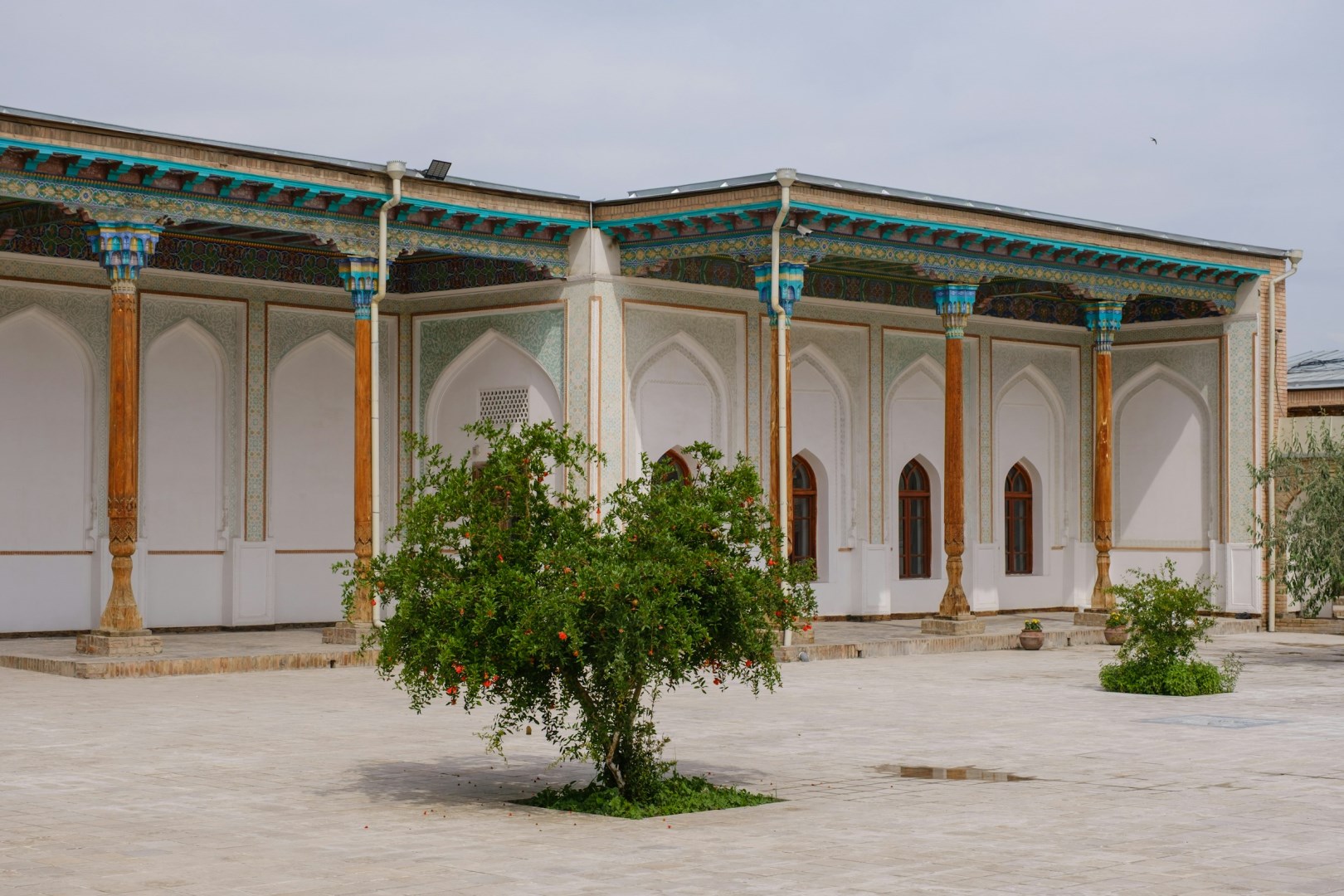
Kokand is a historic city in the eastern part of Uzbekistan’s Fergana Valley, known for its connection with the former Kokand Khanate and its long tradition of trade, scholarship, and craftsmanship. The city developed as an important center along regional routes linking the Fergana Valley with other parts of Central Asia. Today, Kokand combines broad streets and modern neighborhoods with mosques, madrasas, mausoleums, and palace architecture. Its identity is also closely tied to traditional handicrafts, particularly wood carving, ceramics, embroidery, and other decorative arts practiced by local artisans.
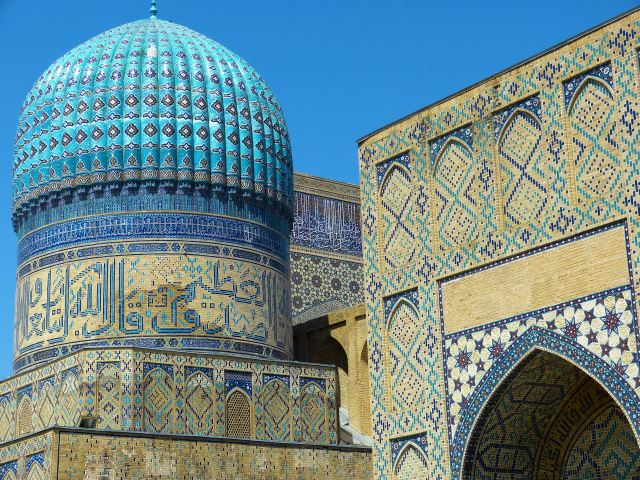
Kokand’s cultural heritage is especially visible in its religious and architectural monuments. The Jami Mosque, built under the rule of Umar Khan, is distinguished by a large courtyard surrounded by a covered veranda supported by 98 carved wooden columns. Nearby, the Madari Khan Mausoleum and Dakhma-i-Shahan, the burial complex associated with the rulers of the Kokand Khanate, provide further examples of local architecture and decorative craftsmanship. Norbut-biy Madrasah is another important landmark, reflecting Kokand’s former role as a center of Islamic learning and scholarship.
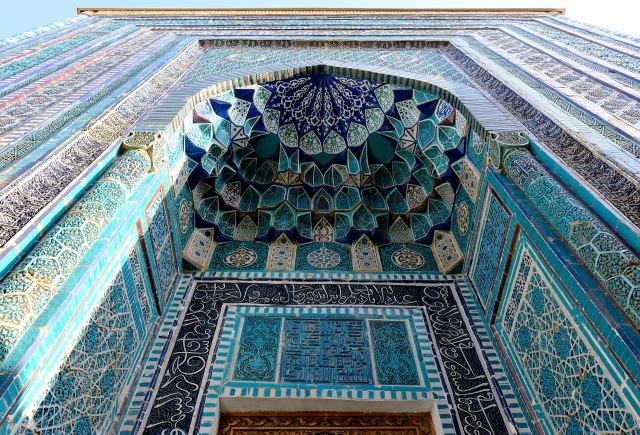
The city’s most recognizable landmark is the Khudoyar Khan Palace, also known as the Kokand Urda. The palace originally covered a large complex with numerous rooms and courtyards, while the surviving section contains a local history museum. Its facade is decorated with colorful glazed tiles, carved details, and geometric patterns, with craftsmanship from Kokand and the nearby ceramic-producing center of Rishtan represented in its decoration. Kokand’s historic center is currently included on Uzbekistan’s UNESCO Tentative List, recognizing the concentration of cultural monuments associated with the city.
Kokand is also known as a center of traditional craftsmanship, with workshops producing carved wooden objects, ceramics, embroidered textiles, and other handmade goods. The city’s connection with Rishtan, a major ceramic center in the Fergana Valley, is reflected in the decorative work found on historic buildings. Local cuisine follows the culinary traditions of the Fergana Valley, with dishes such as plov, manti, and fresh bread commonly found in markets and eateries. These food traditions, together with its palace, mosques, workshops, and historic educational institutions, give Kokand a distinct cultural character within Uzbekistan.
Other Popular Destinations in Uzbekistan