





Great Wall
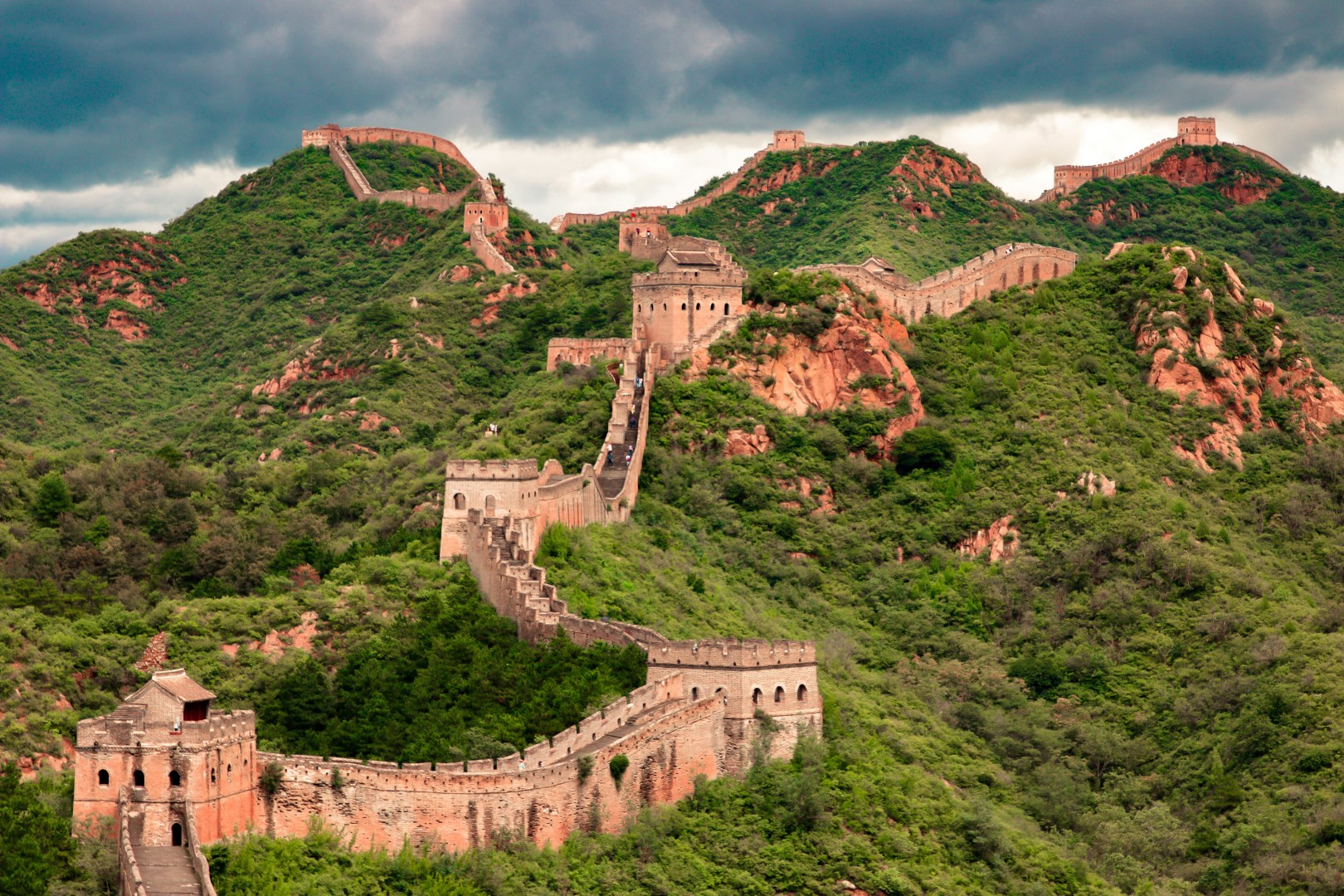
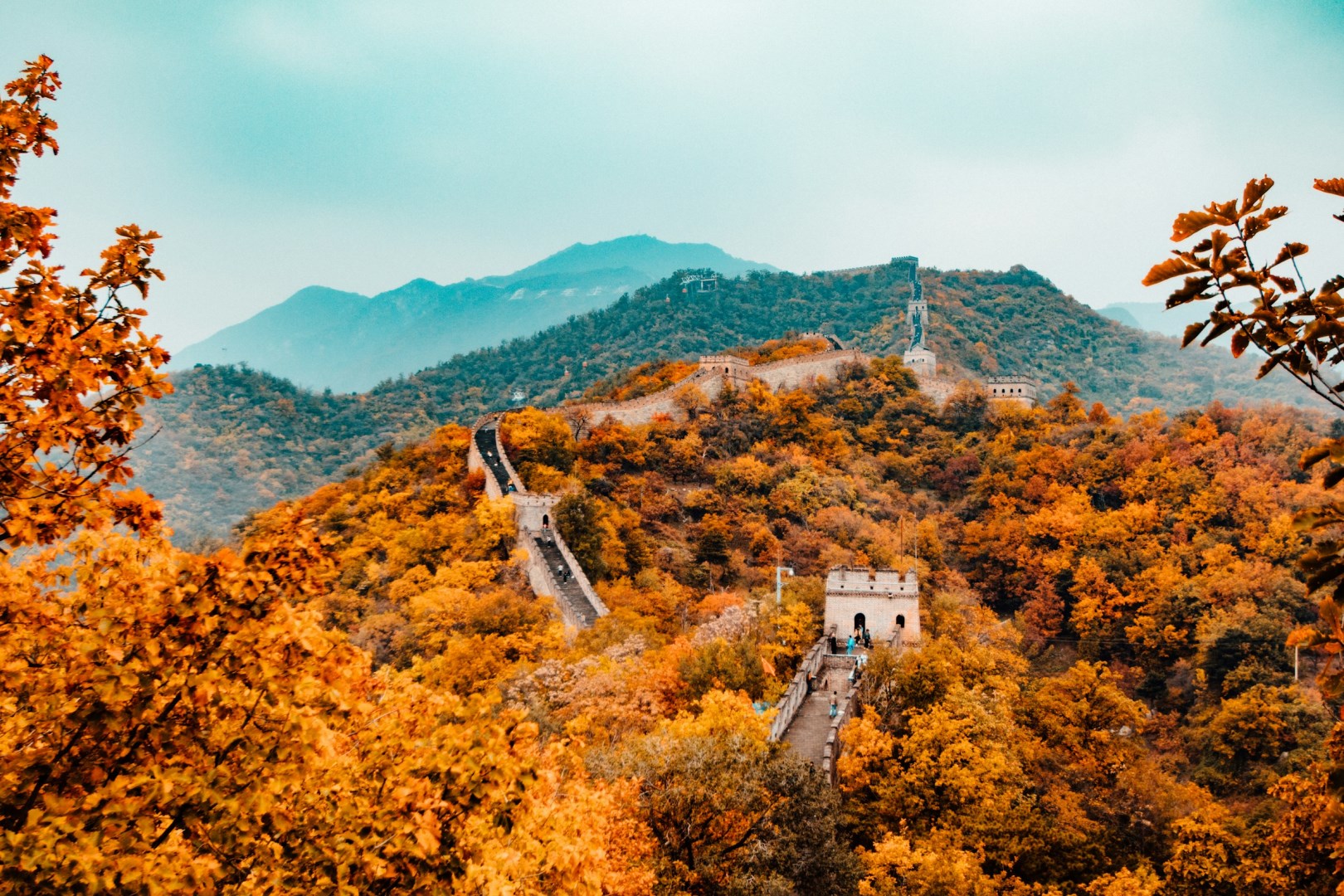

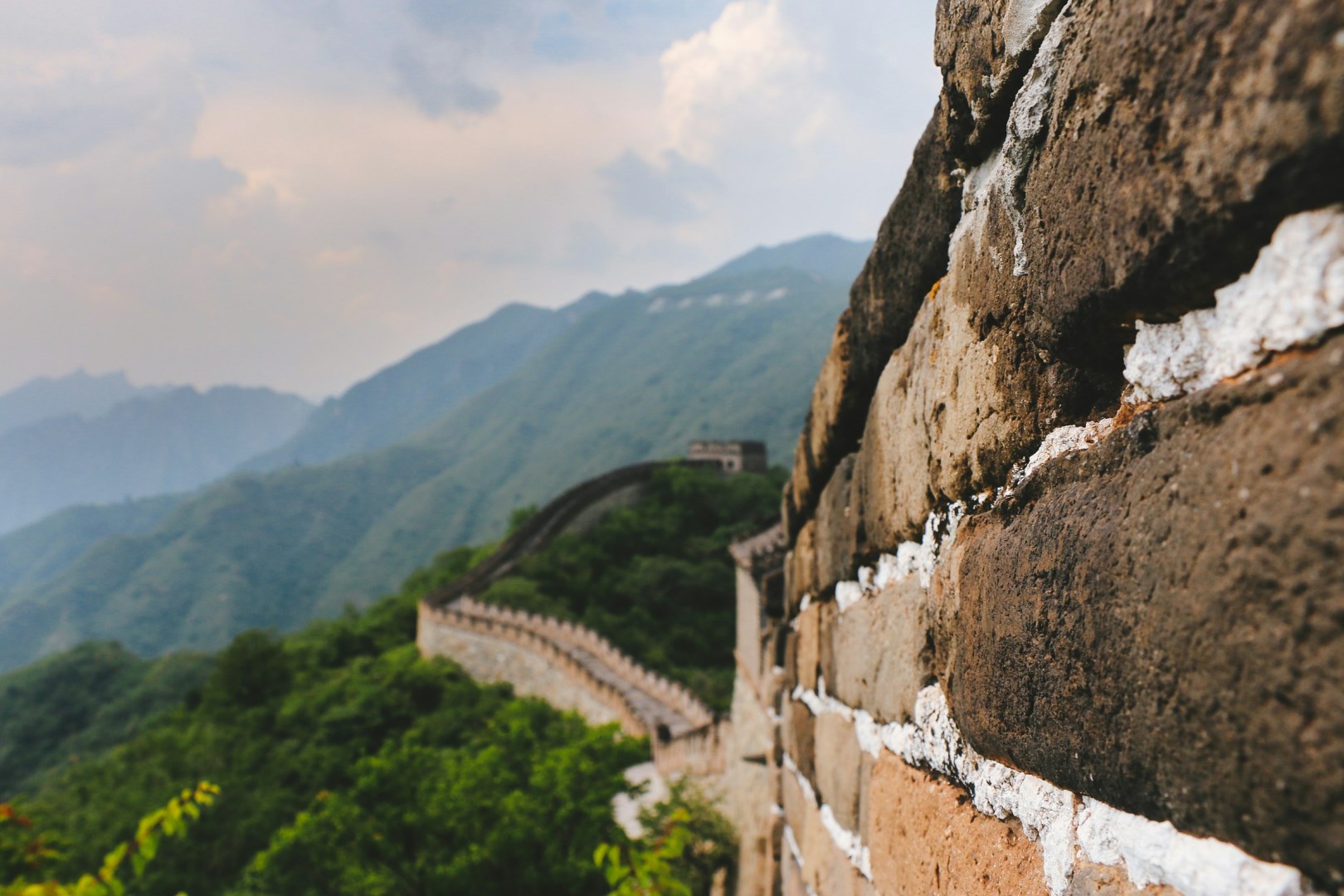
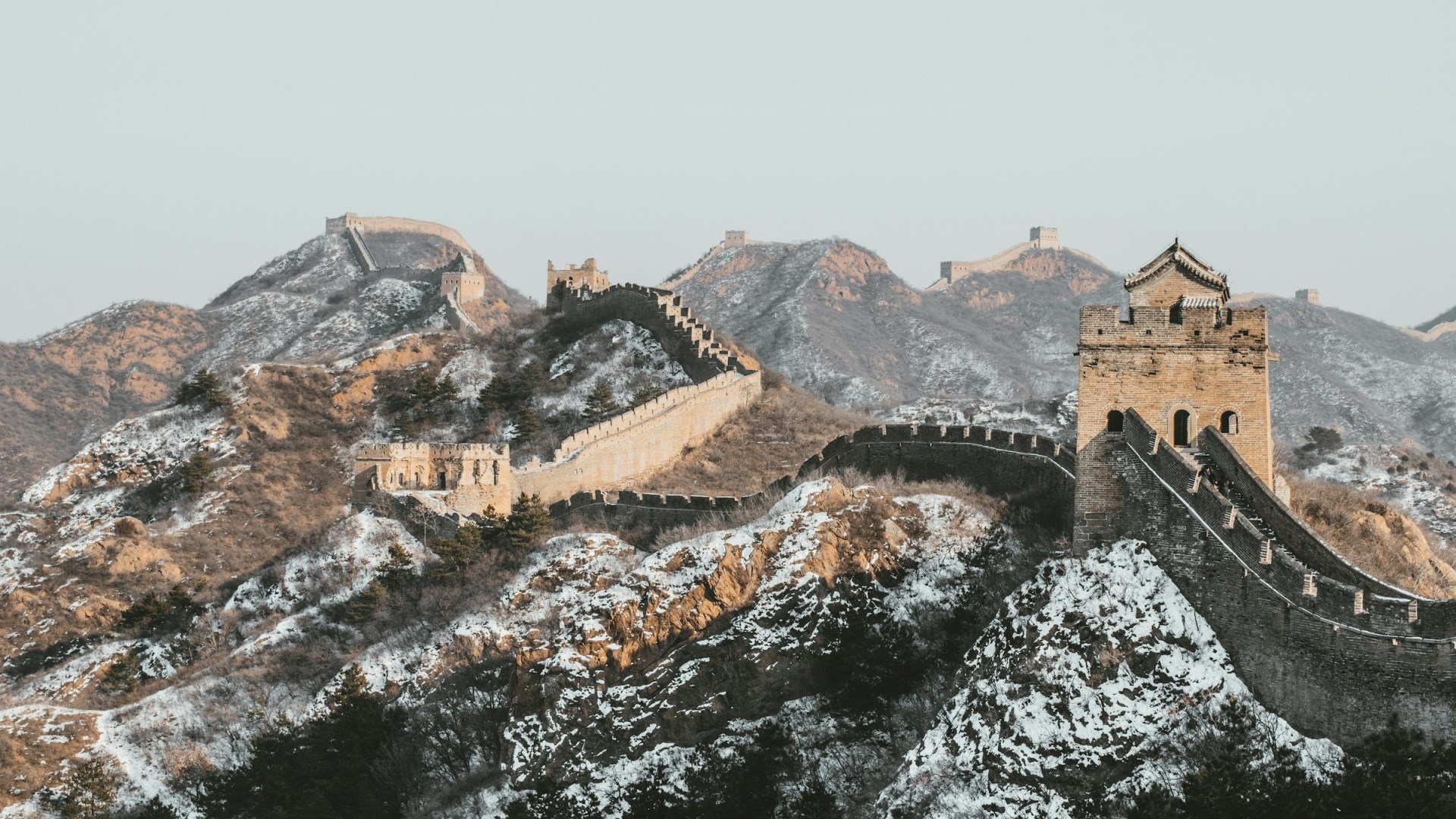



The Great Wall of China stretches across mountains, deserts, and grasslands, forming one of the most striking man-made landmarks in the world. Rather than a single continuous wall, it is a network of sections built with stone, brick, and packed earth, each shaped by the landscape it crosses. In areas near Beijing, such as Mutianyu, the wall winds along forested ridges, offering sweeping views that change with the seasons. Visitors often notice how the structure follows the natural rise and fall of the land, creating a path that feels both purposeful and dramatic.
Walking along the wall reveals details that go beyond its scale. Watchtowers appear at regular intervals, once used to send signals across long distances using smoke or fire. Some sections remain carefully restored, with smooth քայլways and sturdy railings, while others, like Jiankou, are left in a more rugged state, where broken steps and steep climbs give a sense of how time has shaped the structure. These contrasts allow visitors to choose between easier access and a more adventurous route.
There are also lesser-known details that make the visit memorable. Contrary to a common myth, the wall cannot be seen from the moon with the naked eye, but its scale is still impressive when viewed from nearby hills or aerial viewpoints. In some remote sections, original markings left by workers can still be found on bricks, offering a quiet reminder of the many hands involved in its construction. Seasonal changes bring different experiences, from green hills in warmer months to snow-covered stones that highlight the wall’s lines and curves.
