



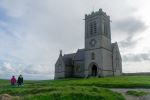
Lundy is a small granite island in the Bristol Channel, about 12 miles off the coast of North Devon. Roughly three miles long and half a mile wide, it has a rugged western coastline of cliffs and a more sheltered eastern side with grassy slopes and Landing Bay. The island is owned by the National Trust and managed by the Landmark Trust, with a small resident community and no cars. Its remote position has preserved a distinctive landscape of open moorland, rocky shores, historic buildings, and coastal paths, giving Lundy a character quite different from mainland Devon.
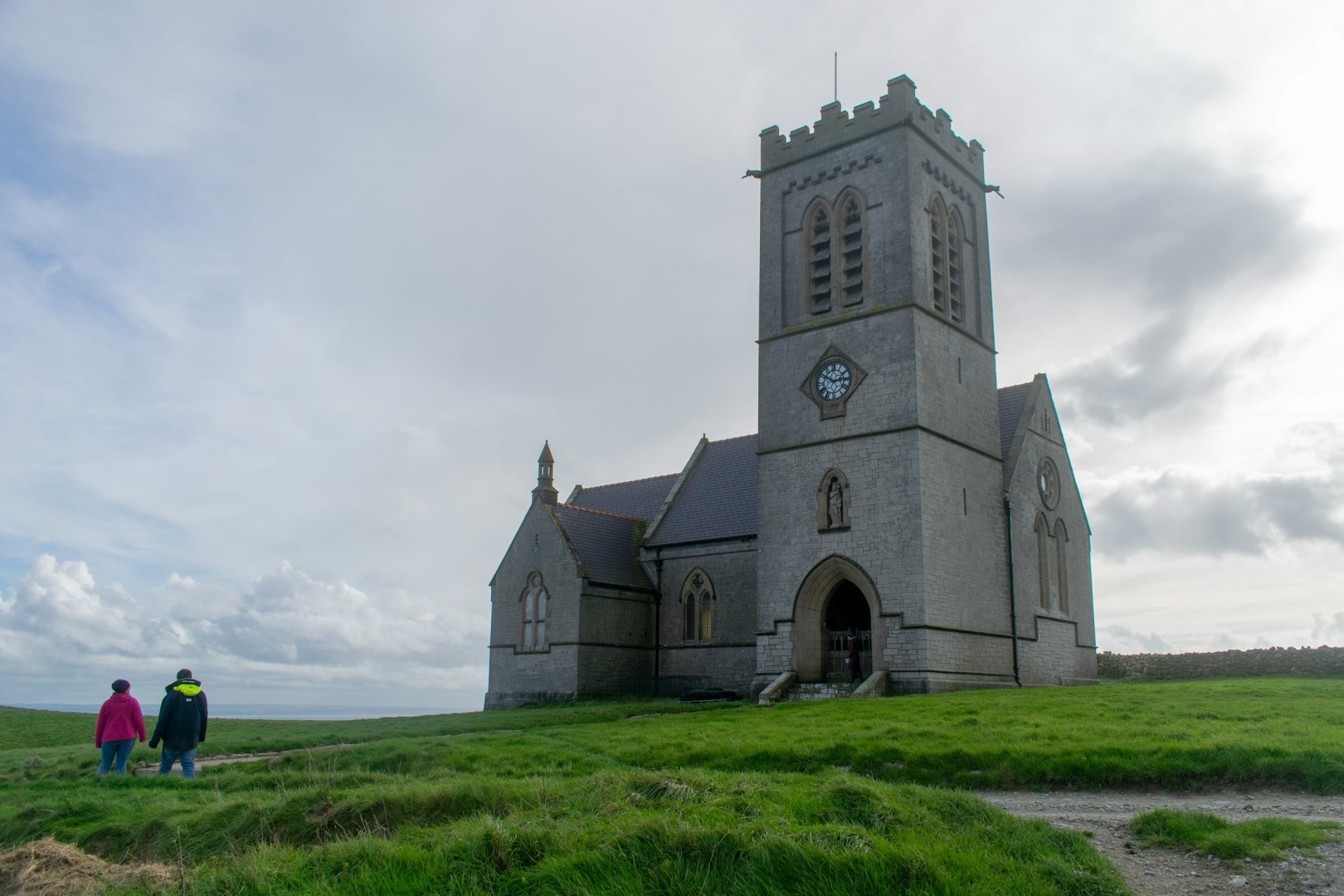
Lundy has a long and varied human history, with archaeological evidence including prehistoric settlements, burial sites, and early Christian memorial stones. Its best-known historic building is Marisco Castle, a medieval fortress overlooking the southern end of the island. Other landmarks include the Old Light lighthouse, St Helen’s Church, and remnants of former military and agricultural buildings. The island also has a colorful history involving the de Marisco family, piracy, smuggling, and private ownership. Today, its heritage is managed alongside conservation, with many historic buildings adapted for accommodation and community use.
The island’s cliffs and surrounding waters support an unusually diverse range of wildlife. Lundy is particularly known for puffins, Manx shearwaters, guillemots, kittiwakes, and razorbills, which nest along the coastal cliffs. Grey seals can be seen around the shoreline, while the surrounding marine environment supports kelp forests, reefs, fish, and other species. Lundy’s waters form a protected Marine Conservation Zone, making the island an important site for diving and marine research. Walking trails cross the island and lead to viewpoints such as the Old Light, Jenny’s Cove, and the northern coastline.
Lundy has only a small range of food facilities, reflecting its remote location and limited permanent population. The Marisco Tavern serves as the island’s pub and social center, providing meals and refreshments for residents and visitors. Supplies are brought to the island by the MS Oldenburg, which also carries most day visitors from the mainland when sea conditions allow. Overnight accommodation includes historic cottages and other restored buildings managed by the Landmark Trust. One unusual aspect of Lundy is its private postal tradition, while its name itself comes from Old Norse and means “Puffin Island,” linking the island’s identity directly with its most famous seabird.
Other Popular Destinations in England


