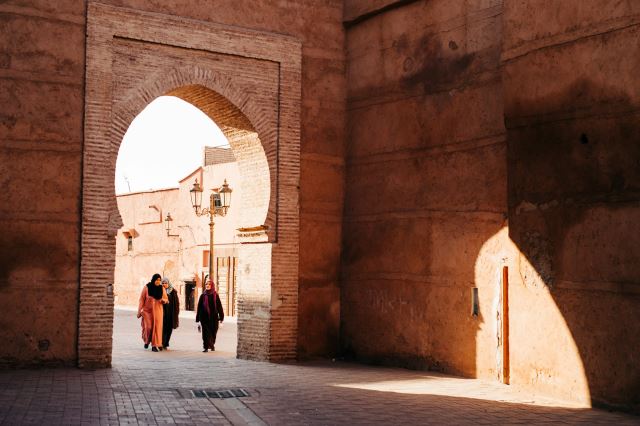


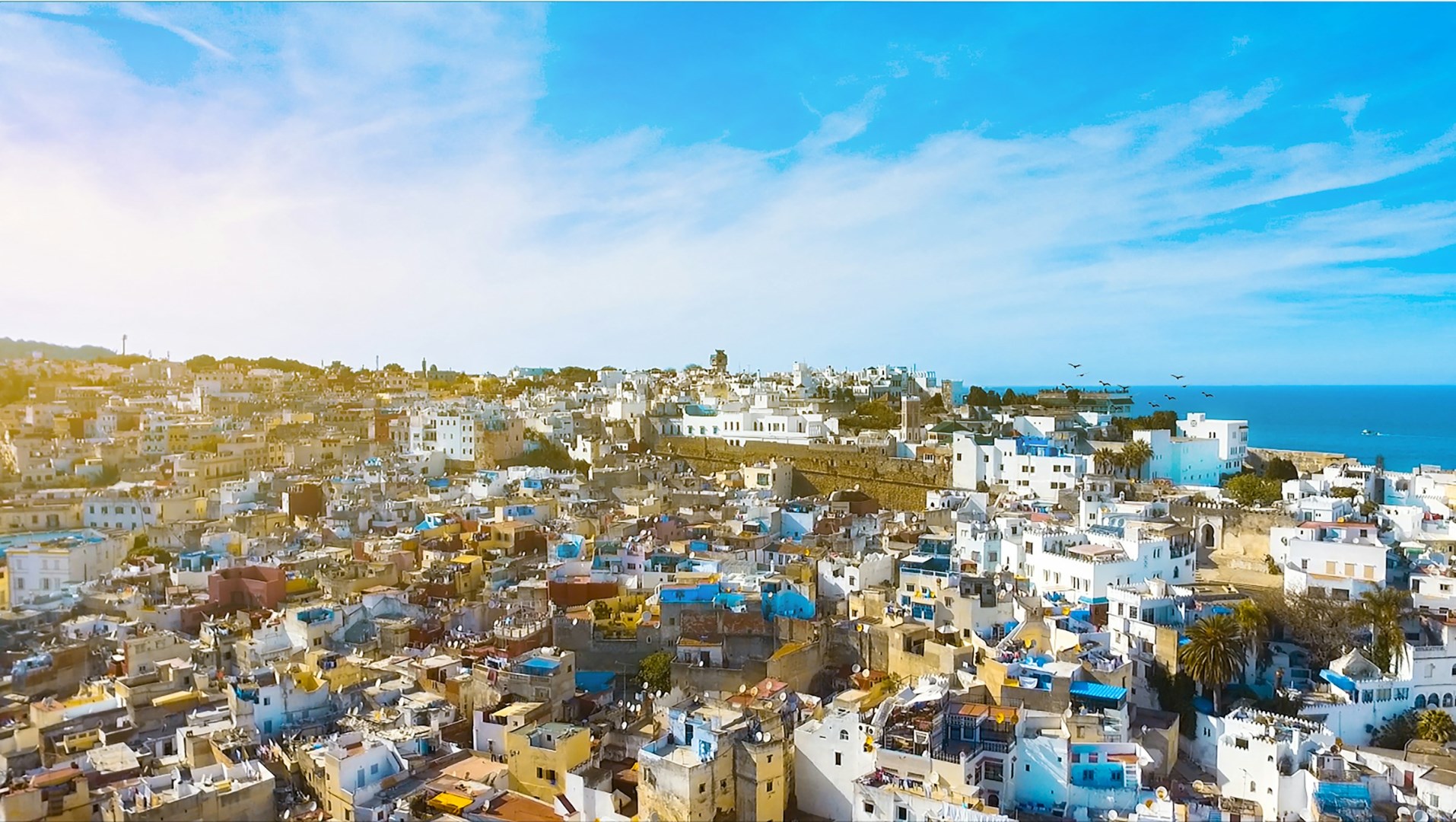
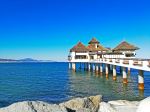
Tetouan is a northern Moroccan city set between the Rif Mountains and the Mediterranean coast. Its whitewashed buildings, compact medina, and Andalusian-influenced architecture give it a distinctive identity within Morocco. The old city climbs the slopes of Jebel Dersa and is enclosed by historic walls with several gates leading into souks, artisan quarters, mosques, and residential lanes. Beyond the medina, Tetouan has broader avenues and European-style buildings, while the nearby Tamuda Bay coastline provides sandy beaches and access to Mediterranean resorts.
Tetouan has deep connections with Andalusia, reflected in its architecture, music, crafts, and urban design. Andalusian refugees played an important role in rebuilding the city, leaving a cultural legacy that remains visible throughout the medina. Local artisans continue traditions including wood painting, embroidery, leatherwork, and textile production. The medina also contains the Mellah, the historic Jewish quarter, where Jewish heritage forms part of the city's wider cultural story. Tetouan's traditional arts schools have helped preserve local craftsmanship, while its museums and cultural institutions continue to document the region's diverse influences.
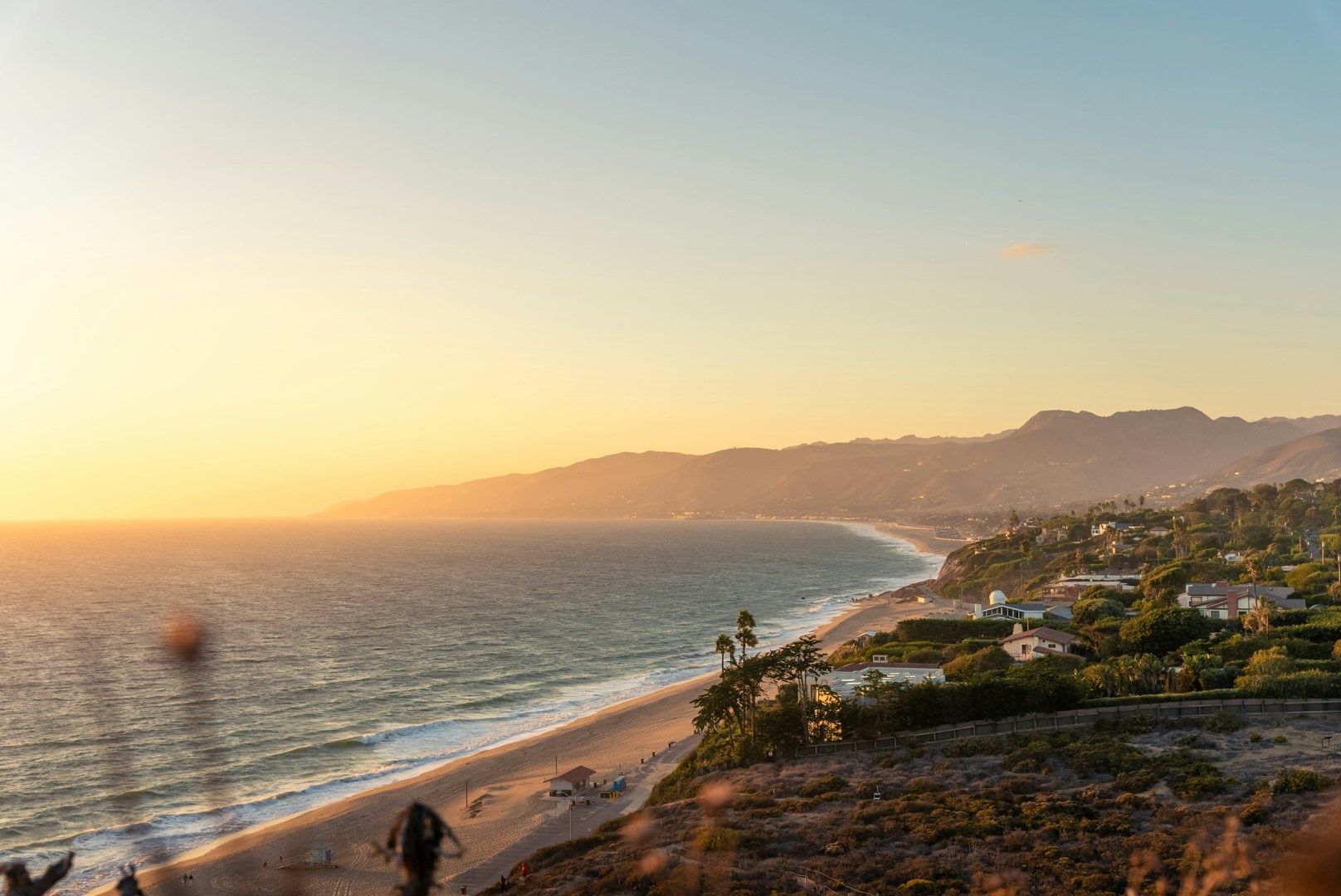
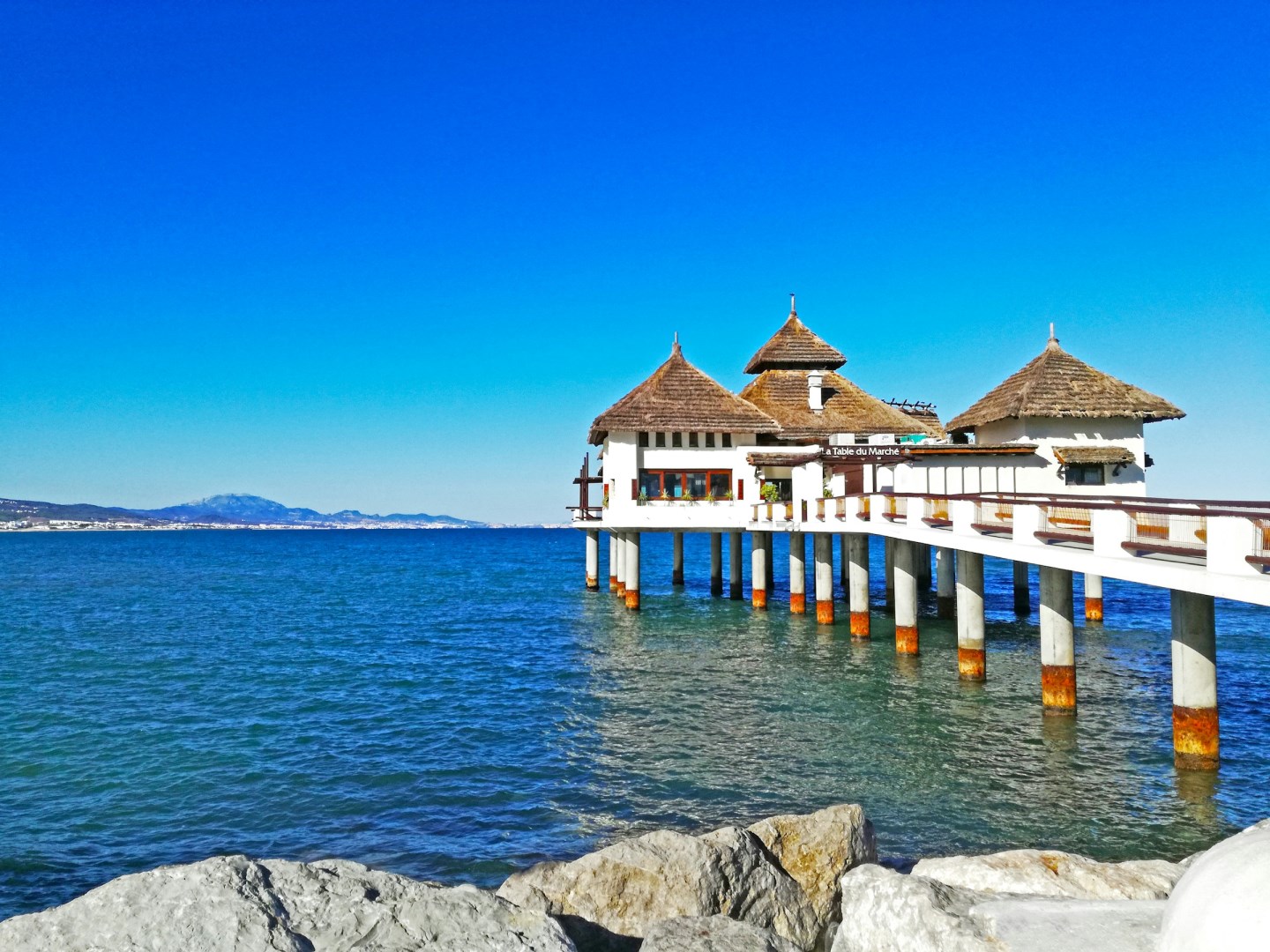
The Medina of Tetouan is the city's principal landmark and a UNESCO World Heritage Site. Its network of narrow lanes includes artisan workshops, souks, fountains, mosques, and historic houses, while the surrounding walls and gates provide a clear sense of its fortified design. The Archaeological Museum contains objects connected with the ancient cultures of northern Morocco, and the Ethnographic Museum presents aspects of regional domestic life and crafts. Outside the old city, the Martil coast and Tamuda Bay offer beaches, seaside promenades, and views toward the Mediterranean and the Rif foothills.
Tetouan's cuisine reflects both northern Moroccan and Andalusian influences, with dishes such as tagine, couscous, seafood, and pastilla appearing alongside regional specialties. Fresh fish is especially relevant because of the city's proximity to the Mediterranean and the nearby port of Martil. Mint tea and traditional Moroccan pastries are common parts of local hospitality. A distinctive local craft is the production of Tetouan embroidery, particularly colorful textiles associated with women from the surrounding Jebala region. The combination of Andalusian heritage, Moroccan craftsmanship, Mediterranean surroundings, and a remarkably intact medina gives Tetouan a cultural character unlike many other Moroccan cities.
Other Popular Destinations in Morocco