
USA | Connecticut | Washington
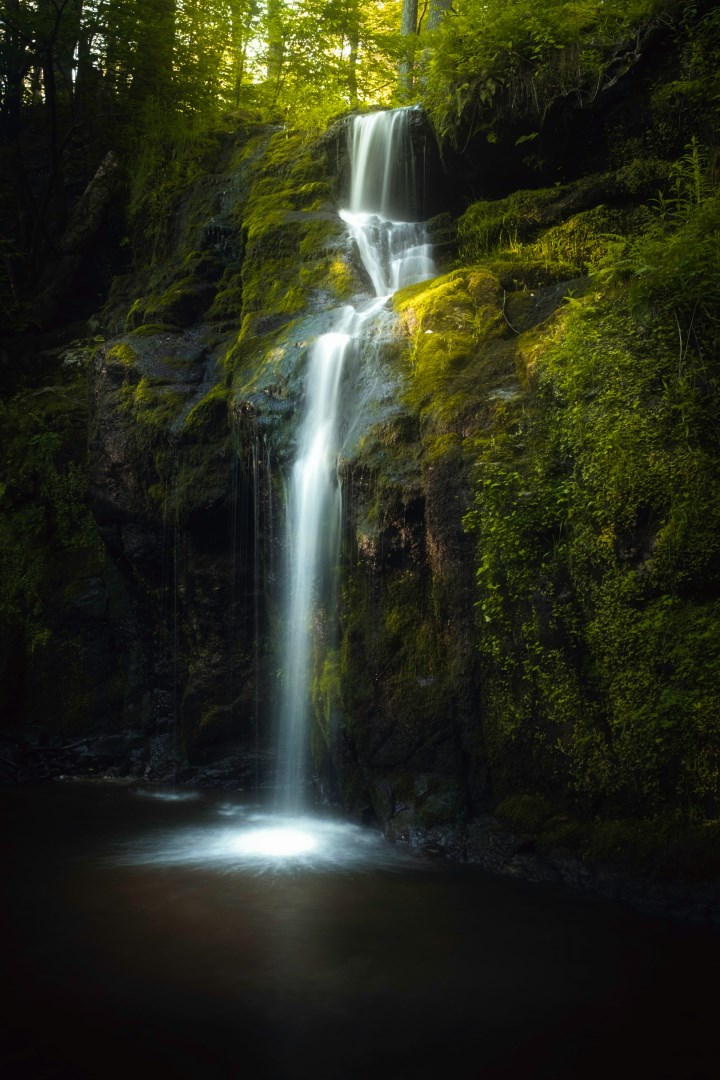

Washington is a small town in Litchfield County, Connecticut, set among wooded hills, lakes, and rural valleys in the northwestern part of the state. Its landscape includes farmland, stone walls, forest roads, and several reservoirs and ponds, with the Shepaug River flowing through the surrounding countryside. Washington is known for its New England village character and its collection of historic buildings, particularly around Washington Green. The town is also associated with the Shepaug Valley, providing a rural setting within reach of the larger communities of Litchfield County and the Housatonic River valley.
Washington’s cultural identity is rooted in its historic villages and longstanding rural traditions. The town is divided into several historic settlements, including Washington Depot, Washington Green, Marbledale, New Preston, and Woodville, each with its own character. The Gunn Historical Museum in Washington Depot preserves local artifacts and records relating to farming, industry, architecture, and community life. The town also has strong literary and artistic associations, with the Institute of American Indian Studies in Washington Depot documenting Indigenous cultures and history. Its historic churches, meetinghouses, inns, and residences contribute to the character of the surrounding villages.
The natural environment is one of Washington’s defining features. Steep Rock Reservation protects forests, rocky terrain, streams, and trails along the Shepaug River, while the Appalachian Trail passes through the wider region. Lake Waramaug, partly within the town of Washington and neighboring Warren and Kent, provides opportunities for boating, swimming, and fishing, with Mount Tom rising nearby. Hidden Valley Preserve contains wooded trails, wetlands, and old stone structures, while Macricostas Preserve protects meadows, forest, and views toward Lake Waramaug. The combination of lakes, hills, rivers, and preserved land gives the town a distinctly rural landscape.
Food in Washington reflects the farm-to-table traditions of northwestern Connecticut, with restaurants and markets making use of local vegetables, dairy products, meats, baked goods, and seasonal produce. Washington Depot and New Preston contain several independent restaurants, cafes, and specialty food businesses. The town is also notable for its connection to the Institute of American Indian Studies, whose museum and research collections focus on Indigenous peoples of North America, with particular attention to the Northeast. Another distinctive feature is the concentration of separate historic villages within one municipality, allowing Washington to retain several small community centers rather than a single conventional downtown.
Other Popular Destinations in Connecticut