
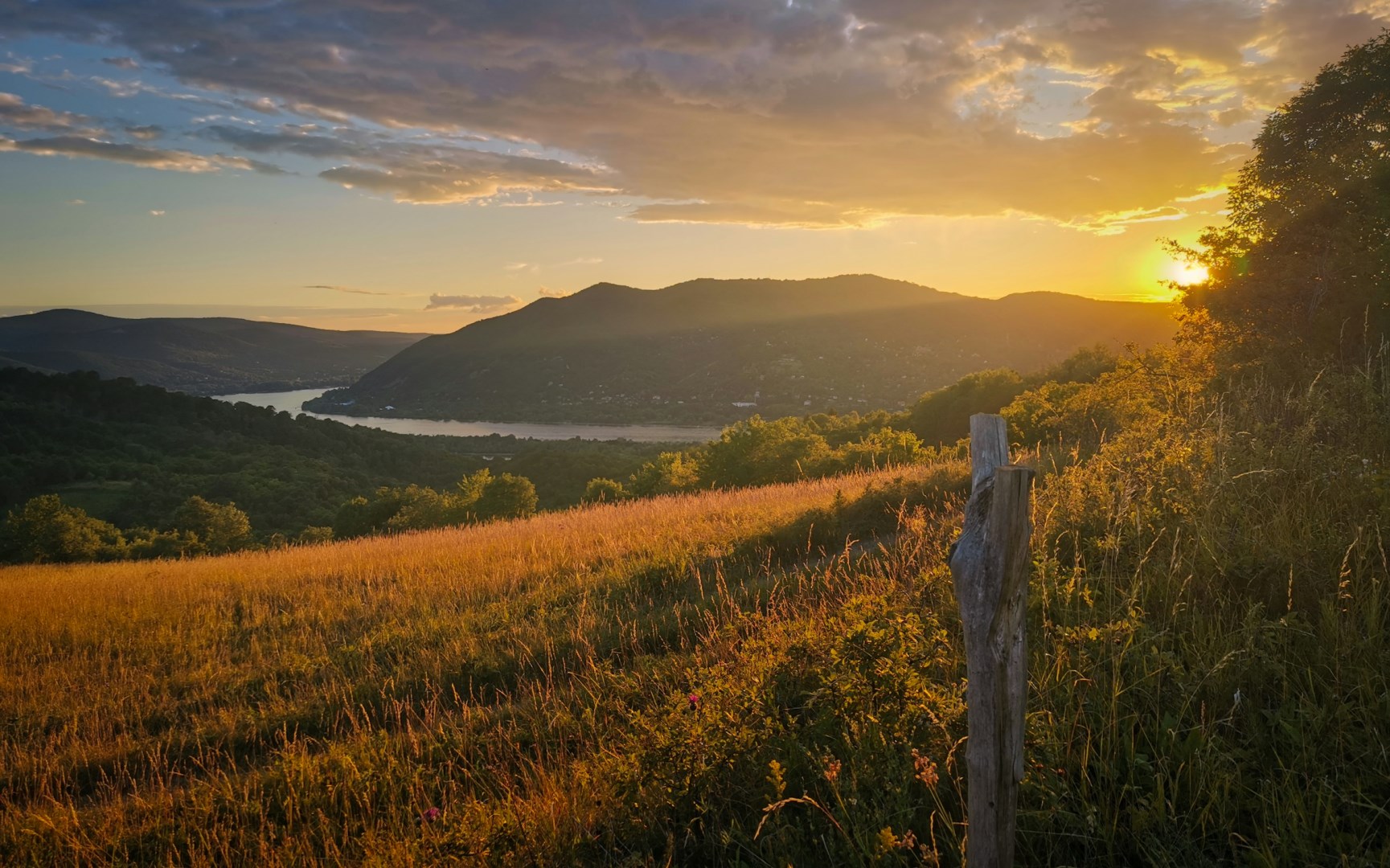
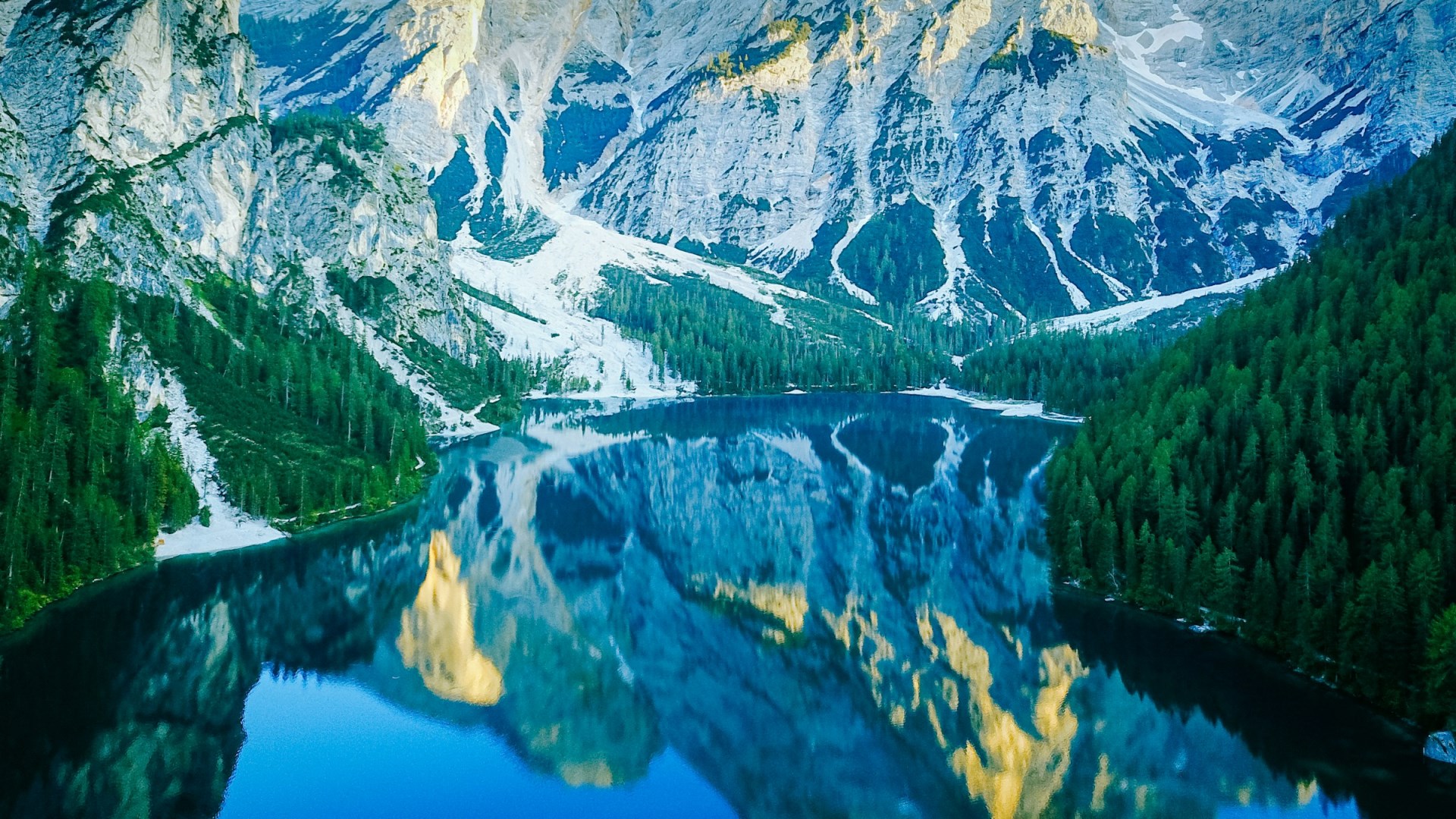
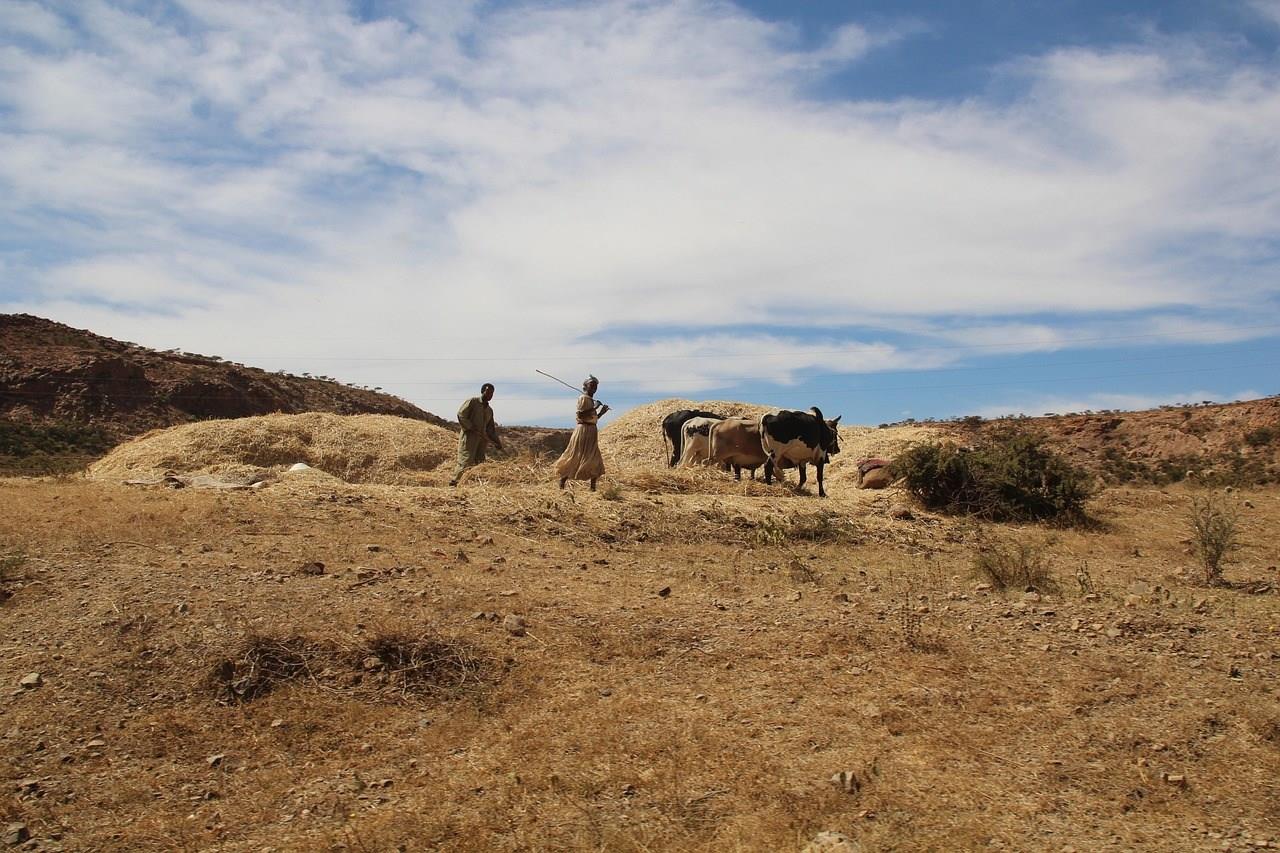

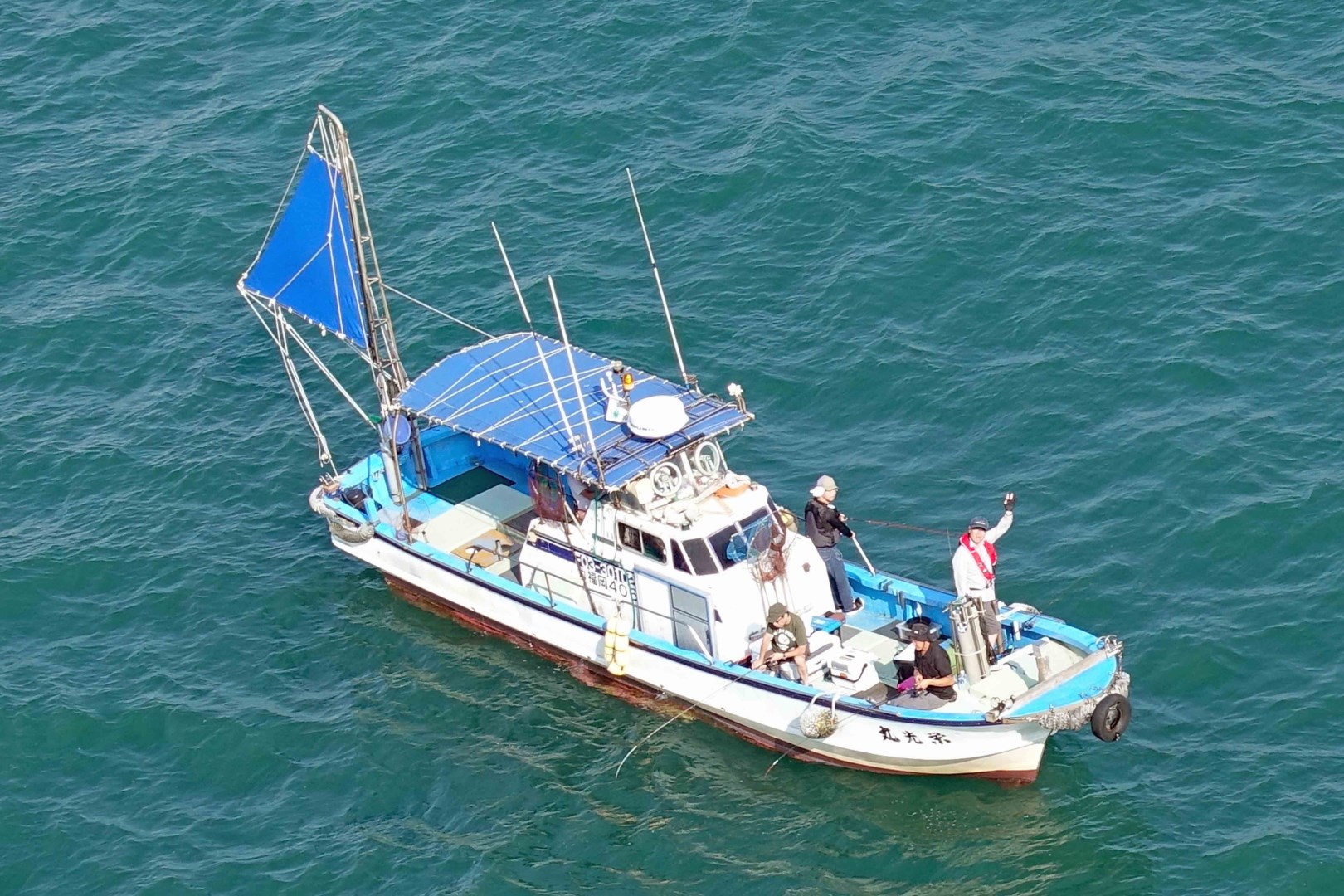
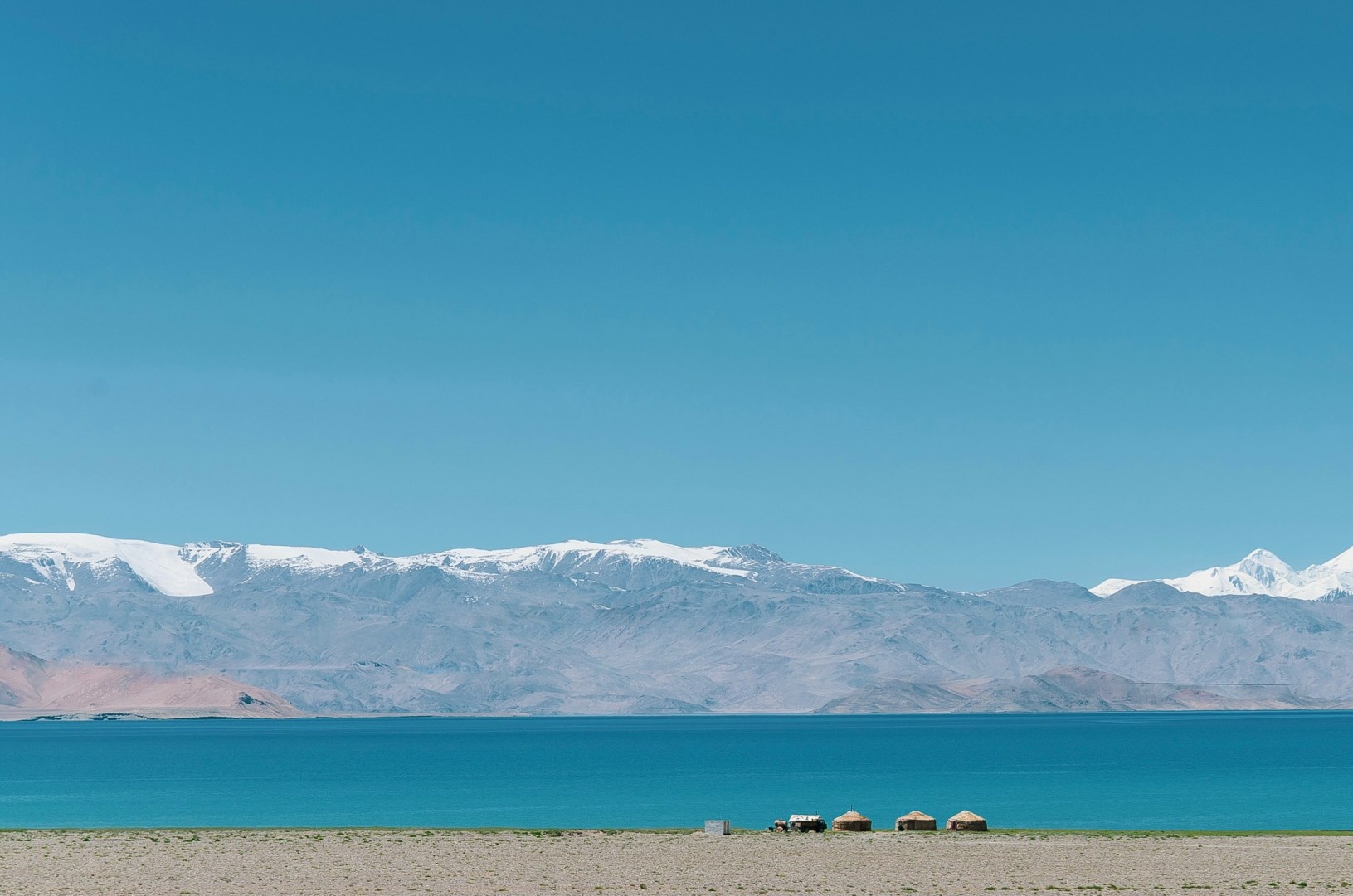
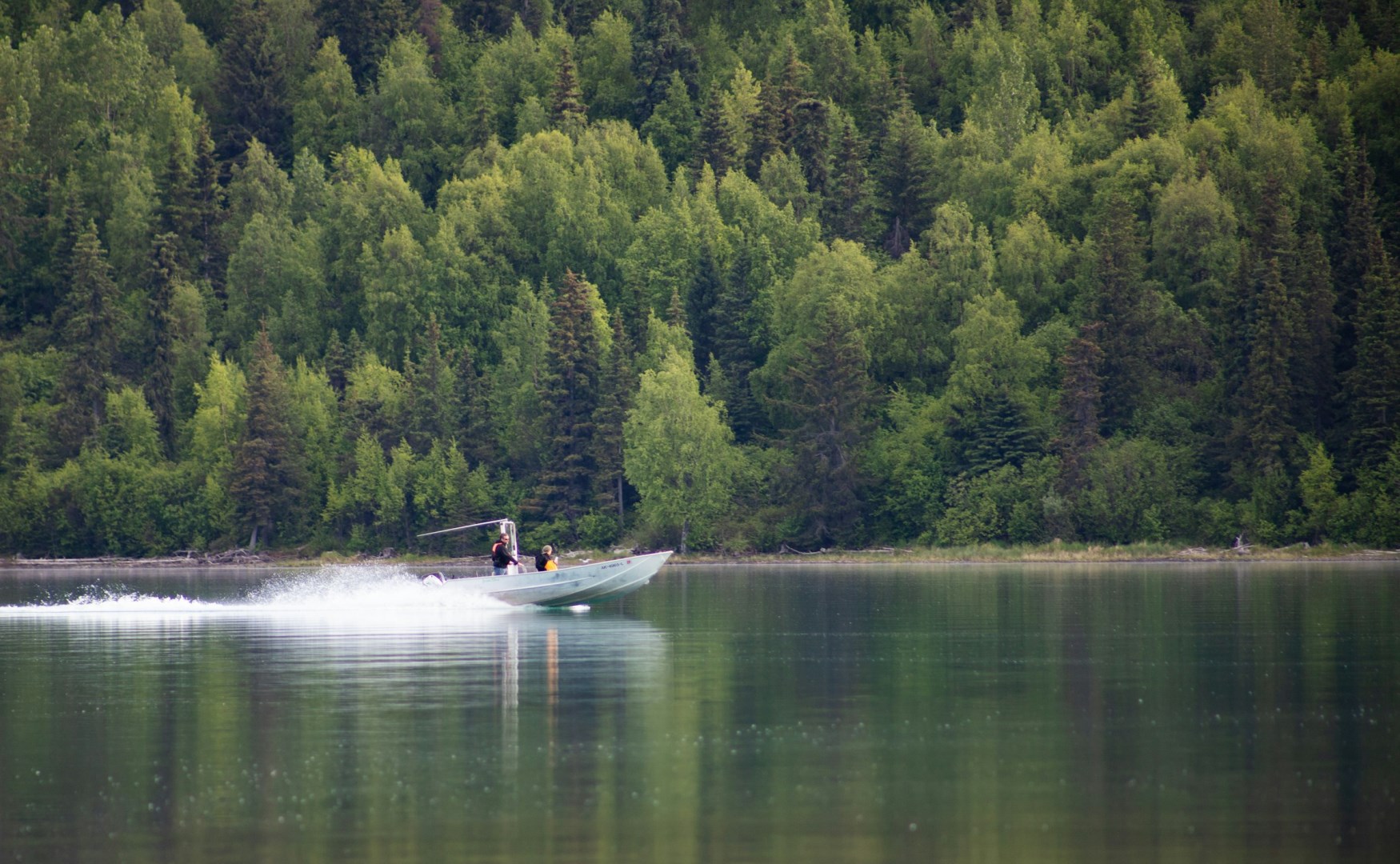
The Kenai Peninsula extends southwest from Anchorage into the Gulf of Alaska and is one of south-central Alaska’s most varied regions. Its landscape includes the Kenai Mountains, coastal forests, glaciers, broad river valleys, lakes, and a long shoreline along both Cook Inlet and the Gulf of Alaska. Communities such as Kenai, Soldotna, Seward, Homer, and Cooper Landing serve different parts of the peninsula, while the Kenai River and numerous smaller waterways connect the interior to the coast. The region combines settled communities with large areas of protected wilderness and remote backcountry.
The Kenai Peninsula lies within the traditional lands of several Alaska Native peoples, including the Dena’ina Athabascans and Sugpiaq communities. Indigenous traditions are reflected in place names, subsistence practices, fishing methods, and knowledge of local plants and wildlife. The region also has a long history of Russian influence, commercial fishing, mining, and homesteading. The Kenai River became an important salmon fishery, while communities around Resurrection Bay and Kachemak Bay developed strong maritime identities. Today, fishing, tourism, transportation, and resource-based industries continue to shape life across the peninsula.
The peninsula contains several major protected areas and natural landmarks. Kenai Fjords National Park near Seward protects rugged coastlines, glaciers, and marine habitats, while the Kenai National Wildlife Refuge covers forests, wetlands, lakes, and tundra across the western interior. Harding Icefield feeds numerous glaciers, including Exit Glacier, which can be reached from the Seward area. The Kenai River is famous for its salmon runs, while Kachemak Bay near Homer offers opportunities to see sea otters, seals, seabirds, whales, and other marine wildlife. Hiking, kayaking, fishing, boating, and wildlife viewing are popular throughout the region.
Food on the Kenai Peninsula is strongly connected to its rivers and coastal waters. Salmon is especially important, with king, sockeye, silver, and pink salmon supporting both recreational and commercial fisheries. Halibut, crab, clams, shrimp, and other seafood are also common, while locally gathered berries and wild game contribute to traditional and contemporary diets. Smoked salmon and salmon jerky are familiar regional products. A distinctive feature of the peninsula is the close relationship between freshwater and marine environments: salmon travel from the Gulf of Alaska and Cook Inlet into rivers and streams, linking coastal ecosystems with inland forests and communities.
Other Popular Destinations in Alaska


