


Central America | Panama | El Valle de Antón
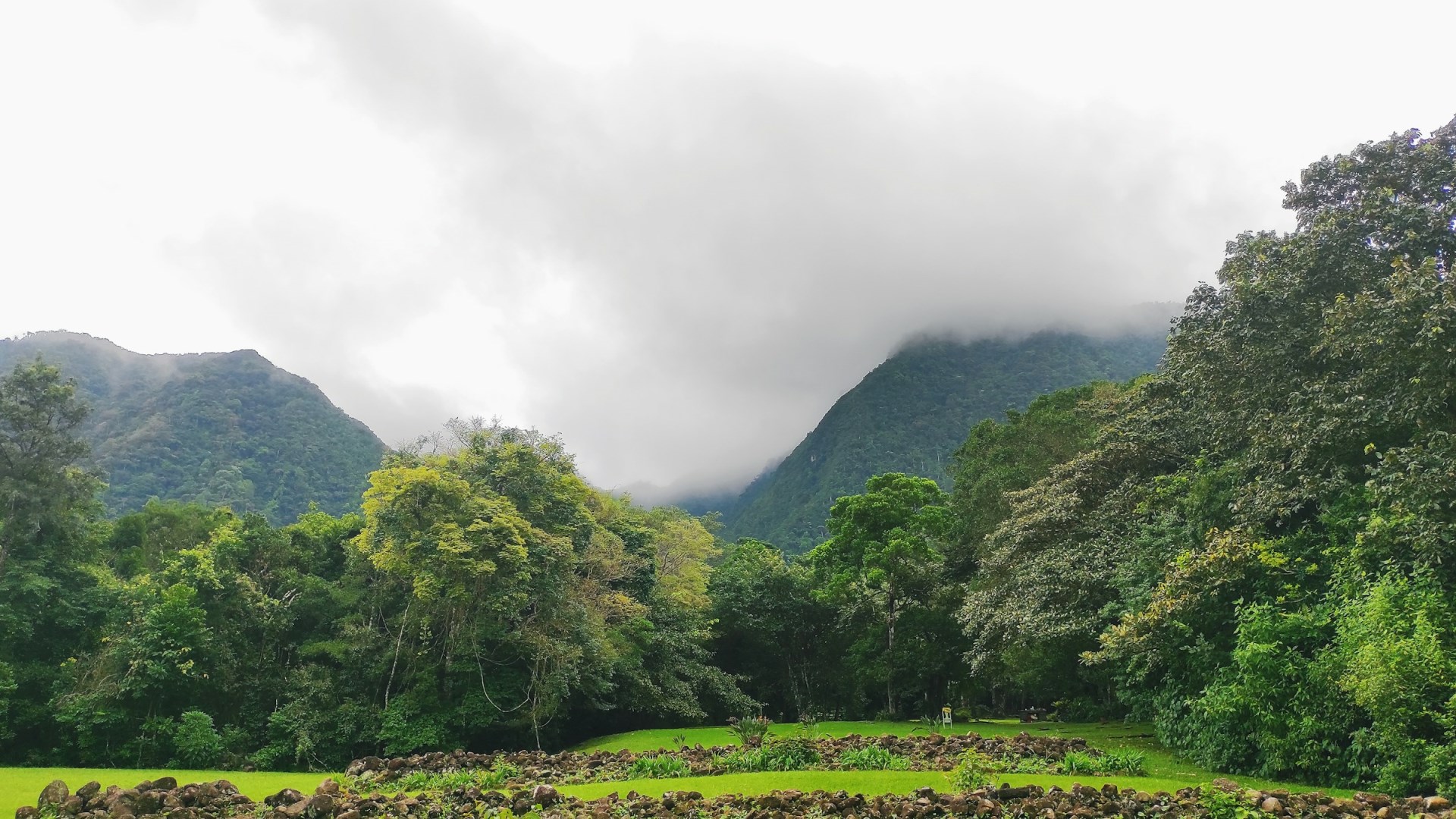
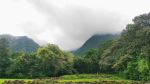
El Valle de Antón is a mountain town in Panama’s Coclé Province, set within the broad crater of an inactive volcano. Its elevated setting gives the area a cooler climate than much of the surrounding lowlands, while mountains and forested slopes surround the town. Streams, waterfalls, gardens, farms, and wooded areas are found throughout the valley, creating a landscape shaped by volcanic geology and tropical vegetation. The town is also known for its Sunday market, where local farmers and craftspeople sell fresh produce, flowers, handmade goods, and other regional products.
El Valle de Antón has cultural ties to communities including the Ngäbe-Buglé and Guna, whose traditions are represented at the local market and through regional handicrafts. One of the area's best-known cultural landmarks is Piedra Pintada, a large rock bearing pre-Columbian petroglyphs. La India Dormida, a mountain ridge whose outline resembles a reclining woman, is associated with a local legend and has become one of the area's most recognizable symbols. The town also has the Museo Victoriano Lorenzo, which presents aspects of local history and culture. Agriculture remains important, with farms producing fruits, vegetables, flowers, and other crops.
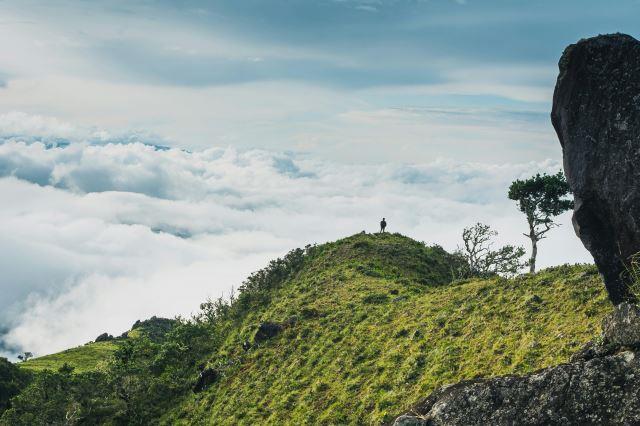
The surrounding mountains provide a network of trails collectively known as the Ruta de la Caldera. Routes lead toward La India Dormida, Cerro Gaital, Cara Iguana, and La Silla, with views across the crater and surrounding countryside. Chorro El Macho is a prominent waterfall where visitors can follow forest trails and see the falls from elevated walkways, while the nearby thermal pools offer another way to experience the volcanic setting. El Níspero is a local zoological and botanical attraction associated with conservation work, including efforts connected with Panama's endangered golden frog.
El Valle's unusual environment supports a wide range of tropical plants and animals, including orchids, ferns, birds, and amphibians. The Panamanian golden frog is especially associated with the region and has been the focus of conservation programs. Another local curiosity is the square tree, known for its unusually angular trunk near the base. Food and shopping are closely connected with the town's agricultural character, with markets offering fruits, vegetables, flowers, and prepared foods alongside Panamanian dishes. Small farms and agrotourism projects also provide opportunities to learn about local crops and rural life within the volcanic valley.
Other Popular Destinations in Panama