





East and Southeast Asia | Japan | Hokkaido


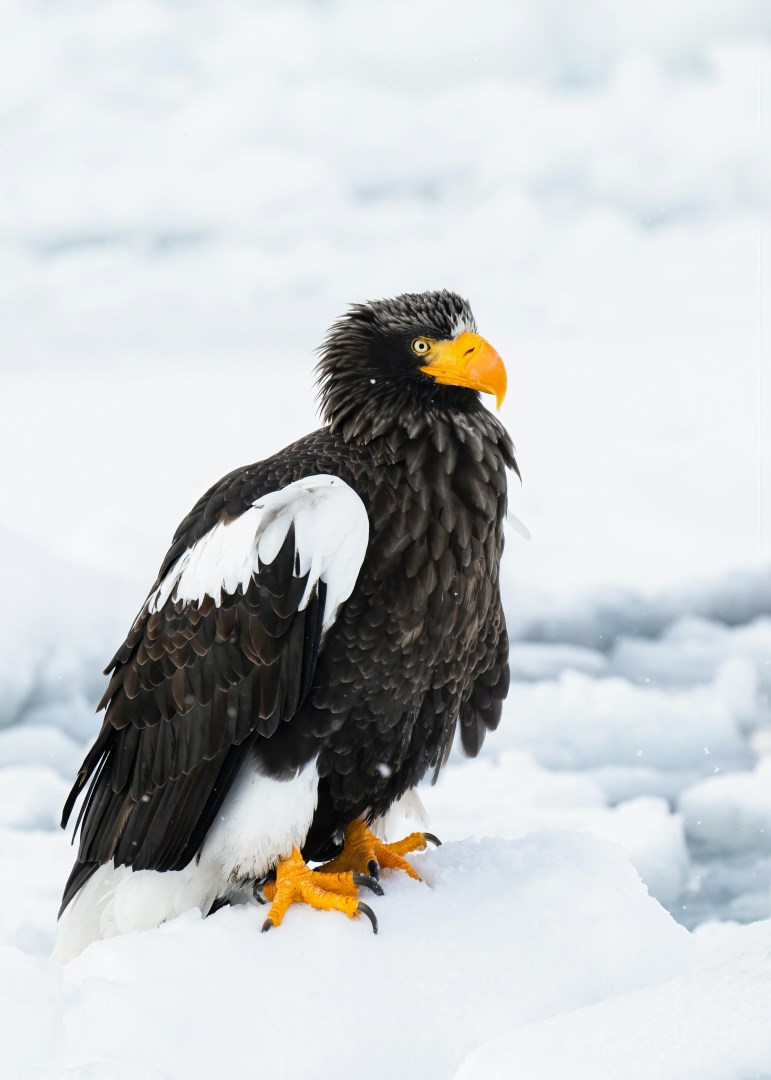



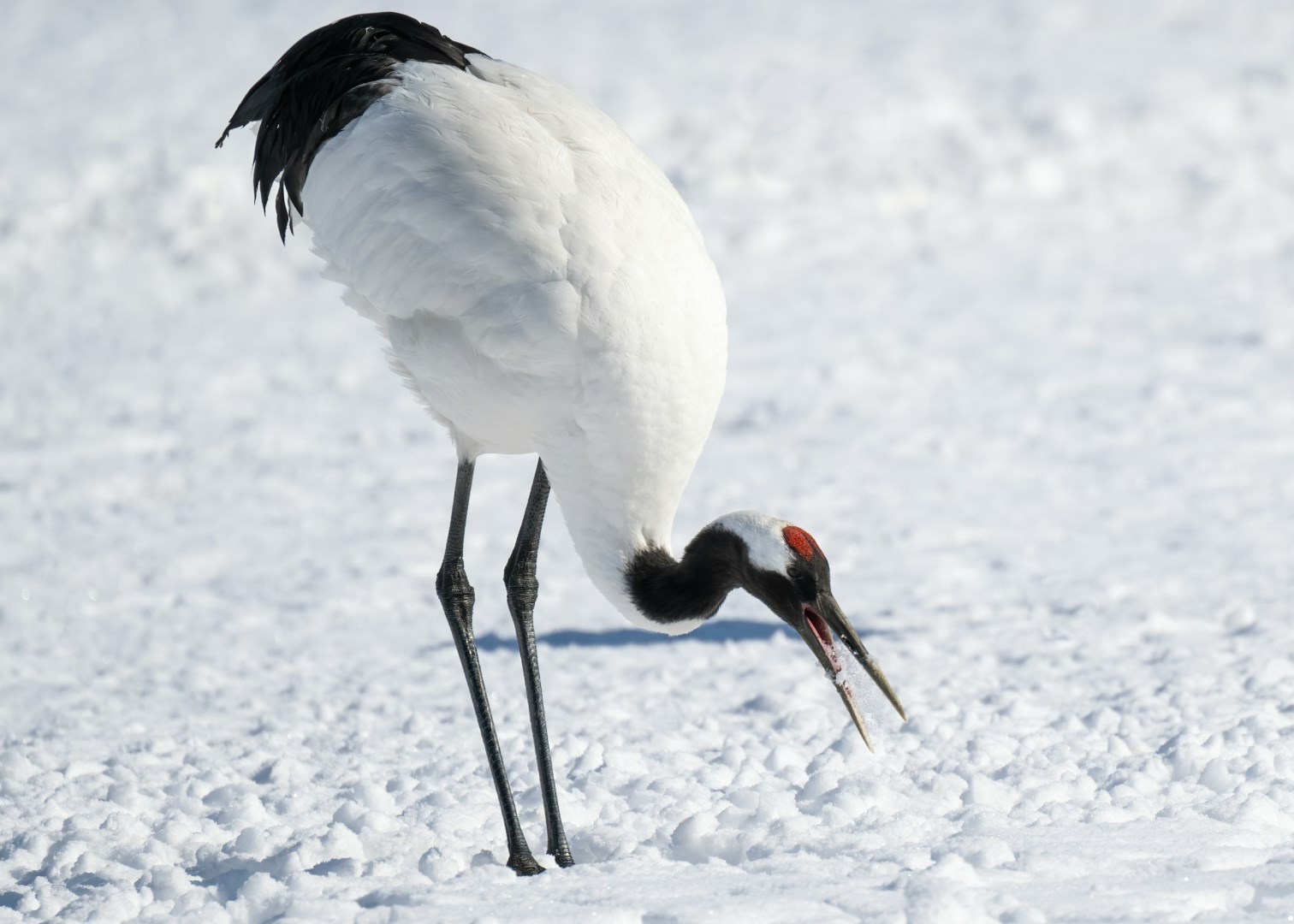
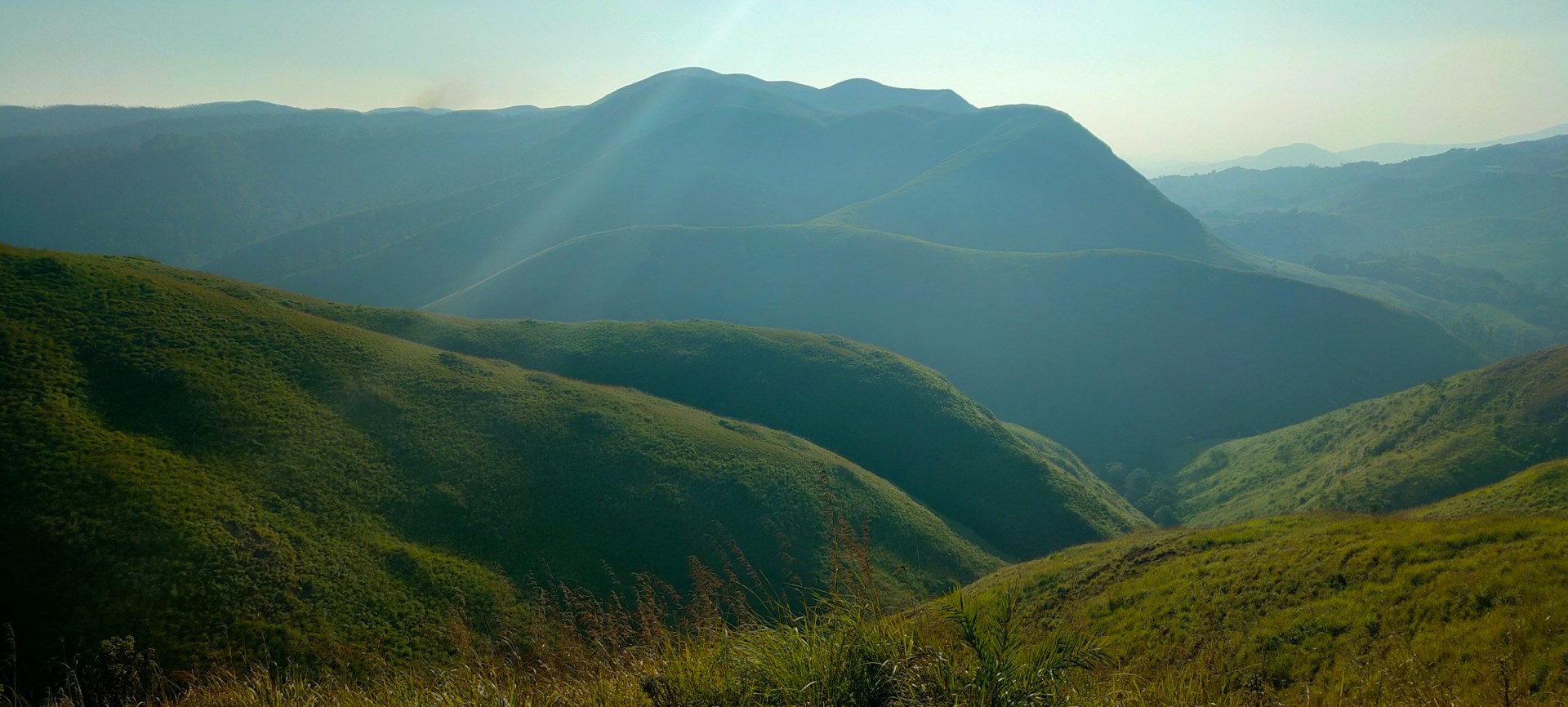
Hokkaido is Japan's northernmost main island and the country's second-largest island, known for broad landscapes, volcanic mountains, forests, lakes, and a cooler climate than most of Japan. Sapporo serves as the prefectural capital and largest city, while smaller communities extend across farmland, coastlines, and mountain regions. The island's geography includes the Daisetsuzan mountain range, the Shiretoko Peninsula, and large national parks. Hokkaido also has a strong agricultural economy, producing dairy products, wheat, potatoes, corn, and other crops that feature prominently in the region's food culture.
Hokkaido is the traditional homeland of the Ainu, the Indigenous people of northern Japan. Ainu culture includes distinctive language, music, dance, crafts, clothing, and spiritual traditions that are preserved and presented at places such as Upopoy, the National Ainu Museum and Park in Shiraoi. Hokkaido's later settlement also brought influences from other parts of Japan, visible in its farming communities, cities, and historic buildings. The island's cultural landscape therefore combines Ainu heritage with traditions developed through agriculture, fishing, trade, and modern urban life.
Hokkaido offers a wide range of natural environments, from volcanic peaks and alpine meadows to wetlands, lakes, forests, and rugged coastlines. Daisetsuzan National Park contains much of the island's highest mountain terrain, while Shiretoko National Park protects forests, waterfalls, coastal ecosystems, and wildlife habitat. Akan-Mashu National Park is known for volcanic landscapes and clear lakes, including Lake Akan and Lake Mashu. In winter, Hokkaido's mountains and ski areas receive substantial snowfall, while cities such as Sapporo and Otaru provide access to museums, historic districts, markets, and waterfront attractions.
Hokkaido is one of Japan's major food-producing regions, and its cuisine makes extensive use of local agricultural and marine products. Sapporo is closely associated with miso ramen, while soup curry has become another well-known local specialty. Seafood from the surrounding waters includes crab, sea urchin, salmon, scallops, and squid, while Hokkaido dairy is used in milk, cheese, butter, and desserts. The island is also known for its potatoes, corn, wheat, and melons. Its combination of fertile farmland, productive seas, and cool-climate agriculture gives Hokkaido a distinct place within Japanese cuisine.
Other Popular Destinations in Japan


