

Central Asia | India | New Delhi
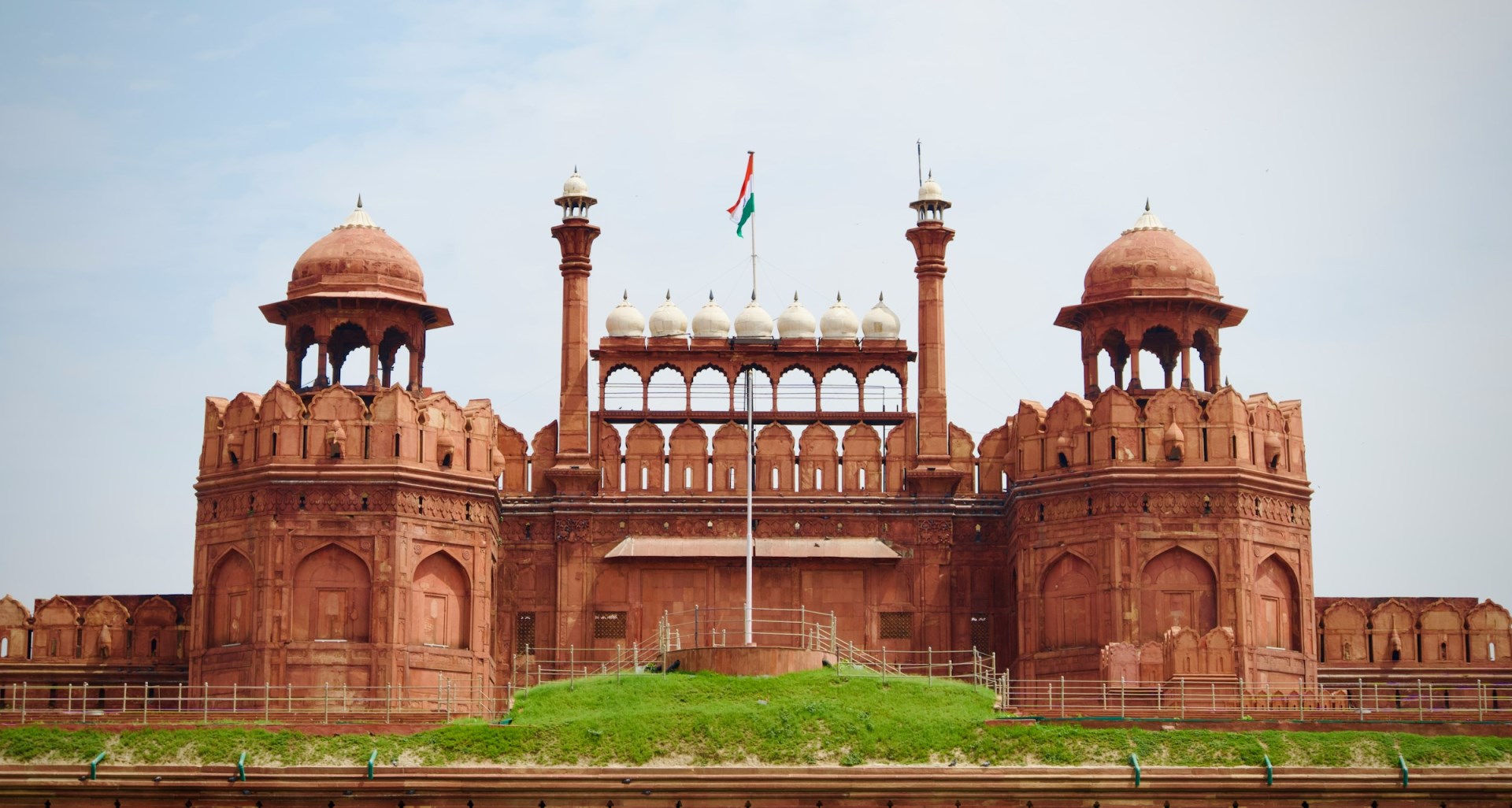

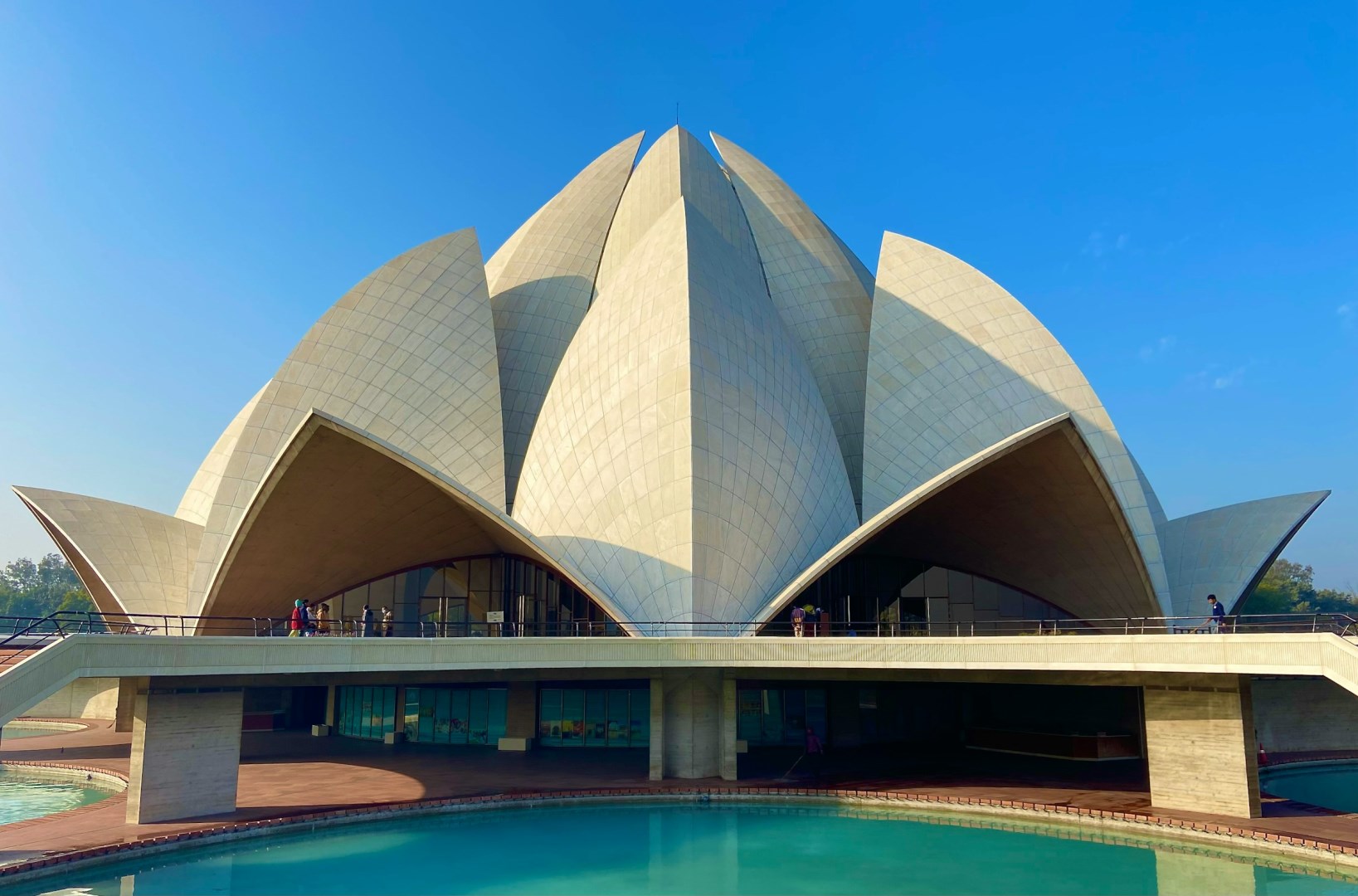
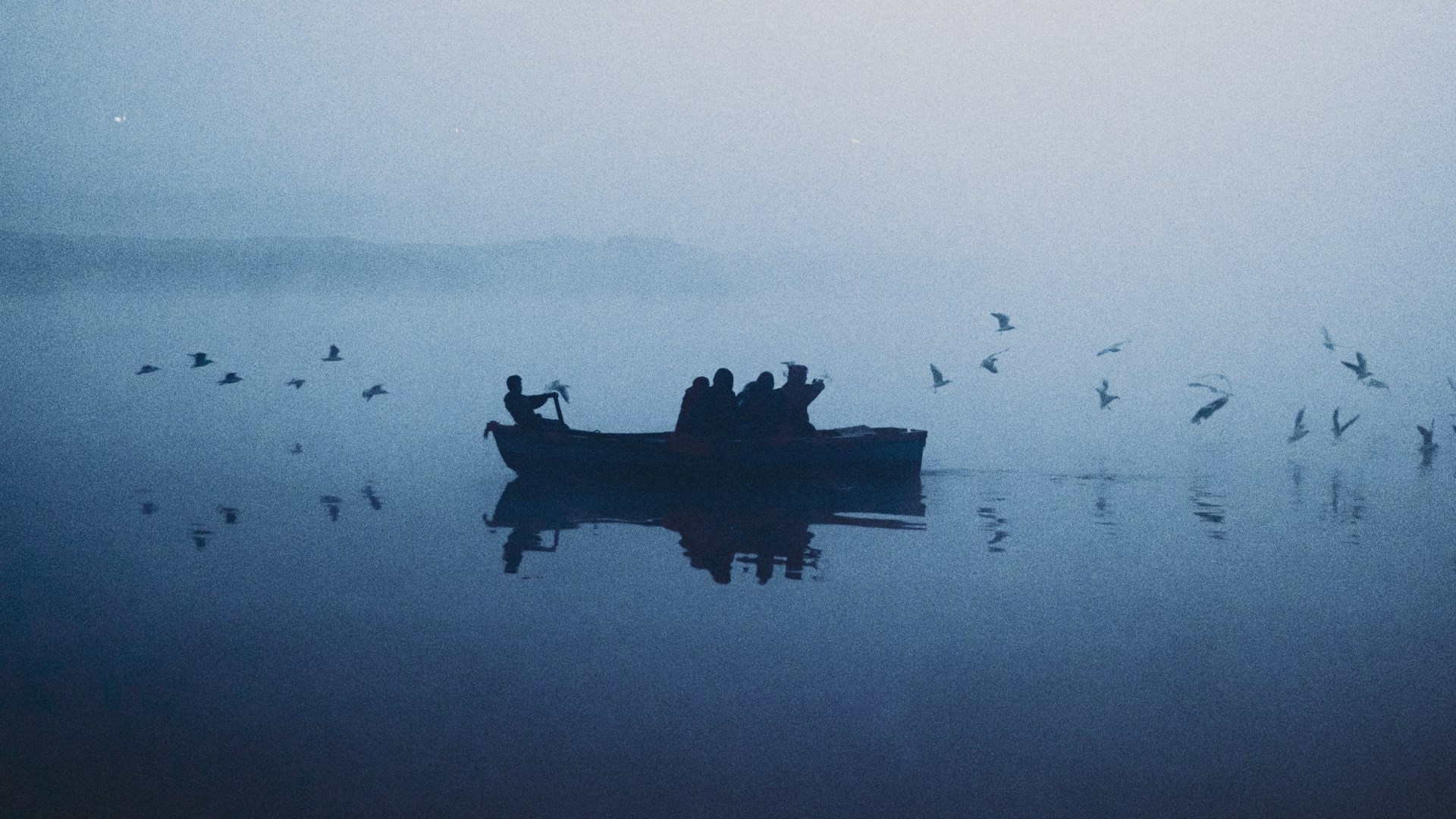

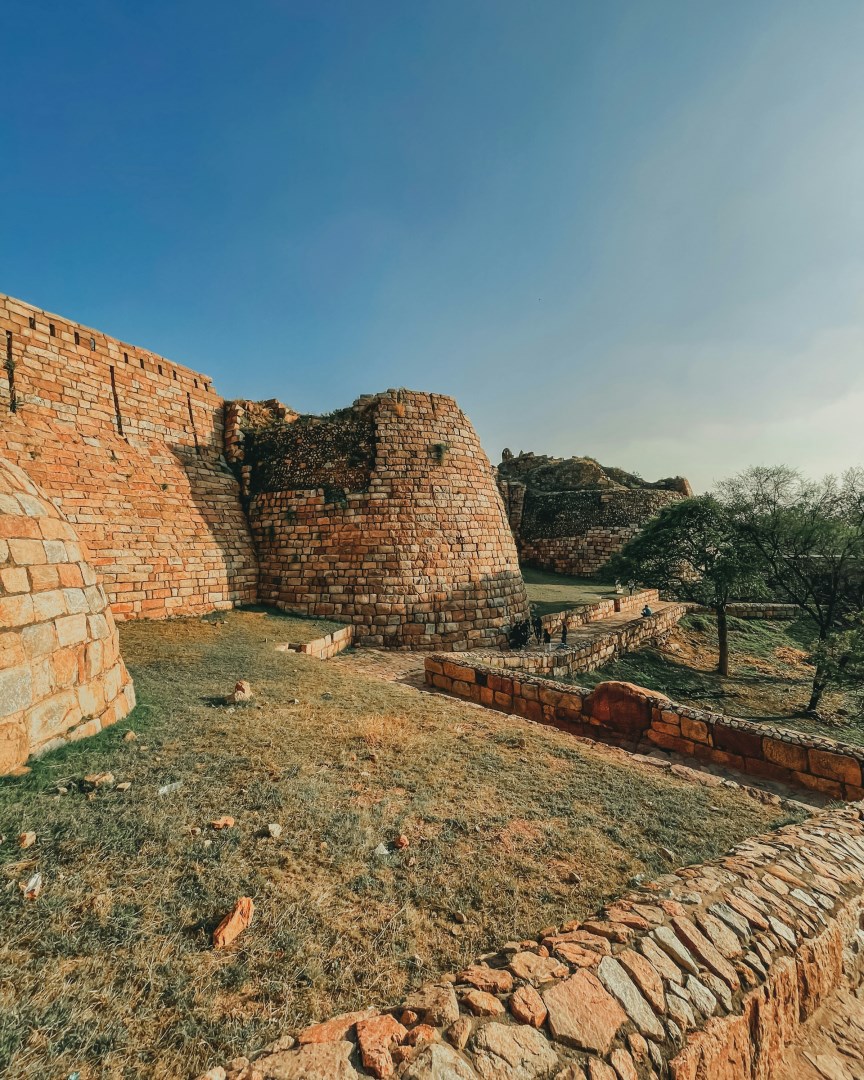
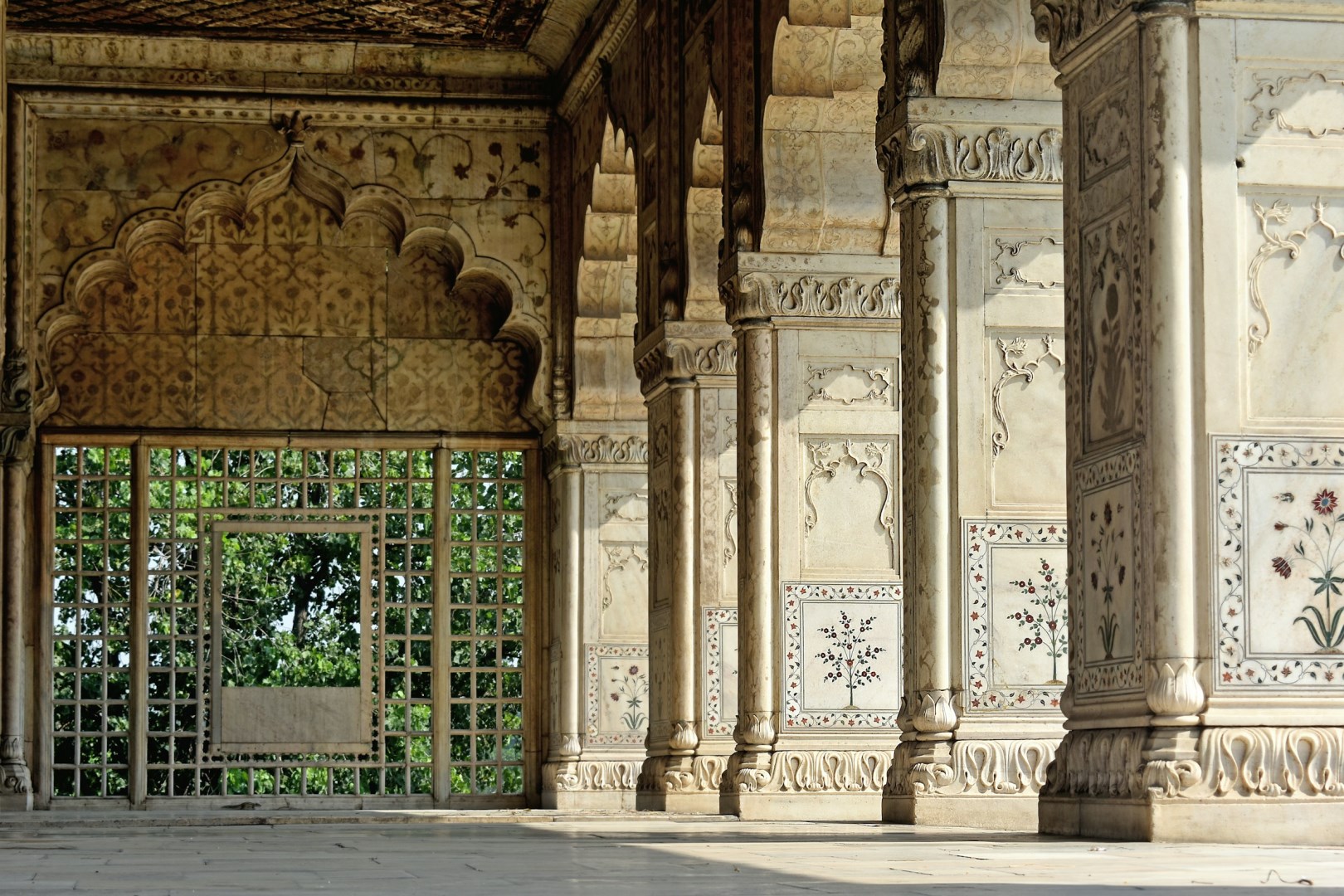

New Delhi is the planned central district of India’s capital, laid out with broad avenues, formal gardens, government buildings, and prominent public landmarks. Designed around ceremonial spaces and tree-lined roads, it contrasts with the dense lanes and historic neighborhoods of Old Delhi. Rashtrapati Bhavan, Parliament, India Gate, and Kartavya Path form some of the district’s defining landmarks. New Delhi also sits within a much larger urban area that contains monuments, museums, markets, religious sites, and residential neighborhoods, making the capital a place where planned architecture and older layers of Delhi exist close together.
The identity of New Delhi is closely tied to India’s political institutions and the many communities that have shaped the capital. Rashtrapati Bhavan, formerly the residence of the British viceroy, now serves as the official residence of the President of India, while the surrounding government district reflects the work of architect Edwin Lutyens and other planners. Nearby areas connect with older cultural traditions through places such as Gurudwara Bangla Sahib, Jama Masjid, and the Nizamuddin shrine. Delhi’s traditions of Urdu poetry, qawwali, handicrafts, religious festivals, and neighborhood markets remain important parts of the wider capital.
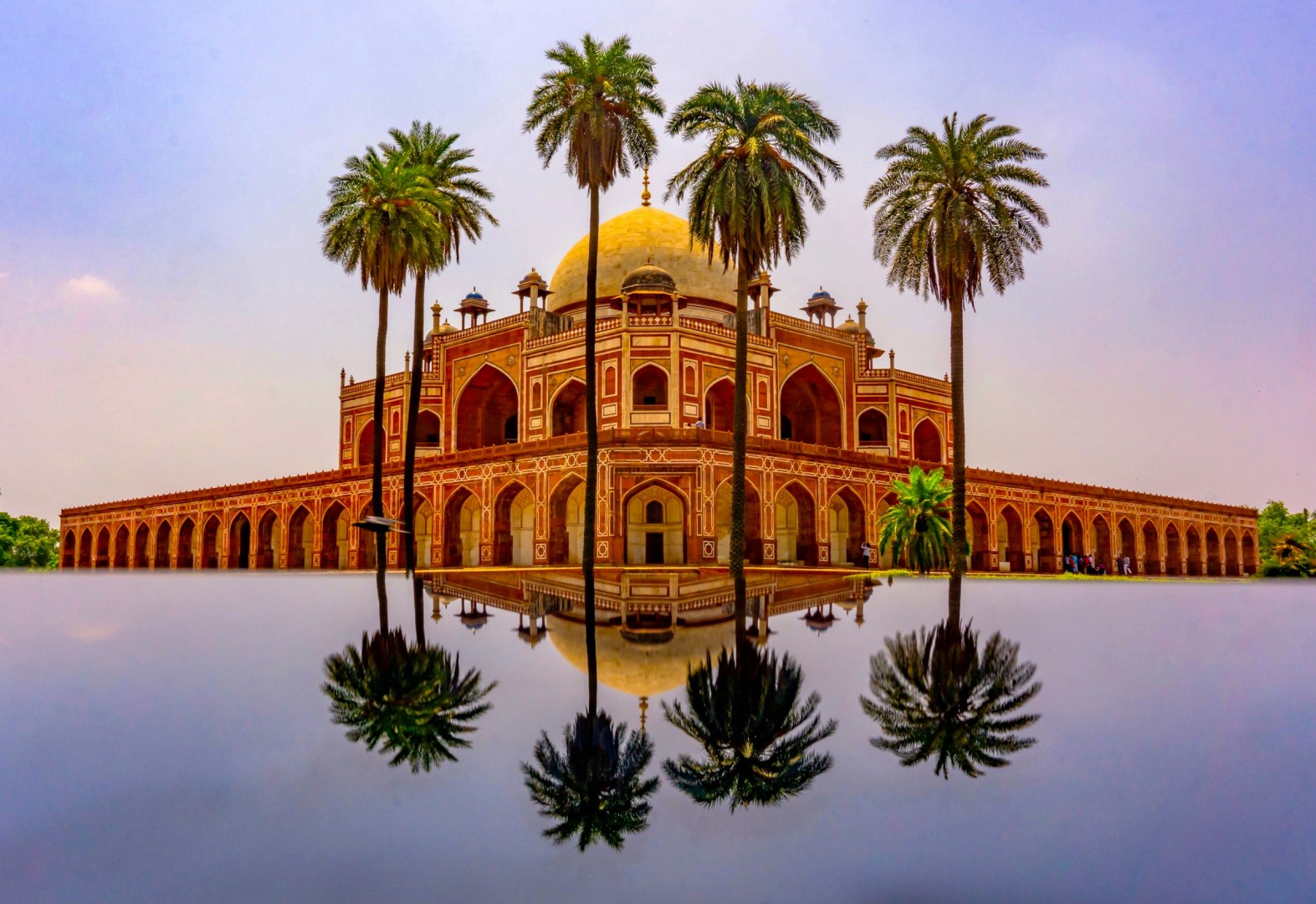
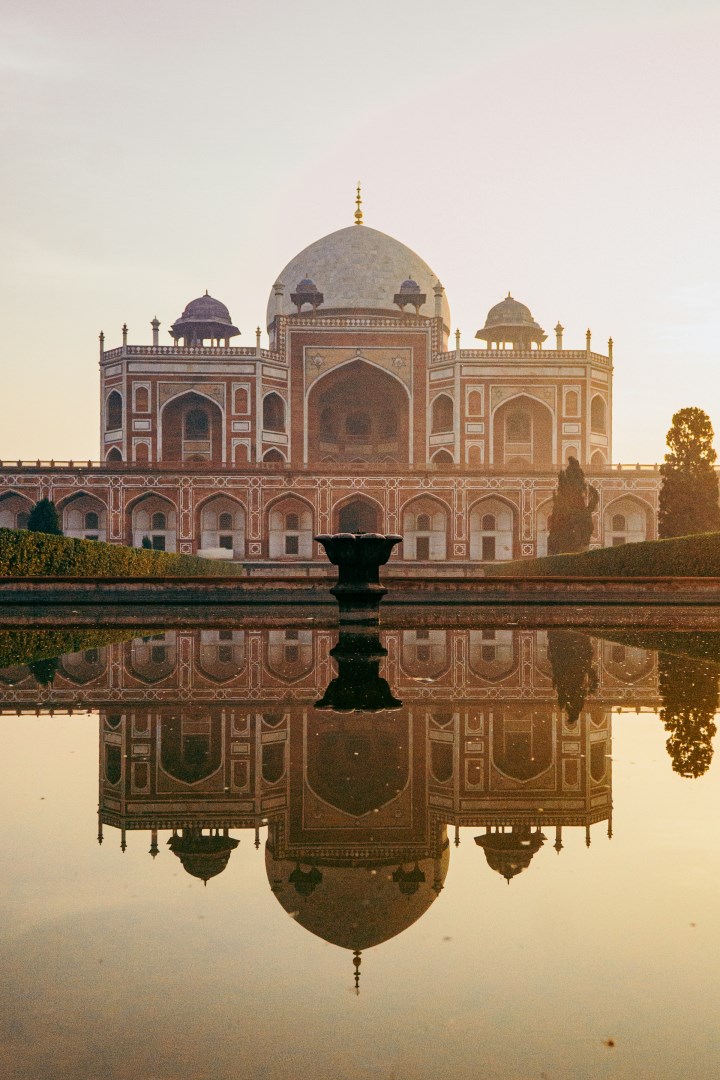
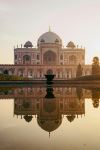
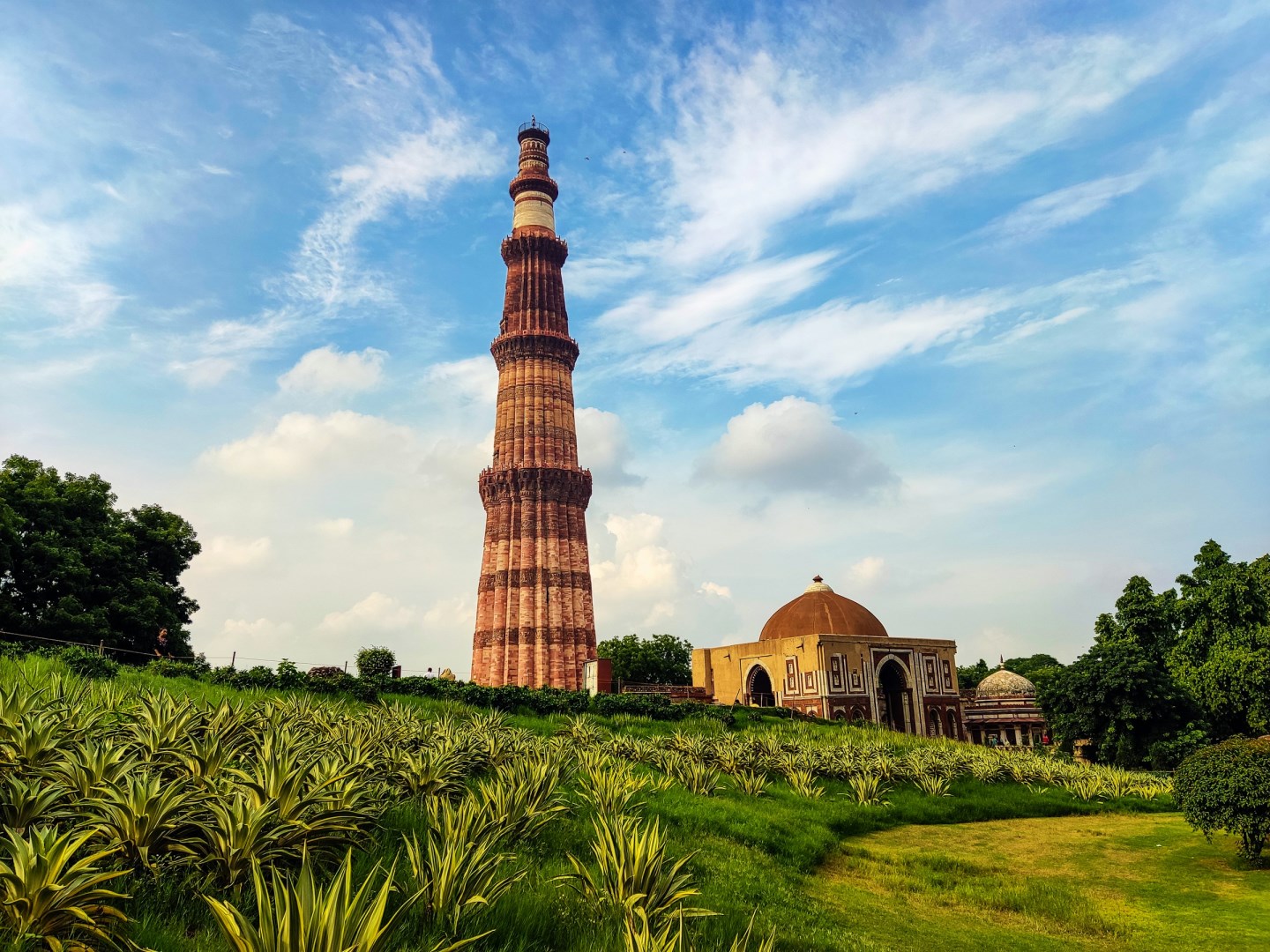
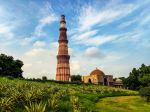
New Delhi offers several major landmarks within a relatively compact central area. India Gate stands at the eastern end of Kartavya Path, while Rashtrapati Bhavan occupies Raisina Hill to the west. The National Museum, National Gallery of Modern Art, and National Crafts Museum provide access to Indian art and heritage. Lodhi Garden combines landscaped grounds with historic tombs, while nearby Humayun’s Tomb is a UNESCO World Heritage Site noted for its formal garden design and Mughal architecture. Further south, Qutub Minar and the monuments of Mehrauli reveal earlier layers of Delhi’s architectural history.
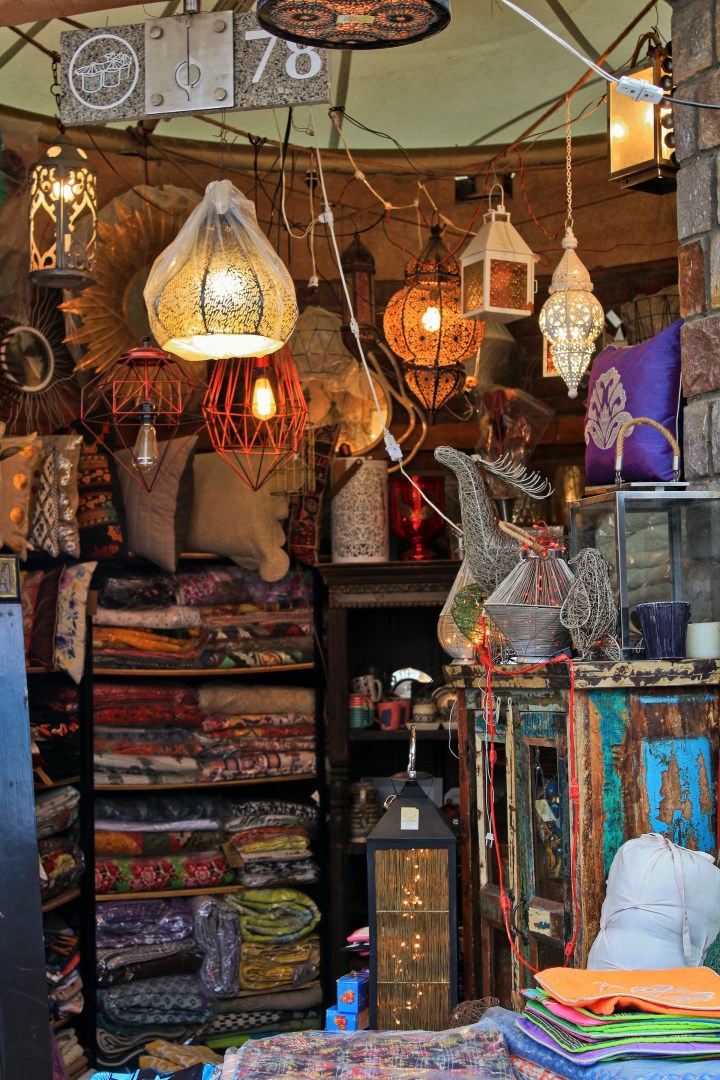
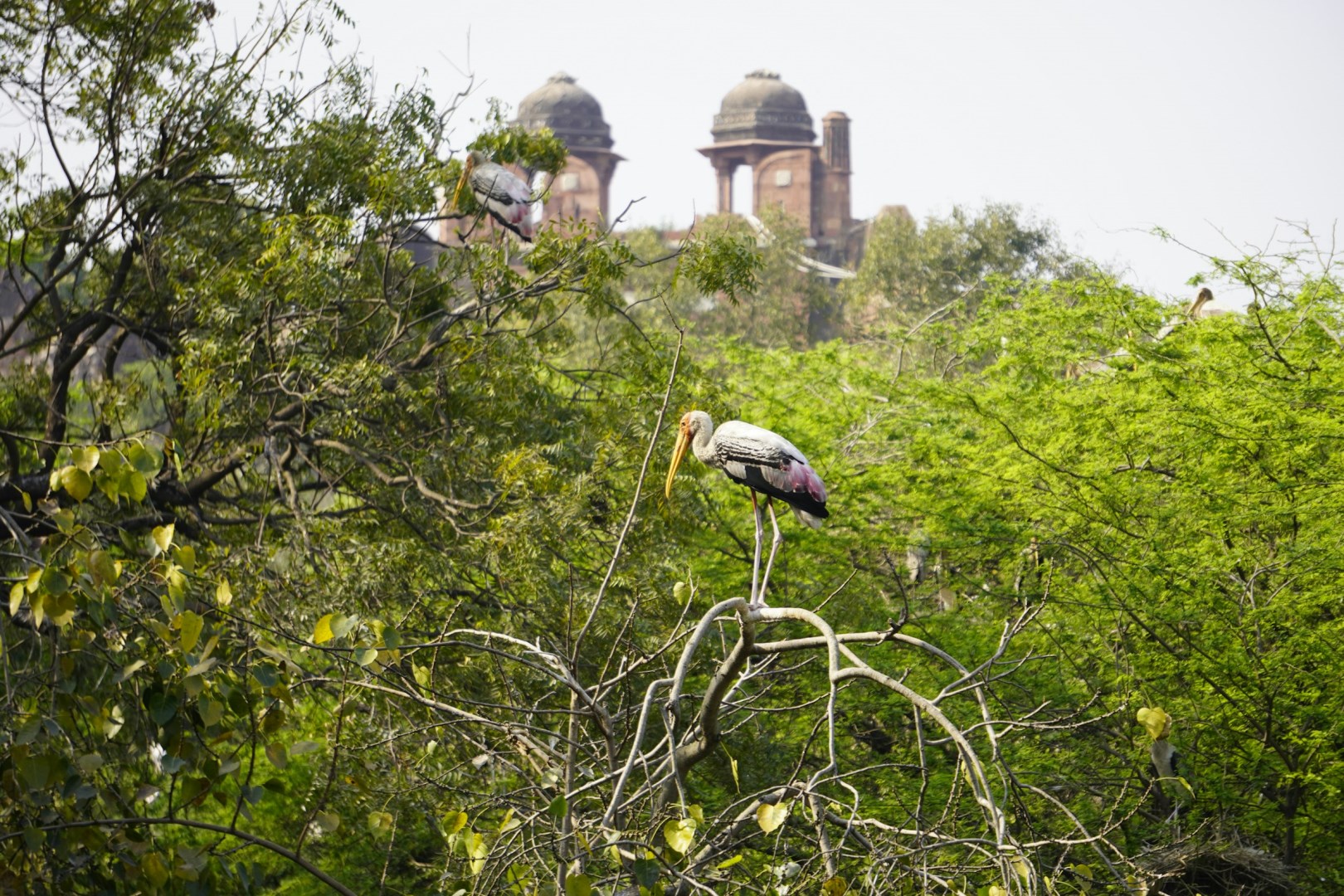
Food provides another way to understand New Delhi, with influences from across northern India and communities that have settled in the capital. Restaurants and markets serve dishes such as butter chicken, kebabs, chole bhature, parathas, biryani, and a wide range of regional sweets. Chandni Chowk remains particularly associated with traditional food, while Dilli Haat brings together cuisines and handicrafts from different parts of India. A distinctive feature of New Delhi is its abundance of planned green spaces, including Nehru Park and the Central Ridge, which provide important pockets of vegetation within the densely developed capital.
Other Popular Destinations in India


