



Central America | Nicaragua | Matagalpa
Matagalpa is a mountain city in northern Nicaragua, surrounded by forested hills and agricultural land. Known as one of the country's principal coffee-growing areas, it sits in a cool, elevated landscape where coffee plantations, pine forests, and cloud forest environments are common. The city is built along the Río Grande de Matagalpa and serves as an important commercial center for the surrounding rural communities. Its location also makes it a starting point for exploring the northern highlands, where farms, nature reserves, waterfalls, and mountain viewpoints are found close to the urban area.
Matagalpa's cultural identity is closely linked to coffee farming and the rural communities of the surrounding highlands. Coffee production supports generations of agricultural knowledge, from cultivation and harvesting to processing and roasting. The city also has several religious and cultural landmarks, including the Cathedral of San Pedro, which overlooks the central area. Local traditions are expressed through patron-saint celebrations, music, dance, and regional crafts. Indigenous and rural influences remain visible across the department, while the city's markets and public spaces provide a setting for everyday commerce and social life among residents from Matagalpa and nearby communities.
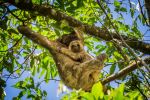
The landscape around Matagalpa provides access to forests, coffee estates, waterfalls, and protected areas. Selva Negra Mountain Resort lies in the surrounding highlands and combines a working coffee farm with forest habitat, trails, and birdwatching opportunities. The nearby Cerro Arenal Nature Reserve protects cloud forest and agricultural landscapes, while Apante Hill rises directly beside the city and offers trails through forested terrain. Visitors can also explore waterfalls and rural communities throughout the department. The combination of steep green hills, coffee plantations, rivers, and cooler mountain conditions distinguishes Matagalpa from Nicaragua's warmer lowland regions.
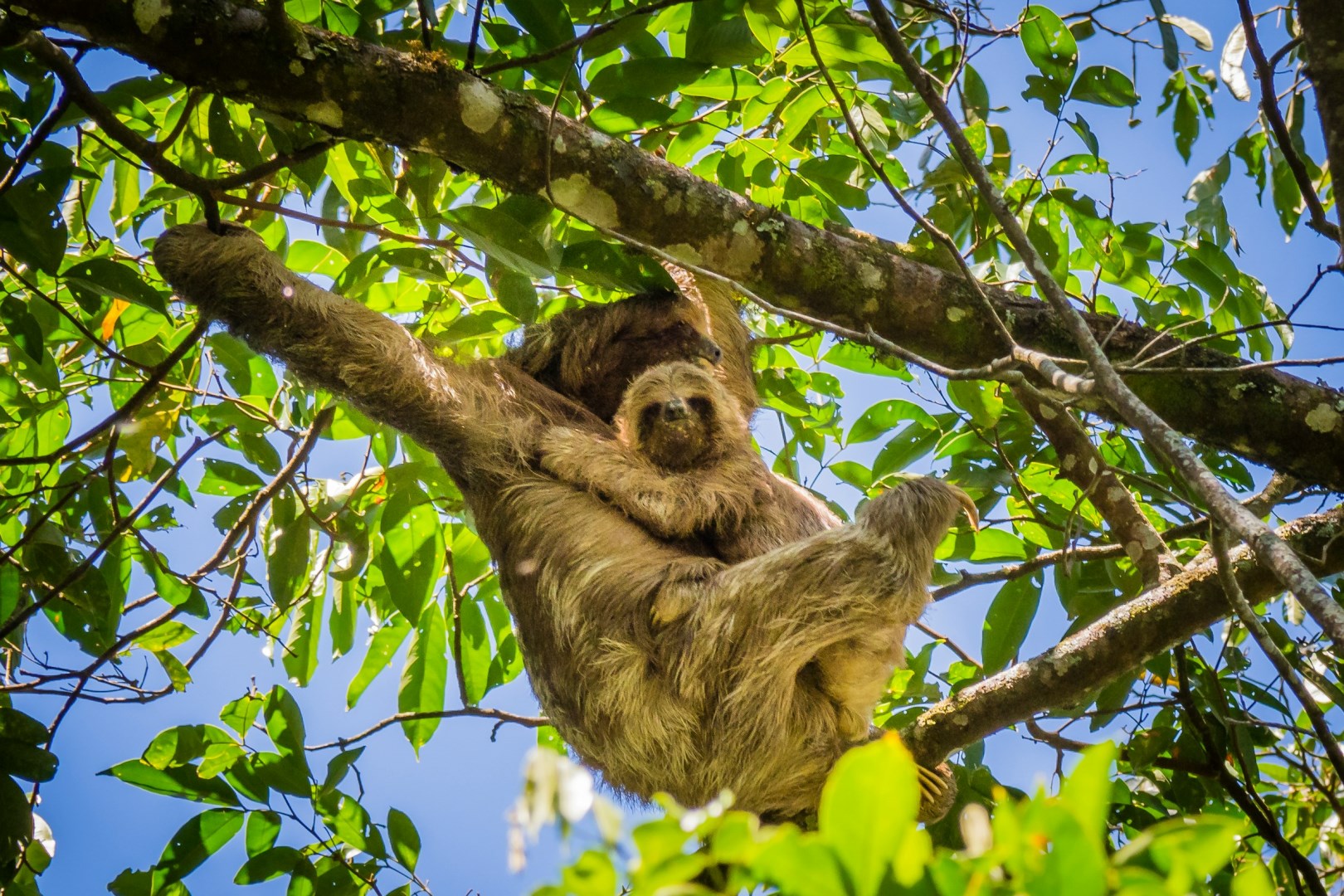
Coffee is the signature product of Matagalpa, and local farms produce beans that are processed for both domestic consumption and export. Coffee tours provide an opportunity to see cultivation, harvesting, processing, and roasting, depending on the season and farm. Regional cooking also includes Nicaraguan staples such as gallo pinto, tortillas, beans, cheese, and meat, while fresh produce from the surrounding farms is common in local markets. A distinctive feature of the area is the close relationship between coffee agriculture and forest ecosystems, with many plantations situated among shade trees that provide habitat for birds and other wildlife.
