




Central America | El Salvador | Concepción de Ataco
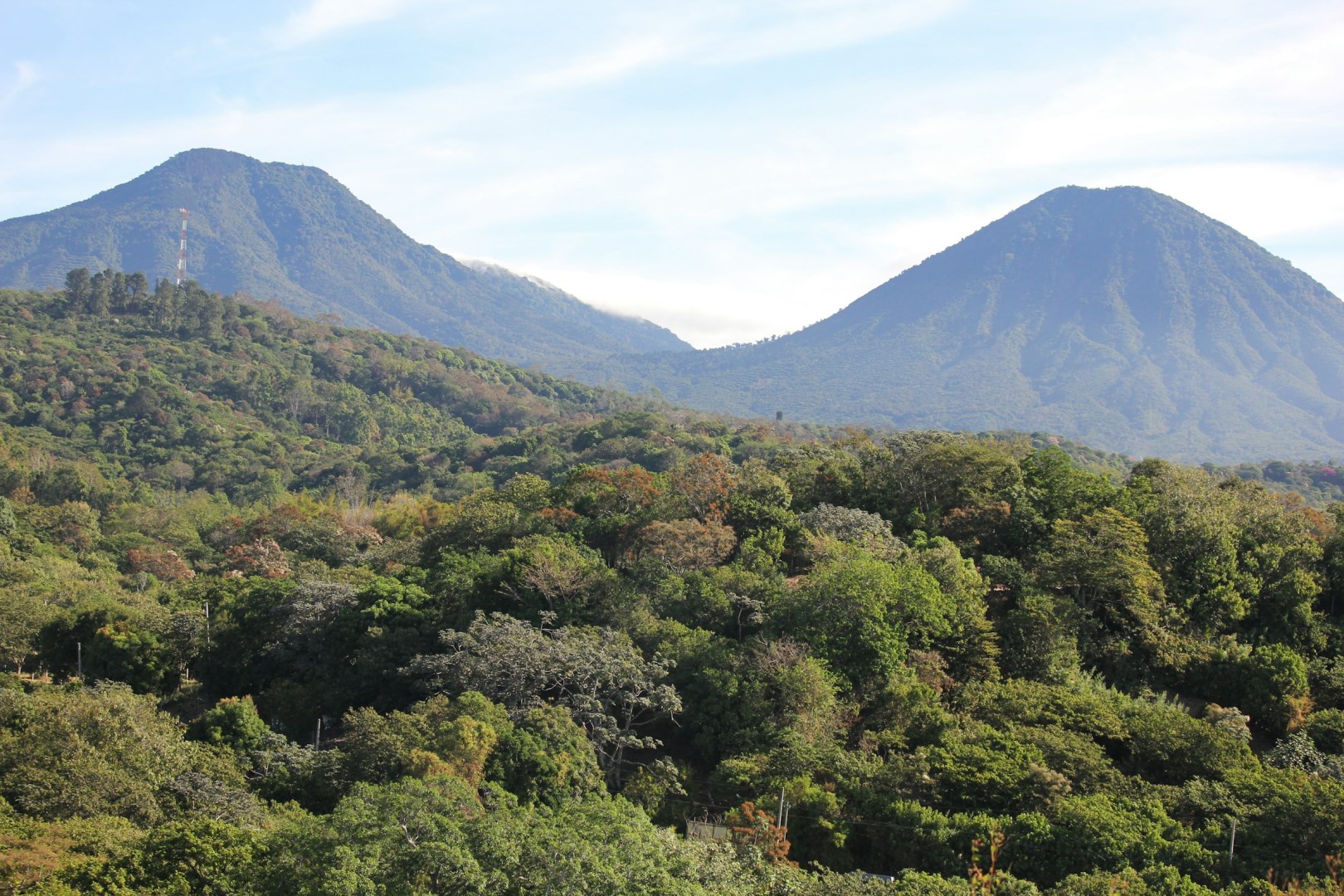
Concepción de Ataco is a mountain town in western El Salvador, located in the department of Ahuachapán along the Ruta de las Flores. At about 1,260 meters above sea level, it sits among forested hills and coffee plantations, giving the area a cooler climate than the country's lowlands. The town is known for cobblestone streets, colorful murals, traditional buildings, craft workshops, and small cafés. Its position in the Apaneca-Ilamatepec mountain range also places Ataco near waterfalls, thermal springs, gardens, and other highland landscapes that have helped make it an important destination in western El Salvador.
Ataco's cultural identity is closely connected to its mountain setting, coffee production, religious traditions, and local crafts. Visitors can explore weaving workshops, art studios, and the town's historic church, while the central streets display murals depicting local scenes and traditions. One of the area's best-known celebrations is Día de los Farolitos, when streets are decorated with handmade lanterns as part of a religious observance honoring the birth of the Virgin Mary. The town is also one of the principal communities along the Ruta de las Flores, a cultural route connecting several highland settlements.
The surrounding landscape offers several ways to explore the Apaneca-Ilamatepec highlands. Cerro de La Cruz provides views over Ataco and the surrounding coffee-growing hills, while nearby plantations offer coffee tours that explain cultivation and processing. Trails lead through forested areas, gardens, and rural landscapes, and the wider region contains waterfalls and thermal springs. The Ruta de las Flores connects Ataco with destinations including Apaneca, Juayúa, Salcoatitán, and Nahuizalco, each with its own natural and cultural attractions. Coffee farms are particularly prominent around Ataco, reflecting the importance of highland agriculture to the region.
Coffee is central to Ataco's food culture, with cafés and coffee farms offering locally grown beans alongside pastries and traditional Salvadoran dishes. Restaurants and food stalls in and around the central park serve specialties such as pupusas, tamales, yuca, grilled meats, and other regional foods. Local crafts provide another distinctive detail, particularly woven goods and handmade artwork displayed in workshops throughout town. The combination of cool highland conditions, coffee plantations, murals, cobblestone streets, and religious traditions gives Concepción de Ataco a clearly defined identity within the Ruta de las Flores and the wider Ahuachapán region.
Other Popular Destinations in El Salvador