

Africa | South Africa | St. Lucia
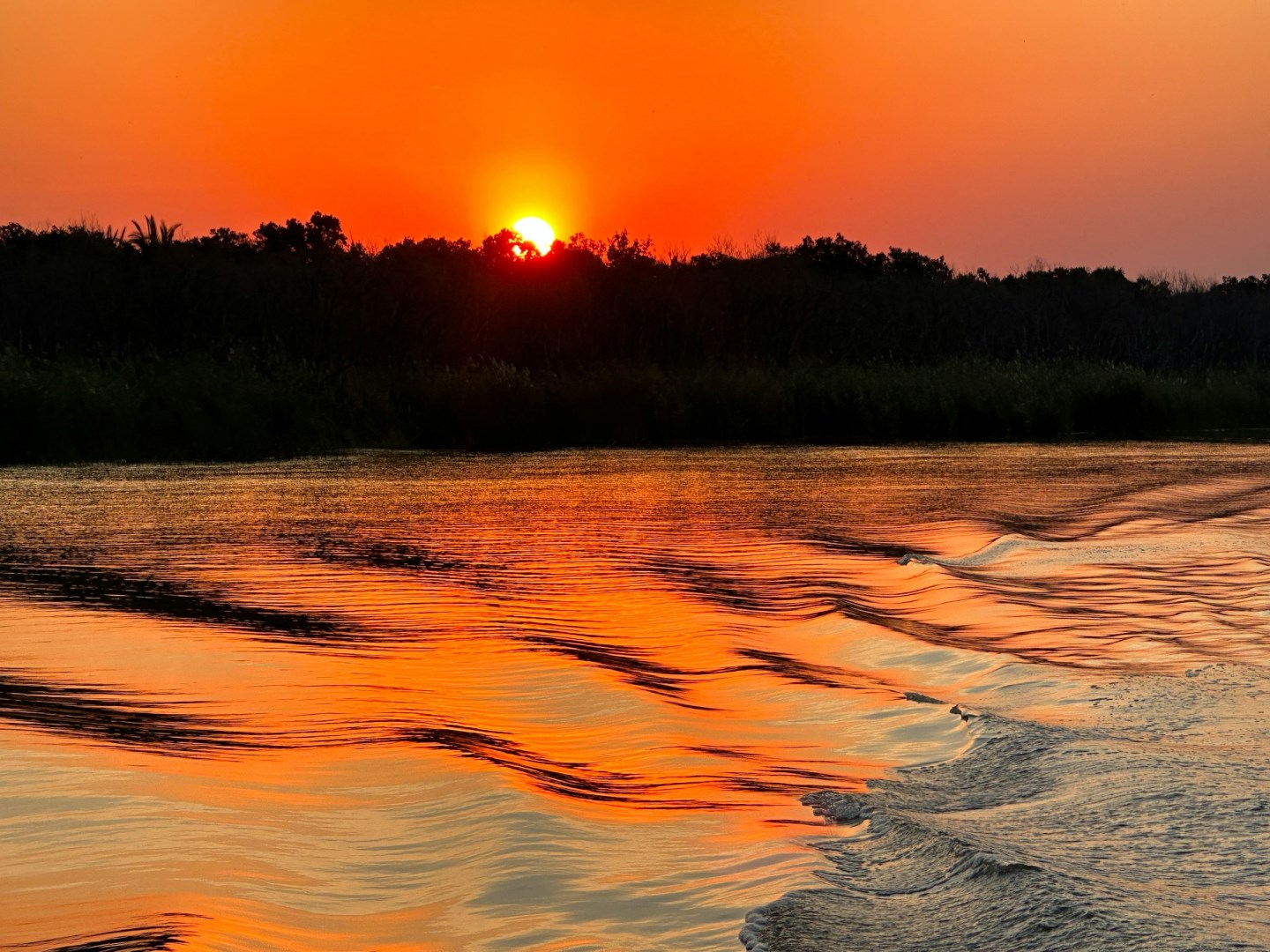

St Lucia is a small coastal town in northern KwaZulu-Natal, positioned beside the St Lucia Estuary and within the iSimangaliso Wetland Park. The town is surrounded by a landscape of wetlands, coastal forests, grasslands, dunes, lakes, and the Indian Ocean. Its location makes it a base for exploring one of South Africa’s most diverse protected areas, where freshwater and marine environments occur close together. The St Lucia Estuary is part of the largest estuarine system in southern Africa, while the town itself provides accommodation, restaurants, shops, and access points for exploring the surrounding wilderness.
St Lucia forms part of a region with strong Zulu cultural connections and a long history of fishing, farming, trade, and interaction with the coastal environment. The wider iSimangaliso area also contains evidence of long-standing human use, including traditional fishing practices and archaeological sites. Local culture is expressed through Zulu language, food, music, crafts, and community activities. The name iSimangaliso comes from isiZulu and refers to wonders or miracles, reflecting a traditional story associated with the area. Today, conservation and tourism are important parts of the local economy, alongside fishing, agriculture, and other community livelihoods.
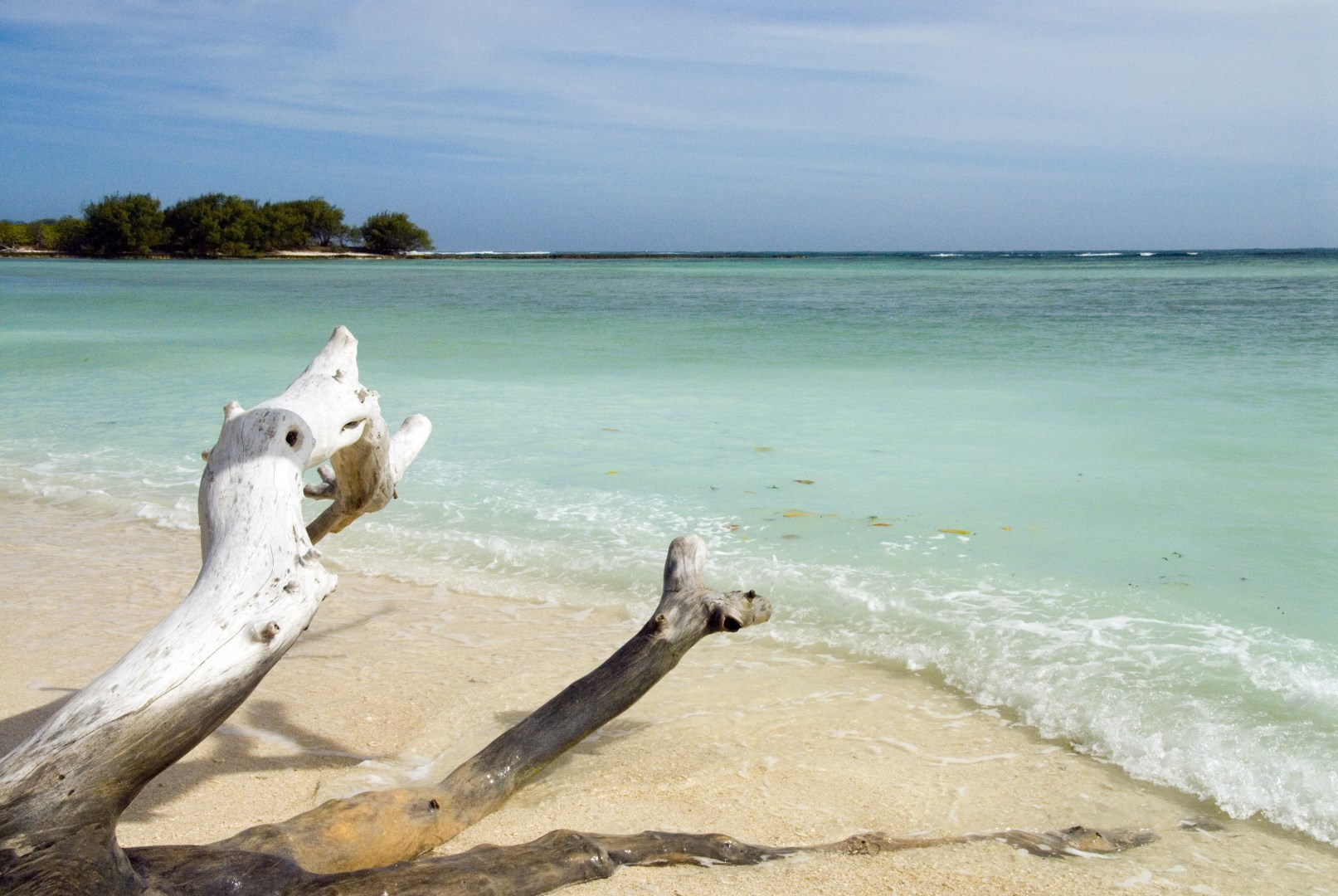
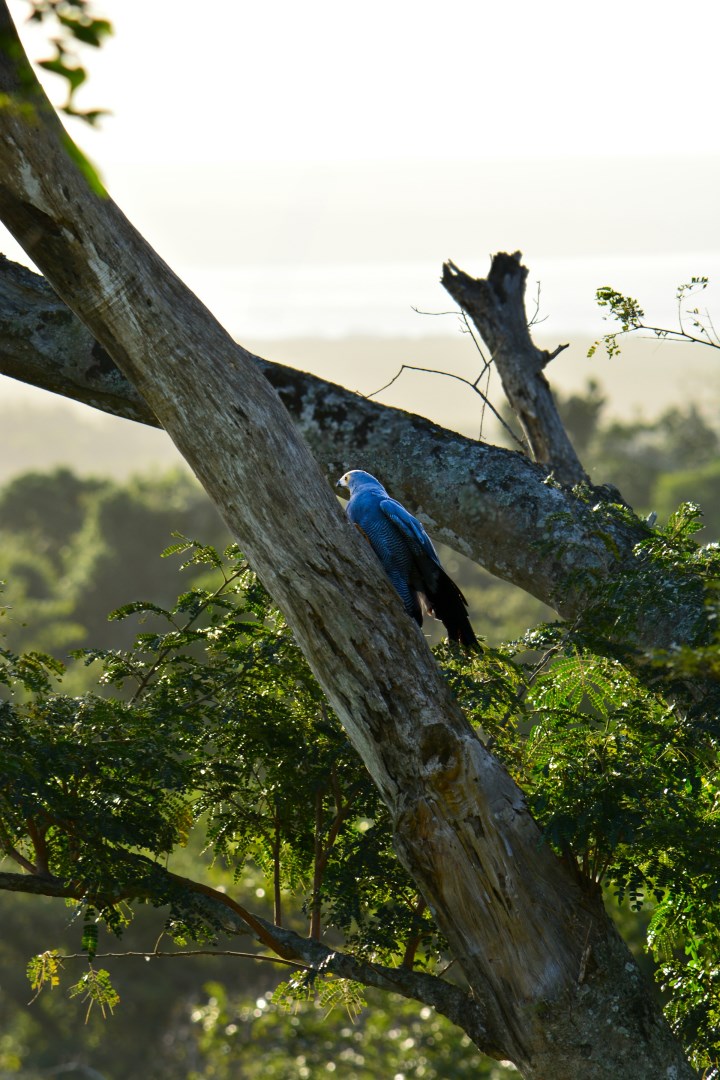
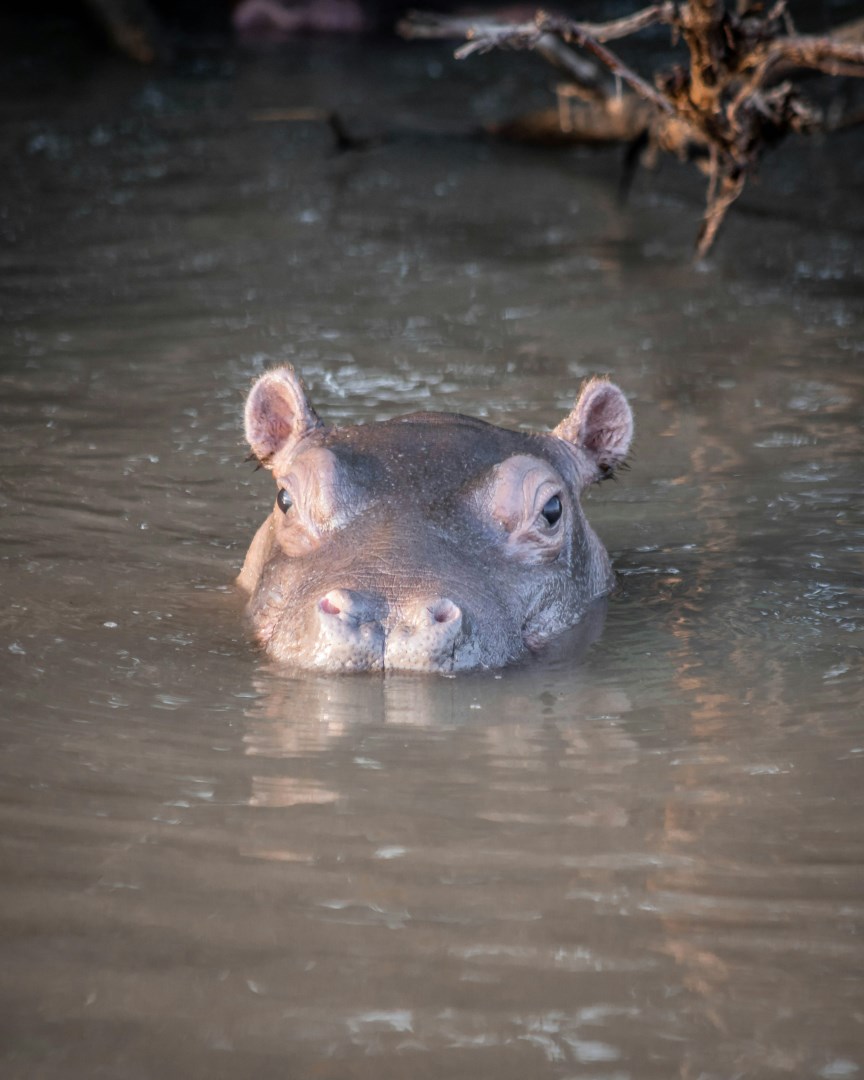
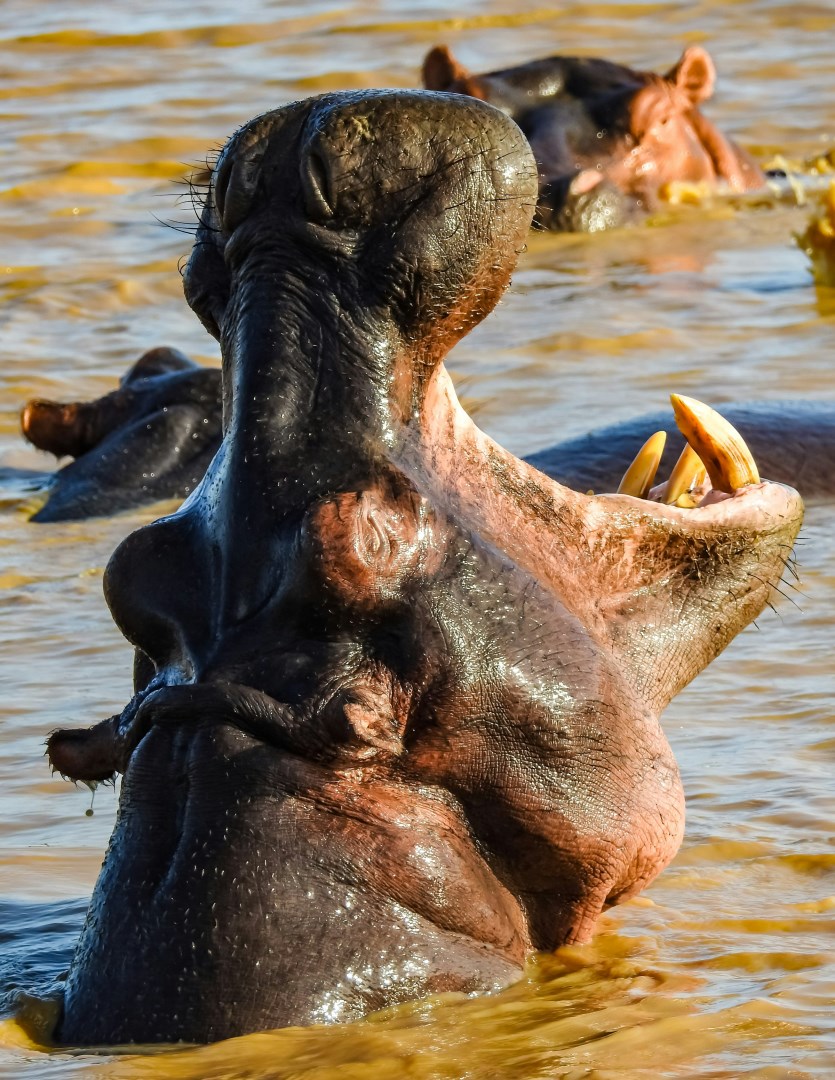
The iSimangaliso Wetland Park is the main attraction surrounding St Lucia and includes eight interconnected ecosystems, with Lake St Lucia, coastal forests, wetlands, grasslands, beaches, dunes, and marine habitats. Boat cruises on the estuary provide opportunities to see hippos, Nile crocodiles, and waterbirds, while game drives can reveal elephants, buffalo, rhino, giraffe, leopard, and other wildlife. The nearby Eastern Shores and Cape Vidal areas combine coastal forest, savanna, wetlands, and beaches. Loggerhead and leatherback turtles also nest along the protected coastline, while seasonal whale sightings occur offshore.
Food in St Lucia reflects the culinary traditions of KwaZulu-Natal, with seafood, grilled fish, prawns, rice, maize, vegetables, and locally produced fruit commonly appearing in restaurants and homes. Zulu-influenced dishes and South African staples such as pap, stews, grilled meats, and chakalaka are also part of the wider regional food culture. Fresh fish has a natural connection to the estuary and Indian Ocean coast. A distinctive feature of St Lucia is the close proximity of town and wildlife: hippos and other large animals can occur near the settlement, while the surrounding protected wetlands, forests, and beaches form a continuous ecological setting around the community.
Other Popular Destinations in South Africa