





Canada | British Columbia | Radium Hot Springs
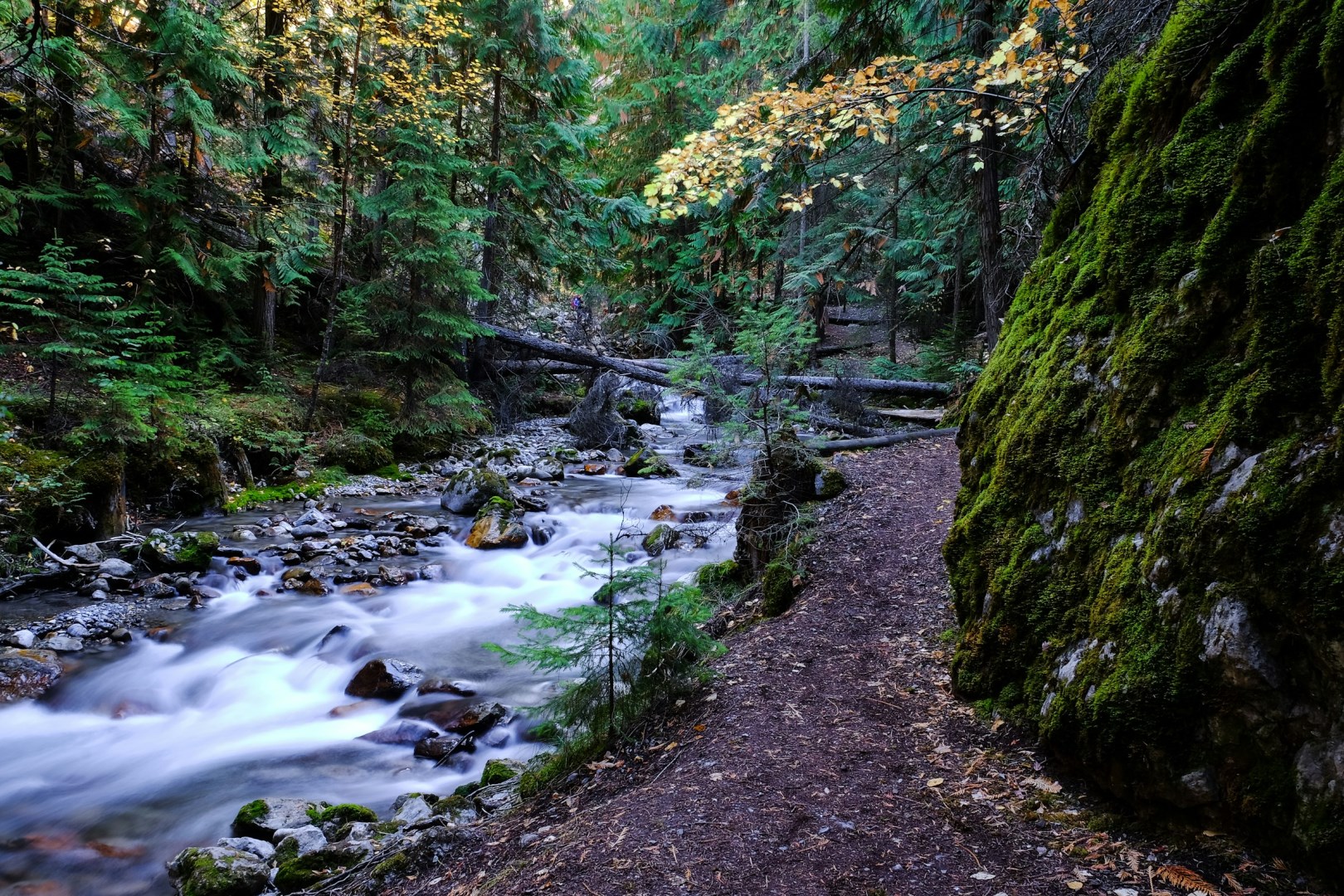
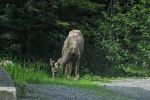
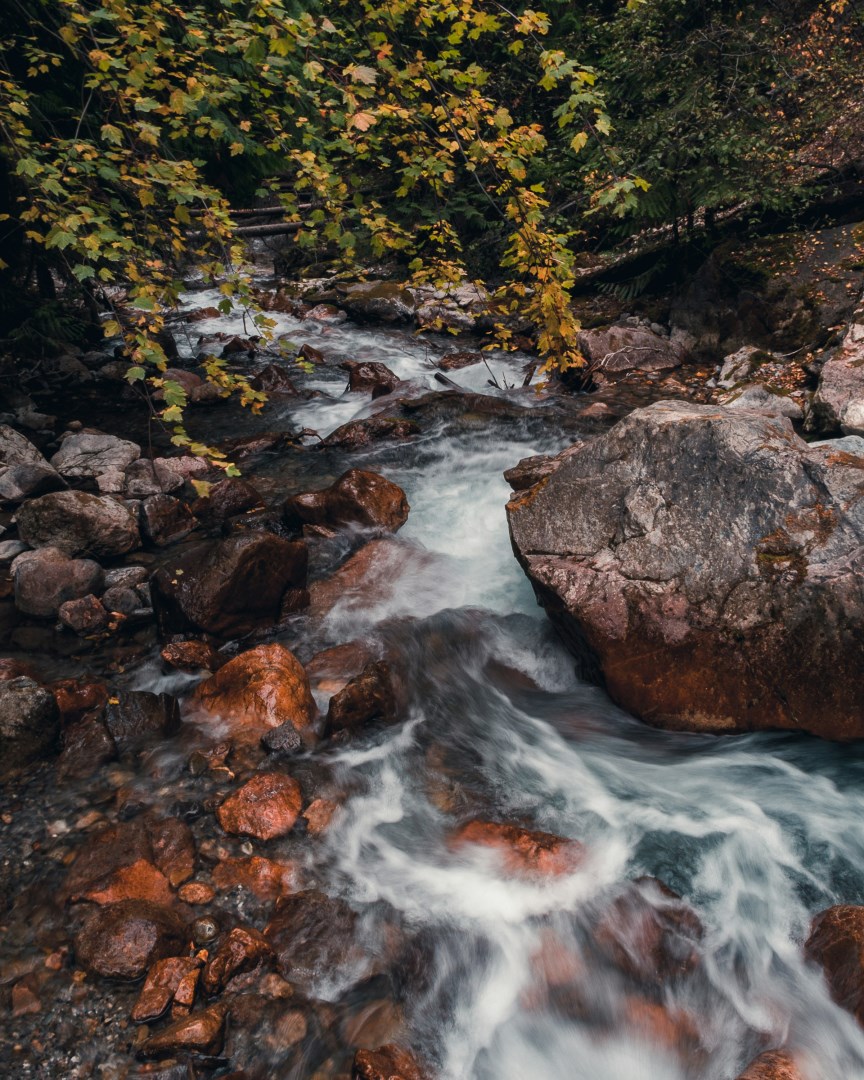
Radium Hot Springs is a small community in southeastern British Columbia, located in the Columbia Valley at the entrance to Kootenay National Park. The village sits between the Purcell and Rocky Mountains, with the Columbia River and wide valley landscapes nearby. It is best known for its mineral hot springs, where naturally heated water emerges from the mountains and is used in the Radium Hot Springs pools. The community also provides access to Kootenay National Park, making it a convenient base for exploring mountain valleys, forests, rivers, and wildlife habitats in the region.
The area around Radium Hot Springs lies within the traditional territories of the Ktunaxa Nation, whose connections to the Columbia Valley extend through travel, hunting, fishing, gathering, and cultural practices. The community's later development was closely associated with the hot springs and the construction of transportation routes through the Columbia Valley. The nearby town and the springs take their name from the naturally occurring radium found in the mineral water. Today, the area retains a strong connection to the surrounding mountain landscape, while tourism, recreation, and services form important parts of the local economy.
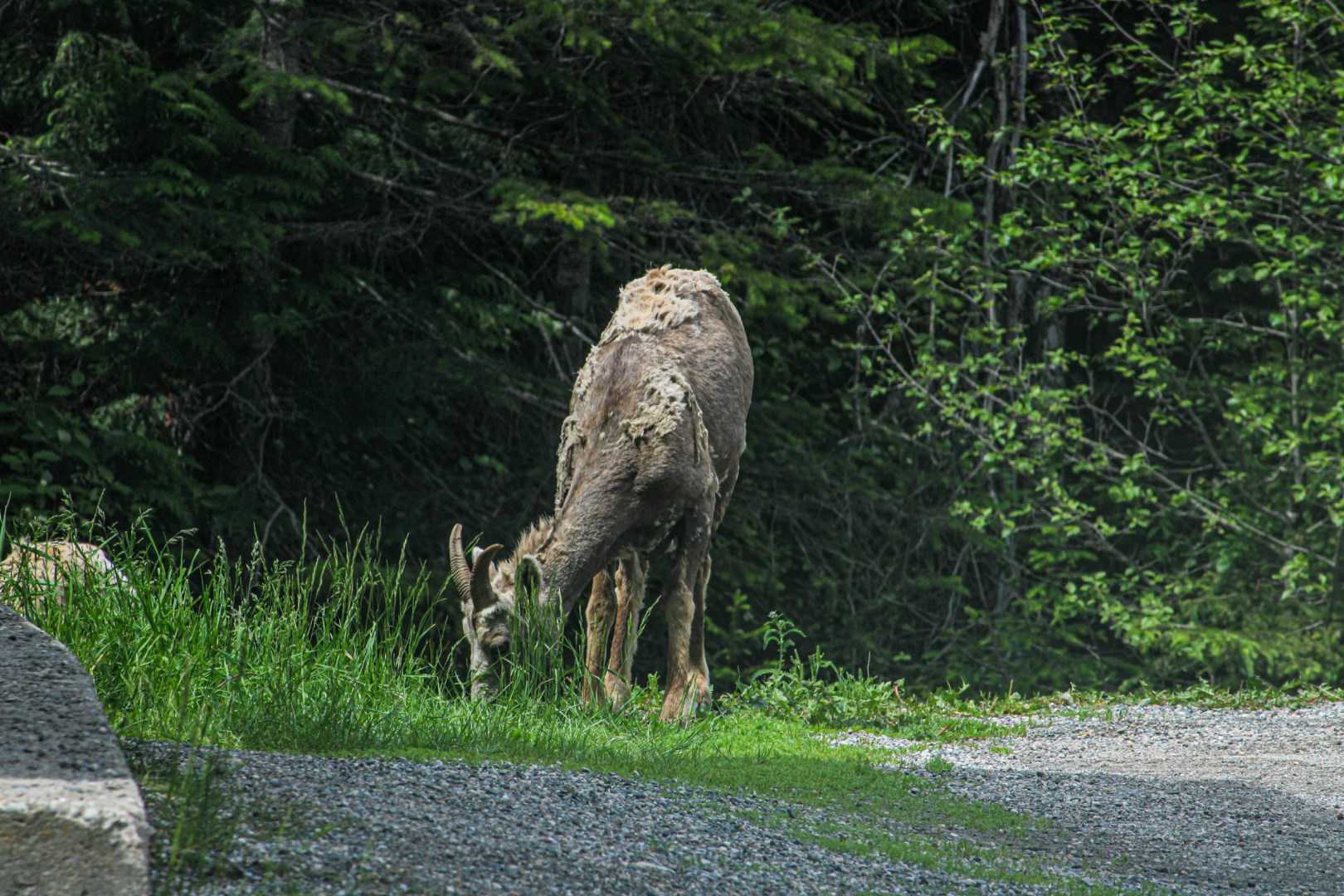
Kootenay National Park begins near Radium Hot Springs and contains a varied landscape of limestone cliffs, glaciers, forests, alpine meadows, and river valleys. The Sinclair Canyon trail leads from the community toward the park and passes beneath steep rock walls. The Columbia Valley also provides opportunities for hiking, cycling, fishing, wildlife viewing, and golfing. Mountain goats, bighorn sheep, elk, deer, black bears, and grizzly bears inhabit the wider region. The Columbia River Wetlands, located near the community, form an important habitat for waterfowl, amphibians, fish, and other wildlife.
The Radium Hot Springs pools are the area's defining feature, with naturally mineralized water emerging from the mountains and maintained as a public bathing facility. Local restaurants and food businesses draw on ingredients common to British Columbia's Interior, including beef, game meats, berries, vegetables, and freshwater fish. The Columbia Valley is also known for its orchards and agricultural products, particularly farther south around Windermere and Invermere. Another distinctive feature is the dramatic transition between the dry valley floor and the forested mountain slopes, which brings several different habitats into a relatively compact area around Radium Hot Springs.
Other Popular Destinations in British Columbia


