




Africa | South Africa | Robben Island
Robben Island lies in Table Bay off the coast of Cape Town and is one of South Africa’s most significant heritage sites. The island is best known for its former prison, where political prisoners opposed to apartheid were held, including Nelson Mandela. Its landscape also contains a lighthouse, historic buildings, military remains, quarries, and areas of natural vegetation. Today, Robben Island is managed as a museum and World Heritage Site, with tours helping visitors understand its layered history. The island’s location in Table Bay also provides views toward Cape Town and Table Mountain.
Robben Island has served several different purposes, including a prison, hospital, military base, and place of isolation. Its history includes the imprisonment of political and religious figures, as well as people classified as socially undesirable under earlier colonial administrations. The maximum-security prison became particularly associated with the apartheid era and the struggle against racial segregation. Nelson Mandela spent many years imprisoned on the island, and other political prisoners included Walter Sisulu, Govan Mbeki, and Ahmed Kathrada. The site now preserves these stories as part of South Africa’s wider history of resistance, political change, and reconciliation.
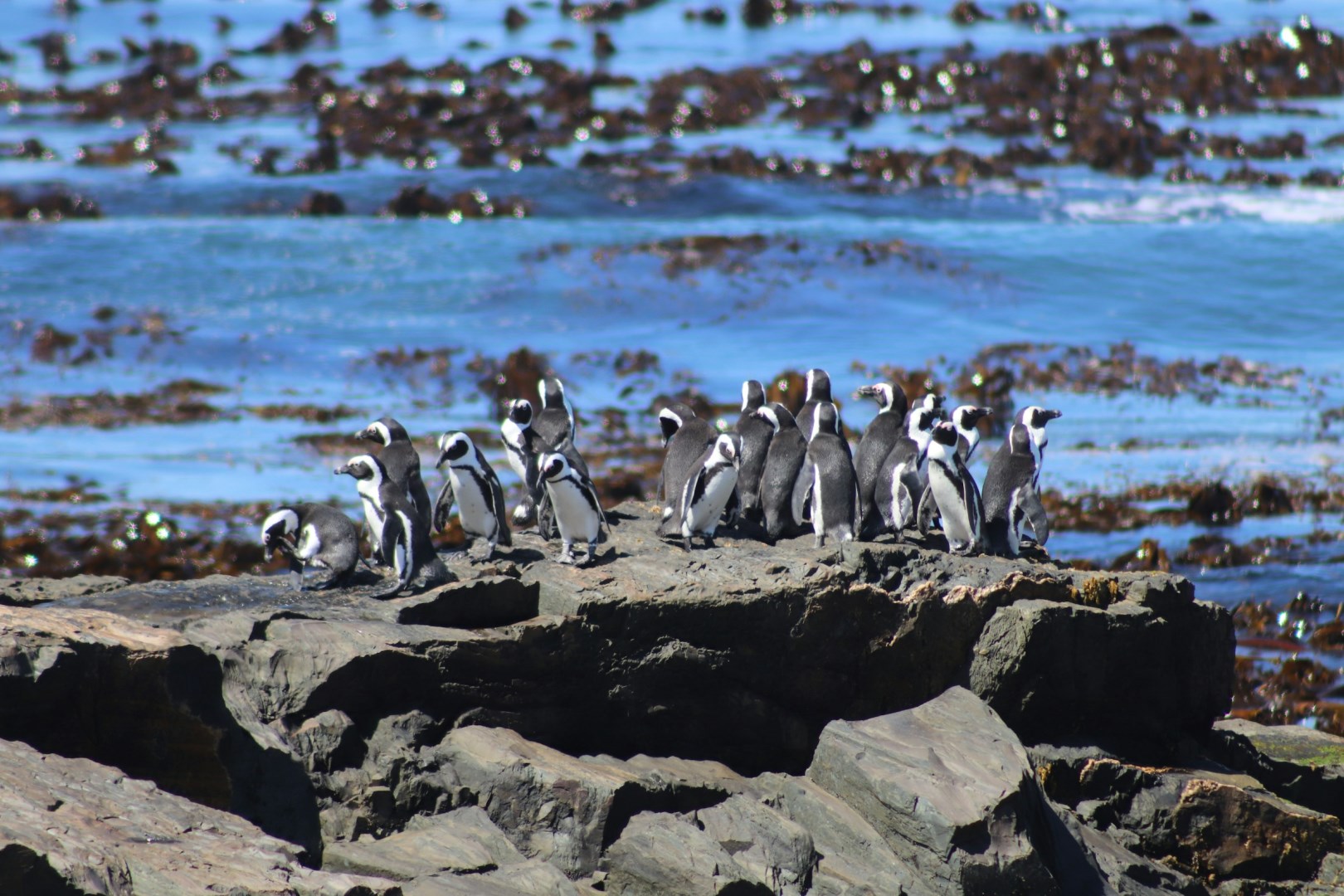
The island’s main attraction is the former Maximum Security Prison, where guided tours include the prison sections and Mandela’s former cell. Other surviving features include the Murray’s Bay Harbour area, the lighthouse, the Garrison Church, World War II military structures, historic administrative buildings, and limestone quarries. Robben Island also has a distinctive natural environment shaped by its position in Table Bay, with coastal vegetation and marine surroundings supporting seabirds and other wildlife. Ferries depart from the Nelson Mandela Gateway at Cape Town’s V&A Waterfront, and the standard island tour combines the ferry journey with a guided visit.
Robben Island’s most distinctive feature is the way its physical landscape preserves several layers of South African history in a relatively small area. The island contains the tomb of Hadije Kramat, historic religious and institutional buildings, and remnants of earlier settlements alongside the prison complex. Its waters and coastal setting also reflect the island’s long relationship with shipping around the Cape. Rather than functioning mainly as a recreational destination, Robben Island serves as a place of remembrance and education, with the museum maintaining archives, conservation programmes, exhibitions, and guided experiences focused on the island’s cultural and political significance.
