



South Pacific | Micronesia | Pohnpei
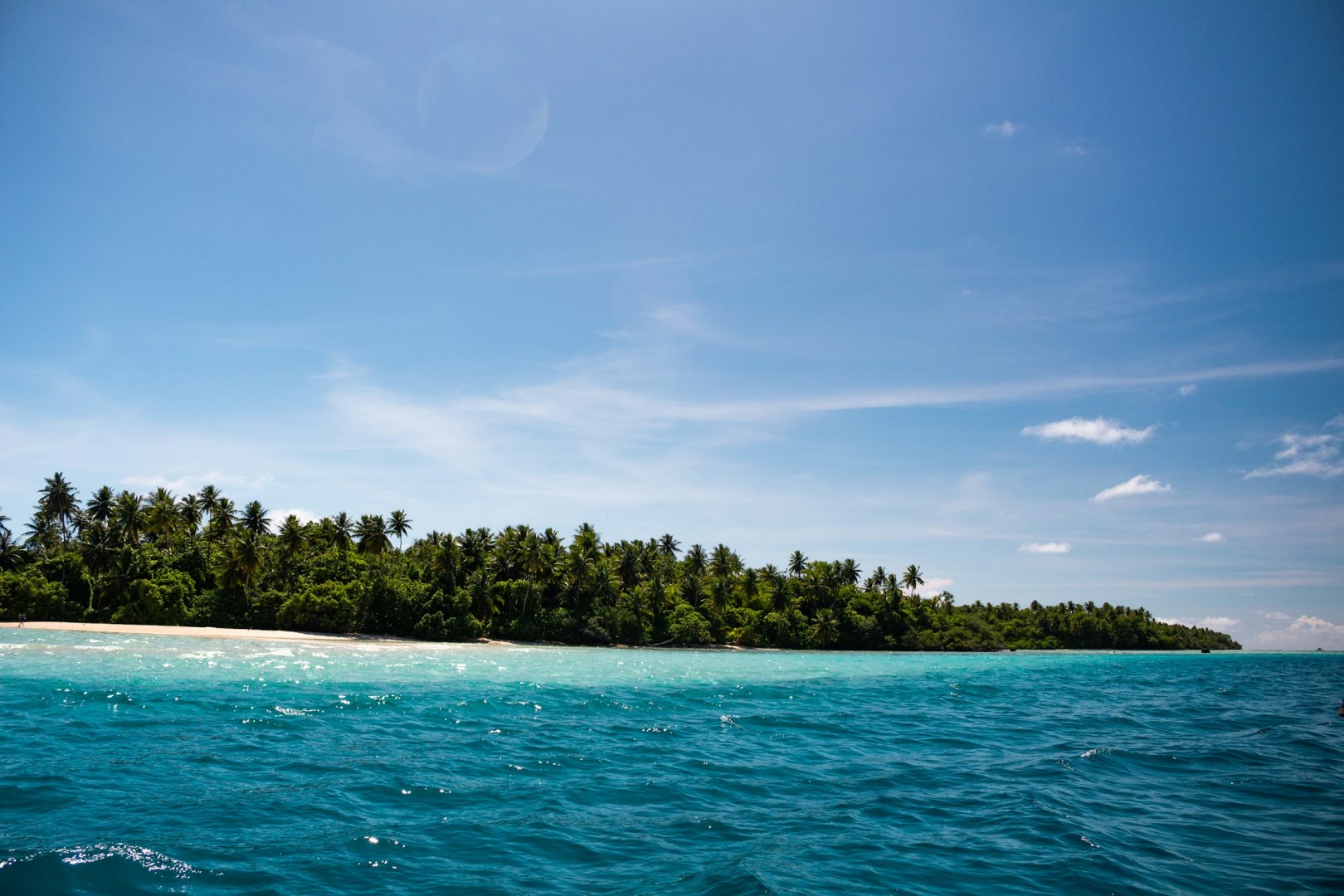
Pohnpei is the largest island in the Federated States of Micronesia and the administrative center of Pohnpei State. It lies in the western Pacific and is known for its mountainous interior, dense tropical vegetation, and high rainfall. The island is surrounded by a barrier reef and numerous small islets, creating a landscape of forested slopes, mangroves, rivers, and coastal waters. Kolonia serves as the main commercial town, while Palikir, on the island’s western side, is the capital of the Federated States of Micronesia. Pohnpei’s combination of traditional communities and largely undeveloped natural areas gives it a distinctive character within Micronesia.
Pohnpei has a strong traditional culture shaped by clan relationships, chiefly systems, and customary practices. The island is associated with the Pohnpeian language and several local dialects, while English is widely used in government and education. One of its most important cultural sites is Nan Madol, a complex of artificial islets and stone structures built on a shallow lagoon off the southeast coast. Oral traditions connect Nan Madol with the Saudeleur dynasty and the island’s traditional political history. Local ceremonies, community gatherings, and traditional food preparation remain important parts of cultural life.
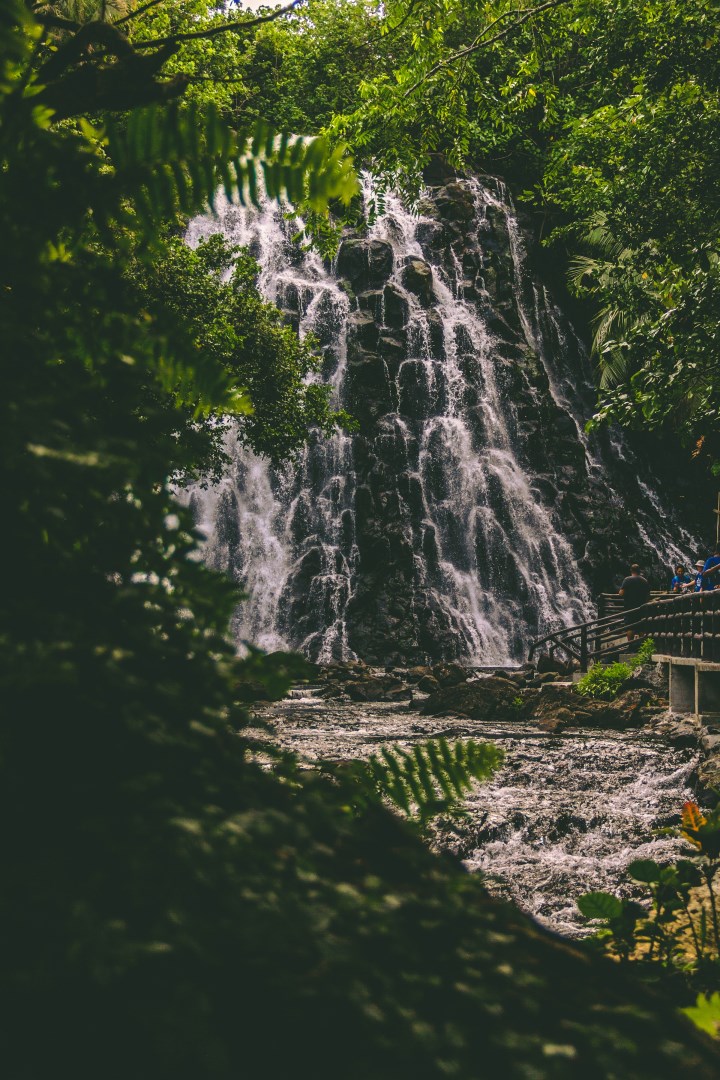
Pohnpei’s environment is dominated by steep forested mountains, with Mount Nanlaud rising to about 791 meters and forming the highest point in the Federated States of Micronesia. Waterfalls and streams are common, including Kepirohi Waterfall and Liduduhniap Falls, while Sokehs Rock provides a prominent landmark near Kolonia. The island’s surrounding waters support coral reefs, mangroves, and marine habitats suitable for snorkeling and diving. Nan Madol is the best-known archaeological attraction, with basalt walls, canals, tombs, and ceremonial structures spread across a lagoon landscape.
Local Pohnpeian food makes extensive use of breadfruit, taro, yam, coconut, fish, and other seafood. Sakau, a traditional drink made from the pepper plant Piper methysticum, has an important place in social and ceremonial gatherings and is prepared by pounding the plant’s roots and mixing them with water. Pohnpei is also known for betel nut use and for produce grown in its fertile volcanic soils. The island’s forests contain many endemic plants and animals, while its waters provide opportunities to see reef fish, sea turtles, and other marine species. Its exceptionally wet climate supports thick vegetation across much of the island.
