
Russia & Northwest Asia | Armenia | Khndzoresk
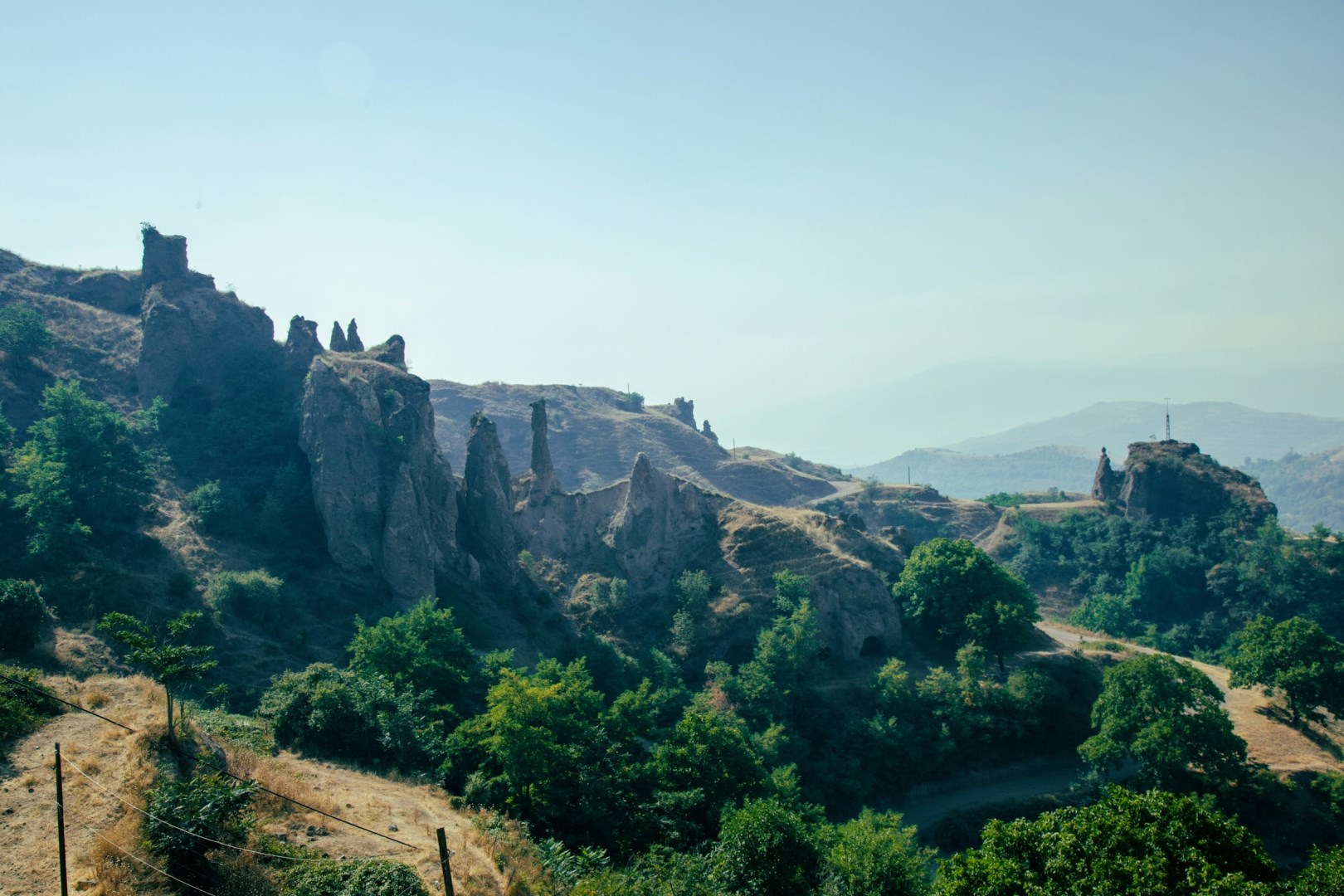
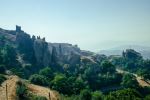
Khndzoresk is a village in Armenia's Syunik Province, near the town of Goris, known for a deep gorge containing an extensive historic cave settlement. Old Khndzoresk developed along the steep sides of the gorge, where natural cavities were enlarged and adapted into homes, storage spaces, stables, and other parts of a community. The surrounding landscape is formed by volcanic rock, cliffs, and green slopes that contrast with the pale stone of the gorge. The modern village stands above the historic settlement, while paths descend into the canyon and connect visitors with its caves, churches, springs, and rock formations.
Old Khndzoresk was once a substantial community with homes, schools, workshops, churches, and agricultural spaces incorporated into the gorge. Its cave dwellings remained in use into the mid-20th century, making the settlement an unusually well-preserved example of traditional adaptation to the local landscape. The site is also associated with Mkhitar Sparapet, an Armenian military leader whose tomb lies near the Anapat hermitage. St. Hripsime Church and the cave church of St. Tadevos are among the surviving religious structures. The settlement's layered history reflects the close relationship between community life, defensive geography, and the natural rock.
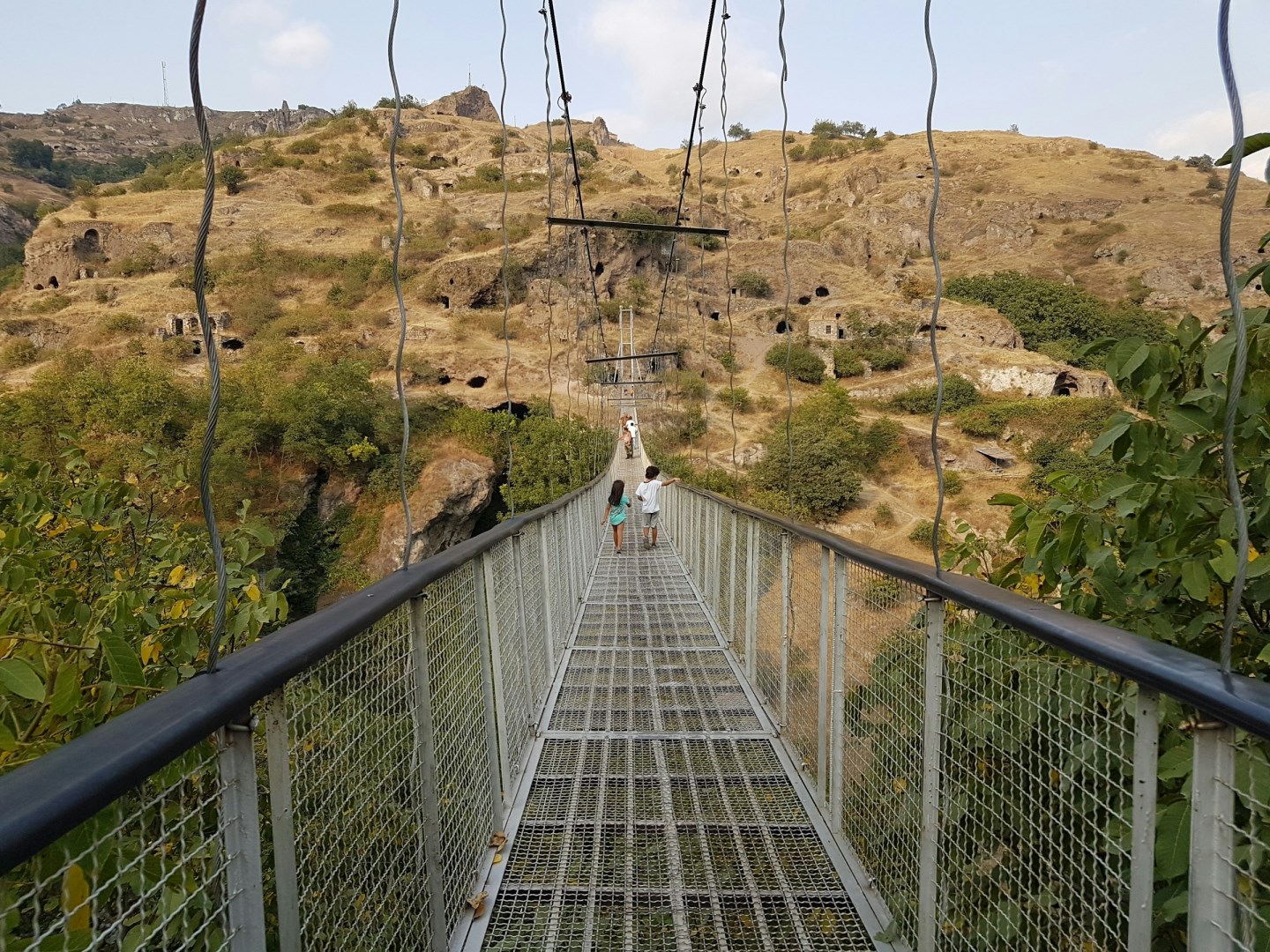
The main route through Old Khndzoresk follows paths into the gorge and passes cave dwellings, rock formations, churches, springs, and remnants of former homes. A 160-meter suspension bridge crosses the gorge and connects its two sides, providing views across the cliffs and the former settlement. St. Hripsime Church is one of the best-known landmarks, while the Anapat hermitage and Mkhitar Sparapet's tomb add further historical interest. The surrounding Syunik landscape offers additional hiking opportunities, with the nearby town of Goris providing access to other regional attractions, including Tatev Monastery and its mountainous surroundings.
Food in Khndzoresk reflects the agricultural traditions of Syunik, where beans, grains, dairy products, meat, herbs, and locally grown fruit are important ingredients. The wider Goris area is particularly associated with Goris beans, while regional dishes include tolma, ghapama, qyalagyosh, and summer khashlama prepared with vegetables. Local cheeses and fruit-based products are also part of the area's rural food culture. Khndzoresk is distinctive for the way its historic settlement occupies the walls of a natural gorge, with cave homes, churches, springs, and paths integrated into the rock. The site provides a clear example of how people adapted their built environment to the landscape.
Other Popular Destinations in Armenia