




East and Southeast Asia | Vietnam | Perfume River
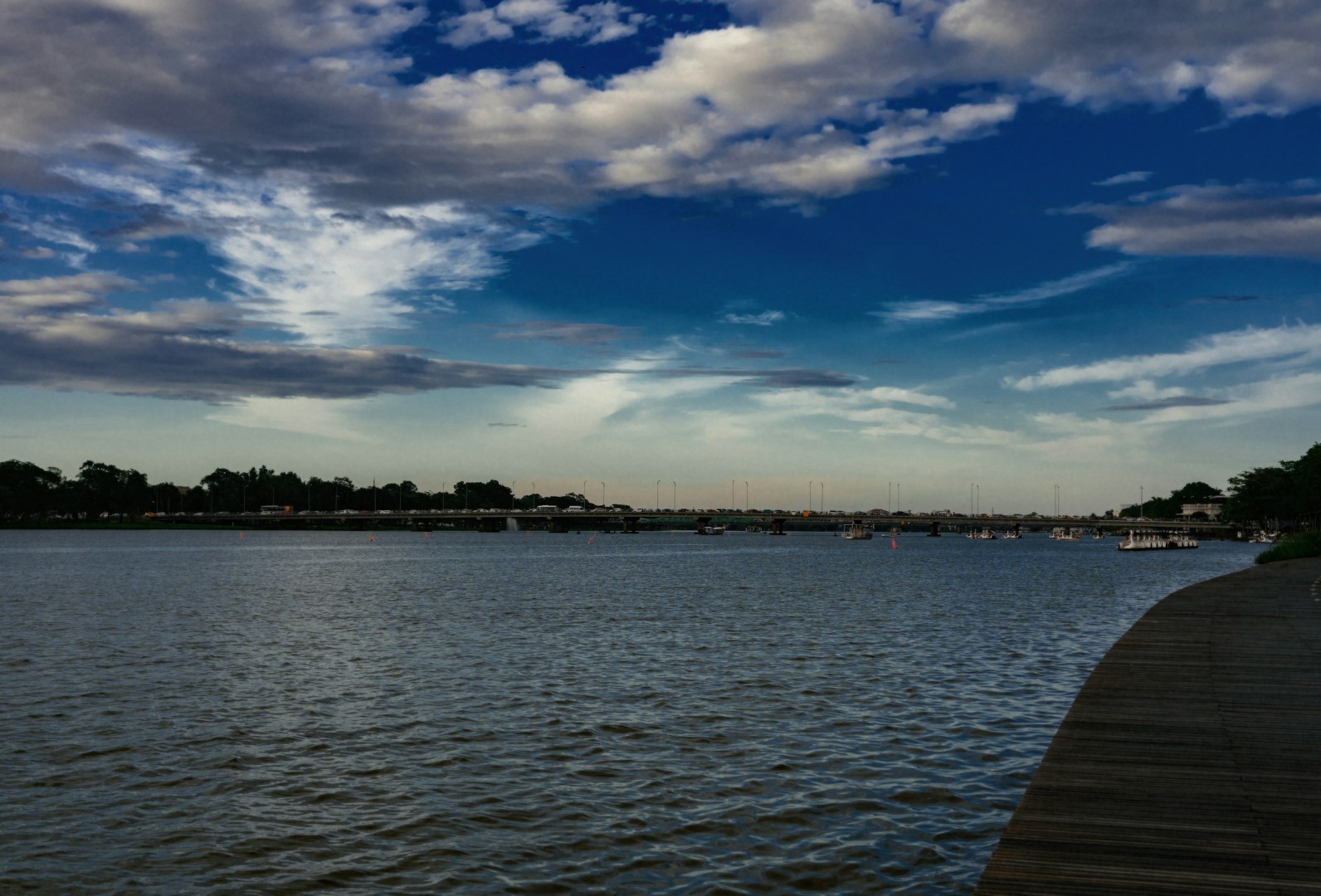

The Perfume River flows through Hue in central Vietnam, linking the city's historic districts with the surrounding countryside before reaching the Tam Giang–Cau Hai lagoon system. The river is a defining feature of Hue's landscape, passing beneath bridges, alongside gardens, and past important imperial and religious landmarks. Its broad waterway is bordered by low hills and fertile plains, while boats remain part of the river scene. The river's name comes from the traditional association with fragrant plants and flowers carried downstream from its upper reaches. Its course has long connected Hue's urban center with the wider region.
The Perfume River is closely connected with Hue's royal heritage and local religious traditions. The Nguyen Dynasty's former imperial capital developed along its banks, and several important monuments stand near the river or along its tributaries. The Hue Imperial City, Thien Mu Pagoda, and royal tombs form part of the broader cultural landscape associated with the waterway. Thien Mu Pagoda, positioned on a hill overlooking the river, is one of Hue's most recognizable religious landmarks. Local festivals, boat ceremonies, and traditional music performances have also contributed to the river's cultural role and its place in the identity of Hue.
A river journey provides views of Hue's historic architecture and surrounding countryside from the water. Thien Mu Pagoda is commonly visited by boat, while the river passes near the Citadel and several former royal sites. The Tomb of Khai Dinh, Tomb of Minh Mang, and Tomb of Tu Duc are located farther from the central riverfront but form part of the wider network of imperial landscapes around Hue. Along the river, gardens, wooded hills, agricultural fields, and villages create a gradual transition from the city to rural areas. The river is also an important component of the Hue Monuments Complex, a UNESCO World Heritage site.
Food associated with the Perfume River is part of Hue's broader culinary tradition, which is known for refined dishes originally connected with the former royal court as well as everyday central Vietnamese cooking. Local specialties include bun bo Hue, a spicy beef noodle soup, banh beo, steamed rice cakes topped with savory ingredients, and banh khoai, a crisp filled pancake. Restaurants and markets around Hue serve freshwater and coastal seafood from the surrounding waterways and lagoon systems. Traditional dragon boats and smaller river craft are also distinctive sights, connecting the river's scenery with transportation, tourism, and local cultural life.
Other Popular Destinations in Vietnam


