
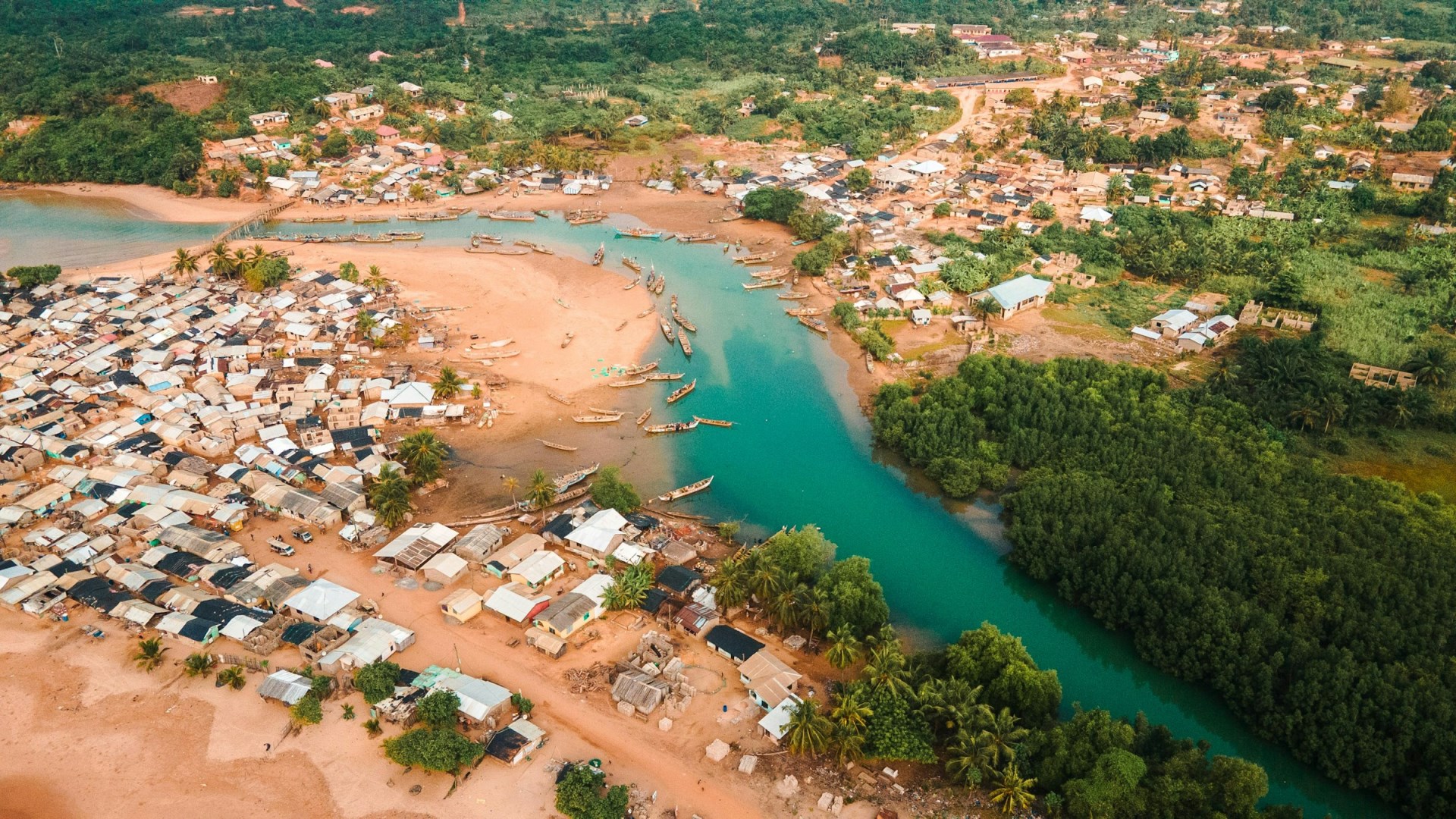


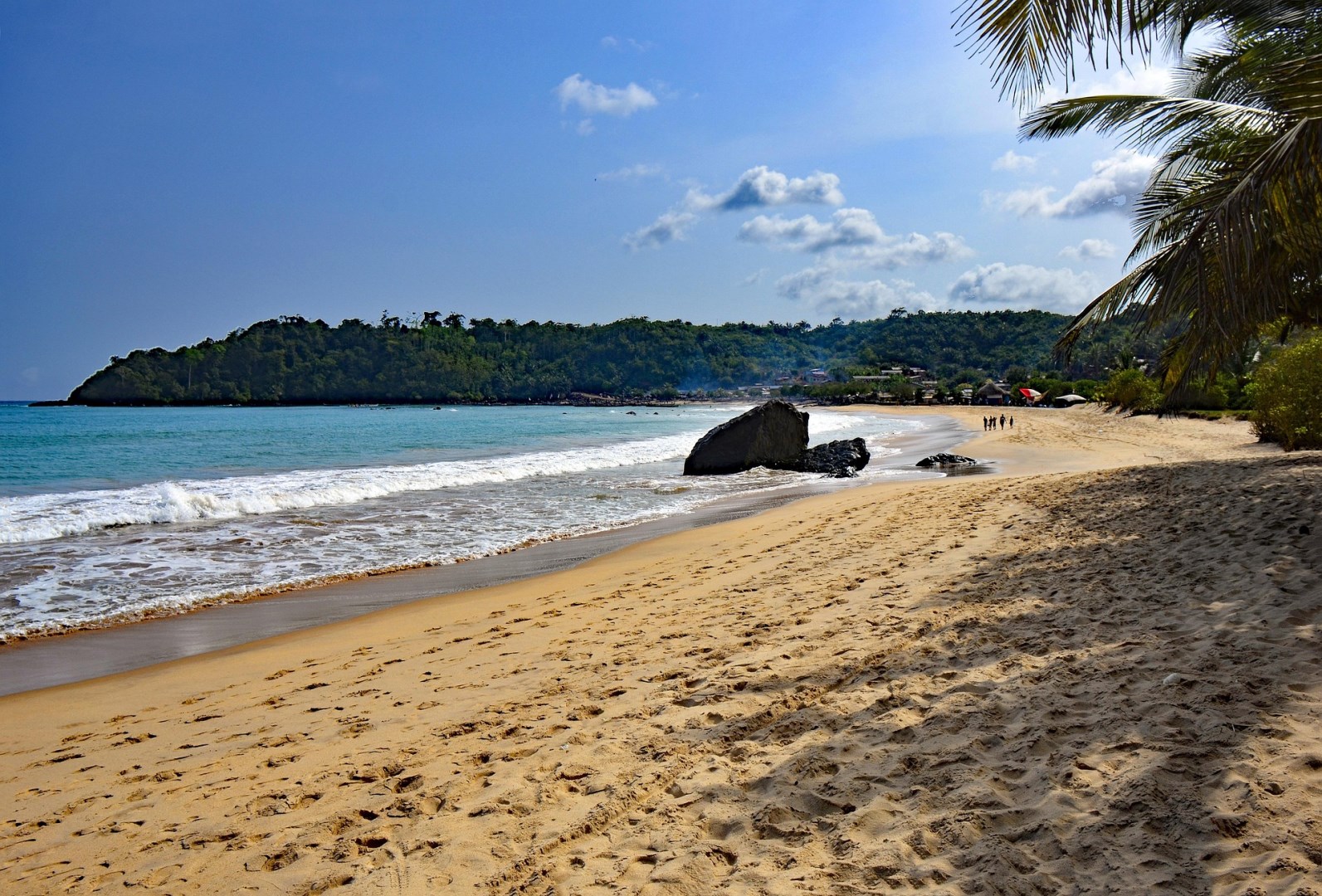
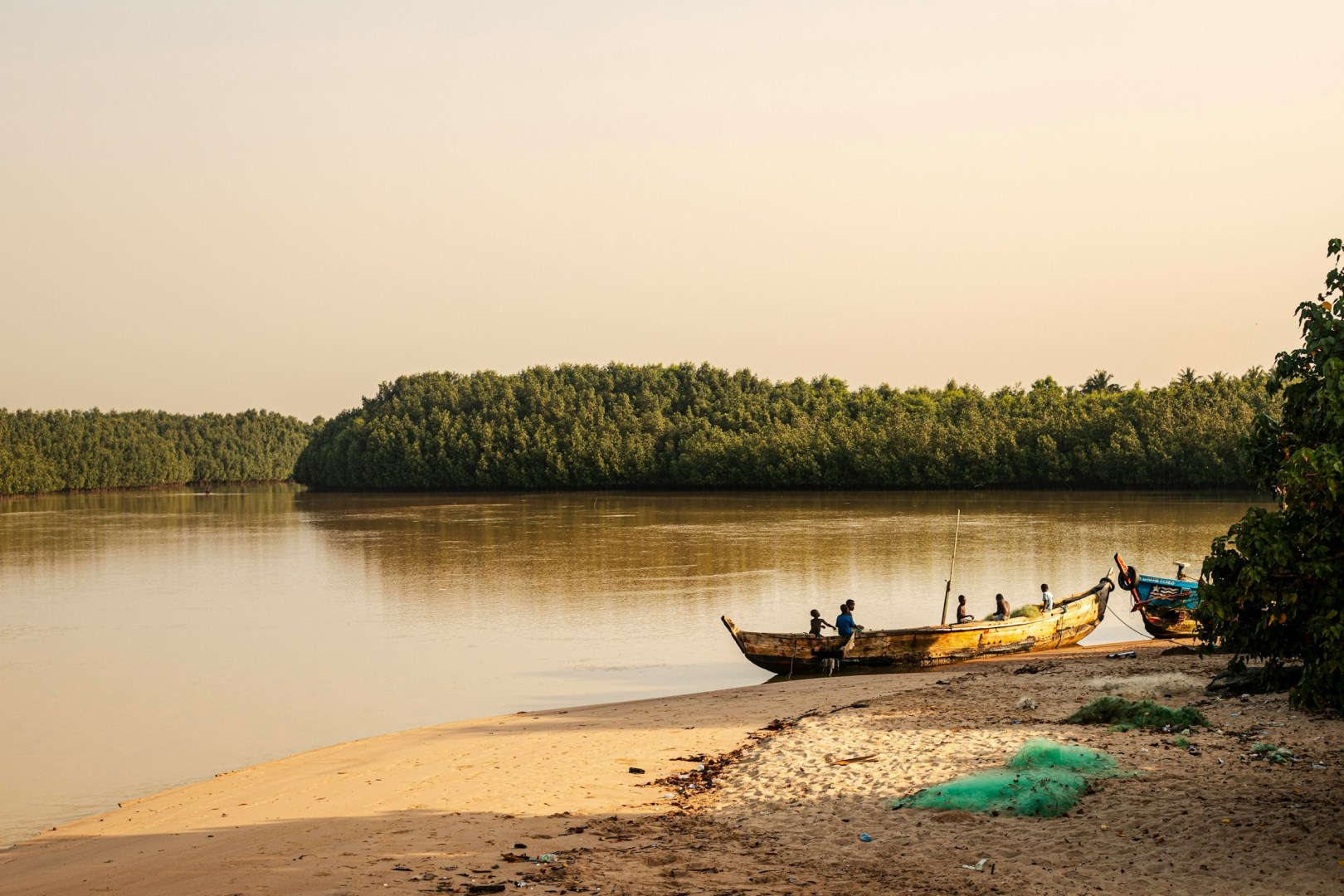
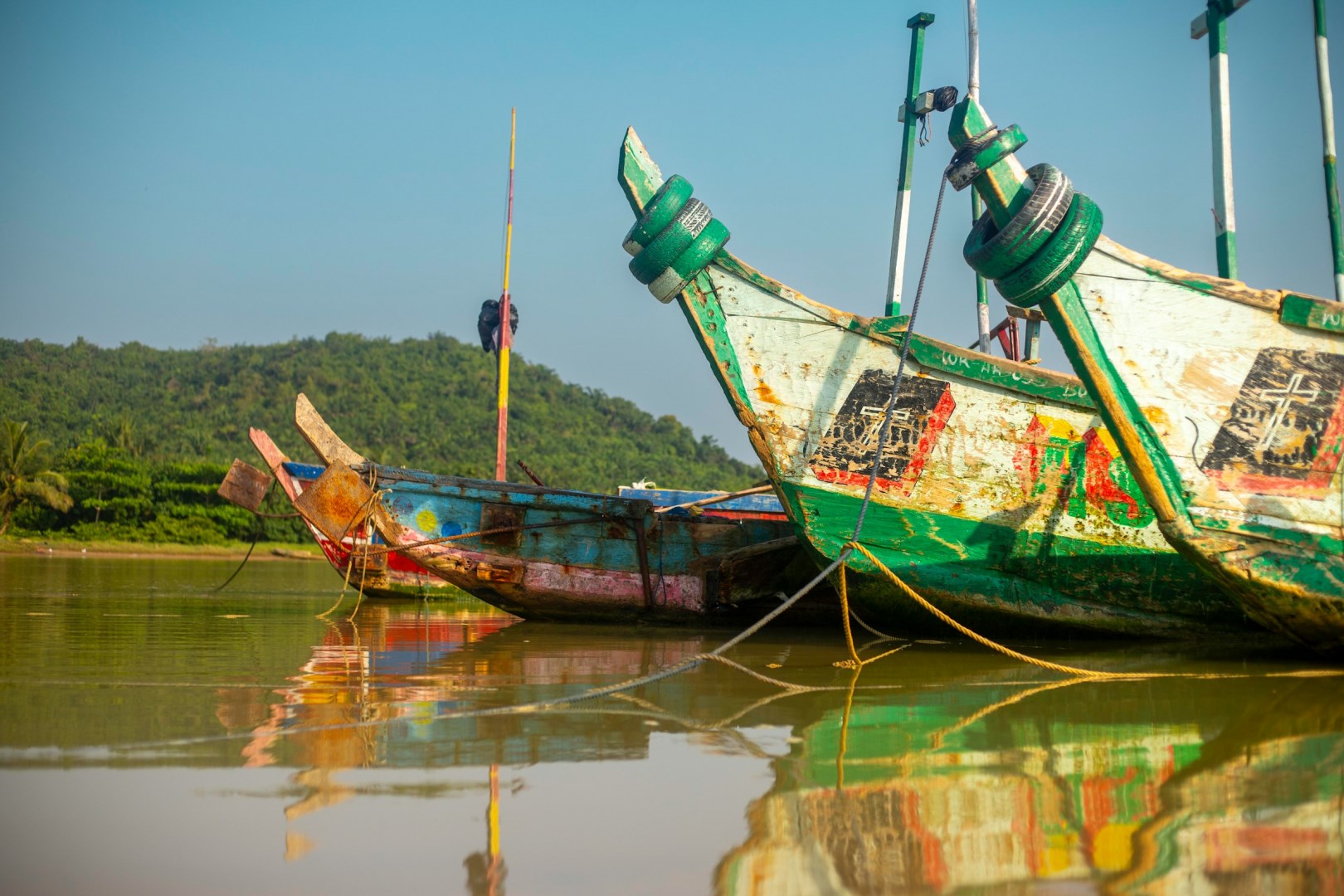
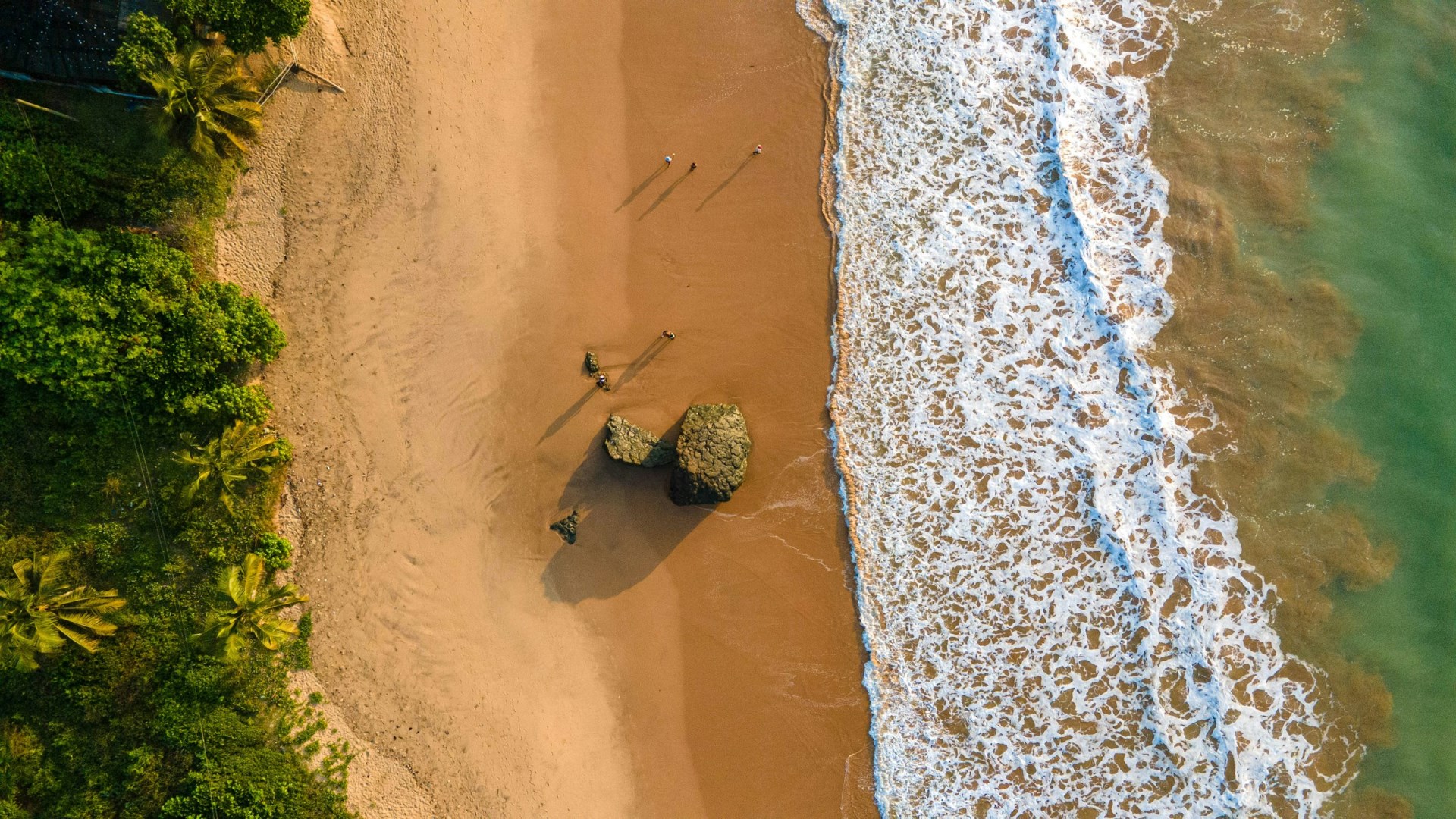
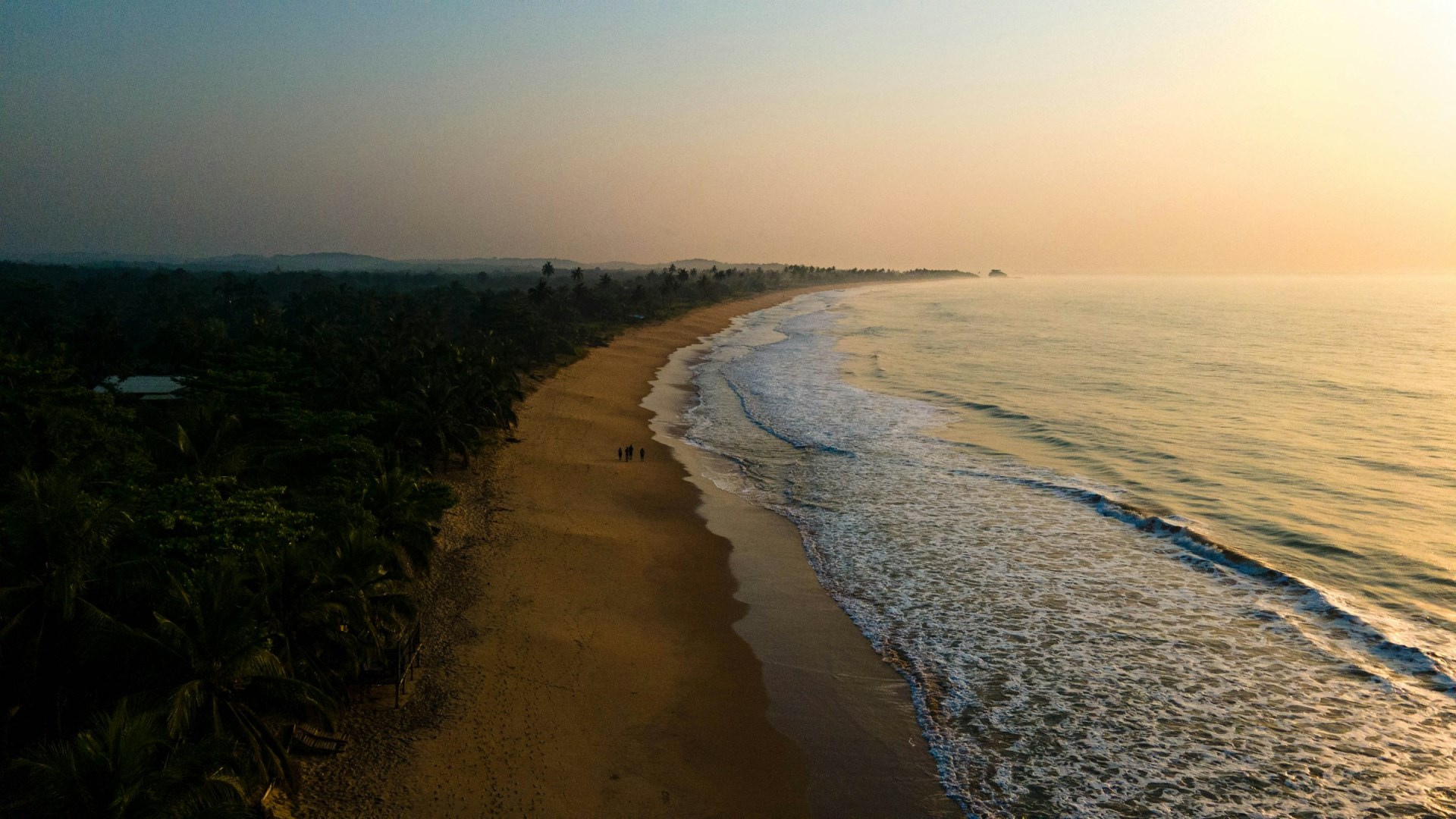
Butre is a small coastal village in Ghana’s Western Region, set around the Butre River near the Atlantic Ocean. Its landscape combines a fishing settlement, forested hills, wetlands, and a broad sandy shoreline. The village is known especially for Fort Batenstein, which stands on a hill overlooking the coast and the surrounding countryside. Fishing remains an important part of local life, while the nearby river creates a sheltered setting for small boats and canoes. Butre’s relatively small scale gives visitors an opportunity to see a coastal community where traditional livelihoods remain closely connected to the sea and waterways.
Butre lies within the traditional homeland of the Ahanta people, whose cultural identity is closely associated with communities along Ghana’s southwestern coast. Fishing, farming, canoe building, and local trading have long formed part of life in the area. The village’s heritage is also closely tied to European coastal trade, represented by Fort Batenstein. The ruined fort was built by the Dutch as a trading post and later became part of the wider network of European forts along the Ghanaian coast. Local guides offer tours that connect the fort with Butre’s landscape and community history.
Fort Batenstein is the principal landmark, occupying elevated ground behind the village with views toward the Atlantic coastline. Its remaining walls and bastions provide a clear sense of the fort’s defensive position and its relationship with the surrounding terrain. The Butre River is another important feature, winding through vegetation before reaching the sea and providing opportunities for canoe trips and quiet exploration. The coastline around the village includes sandy beaches backed by tropical vegetation, while nearby forested hills create a contrasting inland landscape. Cape Three Points and other coastal attractions can also be reached from the area.
Local food reflects the coastal setting, with fresh fish commonly prepared alongside staples such as banku, kenkey, cassava, plantain, and spicy sauces. Coconut and other tropical crops are also part of the wider food culture of southwestern Ghana. One of Butre’s distinctive features is the close proximity of three different environments: the Atlantic shore, the Butre River, and forested uplands surrounding the settlement. Fort Batenstein adds another layer to this landscape, making Butre notable not simply for its beach but for the way its natural setting and historic structures remain closely connected.
