



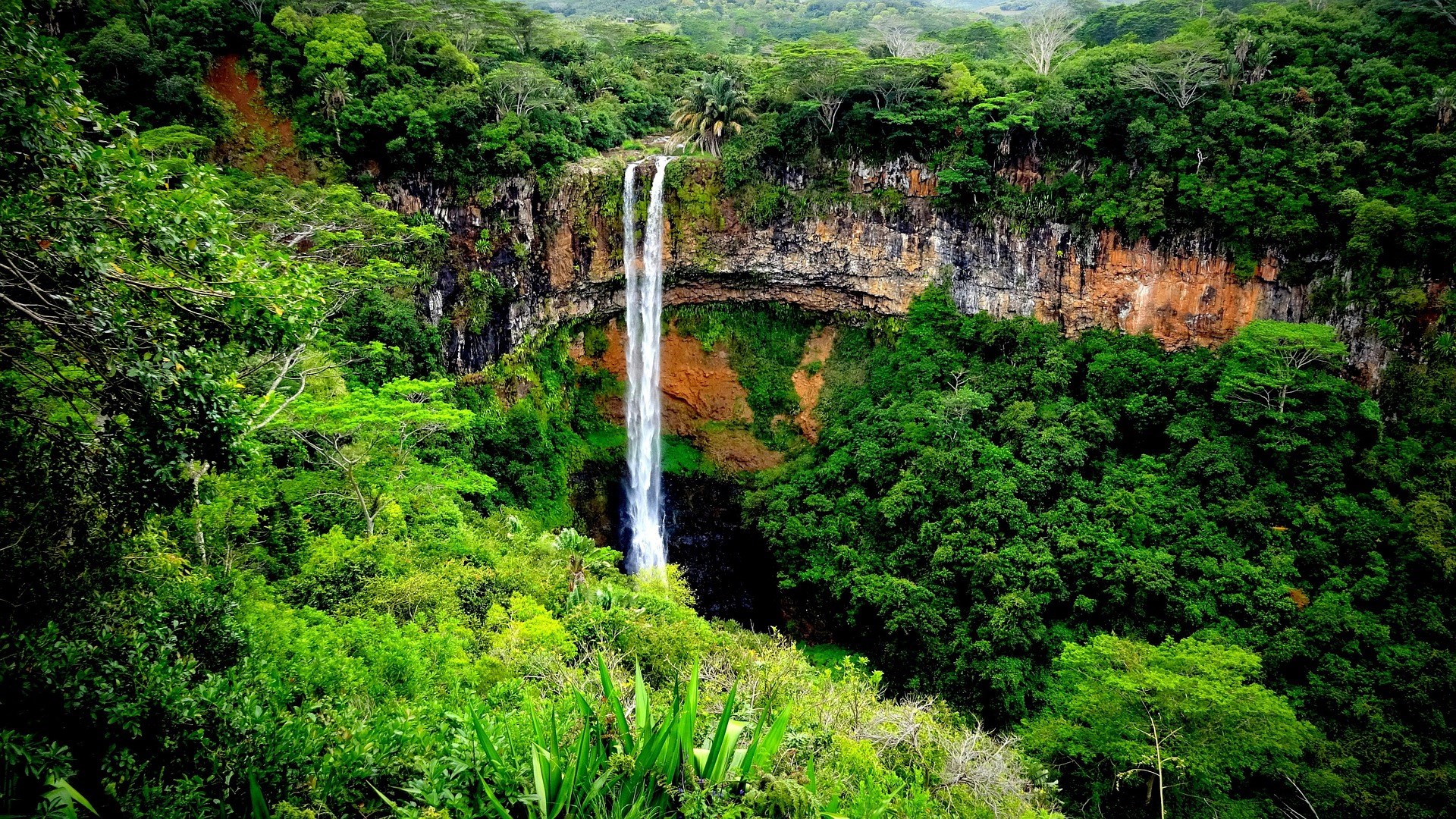
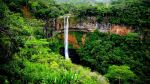
Chamarel is a mountain village in southwestern Mauritius, surrounded by forested slopes, volcanic terrain, and agricultural land. Its elevated position gives the area a cooler, wetter setting than much of the coast, while its location near Black River Gorges National Park places it within one of the island’s main protected landscapes. Chamarel is particularly known for the Seven Coloured Earth Geopark and Chamarel Waterfall, two landmarks that have made the village one of Mauritius’s best-known inland destinations. The surrounding countryside also includes coffee and other crops, linking the village’s natural setting with local agriculture.
Chamarel’s cultural identity is closely connected to rural life, farming, and the wider heritage of southwestern Mauritius. The village grew within a region shaped by plantation agriculture, while nearby communities developed strong traditions connected with fishing, farming, music, and local crafts. Chamarel also reflects the multicultural character of Mauritius, where African, Indian, European, and Creole influences appear in food, religious practices, and community life. The area’s agricultural heritage remains visible in its fields and plantations, while local producers have developed products such as coffee, fruit preserves, and rum that draw on the resources of the surrounding landscape.
The Seven Coloured Earth Geopark is Chamarel’s most distinctive geological feature, with exposed dunes displaying shades of red, brown, violet, green, blue, purple, and yellow. The colours result from weathering of volcanic material and the separation of minerals within the soil. Nearby Chamarel Waterfall drops about 100 metres over a basalt cliff and is fed by three streams flowing into the Saint Denis River. The village also provides access to Black River Gorges National Park, where trails pass through native forest containing endemic plants and animals. Piton Canot offers elevated views across the surrounding hills and western coast.
Food and drink in Chamarel are closely tied to the agricultural landscape. Local producers cultivate coffee and other crops, while the Chamarel Rum Distillery uses sugar cane grown in Mauritius to produce agricultural rum. Visitors can learn about distillation and taste locally produced spirits, while nearby restaurants serve Mauritian dishes featuring rice, vegetables, seafood, meat, and aromatic spices. The village is also associated with the cultivation of tropical fruit and plants used in local products. A notable detail is that the Seven Coloured Earth site covers about 8.5 hectares and serves not only as a visitor attraction but also as a place for geological education and conservation.
