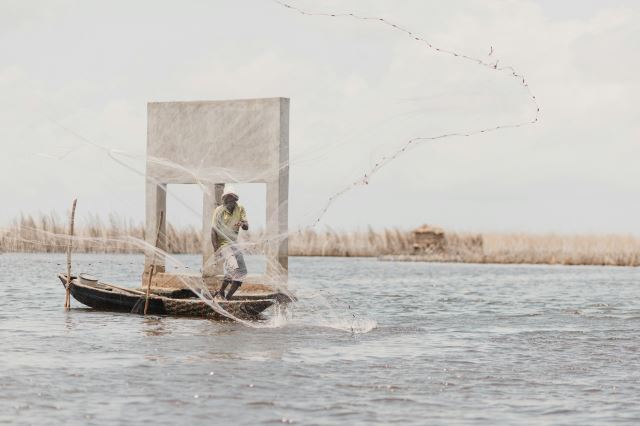


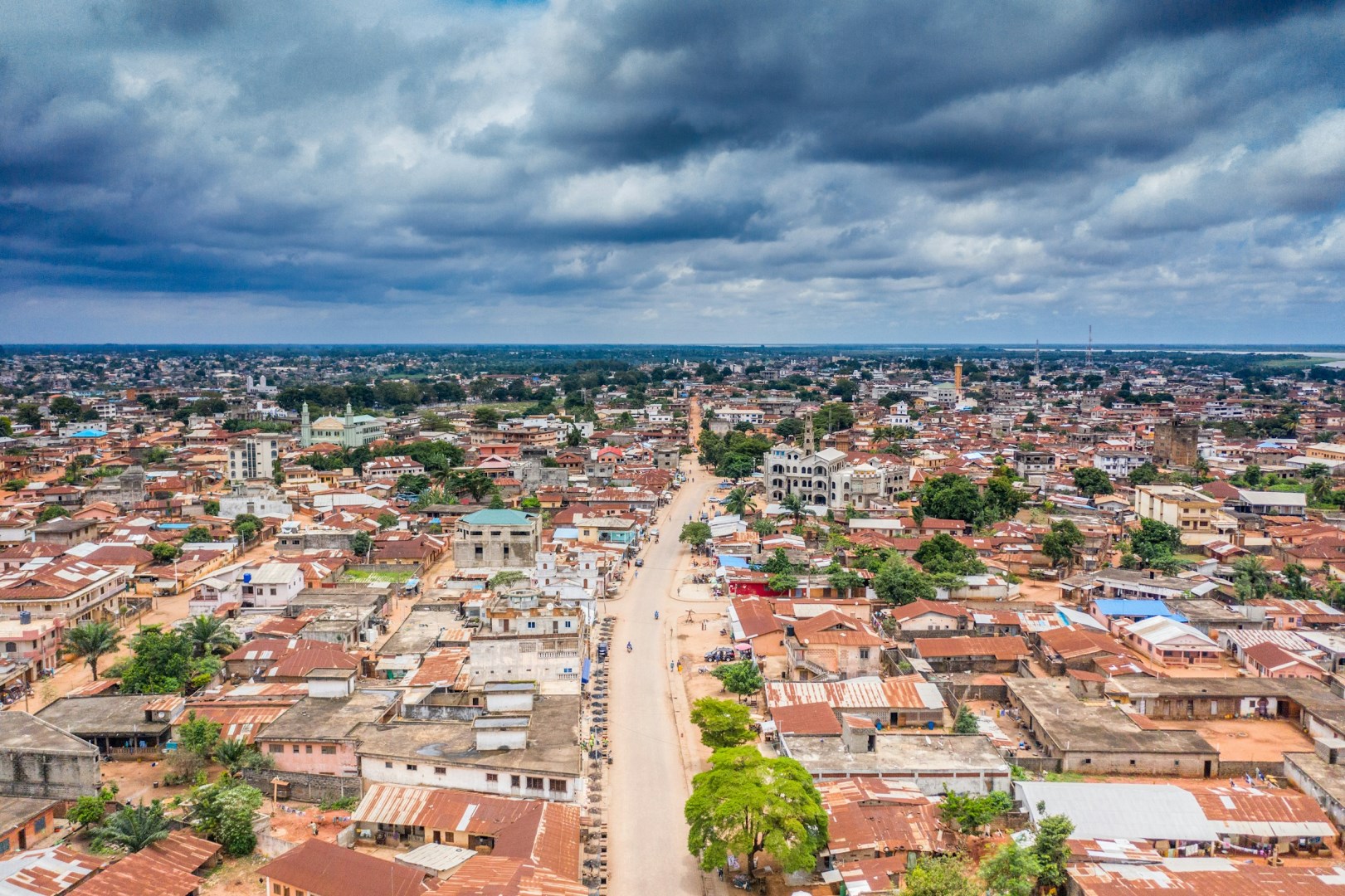
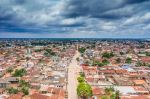

Porto-Novo is the political capital of Benin, located in the country's southeast near the Porto-Novo Lagoon and not far from the Nigerian border. The city is known for its combination of Yoruba heritage, royal traditions, and Afro-Brazilian architecture. Historic neighbourhoods contain distinctive buildings with decorated facades, while markets, workshops, museums, and religious sites remain part of everyday urban life. The lagoon and nearby waterways add a strong connection to the coastal environment. Porto-Novo is also an important centre for government, commerce, crafts, education, and cultural activities in southern Benin.
The city's cultural identity is closely connected to the Yoruba kingdom of Hogbonou and to communities of Afro-Brazilian returnees whose influence can be seen in architecture, religion, food, and urban traditions. The Honmè Museum occupies a former royal palace and presents aspects of the city's royal heritage, while the Alexandre Sènou Adandé Ethnographic Museum contains masks, sculptures, musical instruments, and other cultural objects. Porto-Novo is also associated with traditional masquerades and rhythms such as Adjogan and Kaka. Craft traditions include pottery, weaving, metalwork, basketry, and the production of musical instruments.
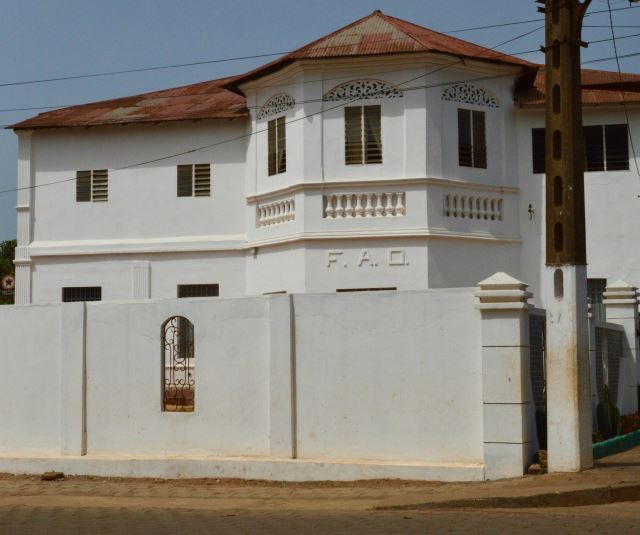
Among Porto-Novo's most recognizable landmarks is the Grand Mosque, whose architecture reflects Afro-Brazilian influence and forms a prominent feature of the historic city centre. The Honmè Museum, Alexandre Sènou Adandé Ethnographic Museum, and Da Silva Museum provide different perspectives on the city's royal, cultural, and Afro-Brazilian heritage. The Botanical and Nature Garden offers a green setting within the city, while nearby waterways connect Porto-Novo with the wider lagoon environment. The city's historic neighbourhoods are also notable for their traditional Yoruba compounds, colonial-era buildings, courtyards, and streets lined with distinctive architectural details.
Porto-Novo's cuisine reflects the food traditions of southern Benin, where maize, cassava, yams, beans, vegetables, fish, and palm products are widely used. Dishes found in the region include akassa, a fermented maize preparation, and sauces served with fish or meat, while grilled fish and other foods from the lagoon and nearby coast are common. The city's Afro-Brazilian heritage has also influenced local culinary traditions. A distinctive feature of Porto-Novo is the way architecture, food, craft, royal heritage, and living cultural practices overlap within the same neighbourhoods, making the city an important place for understanding Benin's diverse cultural history.
Other Popular Destinations in Benin