


Africa | Cape Verde | Santa Maria
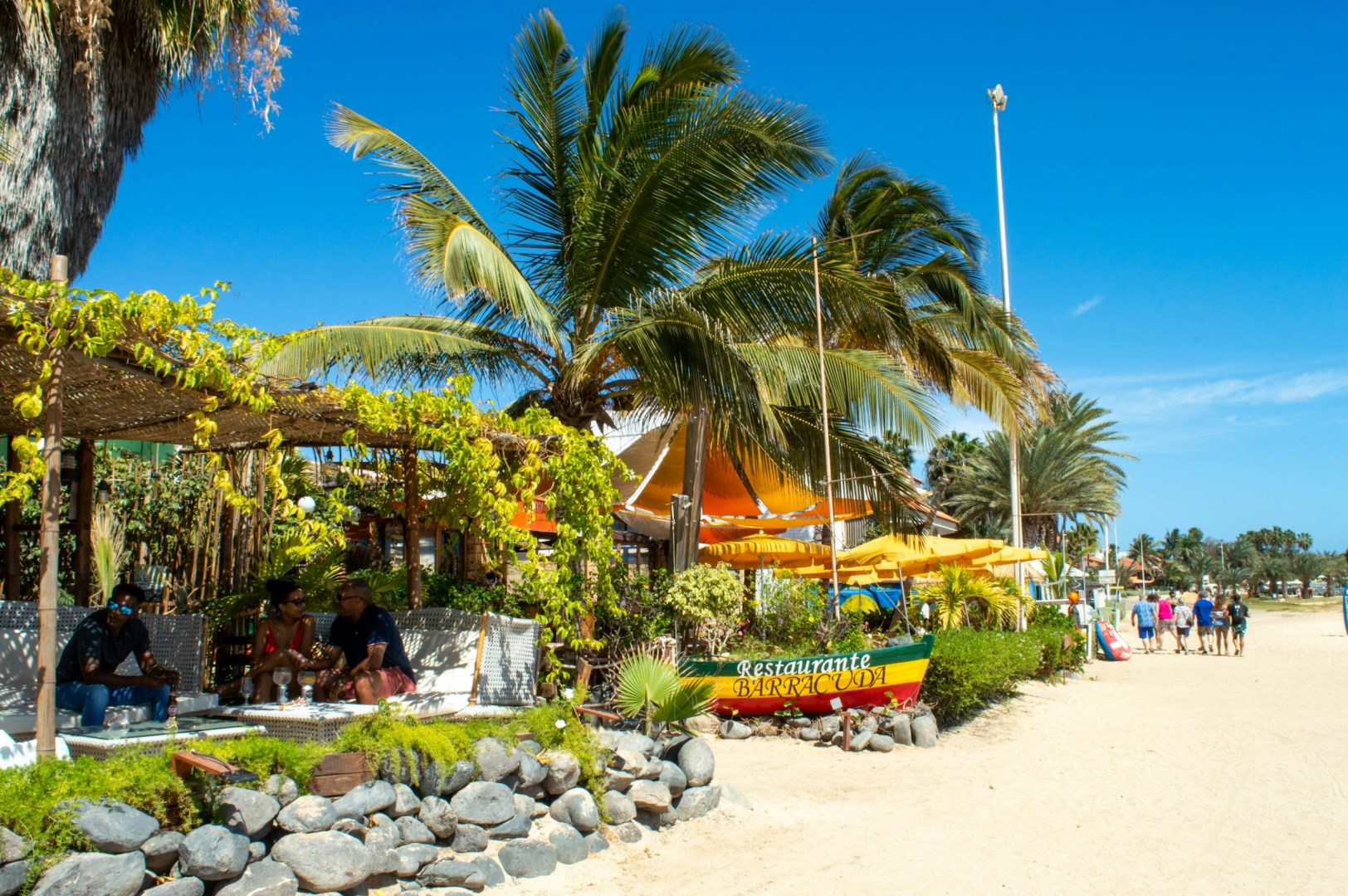

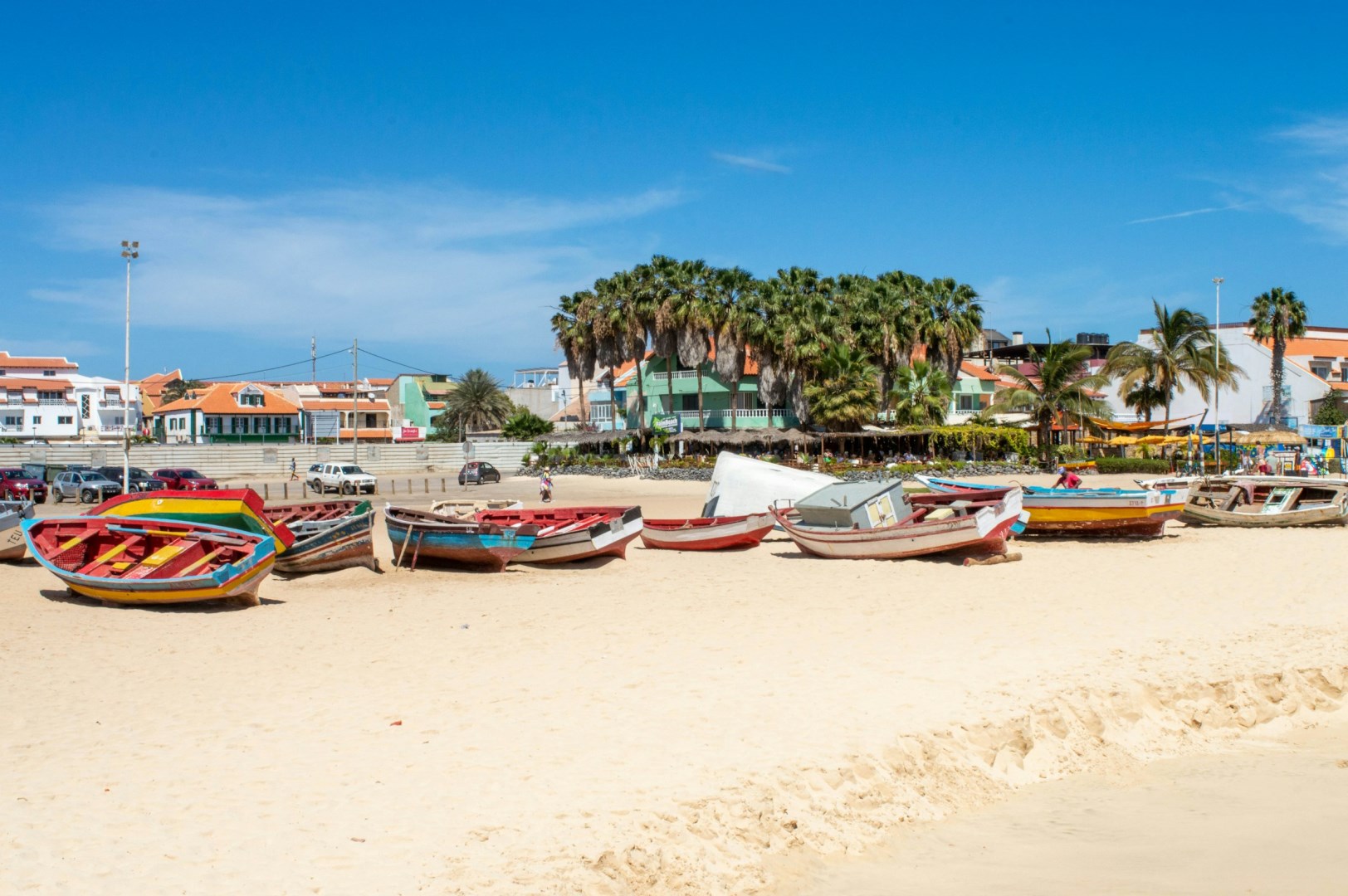

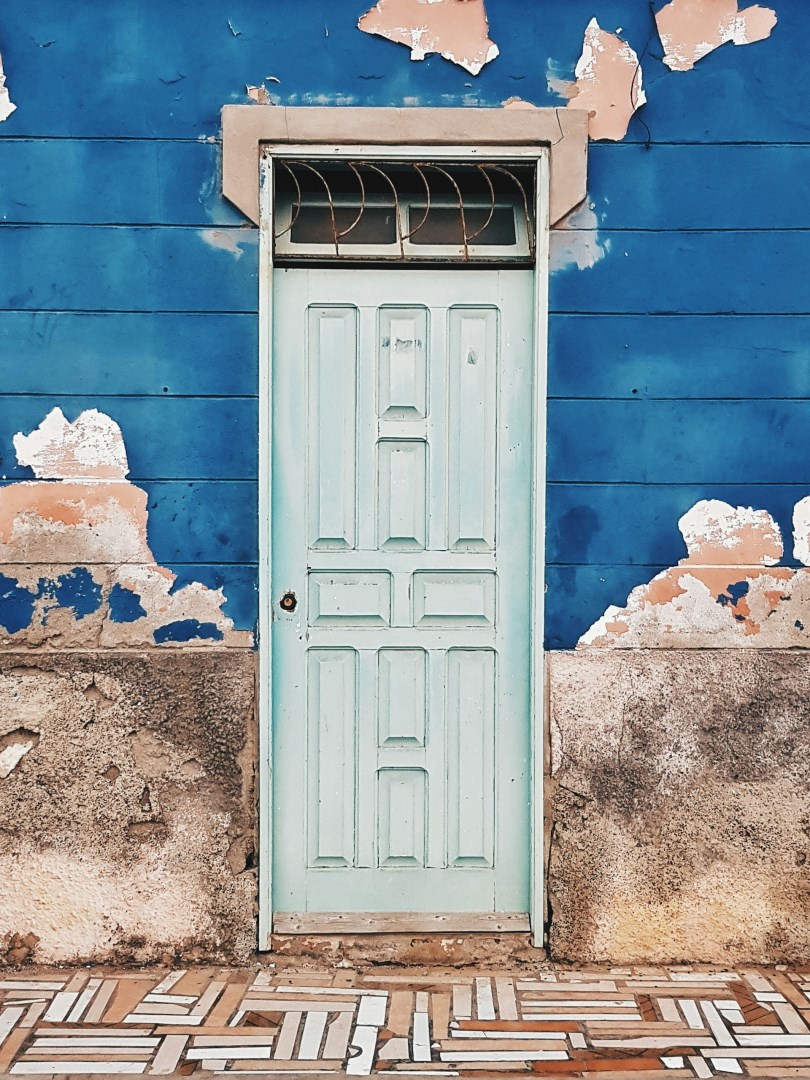

Santa Maria is the main coastal town on Sal, one of Cabo Verde’s eastern islands, and is closely connected with the island’s fishing and salt-producing heritage. The town developed beside a long sandy beach on the southern coast, with low buildings, narrow streets, small shops, restaurants, and a busy waterfront forming its center. Fishing remains visible around the pier, while tourism has become an important part of the local economy. Santa Maria also provides access to Sal’s dry interior, salt pans, volcanic sites, and coastal landscapes, making it one of the island’s principal bases for exploring the surrounding area.
Santa Maria retains links to the traditions of a Cape Verdean fishing community, particularly around the pier where fishermen bring in daily catches. The town’s cultural life reflects the wider traditions of the archipelago through music, dance, religious celebrations, and local markets. The colorful Igreja do Nazareno stands near the center and is one of Santa Maria’s recognizable landmarks. Sal’s history of salt production is also represented in the town’s name and heritage, while nearby Pedra de Lume preserves the most significant surviving landscape associated with the island’s former salt industry.
Santa Maria Beach extends for several kilometers along the southern coast and is the town’s defining natural feature. Its broad sands and steady Atlantic winds support swimming, sailing, windsurfing, and kitesurfing, while the waters offshore are also used for diving and snorkeling. The Santa Maria pier is a focal point for fishing and marine excursions. Nearby Ponta Preta is known for its surf conditions, and the protected waters around Murdeira Bay provide opportunities to see marine life. Sea turtles also nest along parts of Sal’s coastline, particularly during the nesting season.
Fresh seafood is central to Santa Maria’s food culture, with grilled fish, lobster, octopus, and other local catches commonly appearing on restaurant menus. Cape Verdean staples such as cachupa, made with corn, beans, vegetables, and meat or fish, are also served in the town. Local markets provide fresh produce and everyday foods, while grogue, a sugarcane spirit, is a traditional drink found throughout the islands. A distinctive part of Santa Maria is the way its fishing heritage remains visible alongside its modern restaurants, watersports businesses, and coastal accommodation, creating a town shaped by both local and international connections.
