
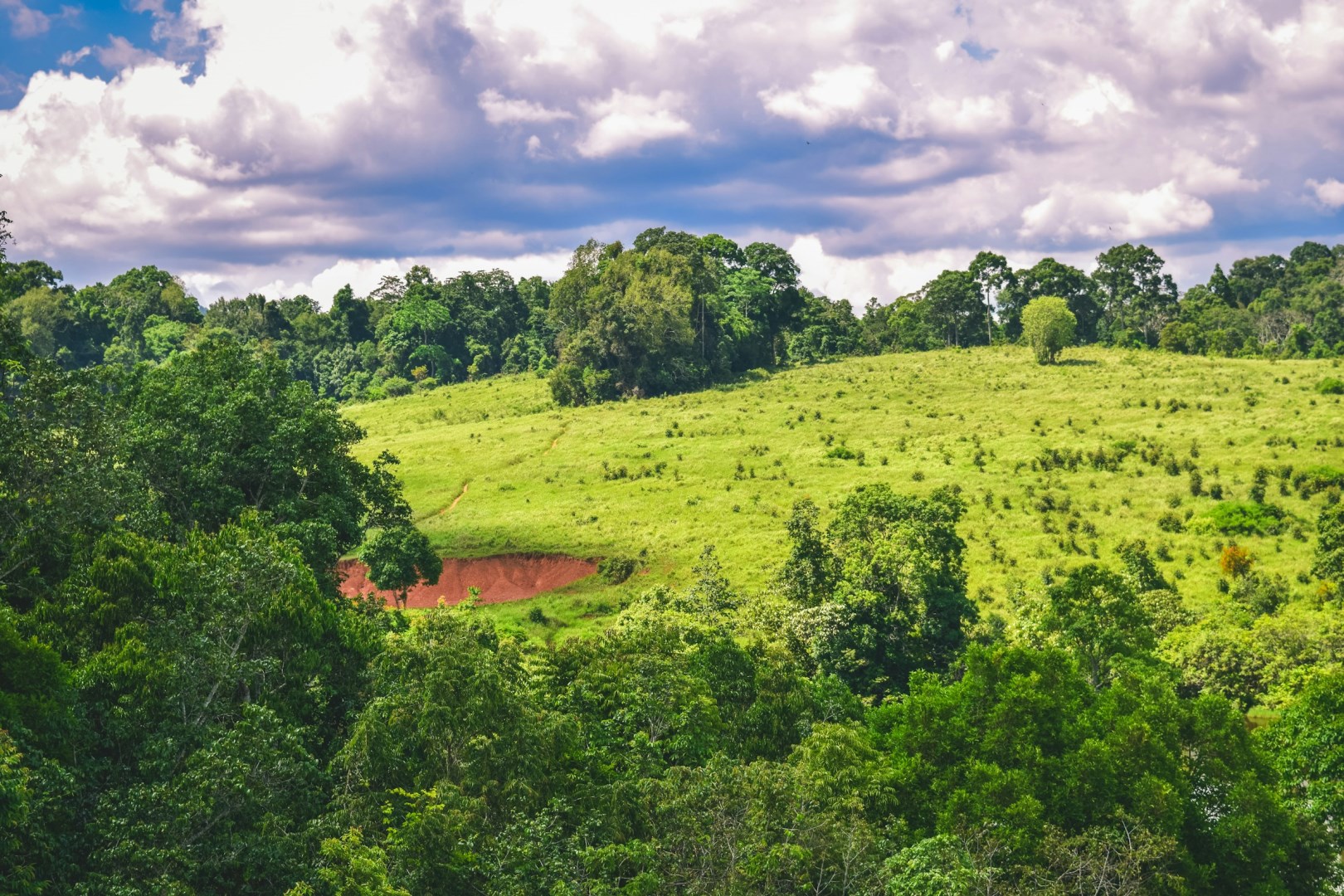
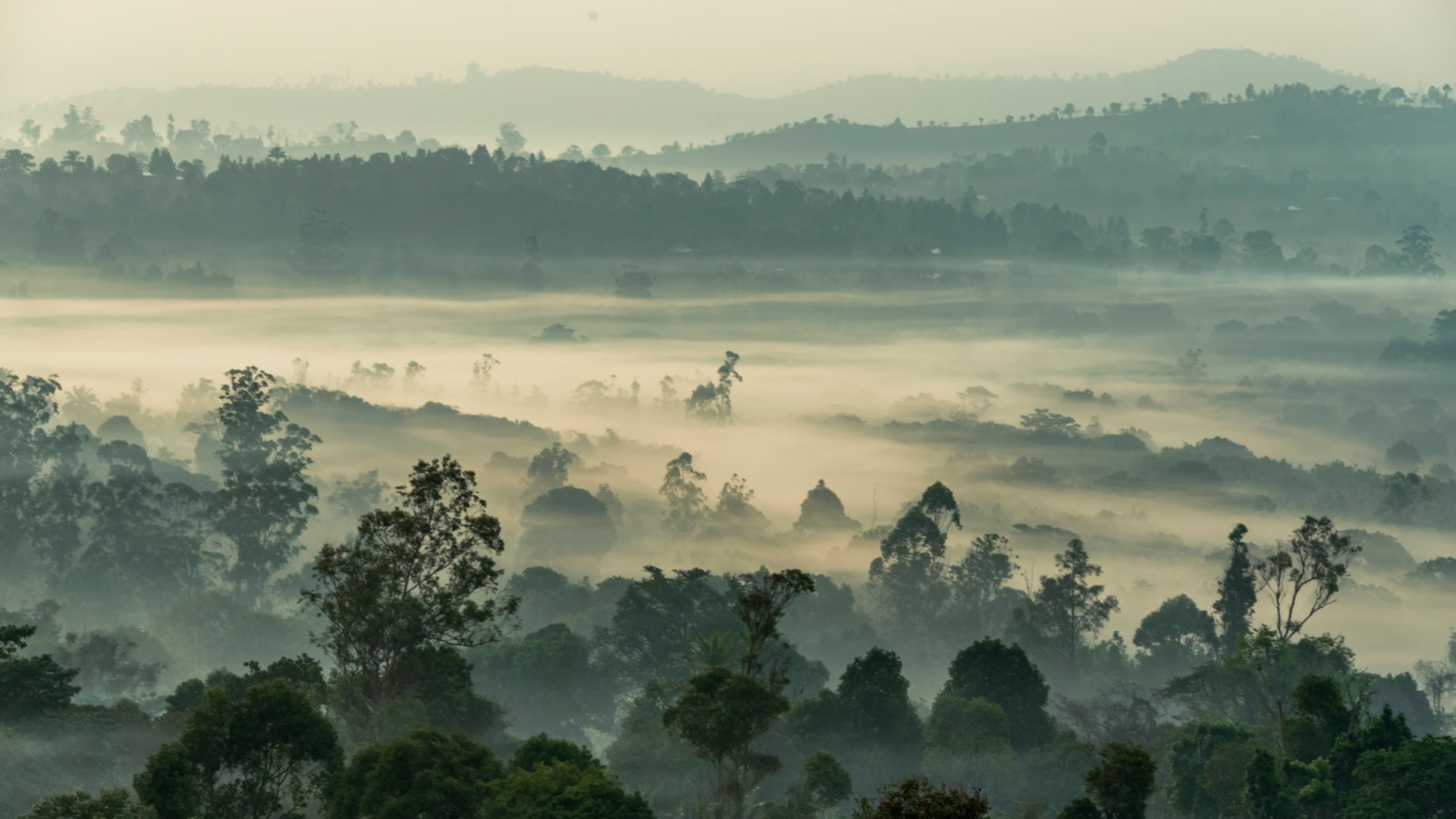
Bansoa is a highland community in Cameroon’s West Region, within the Menoua Department and the municipality of Penka-Michel. It lies in the heart of the Bamileke cultural area, between the regional centre of Bafoussam and the university town of Dschang. The surrounding terrain is formed by hills and elevated plateaus, with Bansoa standing at roughly 1,500 metres above sea level. Volcanic soils and a mild highland climate support intensive farming, while fields, family compounds and scattered settlements shape much of the landscape. Agriculture remains closely connected with everyday life throughout the surrounding countryside.
Bansoa has a traditional Bamileke chiefdom recognized within Cameroon’s system of customary leadership. The chief works alongside councils and traditional societies that help maintain community rules, ceremonies and cultural practices. The local language, often called Bansoa or Sa’a, belongs to the Nguemba group of Bamileke languages. Traditional dance is particularly important, including Ku’gang, associated with a longstanding cultural society in the chiefdom. The GWOUO’O GWOUONG Ssa festival brings members of the Bansoa community together for discussions, exhibitions, fairs and parades of traditional dances, providing a public setting for local customs and artistic traditions.
The Bansoa chiefdom is one of the community’s principal cultural landmarks, serving as a centre of traditional authority and ceremonial life. Its setting reflects the broader landscape of Cameroon’s western highlands, where cultivated slopes alternate with wooded areas, streams and small valleys. The West Region is characterized by mountainous relief and productive agricultural land, with crops including maize, beans, potatoes, vegetables and coffee grown across the highlands. Bansoa’s location near Bafoussam also provides access to the wider Bamileke region, where numerous chiefdoms preserve distinctive architecture, royal traditions, carved objects, masks and ceremonial spaces.
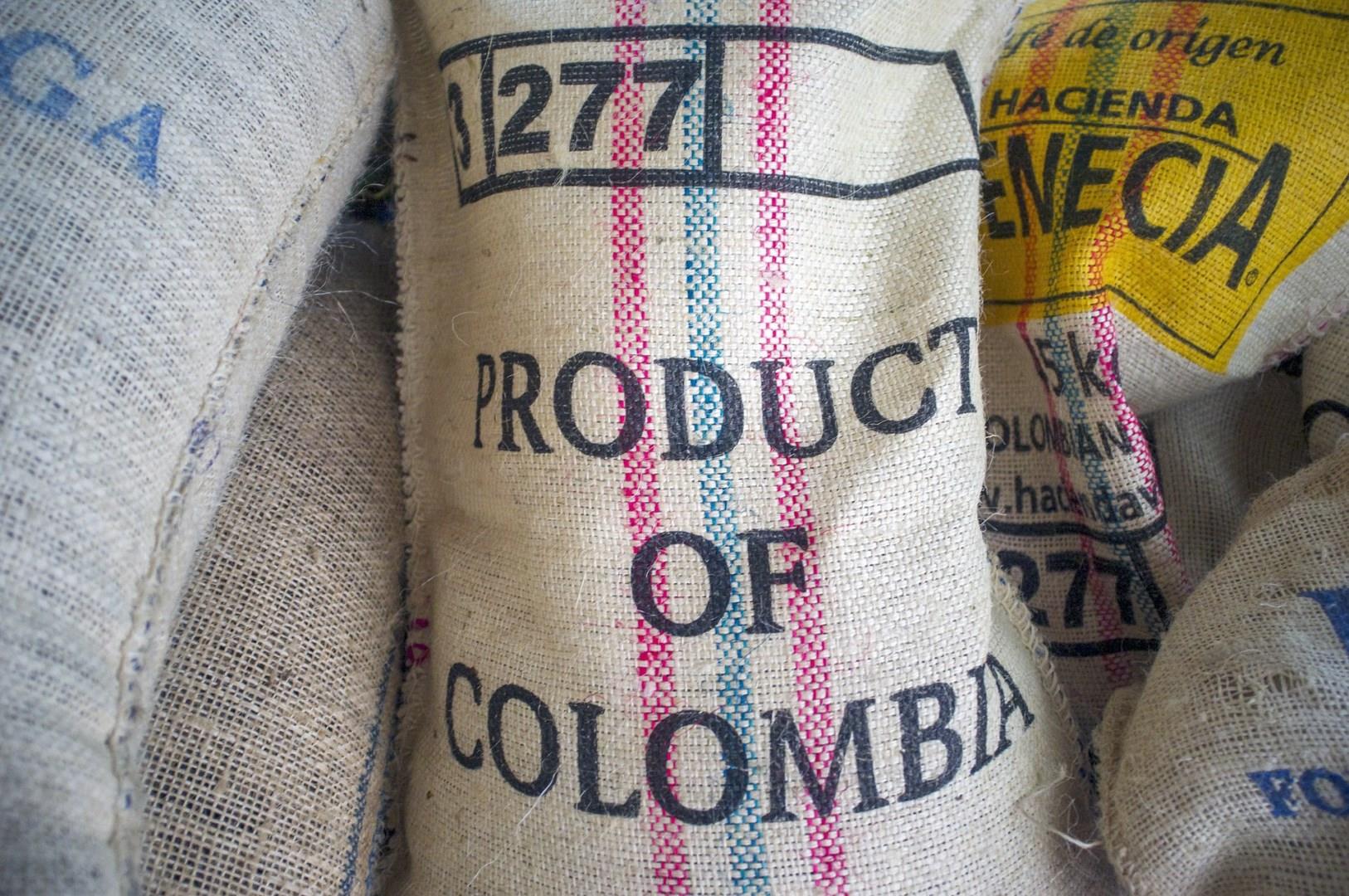
Food in Bansoa follows the agricultural traditions of western Cameroon, relying heavily on crops produced in the surrounding highlands. Maize, beans, potatoes and vegetables are common ingredients, while plantains and other regional staples also appear in household cooking. Meals in the wider Bamileke area often include sauces made with leafy vegetables, ground seeds or peanuts, accompanied by starches grown locally. Coffee is another important crop in Cameroon’s West Region, particularly Arabica varieties suited to higher elevations. Local markets connect these farms with nearby communities, making agricultural production an important part of both Bansoa’s economy and its daily routines.