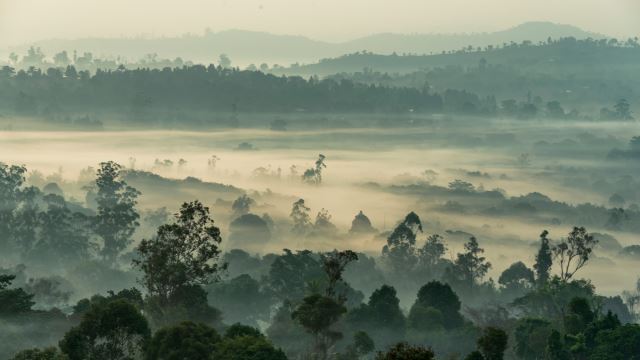
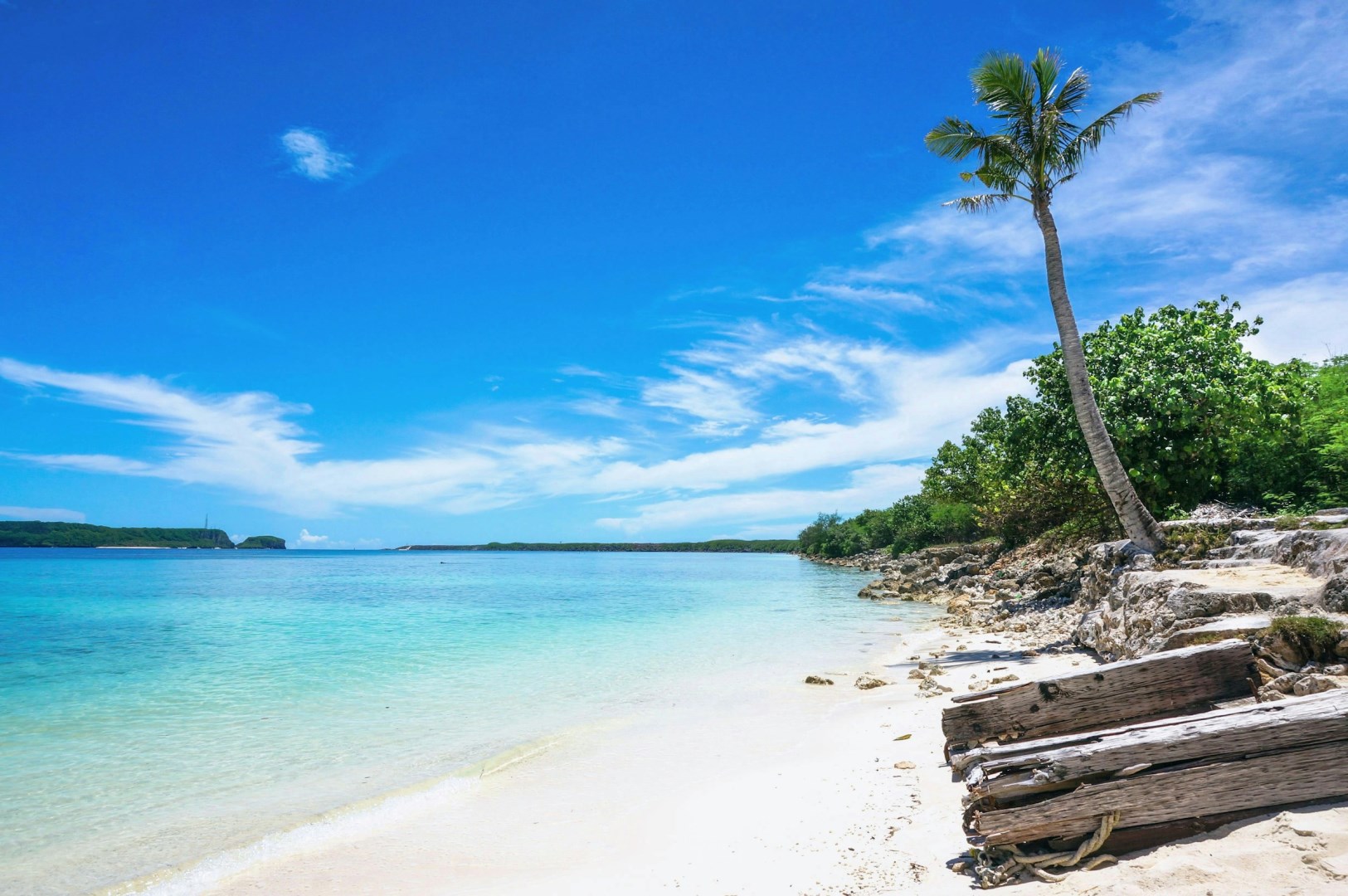

Kribi is a coastal town in southern Cameroon, facing the Gulf of Guinea in the country’s South Region. It is known for long Atlantic beaches, a fishing port and a setting where dense equatorial forest reaches close to the sea. The Kienké River passes through the town, while the larger Lobé River enters the ocean a short distance to the south. Kribi also serves as an important centre for surrounding coastal communities and as a base for reaching forest areas inhabited by Bagyeli communities. Offshore development at nearby Kribi Deep Sea Port has added a major commercial role to the region.
Kribi’s cultural identity reflects the traditions of coastal peoples, particularly Batanga communities, whose history is closely connected with fishing and the sea. Bagyeli communities living in the forests of southern Cameroon add another cultural dimension to the wider Kribi area, with detailed knowledge of forest plants and resources. In town, fishing remains highly visible, particularly around landing areas where wooden canoes bring catches ashore for local markets and restaurants.
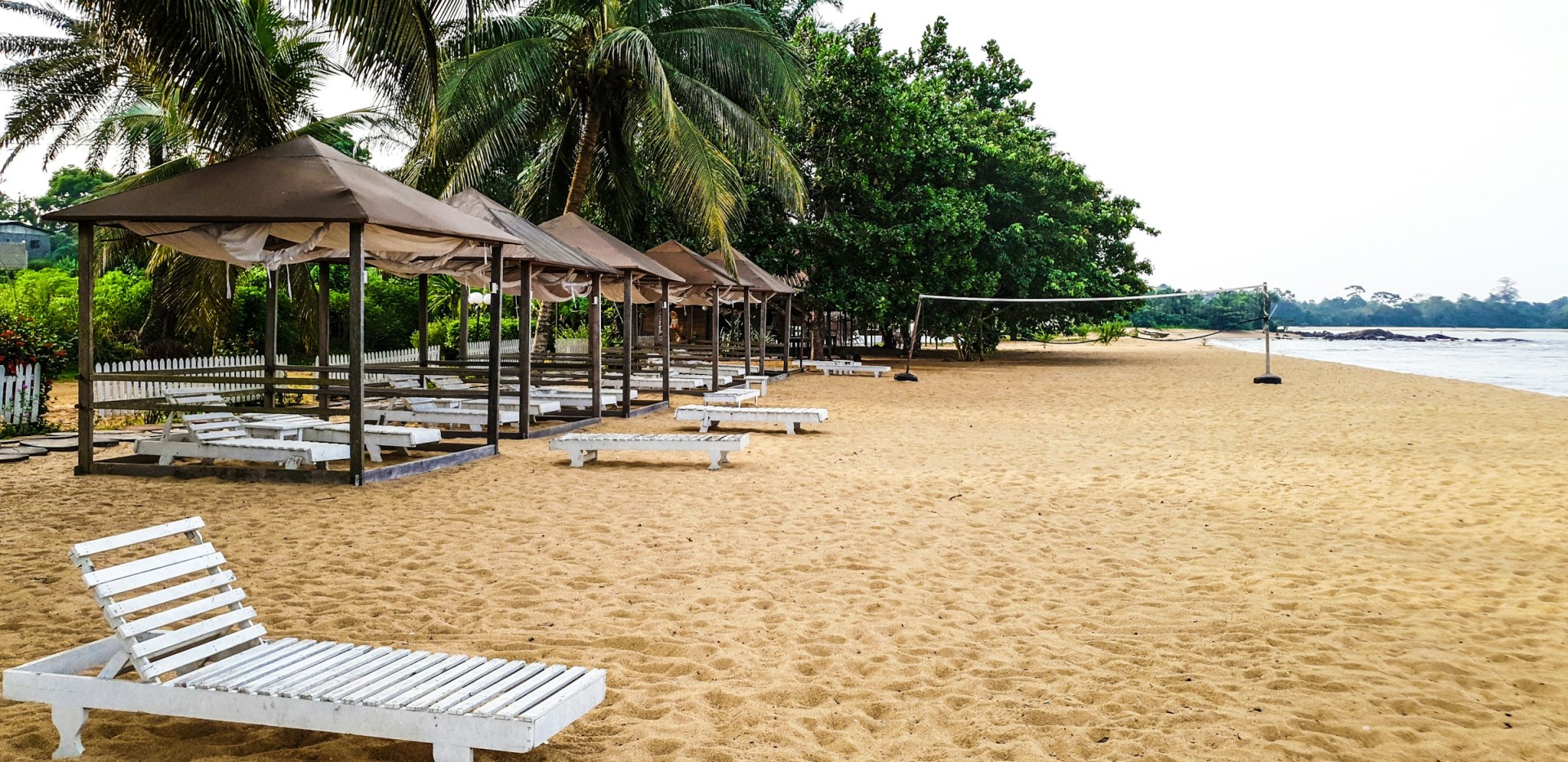
The Chutes de la Lobé, or Lobé Falls, are Kribi’s best-known natural landmark. Here, the Lobé River descends over a series of rocky ledges directly beside the Atlantic Ocean, surrounded by dense tropical vegetation. The falls and the surrounding cultural landscape are included on Cameroon’s UNESCO World Heritage tentative list. Farther south, Campo Ma’an National Park protects lowland rainforest extending toward the coast and supports forest elephants, chimpanzees, lowland gorillas and numerous other species. Around Kribi itself, beaches such as Grand Batanga provide broad sandy shorelines bordered by palms and coastal forest.
Seafood is central to eating in Kribi, and fresh fish, shrimp and other catches are commonly grilled over charcoal near the coast. Fish may be served with plantains, cassava, rice or spicy sauces, while dishes using peanuts and local vegetables reflect cooking found more widely across southern Cameroon. Kribi is also associated with the cacao-growing areas of the South Region, where the humid climate supports tropical agriculture.