

Antarctica | Antarctica | Danco Island
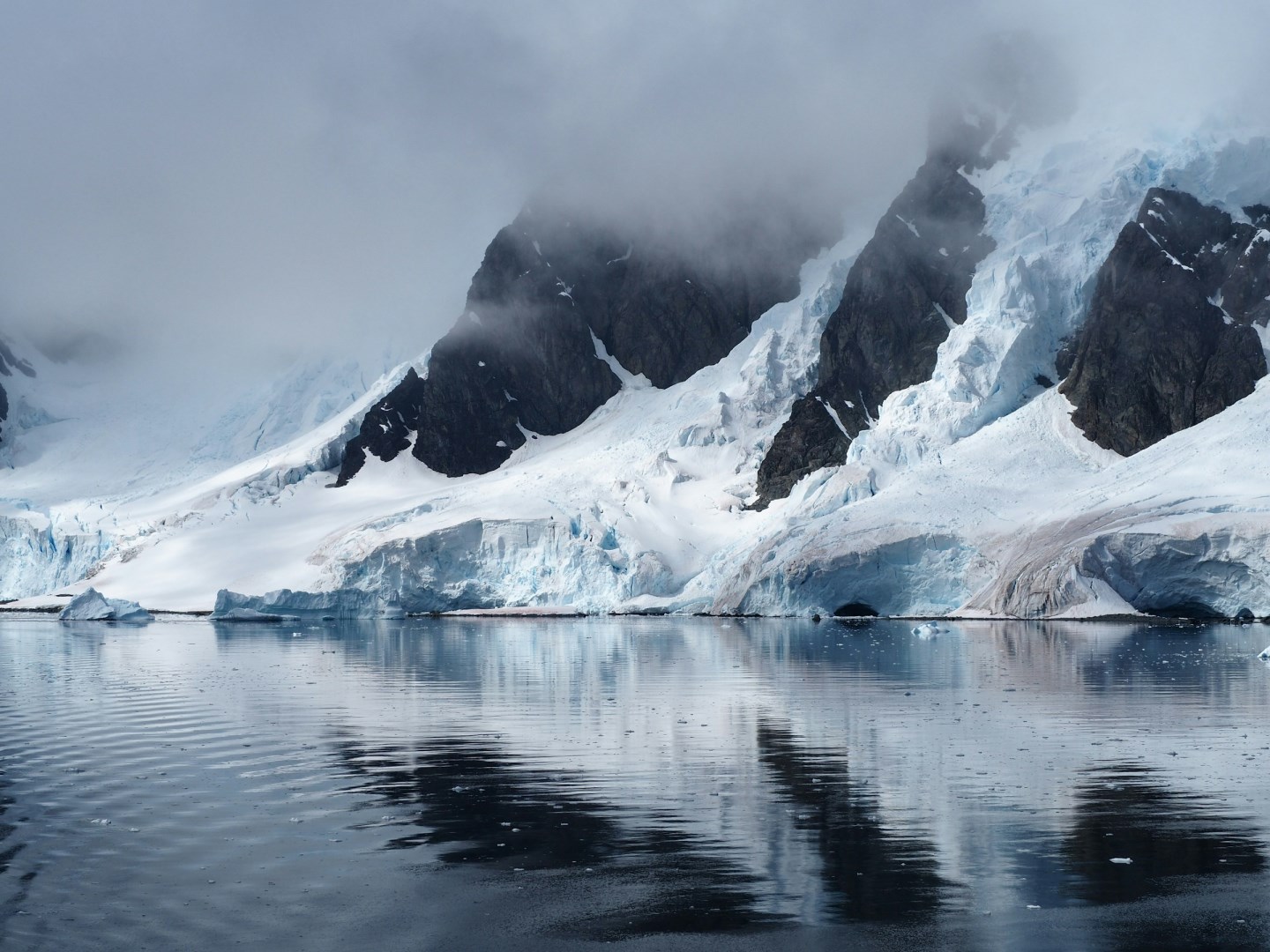
Danco Island is a small, steep-sided island in the Errera Channel off the west coast of the Antarctic Peninsula. Rising sharply from the surrounding sea, it is largely covered by snow and ice, with rocky slopes exposed in places. The island is known for its elevated landing site, which provides broad views across the channel and toward the glaciers and mountains of the nearby Antarctic Peninsula. Its compact size makes it a relatively accessible place for shore visits when weather and sea conditions allow, and it is a regular stop on some expedition itineraries.
Danco Island is named after Émile Danco, a Belgian scientist and member of the Belgian Antarctic Expedition. The expedition explored and surveyed parts of the Antarctic Peninsula, and Danco contributed as a geophysicist. His name is also associated with several nearby geographical features. Today, the island has no permanent settlement or infrastructure, and visits are conducted under Antarctic environmental rules. Landing parties are expected to follow designated routes and maintain suitable distances from wildlife, helping preserve the site for both scientific study and future visitors.
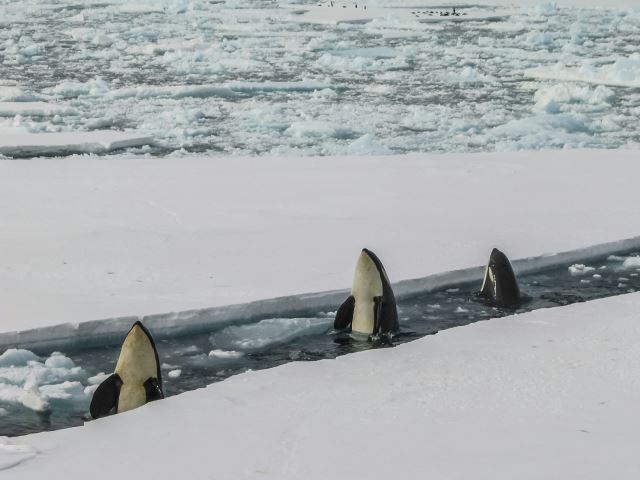
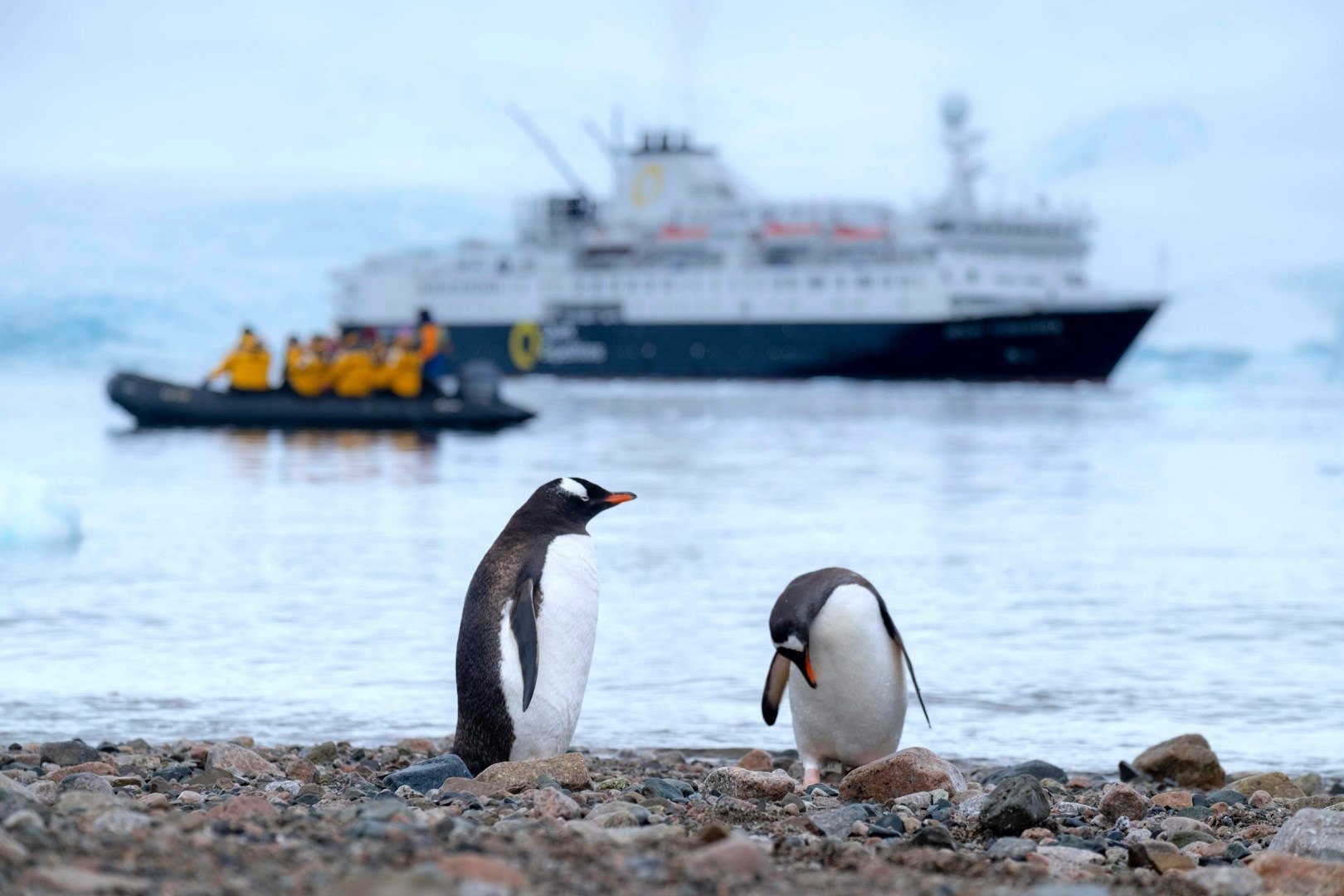
The island’s main attraction is its combination of a short uphill climb and expansive Antarctic views. A commonly used route leads from the landing beach toward a higher point on the island, where visitors can look across the Errera Channel toward snow-covered peaks and tidewater glaciers. Gentoo penguins breed on Danco Island, and groups can often be seen moving between nesting areas and the sea. Antarctic skuas and other seabirds may also be present. The surrounding waters can contain icebergs, brash ice, and marine wildlife, adding changing detail to the coastal landscape.
Danco Island also offers a close look at how Antarctic wildlife uses a small ice-covered island. Gentoo penguins establish colonies on rocky and snow-free areas, while the surrounding channel provides access to feeding grounds. The island’s exposed slopes and summit can be windy, and snow conditions may vary considerably between visits. Its compact landscape means that even a short excursion can reveal glaciers, mountains, sea ice, seabirds, and penguin colonies within a relatively small area. Visitors must avoid disturbing animals, crossing active penguin paths, or approaching nesting sites too closely.
Other Popular Destinations in Antarctica