

Antarctica | Antarctica | McMurdo Station

McMurdo Station is the largest research station in Antarctica and serves as a major center for scientific work and logistical operations on Ross Island. Located beside McMurdo Sound, the station sits within a stark landscape of volcanic rock, glaciers, sea ice, and the Ross Ice Shelf. It functions as a base for researchers working across many parts of the continent, with facilities supporting laboratories, accommodation, transportation, communications, and aircraft operations. Unlike most Antarctic field sites, McMurdo operates as a substantial year-round community with infrastructure designed for demanding polar conditions.
McMurdo Station has played a central role in Antarctic exploration and research. It was established as part of the United States Antarctic Program and is named after Lieutenant Archibald McMurdo of the British Royal Navy. The station is closely connected with the legacy of exploration in the Ross Sea region, including nearby sites associated with Robert Falcon Scott’s expeditions. Today, scientists and support personnel work at McMurdo across fields such as atmospheric science, geology, biology, glaciology, and astronomy. The station also serves as an important gateway for inland research locations and the South Pole.
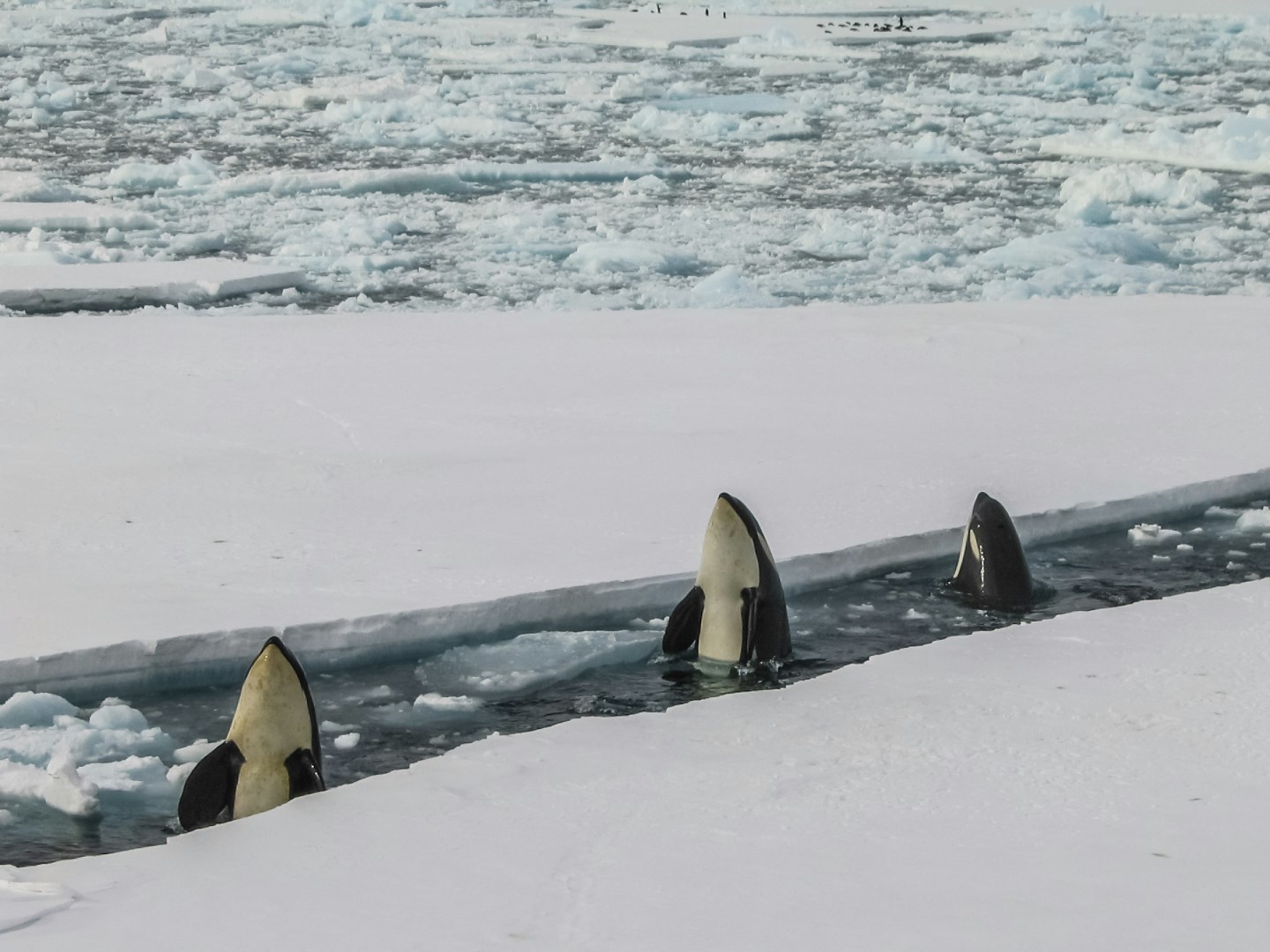
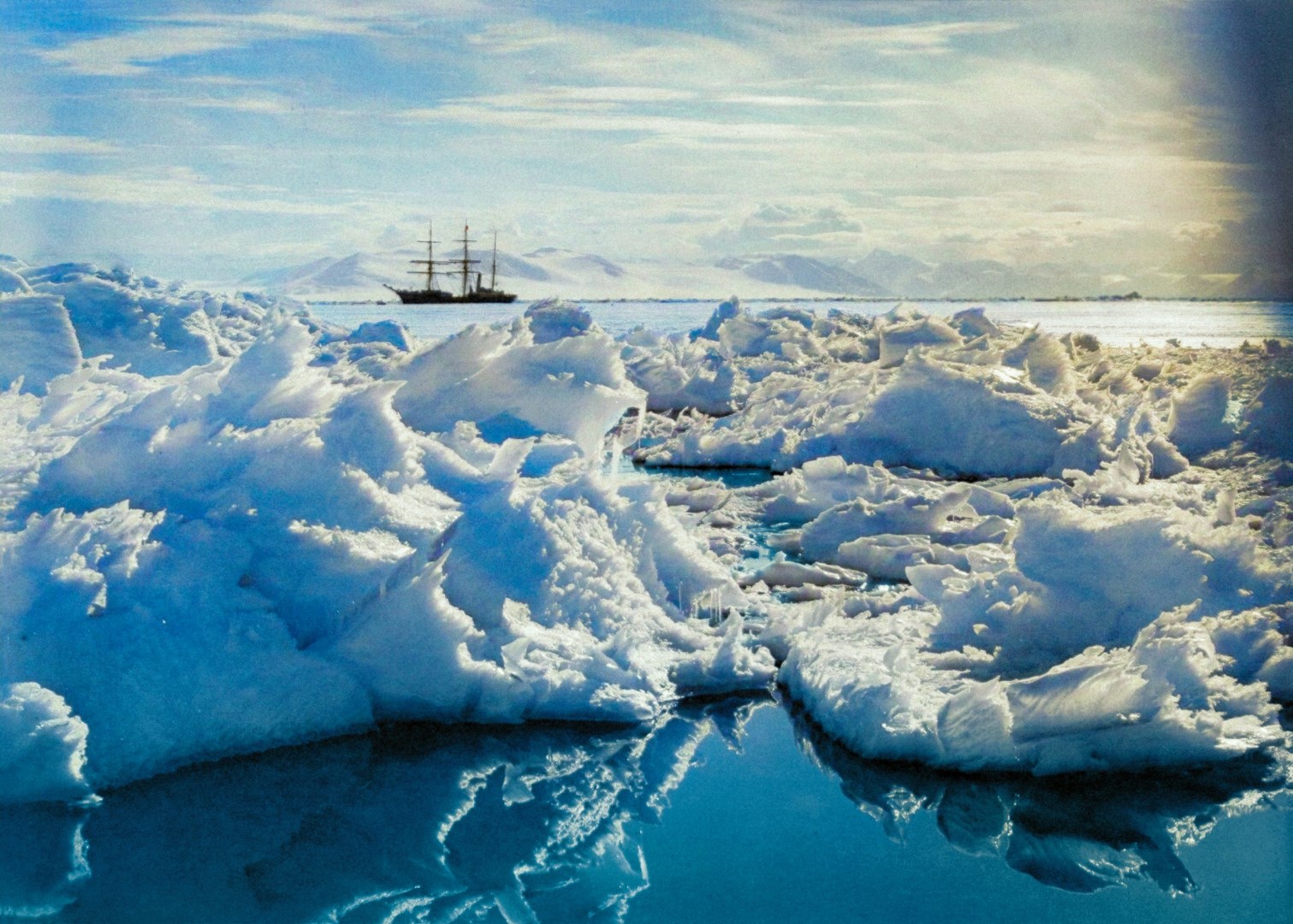
The surrounding environment offers some of the most distinctive landscapes in the Ross Sea region. McMurdo Sound is bordered by mountains and glaciers, while sea ice creates an extensive platform around the station during much of the year. Nearby Mount Erebus, an active volcano, rises prominently above Ross Island and is one of the area's defining geological features. Wildlife can include Adélie penguins, Weddell seals, and skuas, particularly around the coast and sea-ice edge. Access to the wider area is carefully managed because weather, ice conditions, and environmental risks can change quickly.
McMurdo is distinctive not only for its scientific role but also for the unusual scale of daily life in Antarctica. The station has a power plant, medical facilities, dining services, workshops, communications systems, and specialized vehicles used to support research in extreme conditions. Nearby Scott Base, operated by New Zealand, provides another important Antarctic research presence on Ross Island. McMurdo also supports flights and overland journeys to remote parts of the continent. Together, these functions make the station one of the principal operational hubs for Antarctic science and exploration.
Other Popular Destinations in Antarctica