


Bandia Reserve is a private wildlife reserve in Senegal’s Thiès Region, located near the village of Bandia and within easy reach of Dakar, Mbour, and the resort area of Saly. Covering about 3,500 hectares, the reserve protects a landscape of dry savanna, thorny scrub, seasonal water sources, and large baobab trees. It was created to restore native vegetation and reintroduce large mammals that had disappeared from the area. Unlike Senegal’s wetland-focused parks, Bandia is particularly known for its concentration of large mammals living in a fenced natural environment.
The reserve’s history is closely connected with ecological restoration and the reintroduction of wildlife. Several species that once occurred in the region were brought back as part of efforts to establish a functioning wildlife area. Bandia also contains cultural features connected with the Serer people, including reconstructed burial mounds and a funerary chamber. Visitors can see traditional Peul structures and other displays that provide context for local ways of life. These cultural elements sit alongside the wildlife habitats, giving the reserve a role that extends beyond animal viewing.
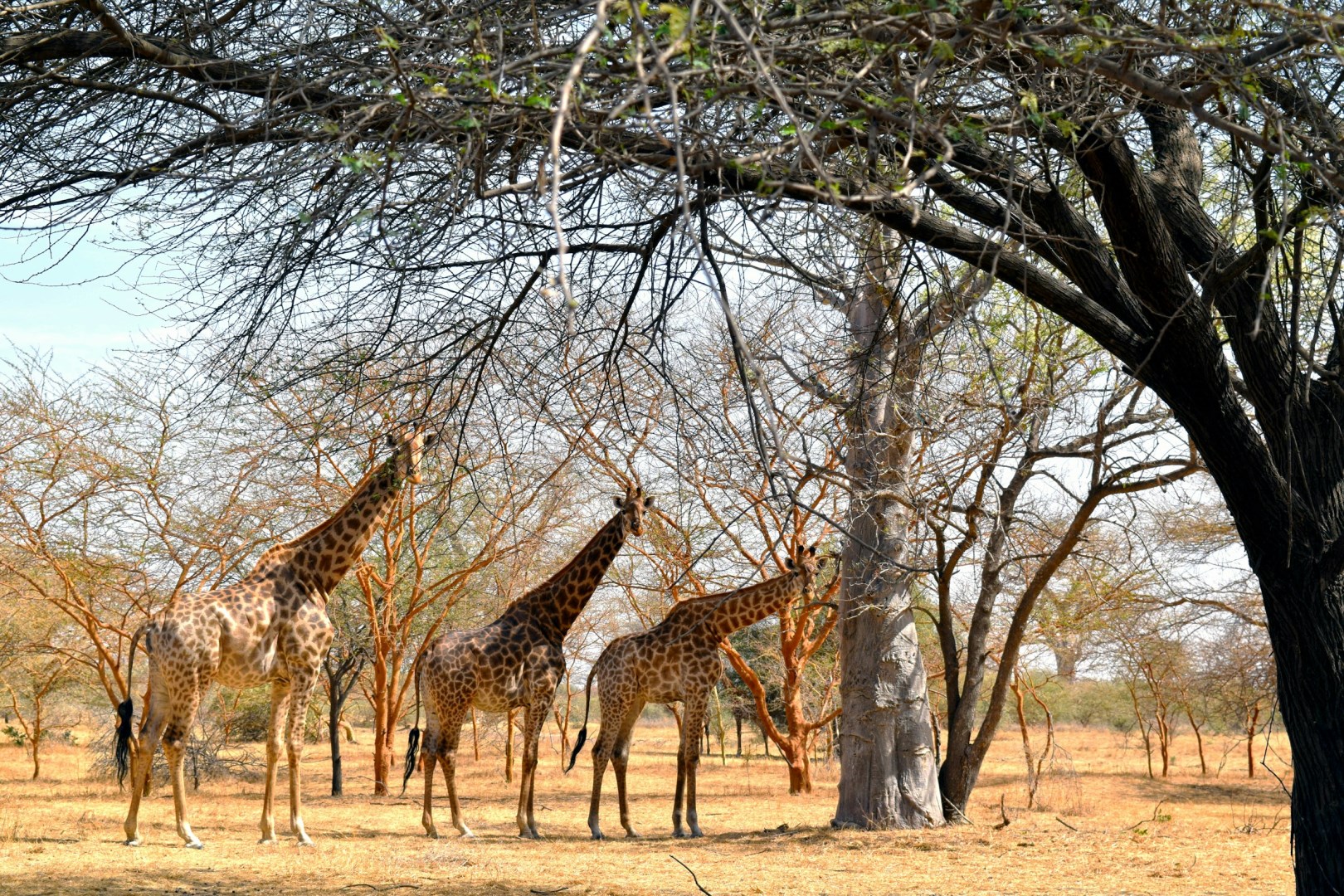
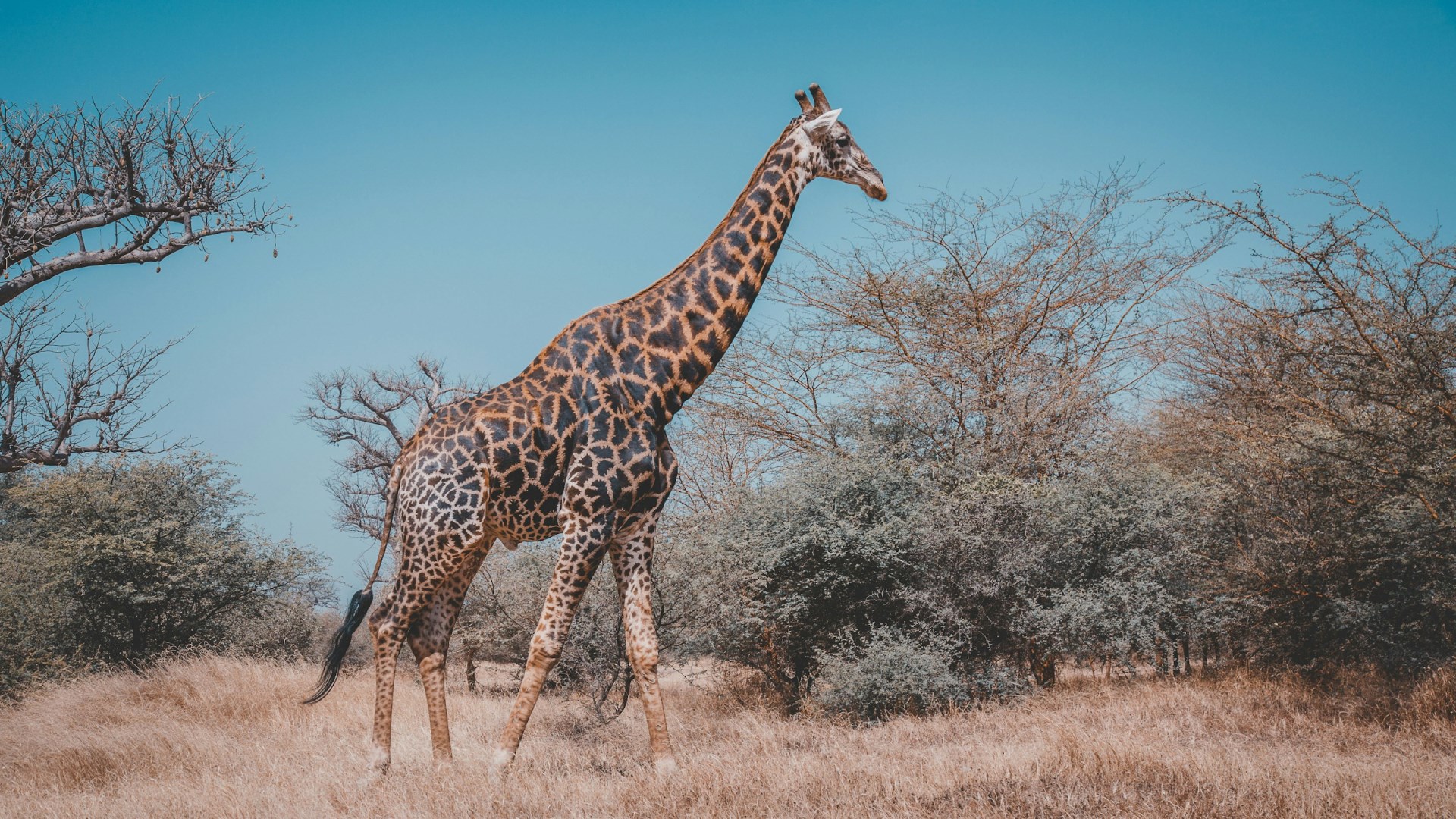
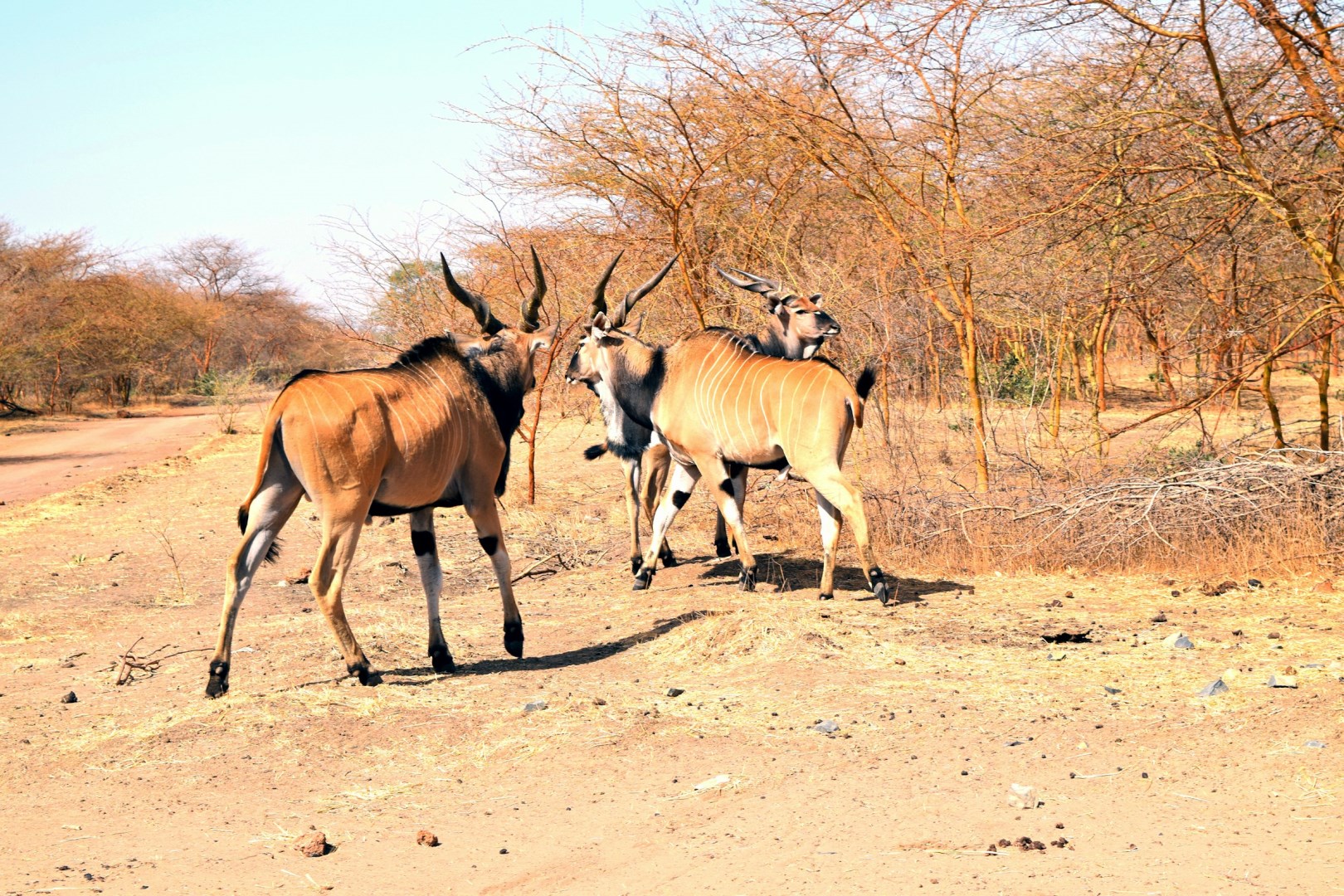
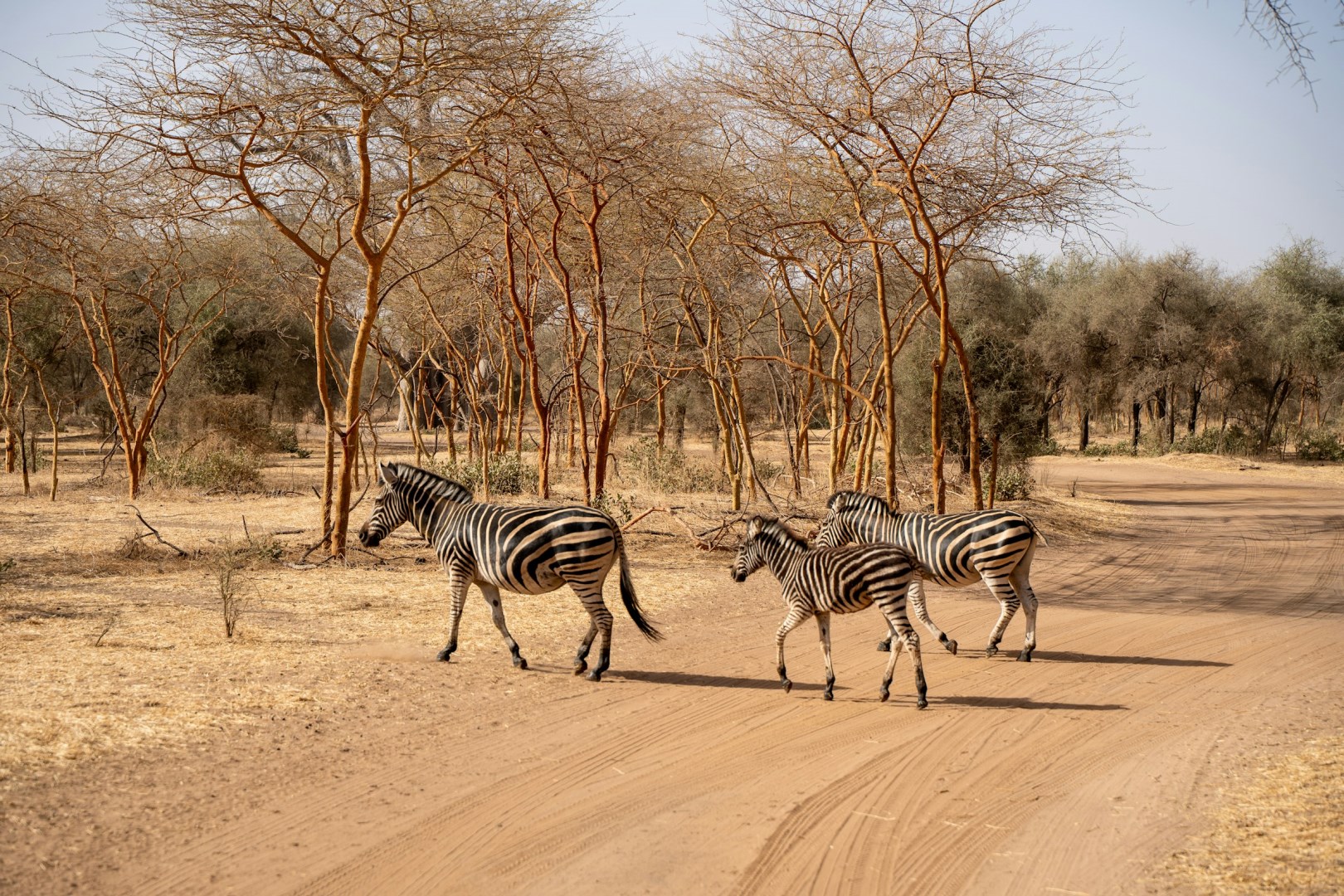
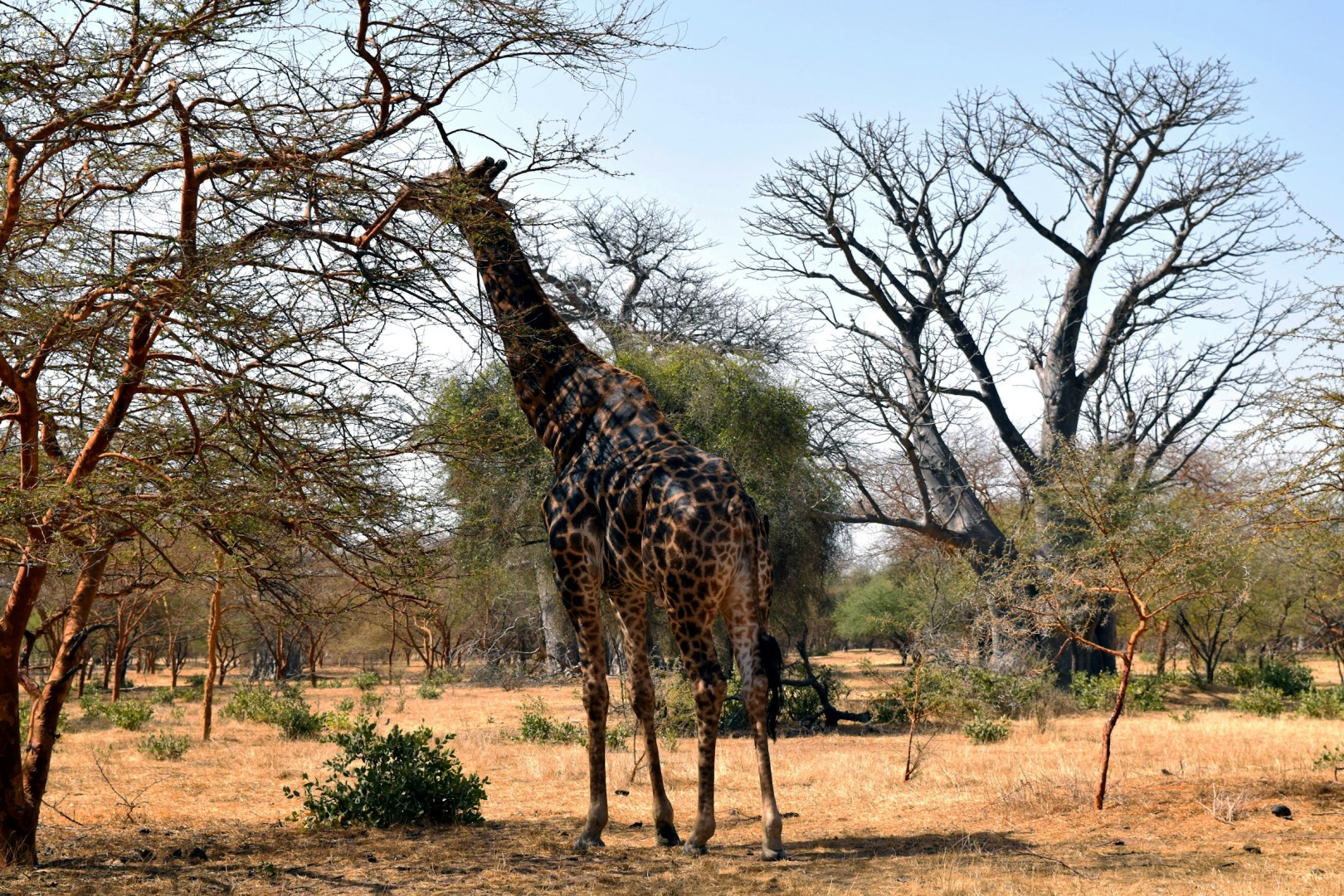
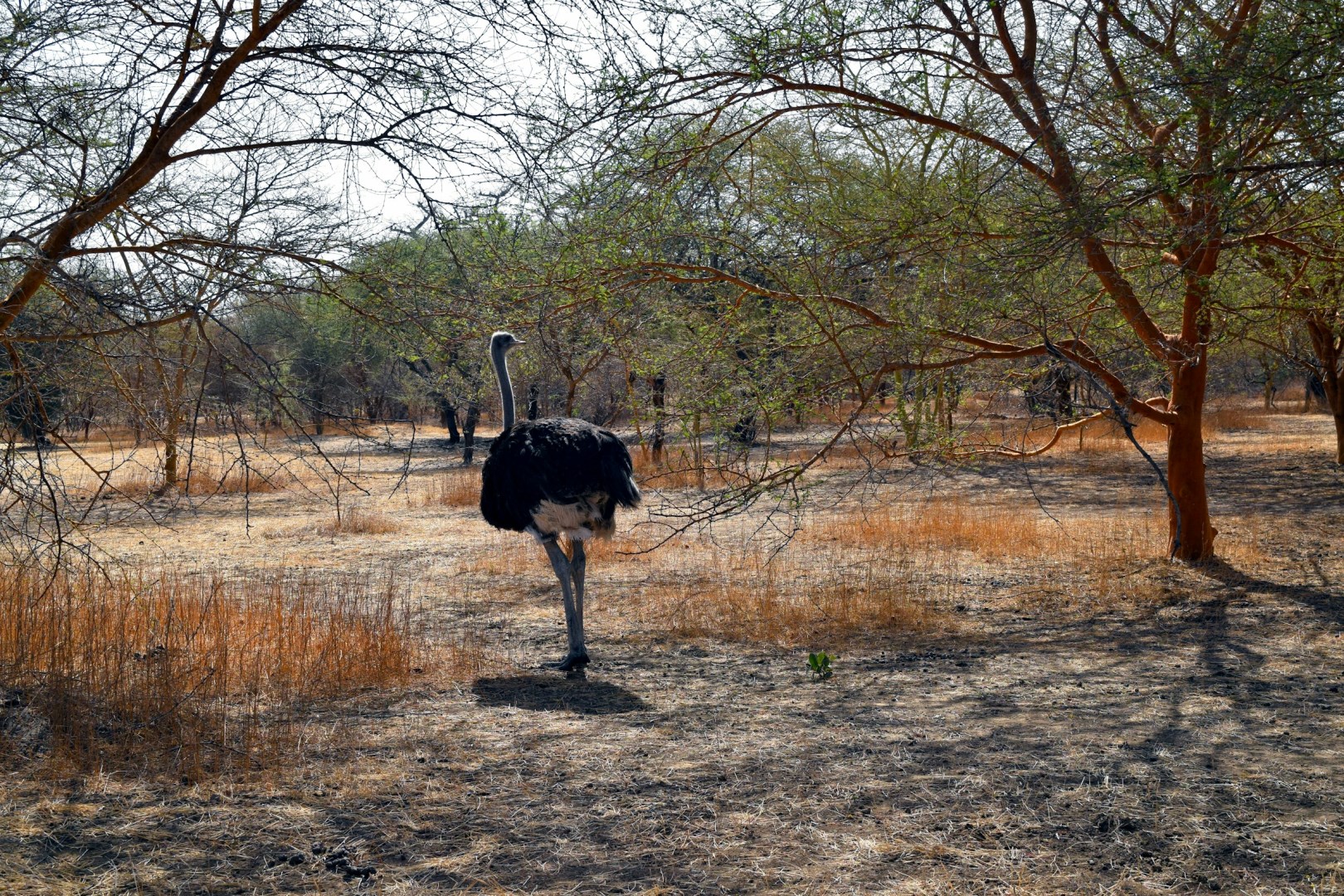
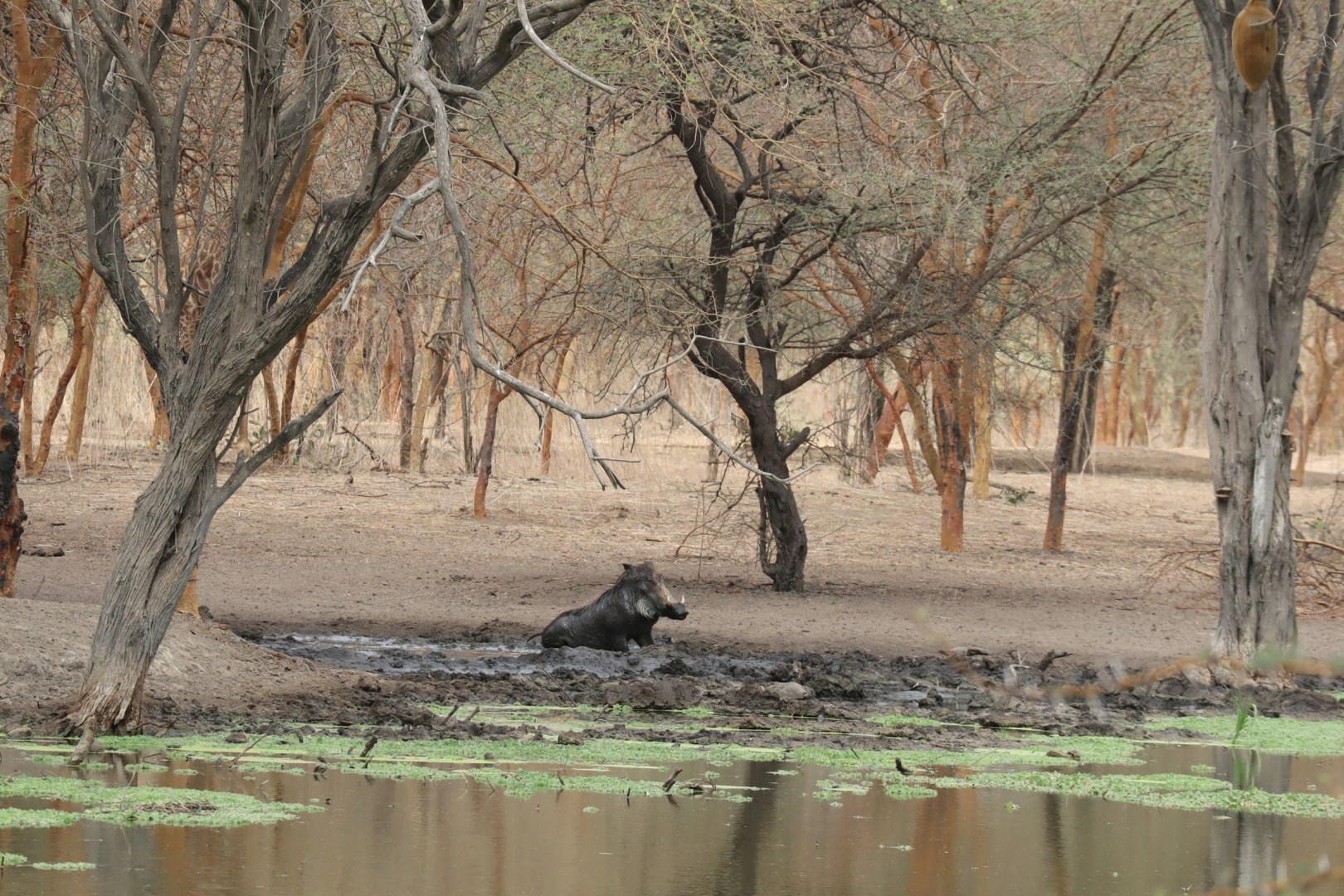
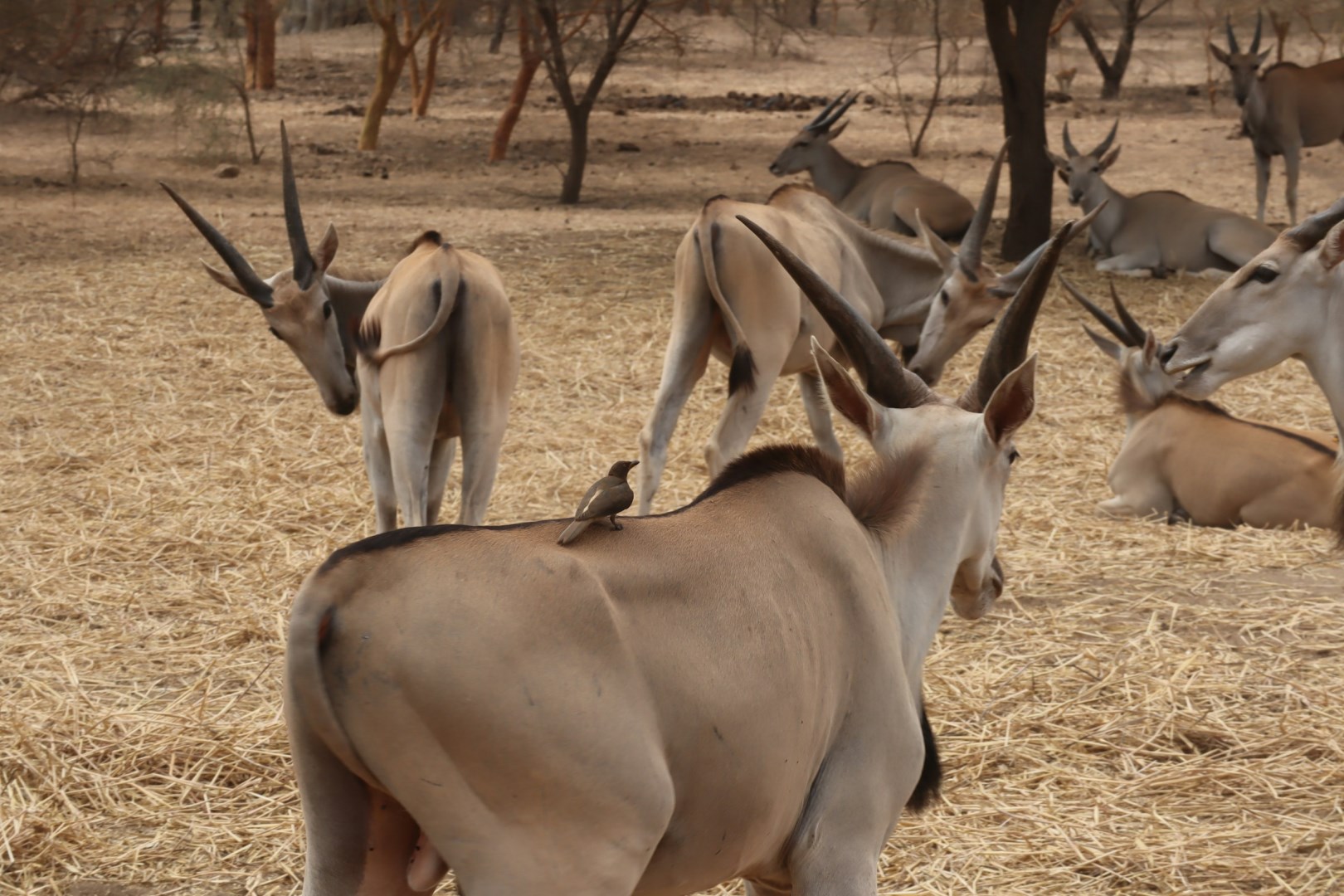
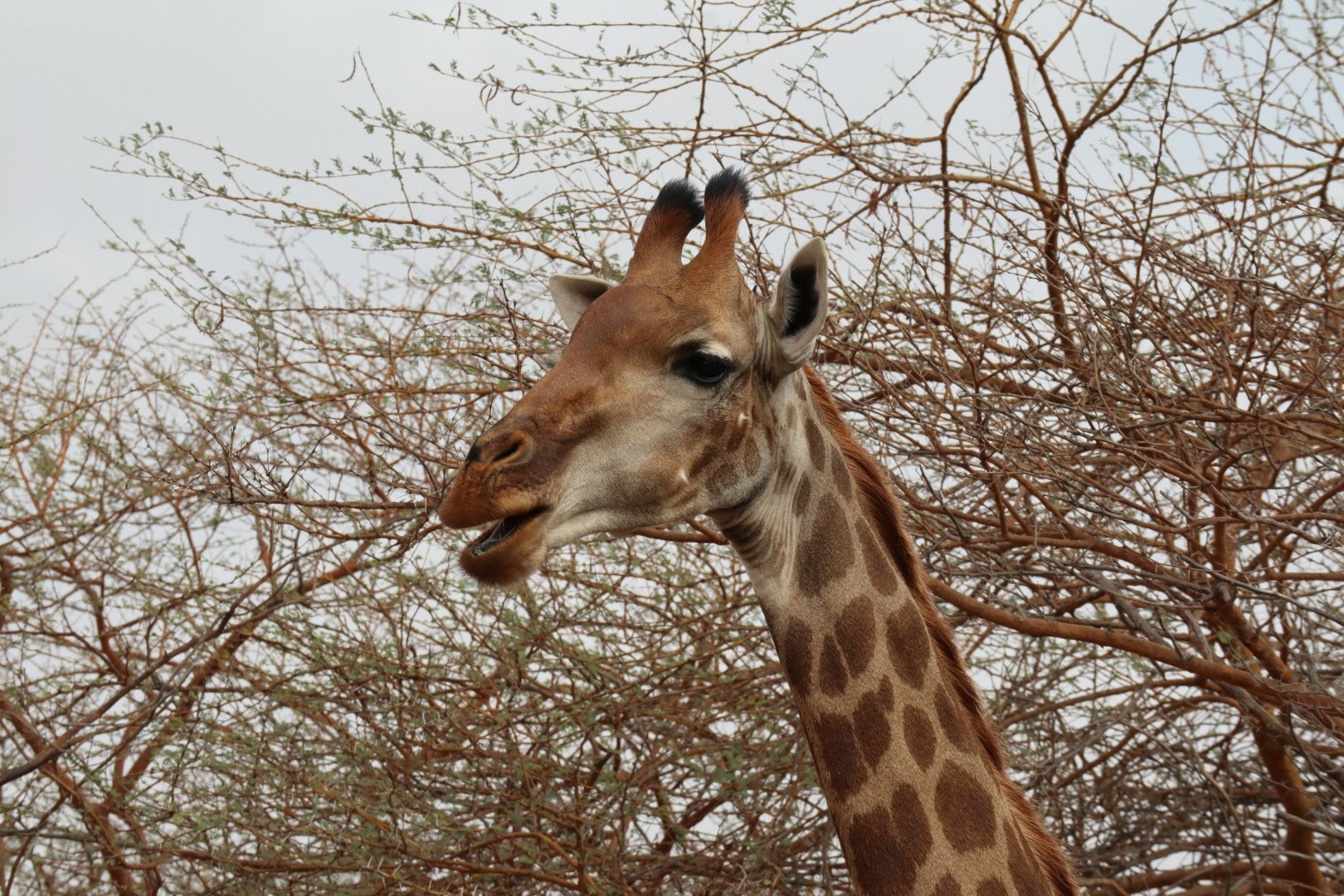
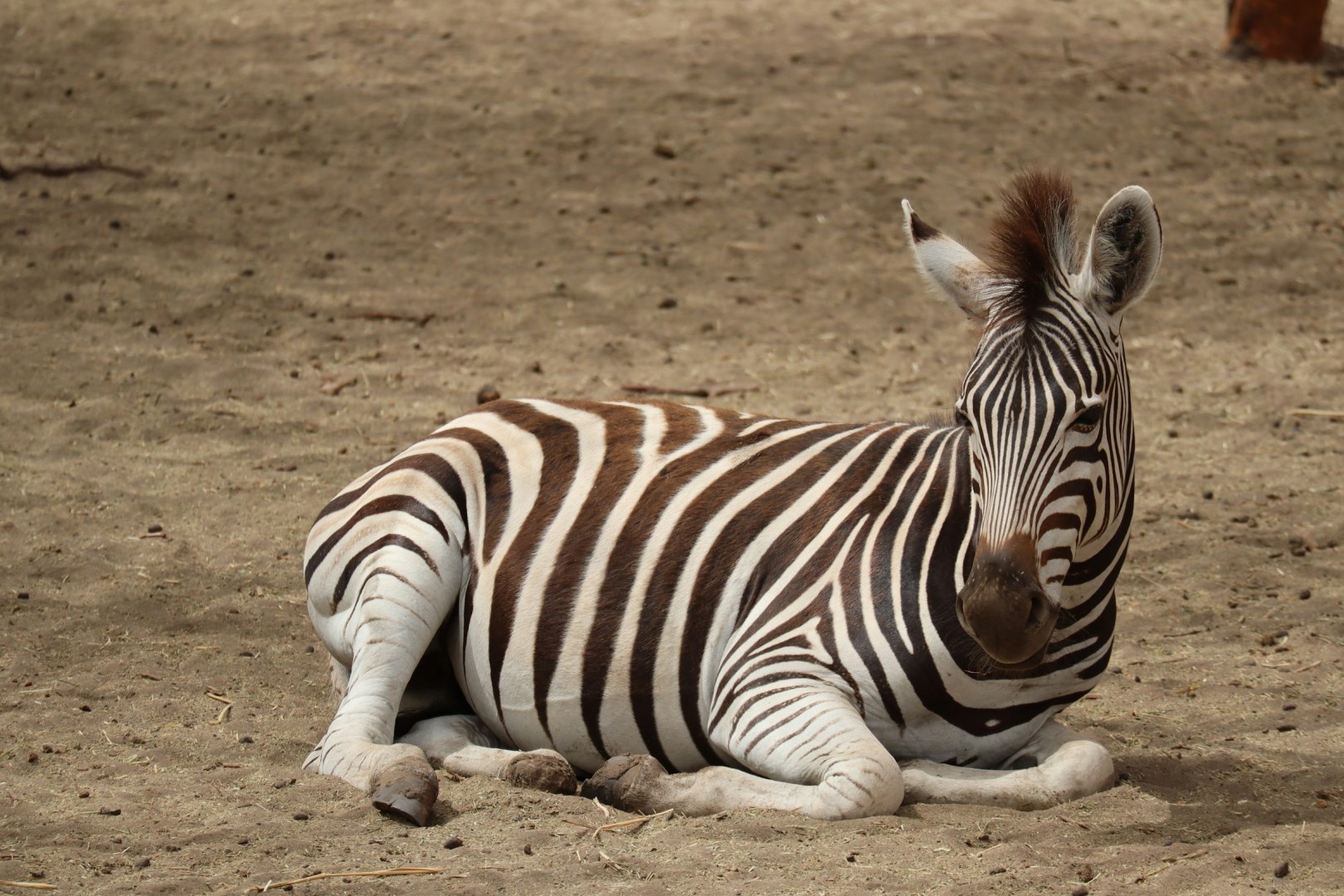
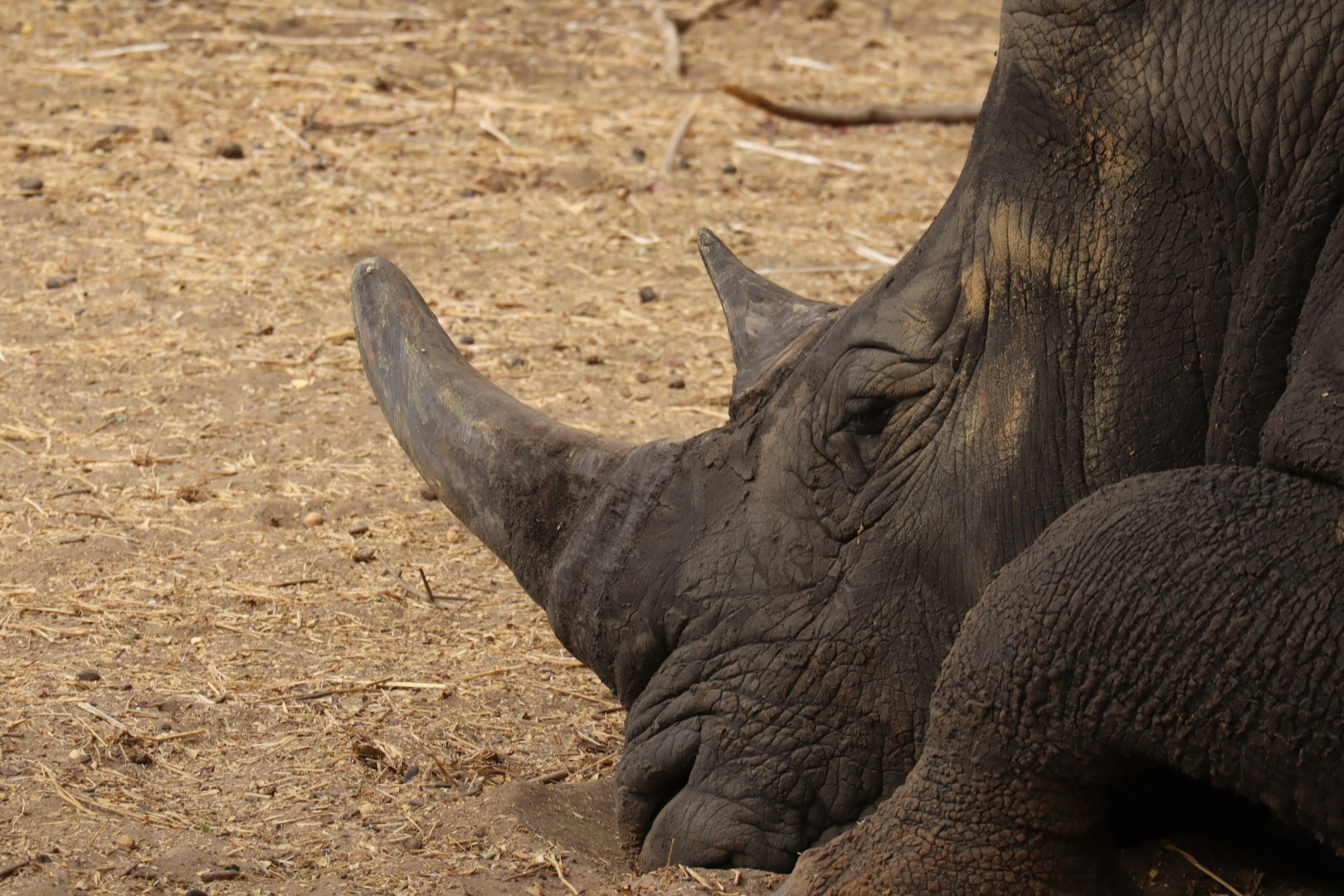
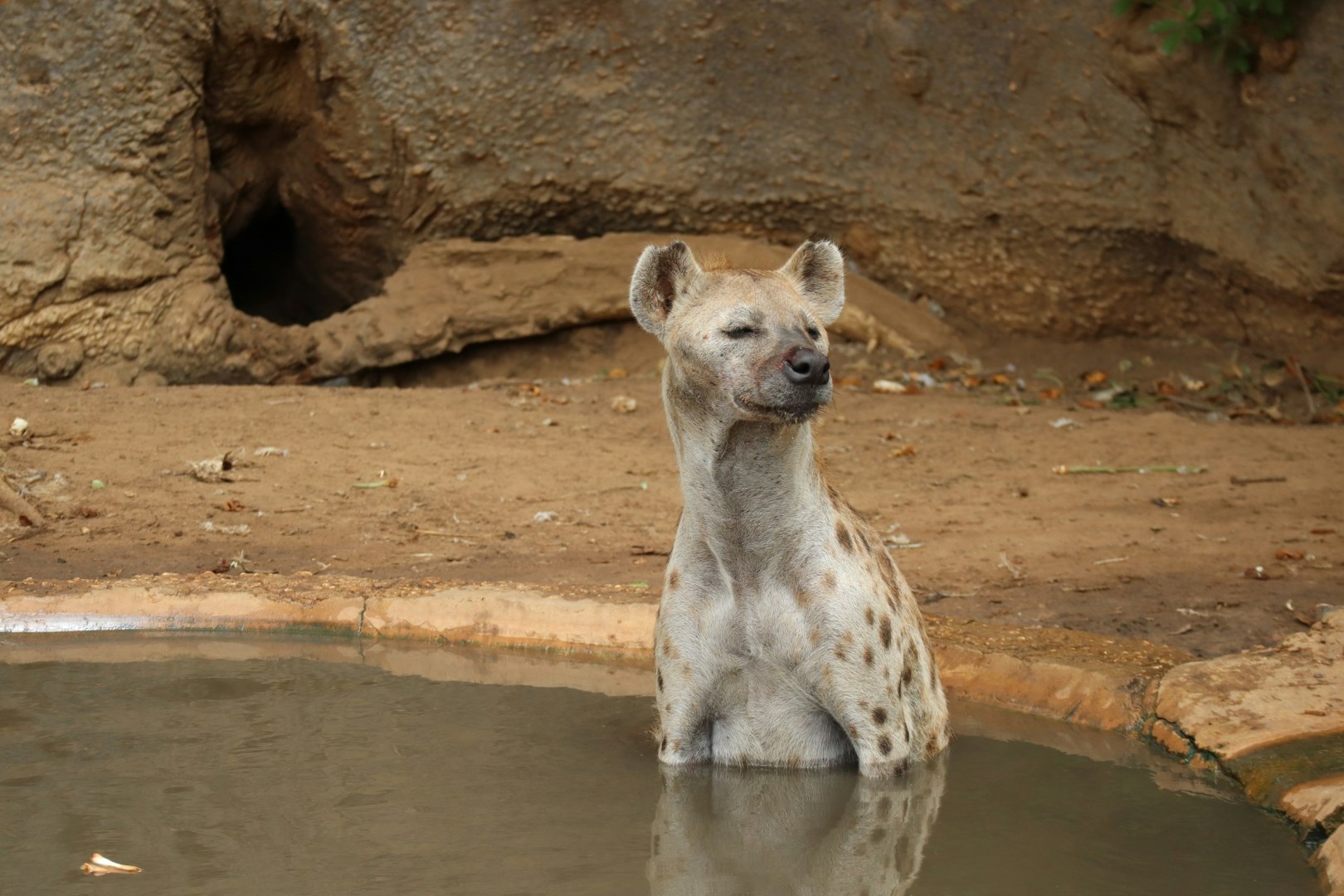
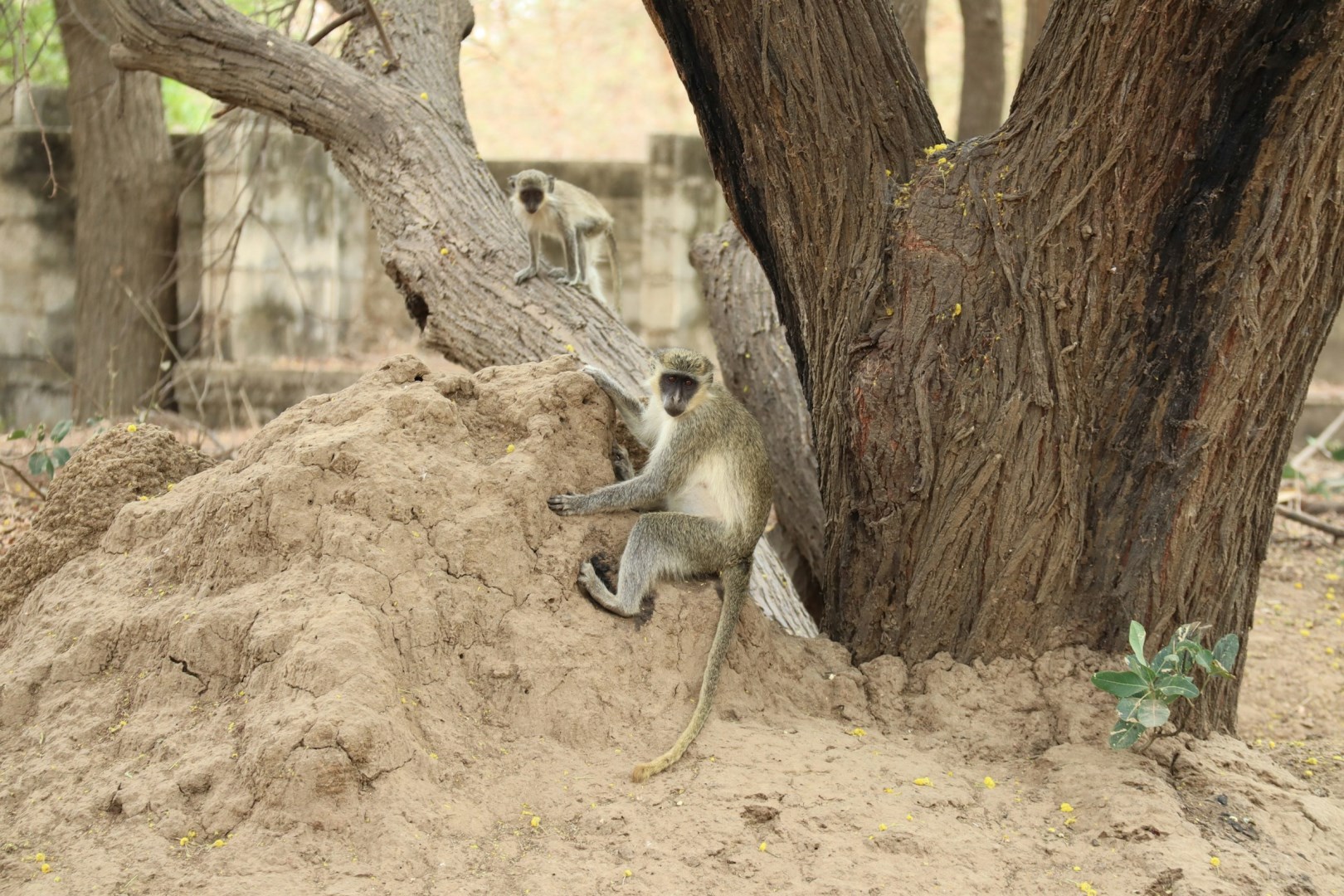
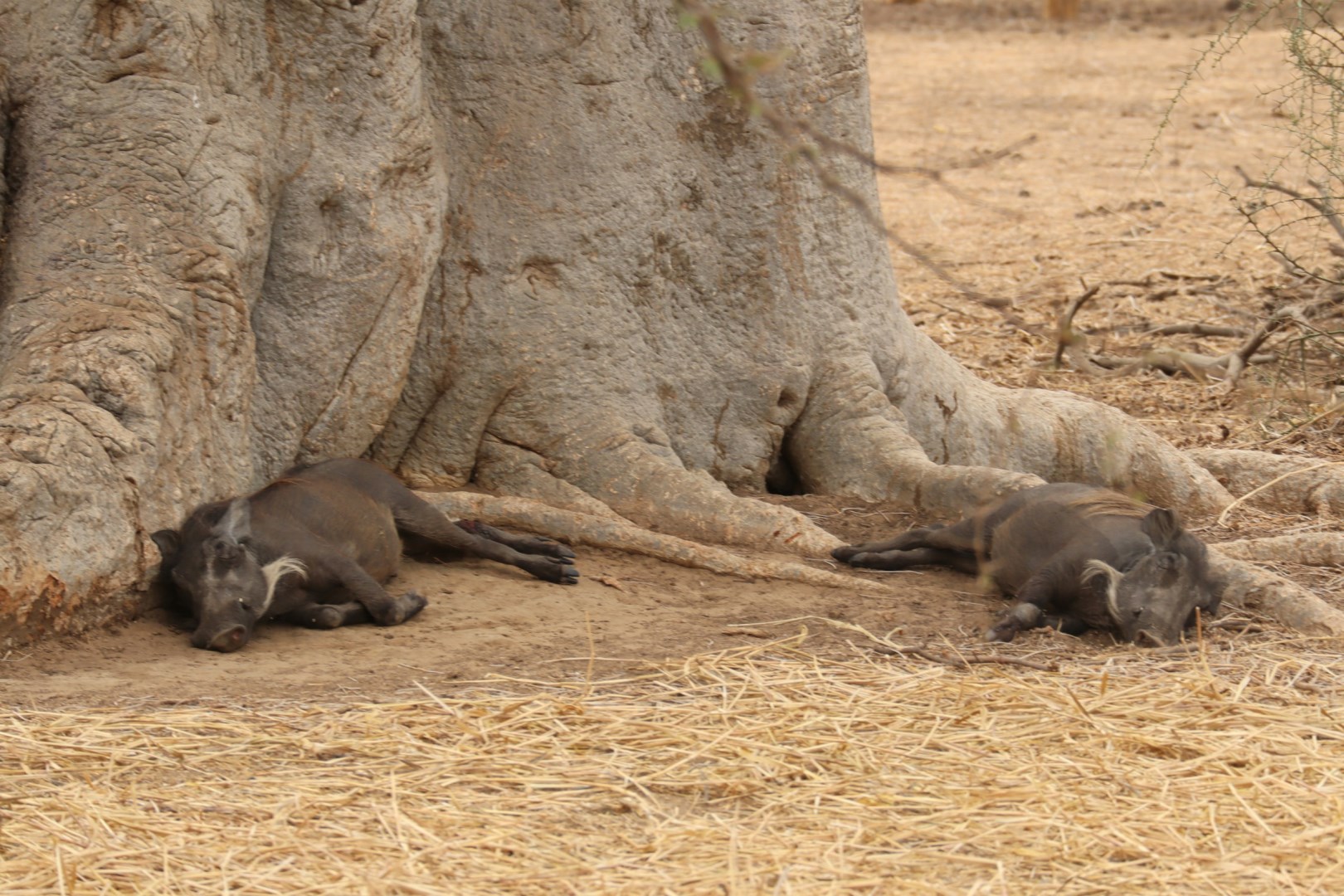
Bandia is home to white rhinoceroses, giraffes, zebras, buffalo, Derby eland, roan antelope, greater kudu, impala, warthogs, patas monkeys, vervet monkeys, crocodiles, giant tortoises, and ostriches. More than 120 bird species have also been recorded. The reserve’s large baobabs are among its most recognizable landscape features, rising above thorny vegetation and open savanna. Guided drives follow tracks through the reserve, with guides helping visitors locate animals and explaining the plants, wildlife, and geological features encountered along the way. A waterhole near the restaurant attracts animals and birds.
One of Bandia’s distinctive features is a large baobab associated with local funerary traditions, where griots were traditionally buried in or near certain baobab trees. The reserve also protects a variety of native plants that provide food and shelter for its reintroduced wildlife. Visitors generally explore the area by four-wheel-drive vehicle or an open safari vehicle, accompanied by a guide. The reserve’s restaurant overlooks a waterhole and provides a place to eat after a wildlife drive. Its location near Senegal’s Petite Côte makes Bandia a practical introduction to the country’s savanna wildlife and baobab landscapes.
