





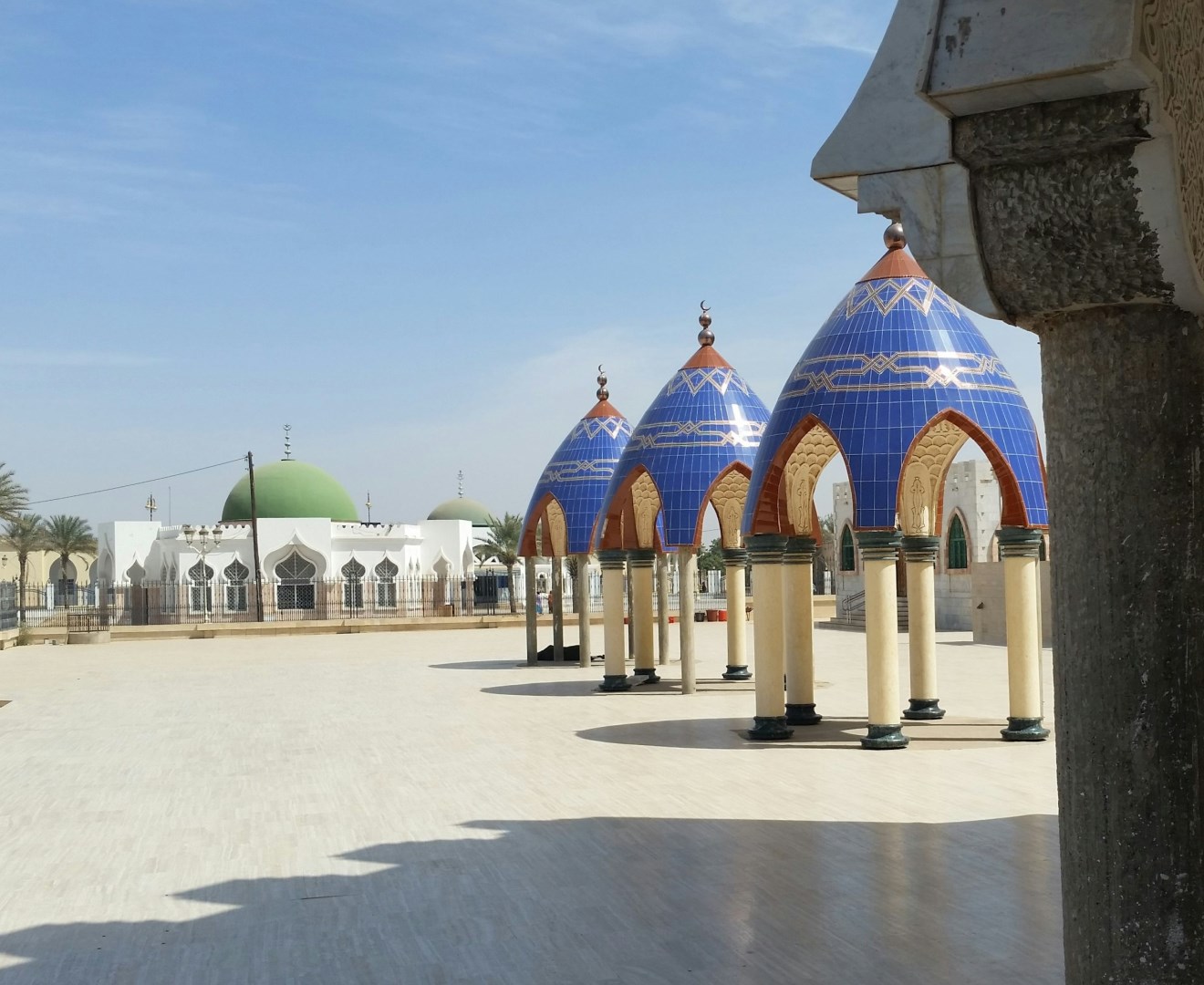
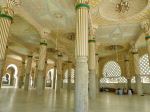


Touba is a major religious city in central Senegal and the spiritual center of the Mouride Muslim community. Located in the Diourbel Region, the city is dominated by the Great Mosque of Touba and the mausoleum of Sheikh Ahmadou Bamba, founder of the Mouride order. Touba developed around religious teachings, community organization, and pilgrimage rather than as a traditional administrative capital. Its urban form radiates around the mosque, while residential neighborhoods, markets, schools, and religious institutions extend across the surrounding area. The city’s importance reaches far beyond Senegal through the international Mouride community.
Touba’s identity is closely connected with Mouridism, a Sufi Islamic tradition founded by Sheikh Ahmadou Bamba. Religious teaching, prayer, study, service to the community, and work are central values within the tradition. The Grand Magal of Touba is the city’s principal pilgrimage, bringing together large numbers of followers to commemorate Bamba’s exile and honor his teachings. The city also contains the mausoleums of important Mouride leaders, making religious remembrance an important part of its cultural landscape. Touba operates under a distinctive religious and social system centered on the authority of the Mouride caliph.
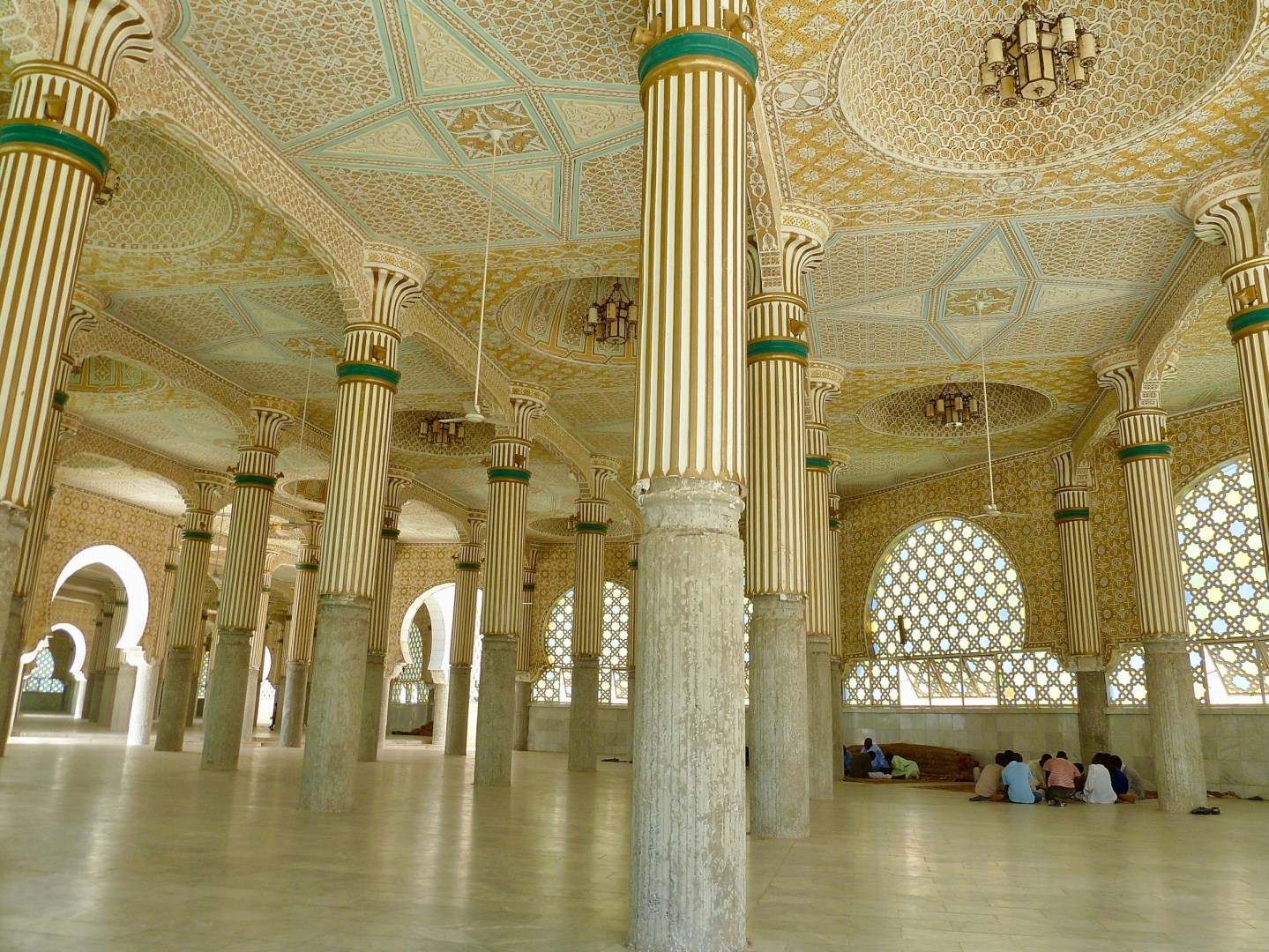
The Great Mosque is Touba’s most prominent landmark, with its large prayer complex and tall minarets forming the city’s visual center. The mausoleum of Ahmadou Bamba lies within the mosque complex and is an important place of pilgrimage. Nearby religious libraries and educational institutions support the study of the Quran and Islamic scholarship. Touba’s streets also contain markets and commercial areas that become particularly busy during major religious gatherings. Beyond the built environment, the surrounding region consists largely of dry Sahelian landscapes, with farmland and scattered vegetation reflecting the relatively low rainfall of central Senegal.
Food and commerce play an important role in Touba’s daily life, particularly during periods of pilgrimage when markets expand to serve large numbers of visitors. Senegalese dishes such as thieboudienne, yassa, and millet-based preparations can be found in local homes and eateries. The city is also known for Touba coffee, a spiced coffee associated with Mouride culture and commonly prepared with grains of Selim. One distinctive aspect of Touba is the close relationship between religious life and economic activity: shops, transport services, hospitality, education, and charitable work are all closely connected with the needs of the city's large religious community.
