



Middle East | Saudi Arabia | NEOM




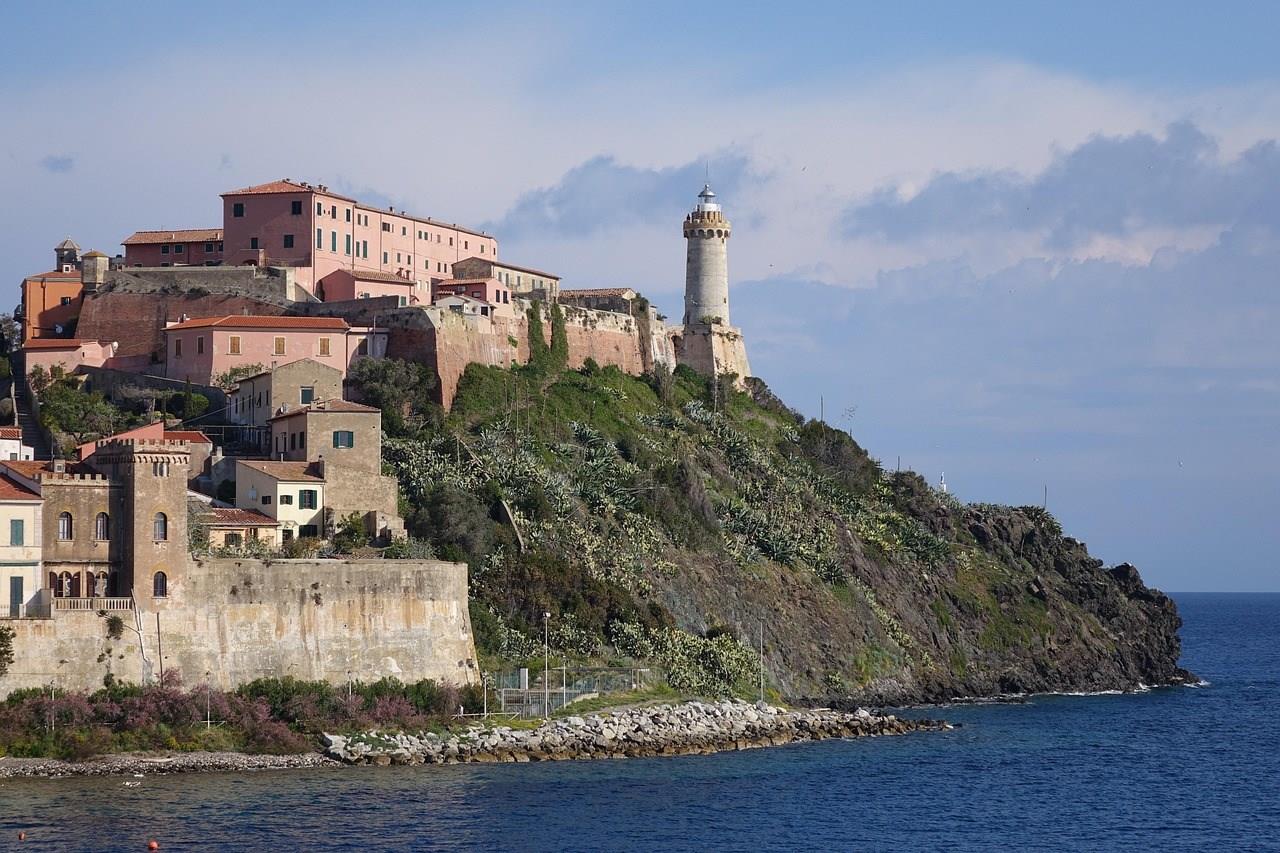
NEOM is a large region under development in northwestern Saudi Arabia, extending across mountains, deserts, coastal plains, and Red Sea waters. It covers about 26,500 square kilometers and includes 468 kilometers of coastline, placing it near the meeting point of Asia, Africa, and Europe. Rather than being a single city, NEOM consists of several planned areas and projects, including The Line, Oxagon, Trojena, Magna, and the Islands of NEOM. The region combines large-scale urban and economic development with programs intended to protect and restore its natural landscapes and marine environments.
The wider NEOM region has a long human history that predates its current development projects. Ancient trade routes crossed the desert landscapes, while rock carvings and inscriptions provide evidence of earlier communities and travelers. The coastal and mountain areas have also supported settlements connected with fishing, pastoralism, and trade. Today, NEOM is being developed around new industries, technology, tourism, and renewable energy, while its planners are incorporating local heritage and environmental conservation into the regional vision. This creates a cultural landscape where archaeological evidence and traditional connections to the land exist alongside a rapidly developing modern region.
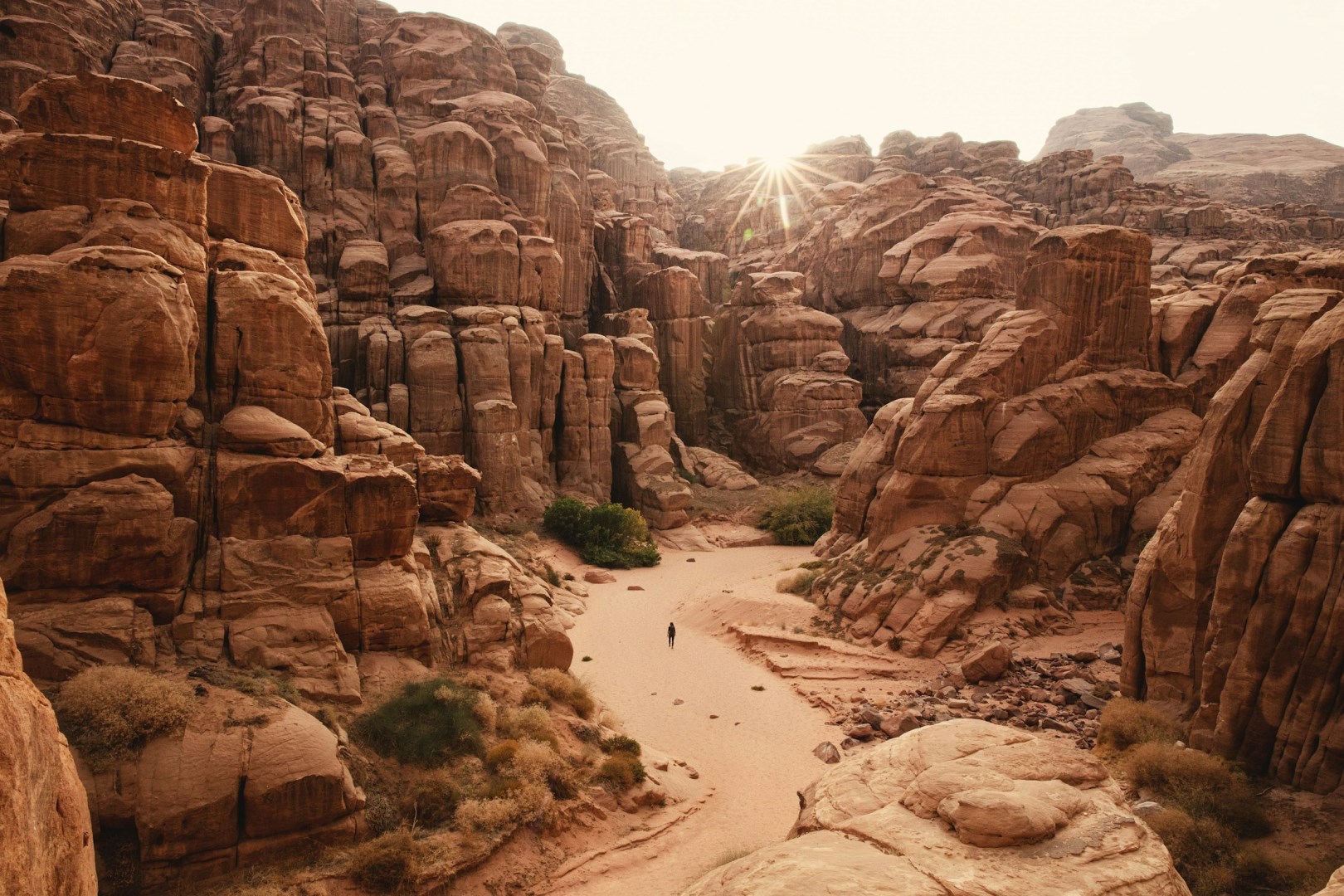
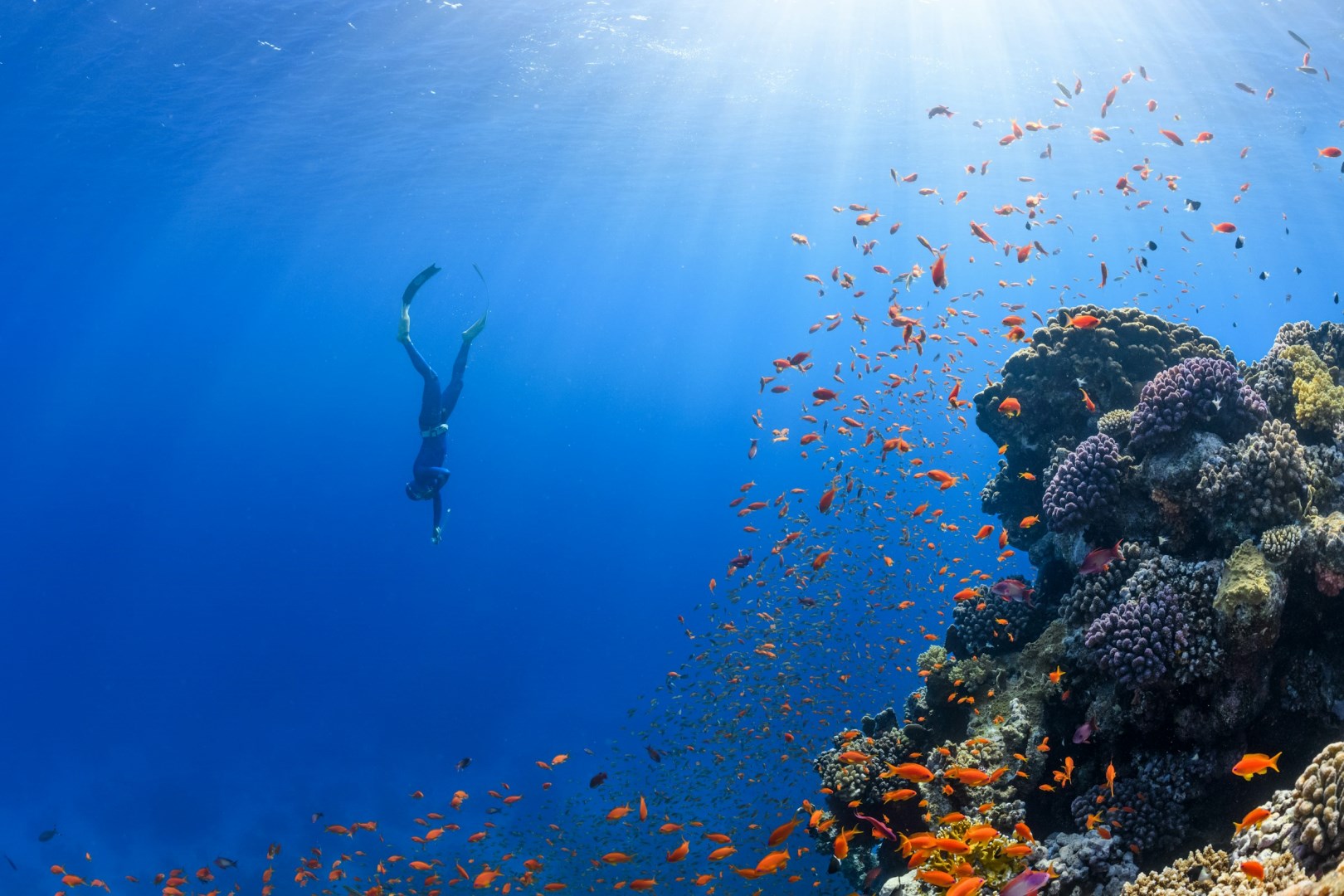
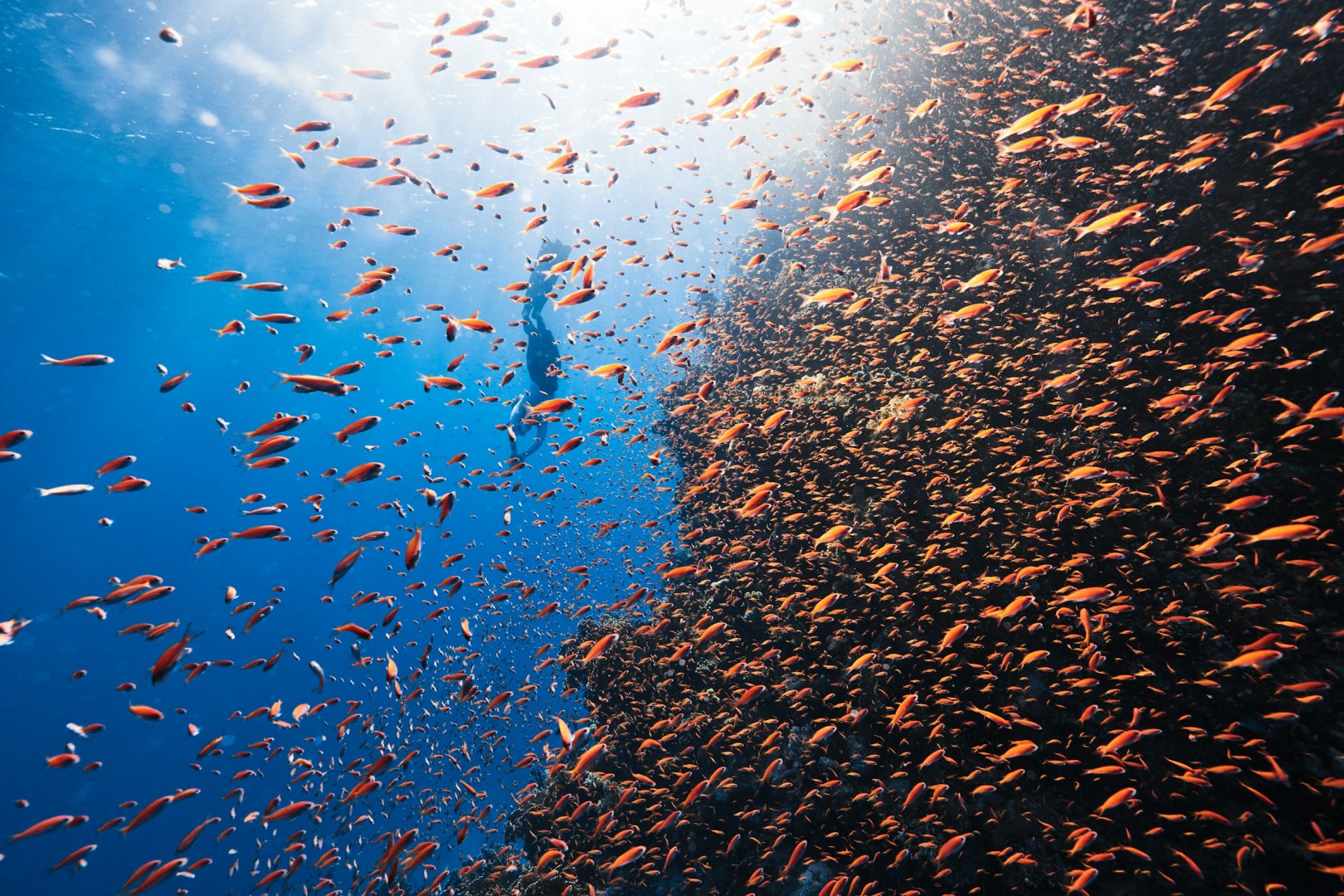
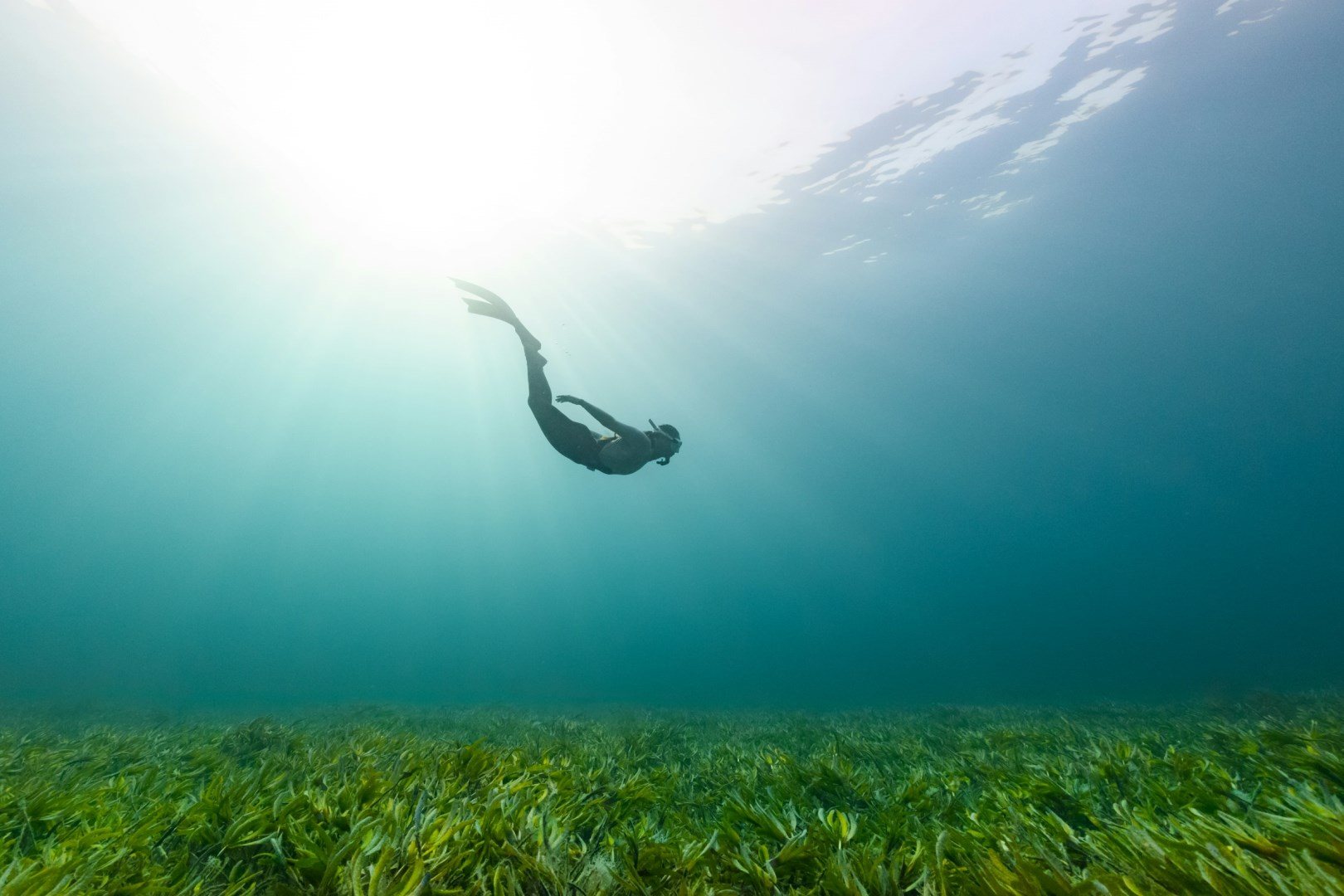
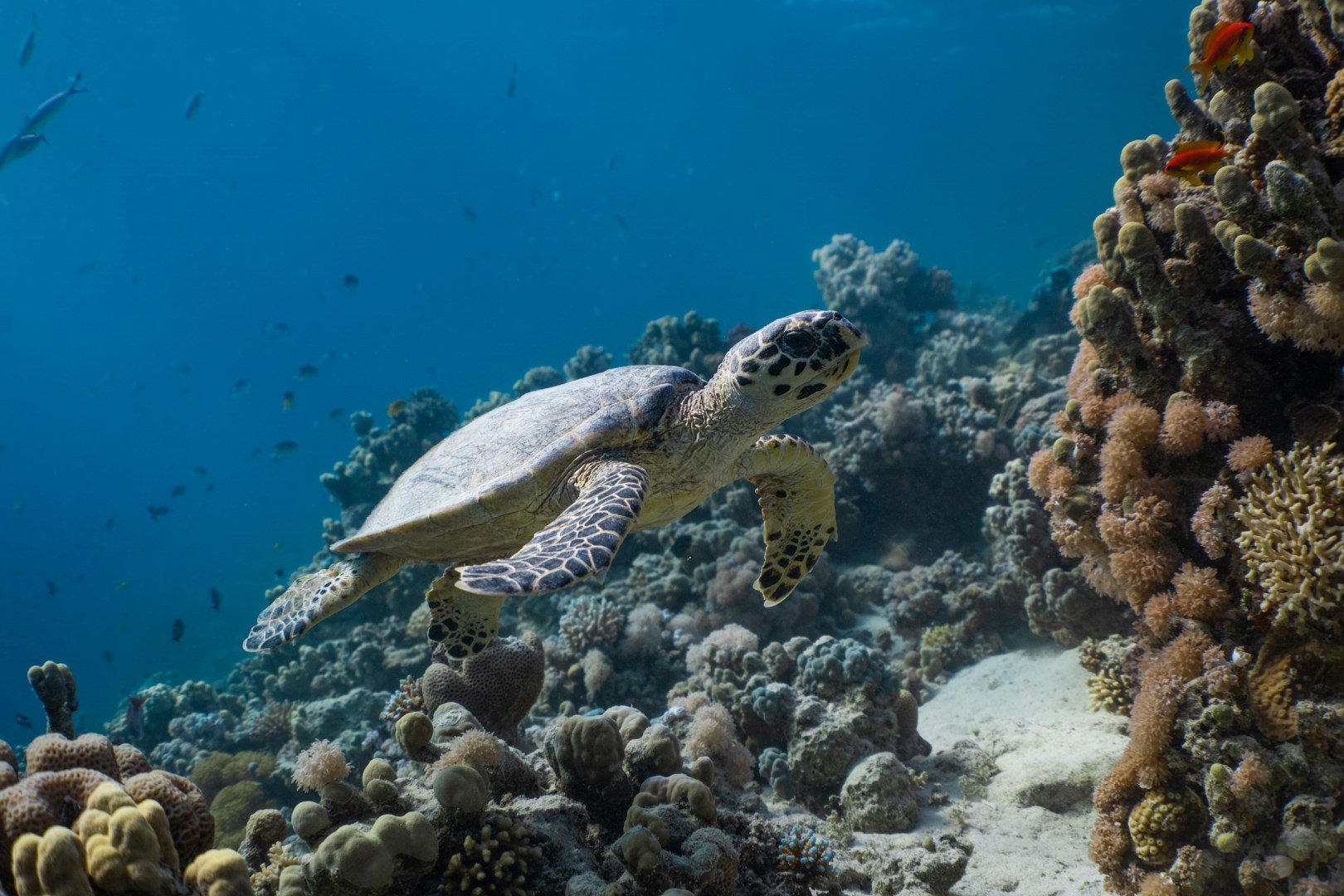
NEOM's landscapes range from the mountains of Jabal Al-Lawz to the deserts of Bajdah and the coastline of the Gulf of Aqaba and Red Sea. Trojena occupies a mountain area reaching elevations of about 2,600 meters, while Magna stretches along 120 kilometers of Gulf of Aqaba coastline. The NEOM Nature Reserve covers mountains, deserts, plains, and coastal environments, with programs for habitat restoration and wildlife reintroduction. Marine areas contain coral reefs and diverse fish populations. The Line and Oxagon represent the region's major planned urban and industrial developments, although both remain under construction.
Food in NEOM reflects the wider traditions of northwestern Saudi Arabia, where dates, rice, grains, meat, seafood, and locally grown produce form important parts of regional cooking. Coastal communities have long relied on fish from the Red Sea, while inland areas have supported date cultivation and pastoral traditions. One distinctive feature of NEOM is the range of environments within a single region, from high mountain terrain and sandstone deserts to coral-rich coastal waters. Conservation work includes reintroducing native species such as Arabian oryx and ibex, while large areas of land and marine habitat are being studied and restored as development continues.
