




East and Southeast Asia | Malaysia | Batu Caves
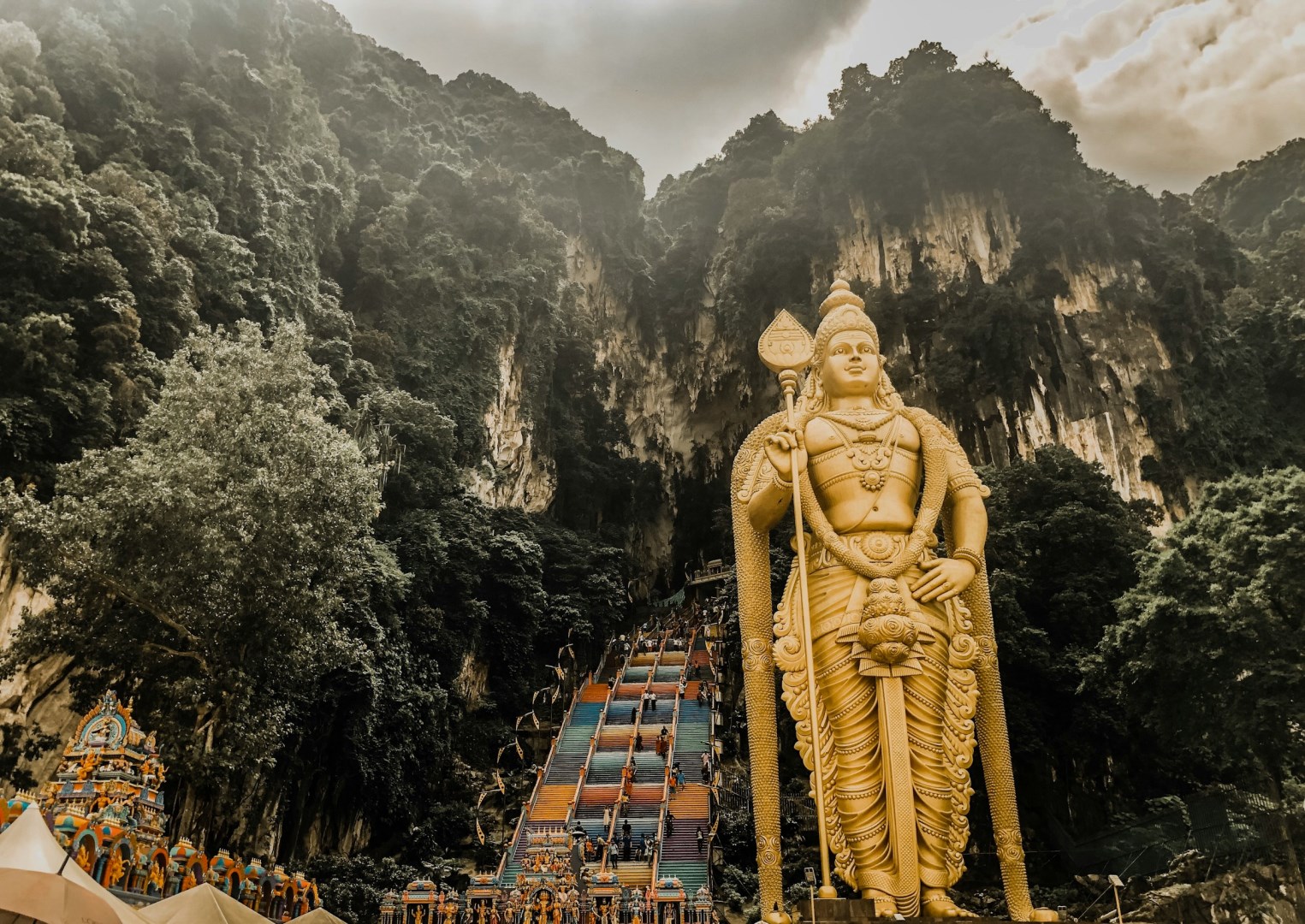
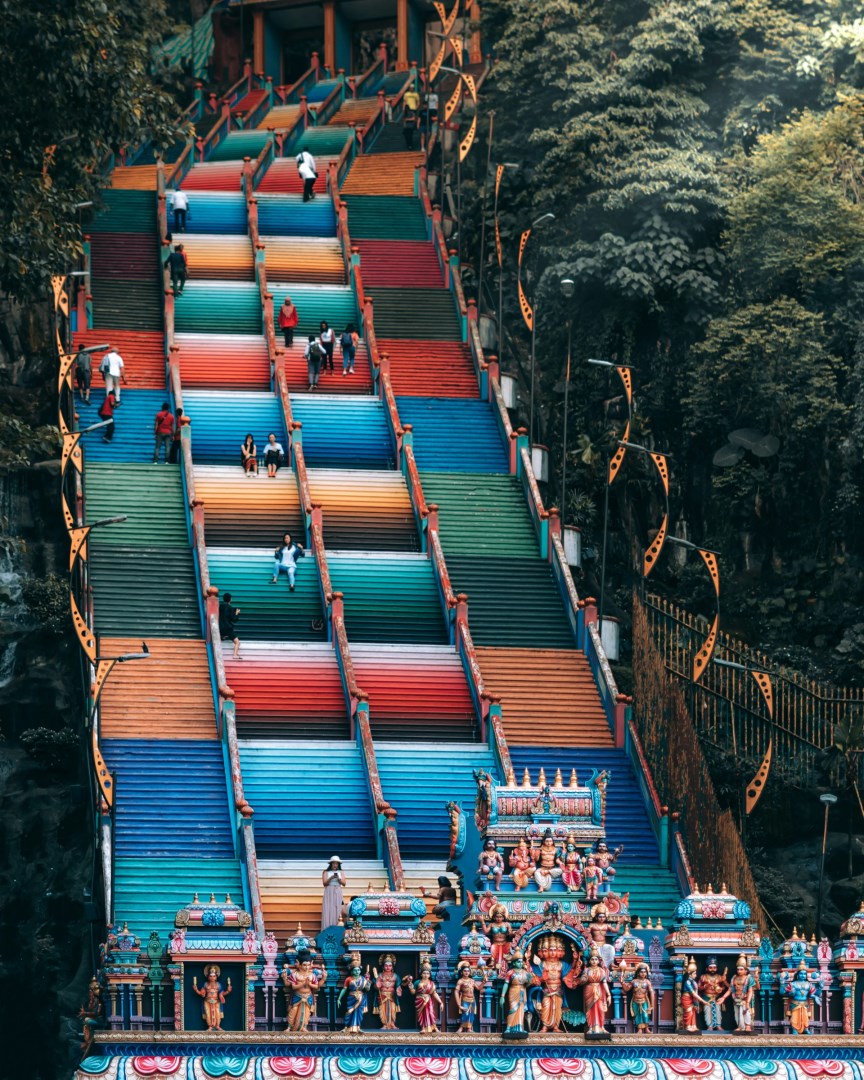
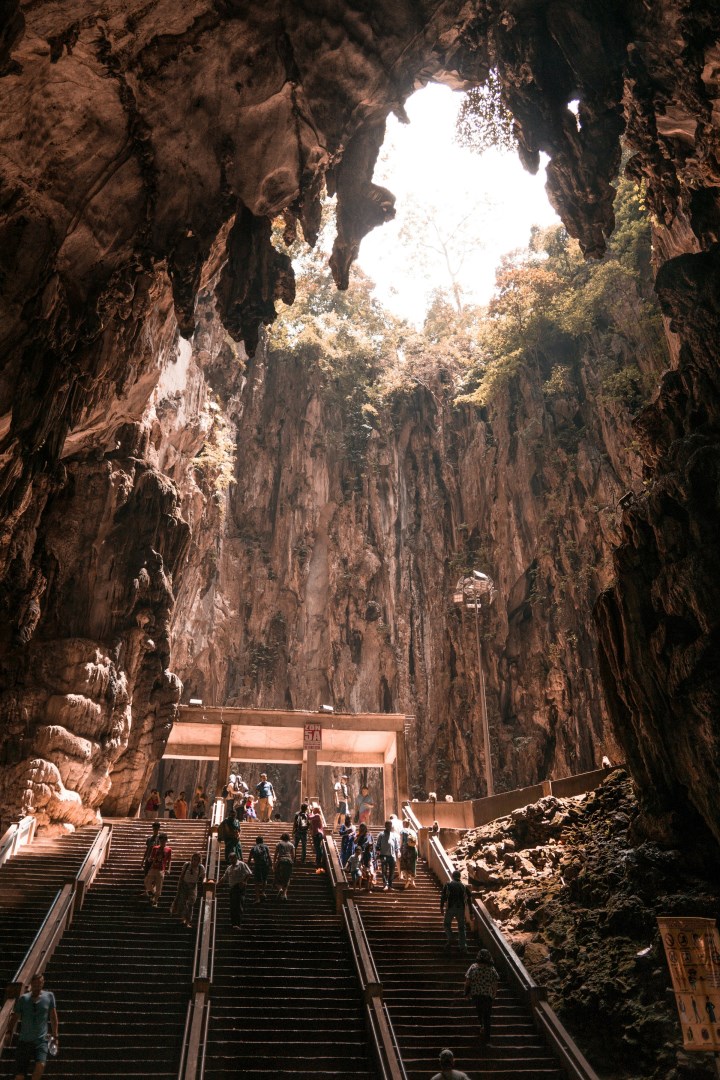



Batu Caves is a limestone hill and Hindu religious complex in Gombak, Selangor, just north of Kuala Lumpur. The site consists of several caves and caverns formed within a limestone outcrop, with the main Temple Cave reached by a staircase of 272 steps. A large statue of Lord Murugan stands at the foot of the stairs and has become one of the site's most recognizable features. The caves combine natural geological formations with temples, shrines, and religious artwork, making Batu Caves an important cultural landmark as well as a major attraction in Selangor.
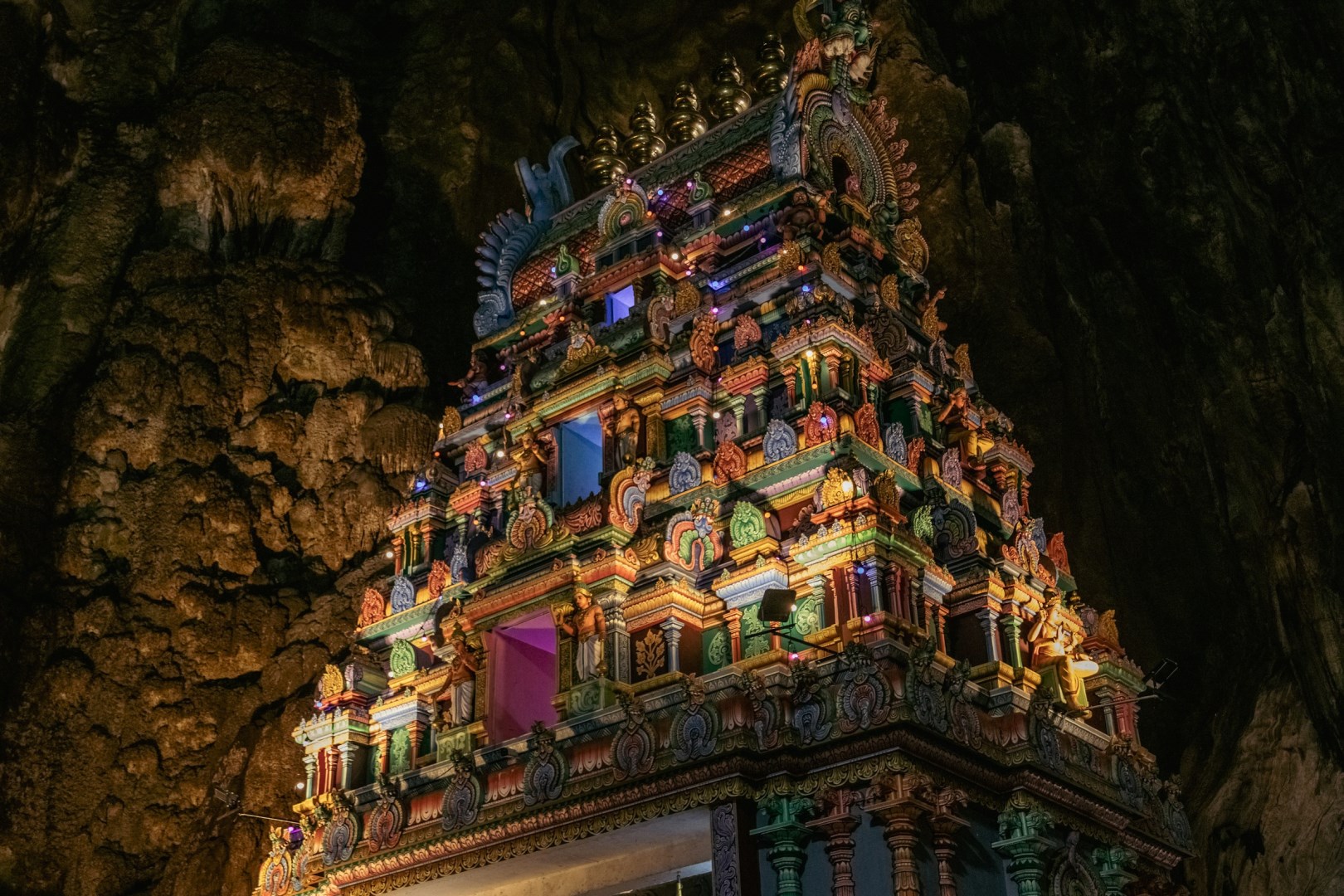
Batu Caves has a significant place in Malaysia's Hindu community and is an important pilgrimage site during the annual Thaipusam festival. Worshippers gather at the complex for prayers and religious ceremonies, with some devotees carrying kavadi as part of their observance. Inside the caves, shrines dedicated to Hindu deities are integrated with the natural limestone surroundings. The site also includes the Ramayana Cave, where murals and statues depict stories from the Hindu epic. Religious activity continues throughout the year, so Batu Caves functions as an active place of worship rather than simply a historic attraction.
The limestone formations at Batu Caves are estimated to be more than 400 million years old and contain numerous caves, chambers, and rock formations. Temple Cave, also known as Cathedral Cave, is the largest and most prominent cavern, while the Dark Cave contains an extensive underground environment with specialized cave wildlife. The limestone hill also supports plant species adapted to this unusual habitat. Visitors can explore the main temple complex, climb the colorful staircase, and observe the surrounding rock walls and vegetation. The site is easily reached from Kuala Lumpur by KTM Komuter train.
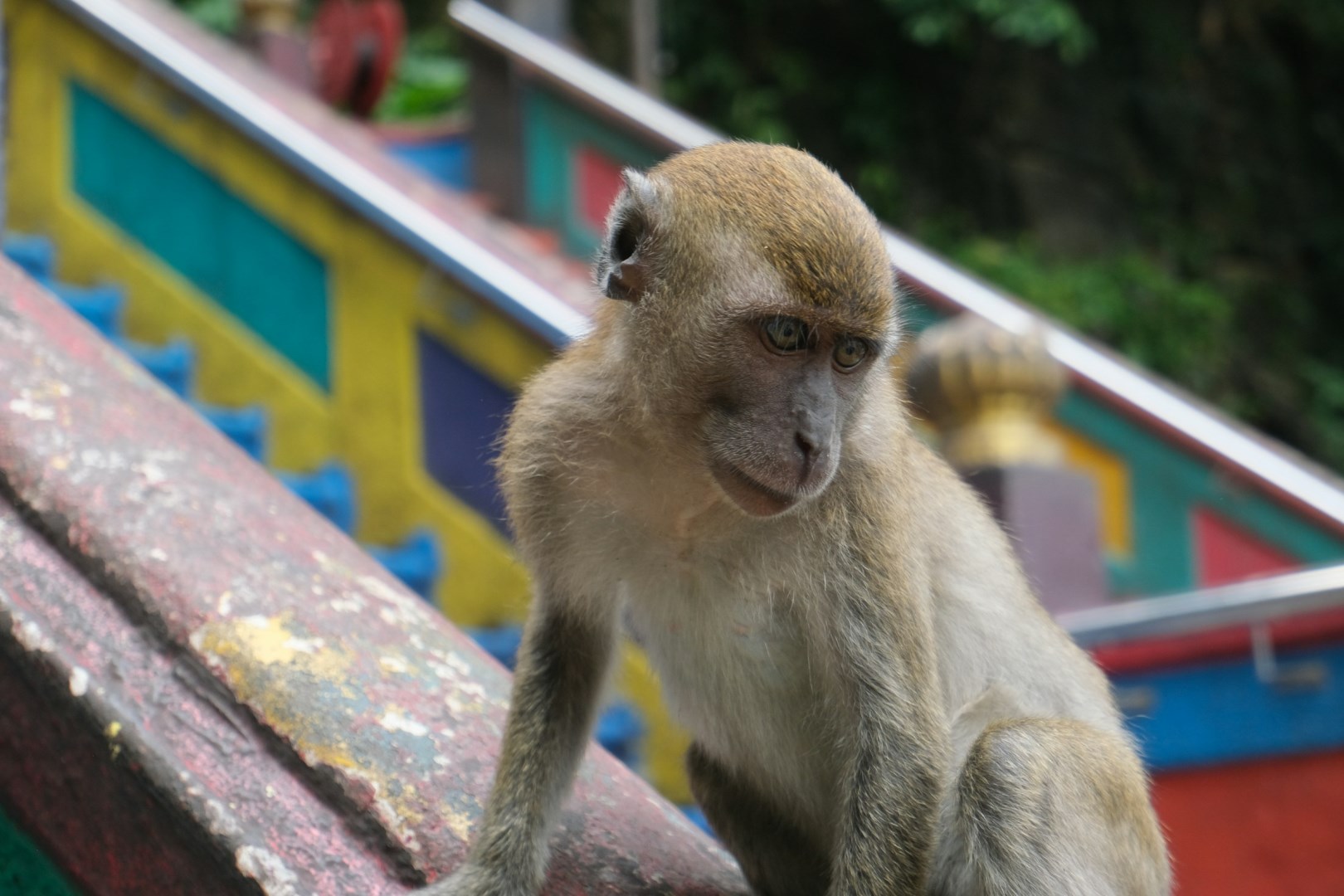
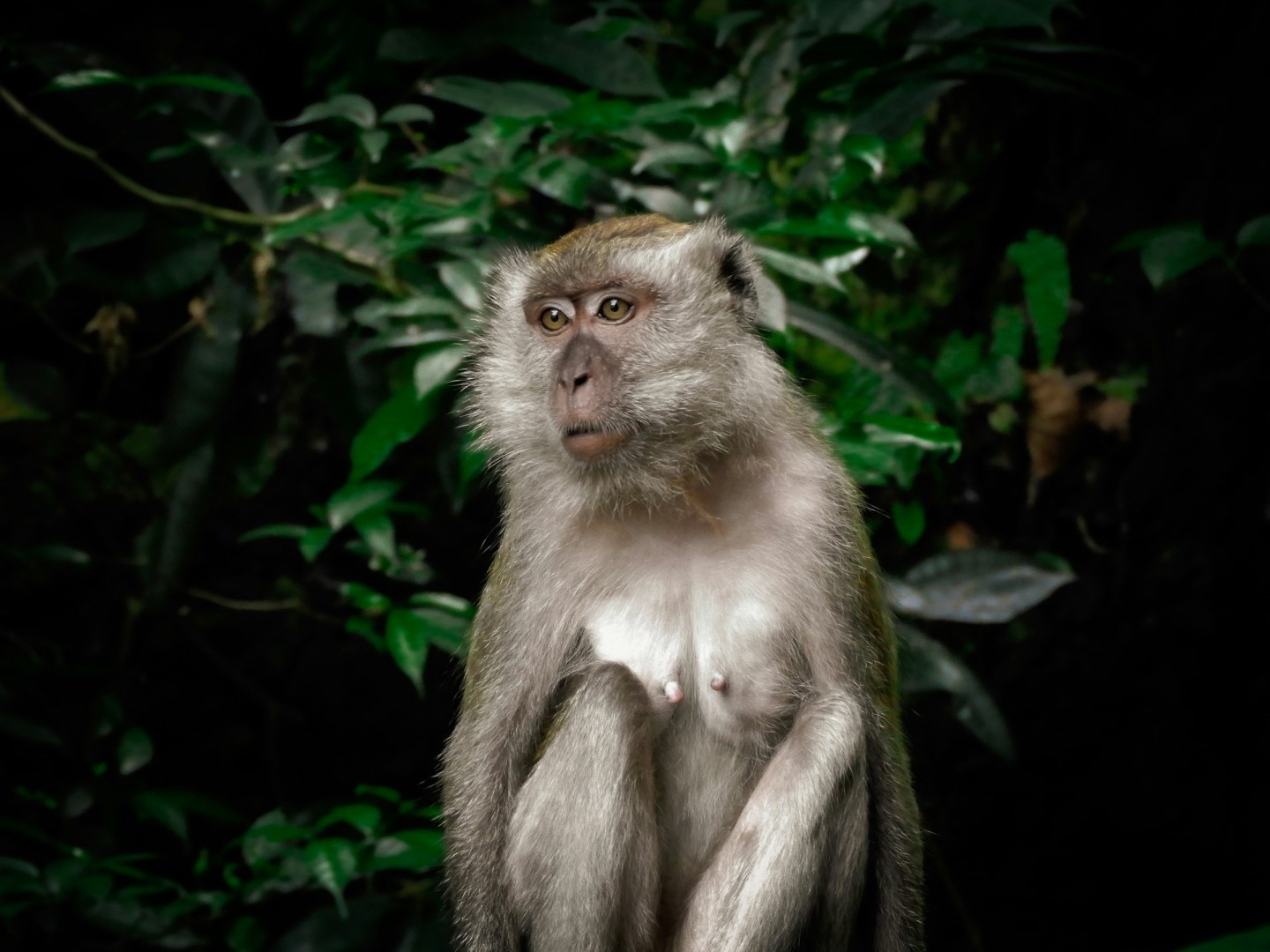
Batu Caves itself is not primarily known as a food destination, but its location in Gombak places it within an area with a strong Malaysian Indian culinary presence. Nearby eateries commonly serve dishes such as banana-leaf rice, roti canai, dosa, and various vegetarian and meat-based curries. A distinctive feature of the site is the presence of long-tailed macaques around the staircase and limestone grounds. Another notable detail is the close relationship between geology and religious practice: ancient limestone chambers provide the setting for active Hindu shrines, while the surrounding Gombak landscape forms part of a wider limestone and forest environment.
