




East and Southeast Asia | Taiwan | Magong
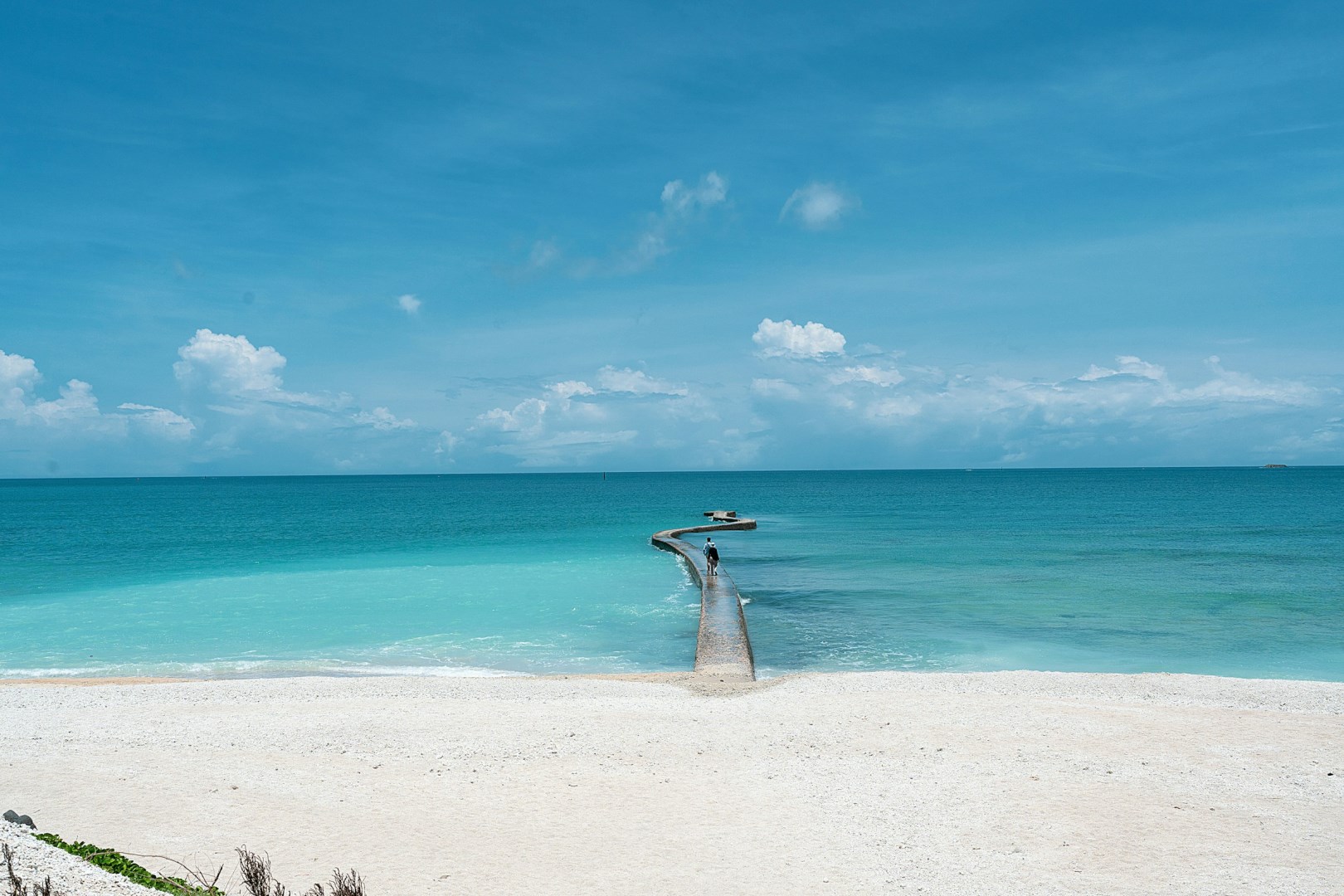
Magong is the main city of Penghu County, an island group in the Taiwan Strait known for low volcanic landscapes, coastal waters, and traditional fishing communities. The city serves as Penghu's administrative and commercial center, with a waterfront, harbor, markets, temples, and narrow streets surrounding its older districts. Its position makes it a practical base for exploring nearby islands and coastal attractions. Magong is also known for its distinctive basalt formations, seasonal winds, and dry climate, which have shaped the architecture, vegetation, fishing practices, and everyday life of the Penghu archipelago.
Magong has a long maritime and religious tradition reflected in its historic temples. Tianhou Temple is one of the city's most important landmarks and is dedicated to Mazu, the sea goddess widely worshipped in Taiwan and other parts of East Asia. The temple is closely connected with the island's seafaring communities and religious practices. Nearby, the old Central Street contains traditional buildings and shops, while the Penghu Living Museum introduces local customs, architecture, crafts, and island life. Traditional courtyard houses, stone walls, and wind-resistant structures provide further evidence of how residents adapted to Penghu's strong seasonal winds.
Magong provides access to several notable coastal sites and natural landscapes. Guanyinting Recreation Area overlooks the water and nearby islands, while the Penghu Great Bridge and surrounding islands can be reached on excursions from the city. The Penghu coastline is characterized by basalt cliffs, sea caves, coral reefs, and beaches formed by volcanic and marine processes. Nearby Jibei Island and Qimei Island offer additional coastal scenery, while the Penghu National Scenic Area protects many of the archipelago's distinctive geological and marine environments. The area's clear waters also support snorkeling, diving, and other water-based activities.
Seafood is central to Magong's cuisine, with squid, octopus, oysters, grouper, and other locally caught species appearing in restaurants and markets. Penghu-style cactus ice cream is a recognizable local specialty, made using fruit from the prickly pear cactus that grows on the islands. Brown sugar cake, dried seafood, and oyster products are also common local foods and gifts. The city's harbor and traditional markets provide a direct connection between fishing and food culture. Magong's combination of Mazu worship, island architecture, basalt coastlines, and seafood traditions reflects the distinctive character of the Penghu Islands.
