
There's more than meets the eye in Savona, a Northwest Italy port city many cruise ship passengers are lucky enough to find themselves in. The giant Fortezza del Priamàr looms over the water, providing a unique welcome. Be sure to stroll through the city's genteel, impressive medieval center, visit the beautiful Savona Cathedral and see marvelous artistic works from centuries past at the Ceramics Museum.
Pompeii, Italy, is a mesmerizing time capsule that invites travelers to step back into the world of ancient Rome. Once a thriving city, Pompeii was abruptly buried under volcanic ash and pumice following the catastrophic eruption of Mount Vesuvius in 79 AD. This tragic event preserved the city in remarkable detail, allowing visitors today to walk the cobbled streets and witness a snapshot of Roman life, from grand villas and bathhouses to bakeries and amphitheaters.
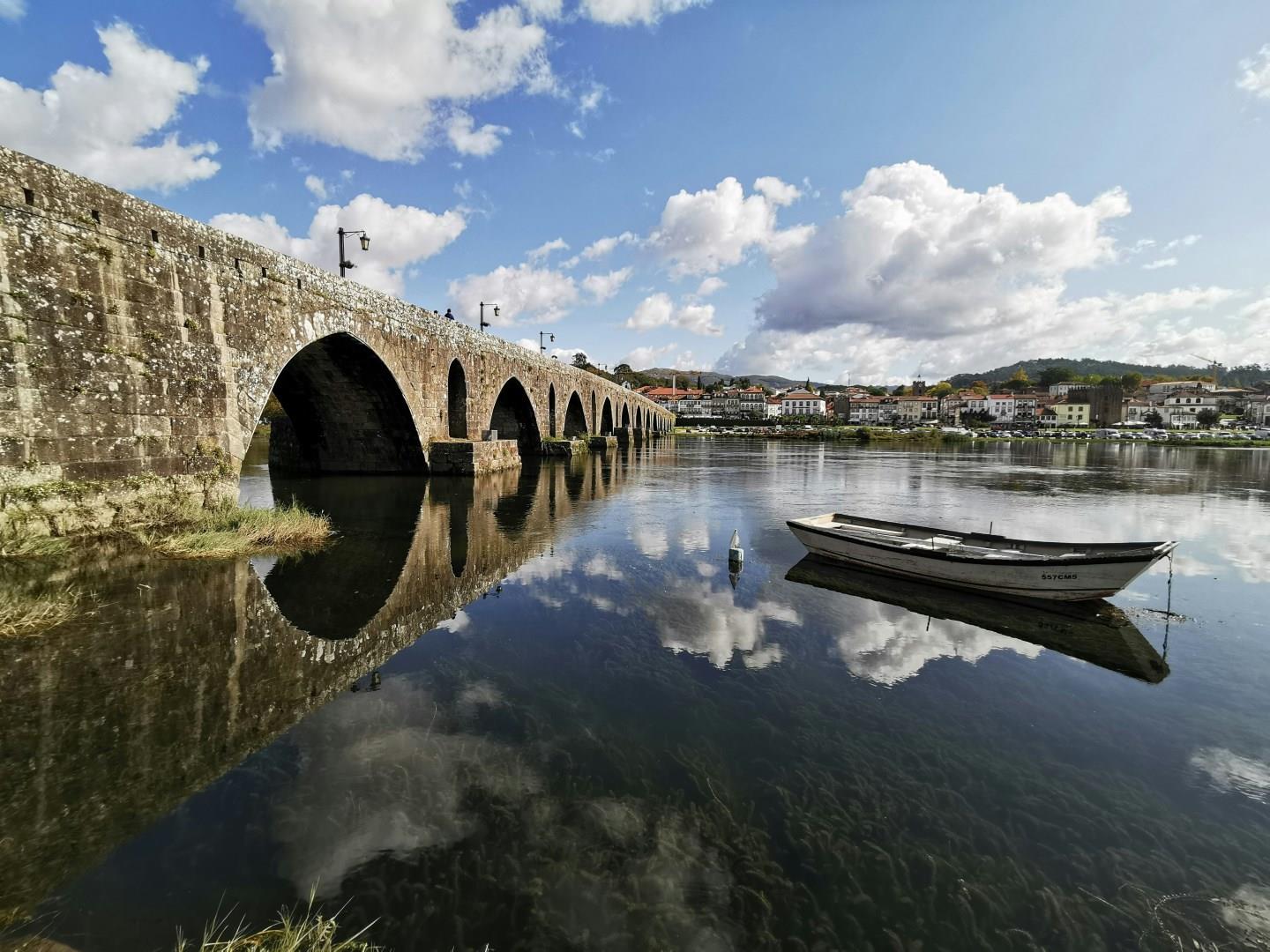
Ponte de Lima sits along the Lima River in northern Portugal and is often regarded as the country’s oldest town. Its identity centers on the medieval bridge that spans the river, parts of which date back to Roman times and still structure how the town is experienced today.
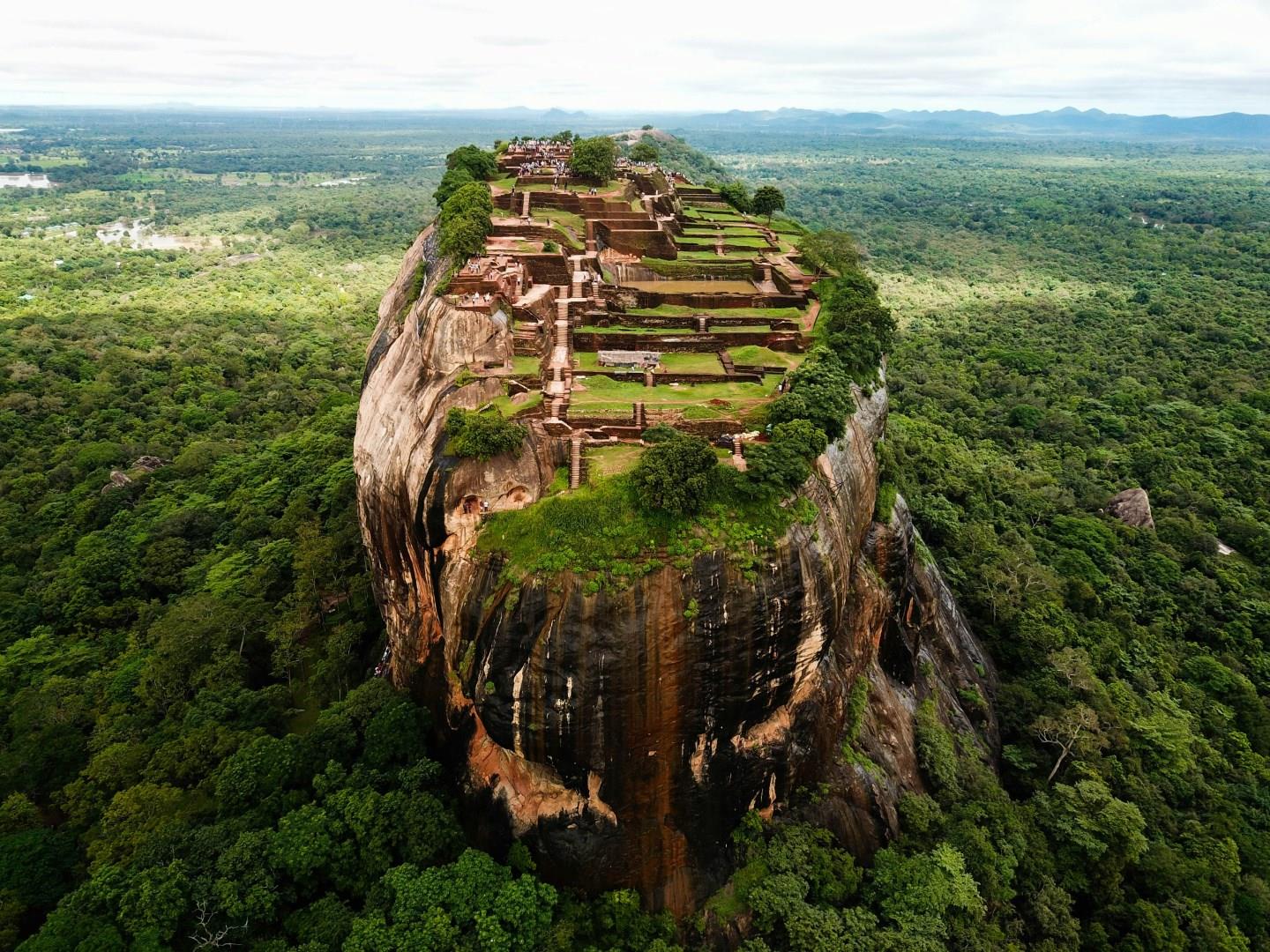
Sigiriya, in central Sri Lanka, is an ancient rock fortress and one of the country’s most iconic archaeological sites. Rising nearly 200 meters from the surrounding plains, the massive granite column is crowned by the ruins of a royal palace built in the 5th century CE by King Kasyapa.
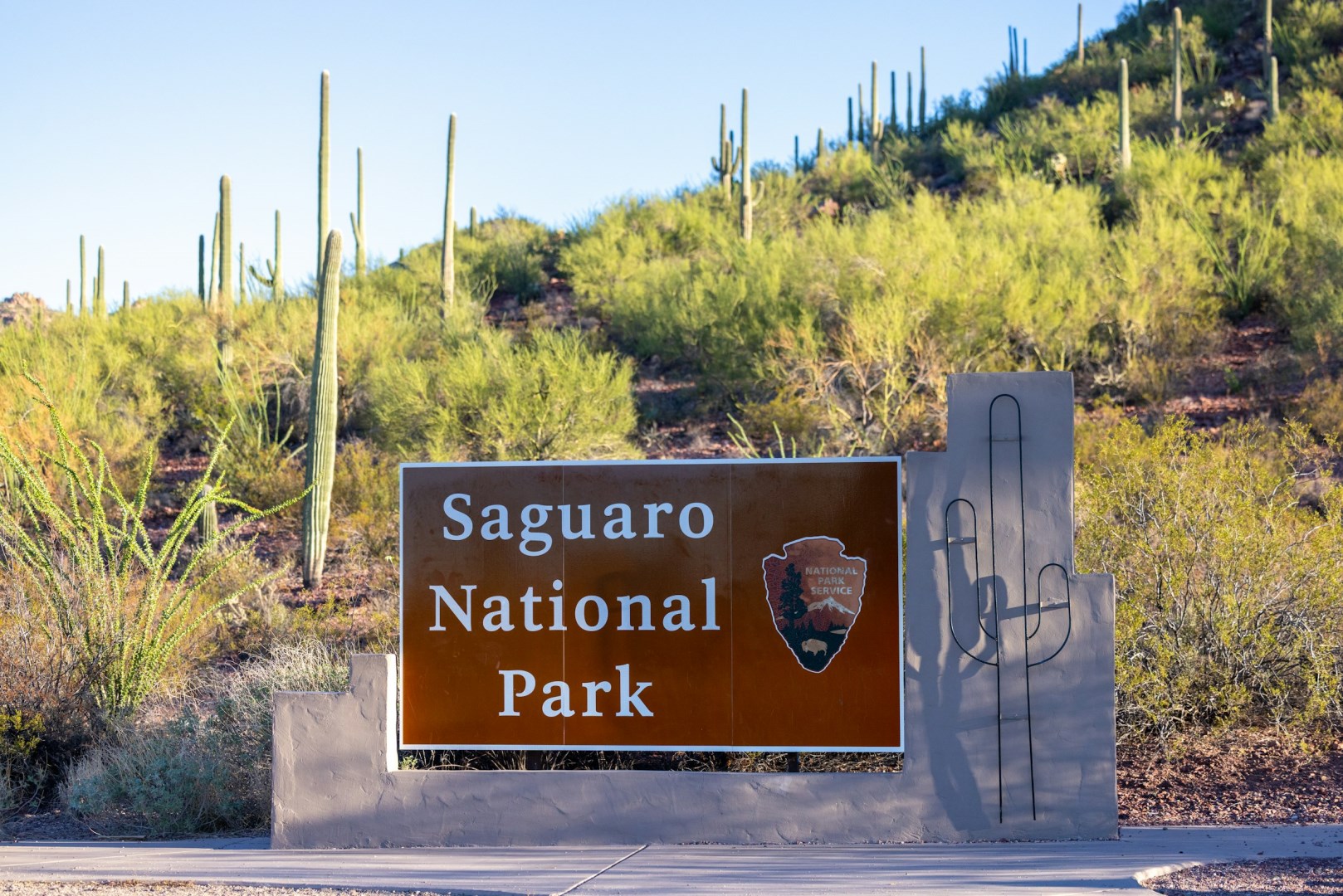
Just outside of Tucson lies Saguaro National Park, which is home to hundreds of saguaro cacti, the iconic symbol of the old West. There are endless scenic hikes and wildlife habitats, and the Arizona-Sonora Desert Museum isn't to be missed. The star of the park, of course, are the cacti themselves, and there are few more beautiful sights than seeing them silhouetted against the beauty of a magnificent desert sunset.
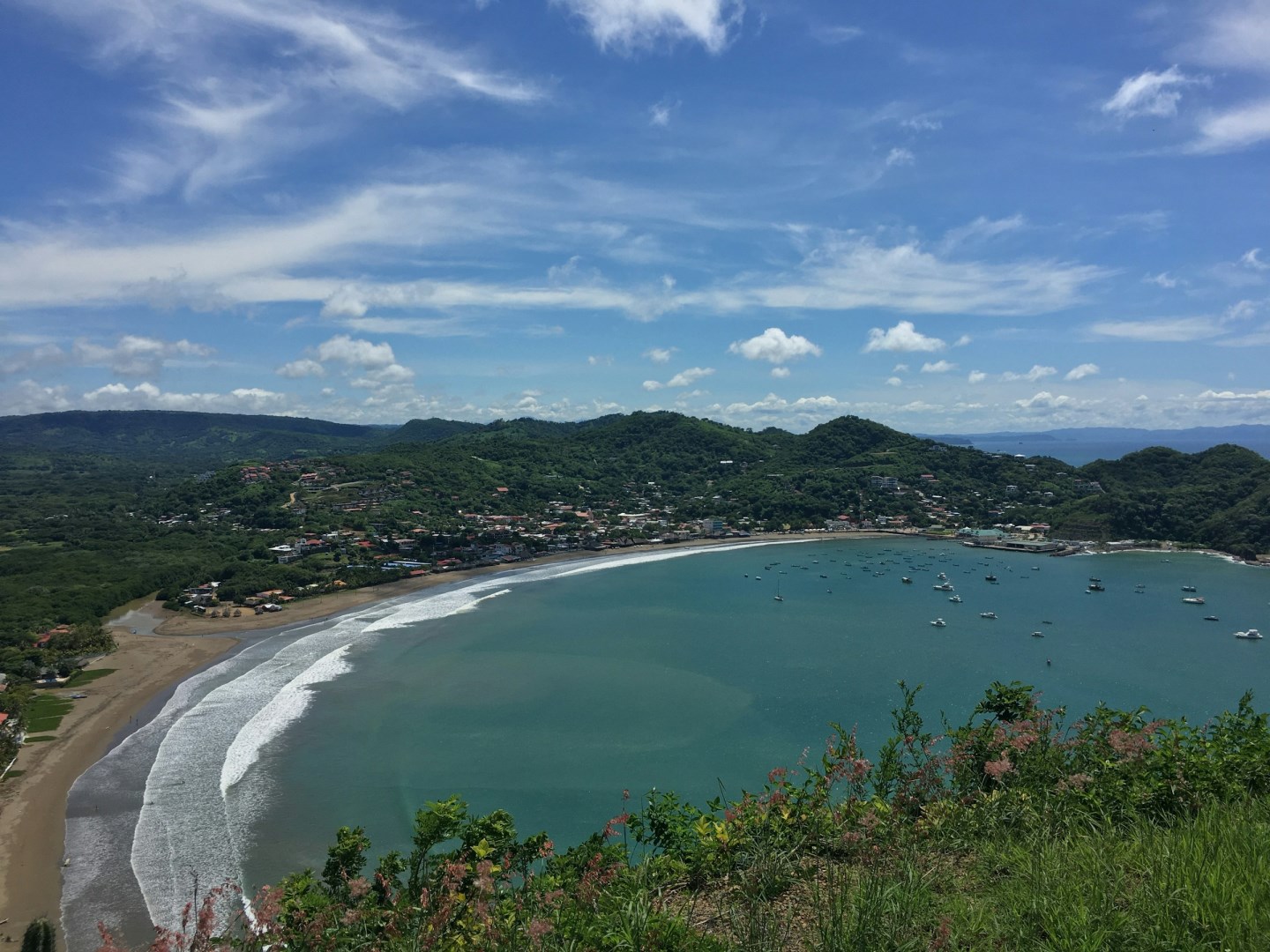
San Juan del Sur is a coastal town on Nicaragua's southwestern Pacific shore, set around a curved bay bordered by hills. Its waterfront combines a working fishing community with restaurants, small hotels, shops, and a broad sandy beach. The surrounding coastline includes forested headlands, rocky coves, and additional beaches reached by road or boat.
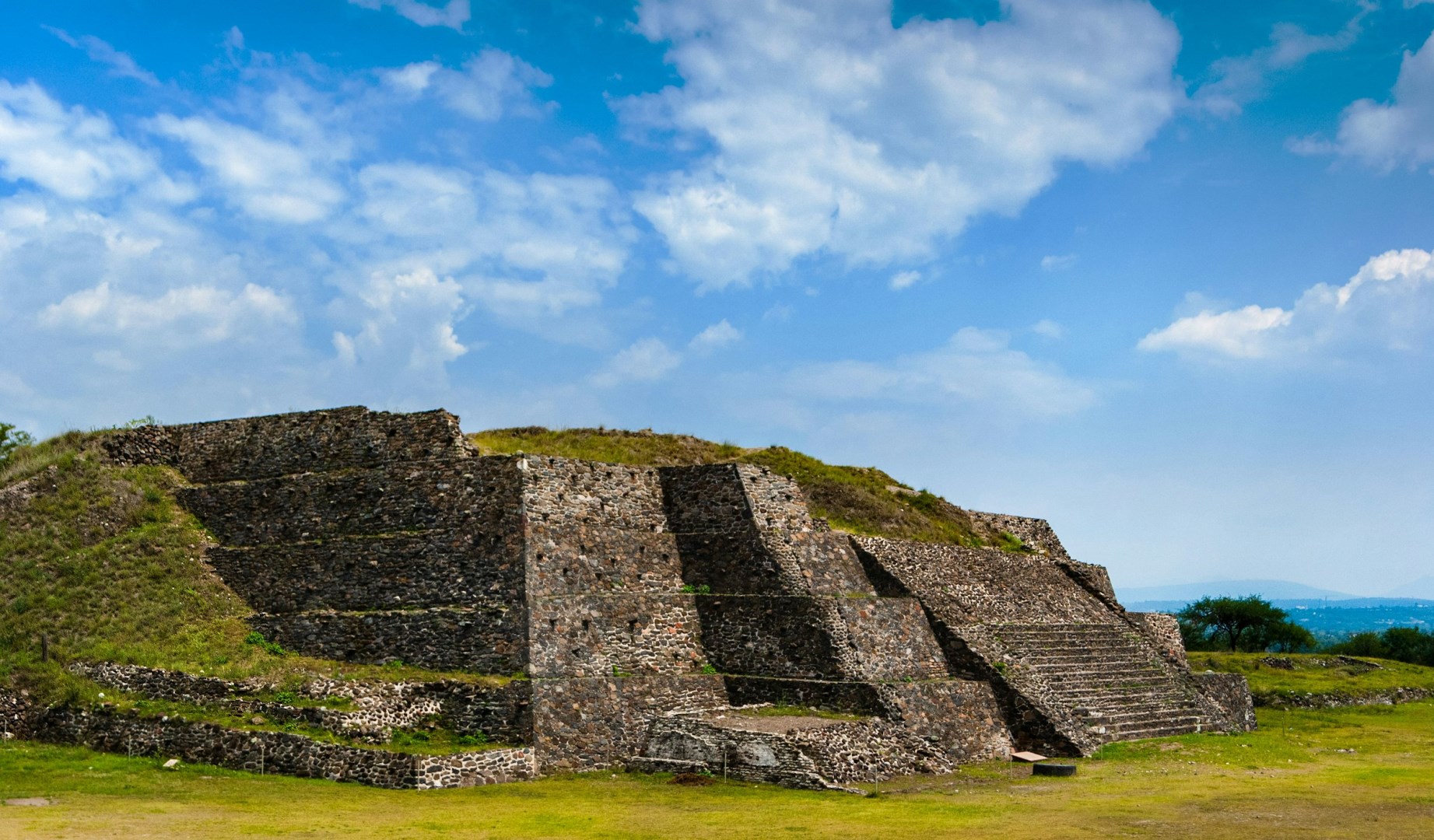
This Mesoamerican archaeological site was an important regional center and capital of the Toltec Empire between the fall of Teotihuacan and the rise of Tenochtitlan. Tula contains many impressive sights, including the basalt columns carved in the shape of Toltec warriors on the Pyramid of Quetzalcoatl.
