

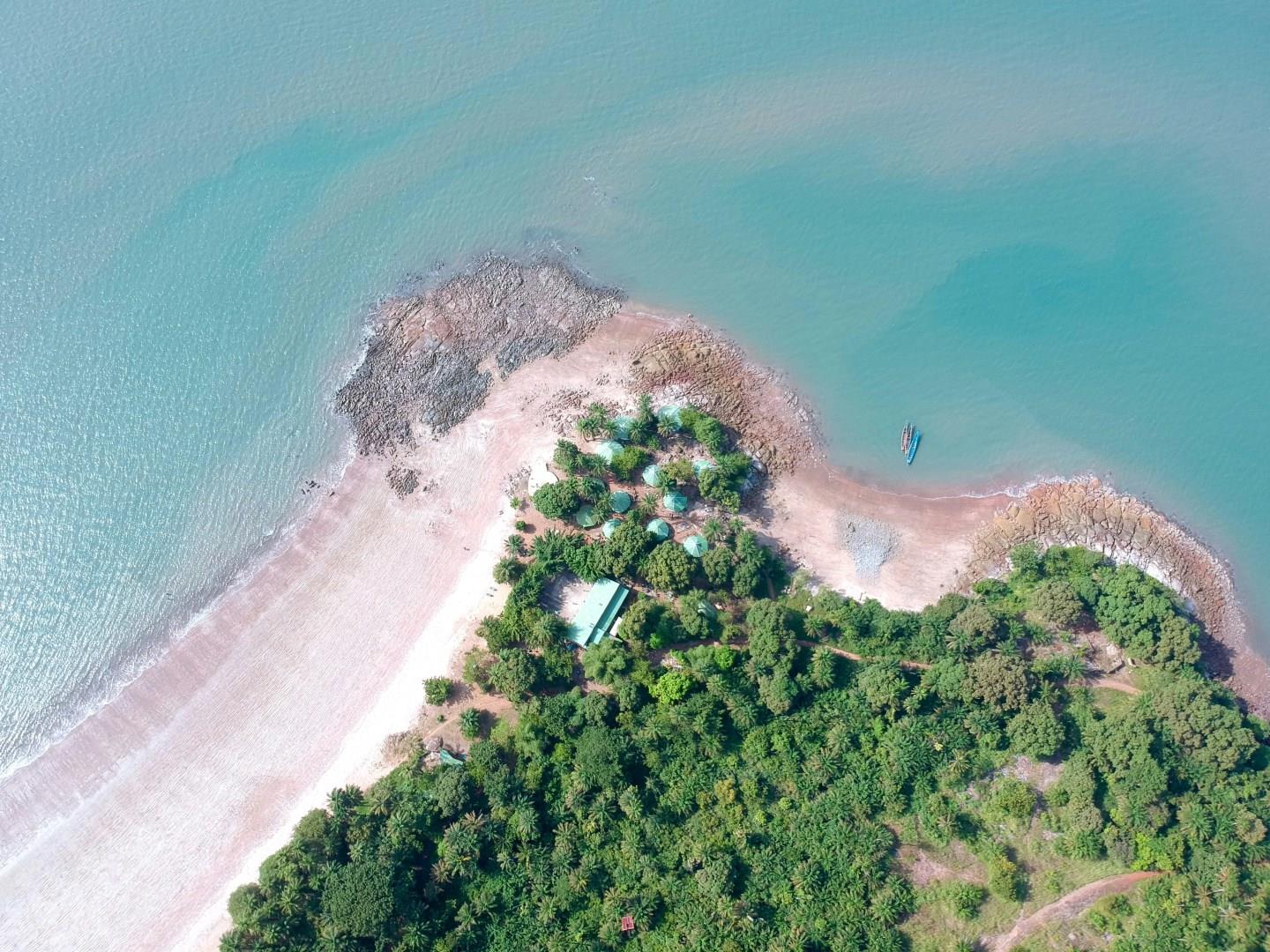

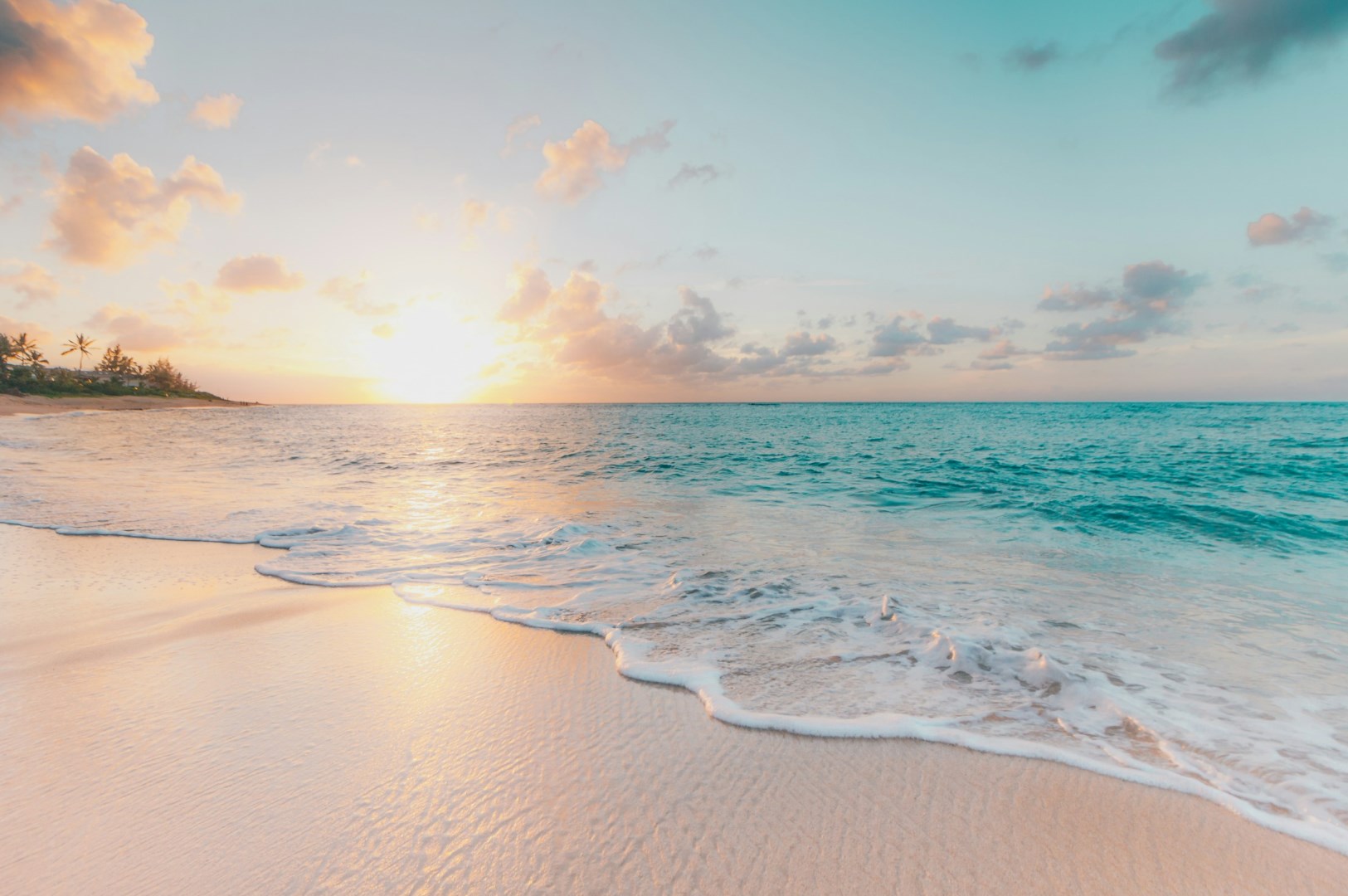

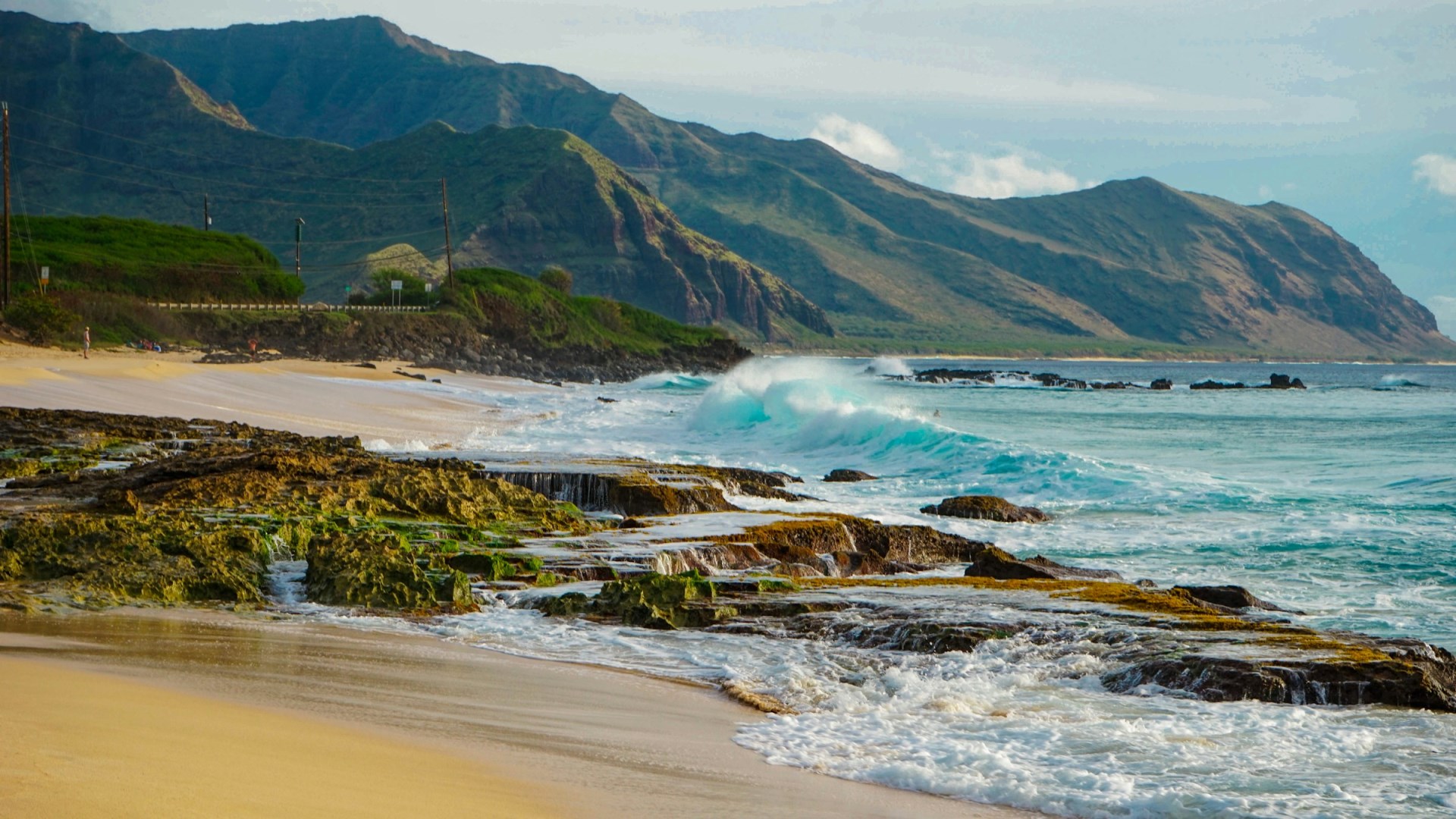
Waialua is a small rural community on the North Shore of Oʻahu, Hawaiʻi, situated between the Pacific Ocean and the agricultural lands of the island’s northern interior. The area is known for its open fields, coastal scenery, and connection to farming rather than the resort development found elsewhere on Oʻahu. Waialua sits near the Anahulu River and is close to Haleʻiwa, making it a useful base for exploring the North Shore. Its landscape combines beaches, farmland, lowland forests, and views toward the Waiʻanae and Koʻolau mountain ranges.
Waialua’s cultural identity is strongly connected to Native Hawaiian history and the plantation communities that later developed across the North Shore. The surrounding district was traditionally an important area of settlement and agriculture, while the Waialua Agricultural Company later established extensive sugar-cane fields, irrigation systems, railroad lines, and plantation camps. Remnants of the Waialua Mill and associated agricultural infrastructure remain part of the community’s historic landscape. Nearby Puʻu O Mahuka Heiau, a major Native Hawaiian religious site overlooking Waimea Valley, provides an important connection to Oʻahu’s earlier cultural traditions and spiritual practices.
The environment around Waialua ranges from productive agricultural fields to beaches, river valleys, and mountain slopes. Nearby Kaiaka Bay Beach Park occupies a coastal area where the Kaiaka River meets the ocean and provides opportunities for picnicking, fishing, swimming, and paddling when conditions permit. The North Shore coastline is also known for winter surf, although conditions vary considerably by season and location. Inland, farms continue to contribute to the area’s landscape, while nearby Dole Plantation and Wahiawā Botanical Garden offer ways to explore Oʻahu’s agricultural and tropical plant heritage.
Food in Waialua reflects the agricultural character of North Shore Oʻahu, with locally grown fruit, vegetables, honey, chocolate, and other products appearing at farms, markets, and small food businesses. Waialua Estate is particularly known for cacao and chocolate production, while local farms contribute produce to the island’s wider agricultural economy. The area also has a long connection to sugar and pineapple cultivation, industries that shaped both the landscape and the multicultural communities of the North Shore. One distinctive detail is the surviving Waialua Sugar Mill complex, whose tall mill structure remains a recognizable reminder of the community’s plantation past.
Other Popular Destinations in Hawaii


