
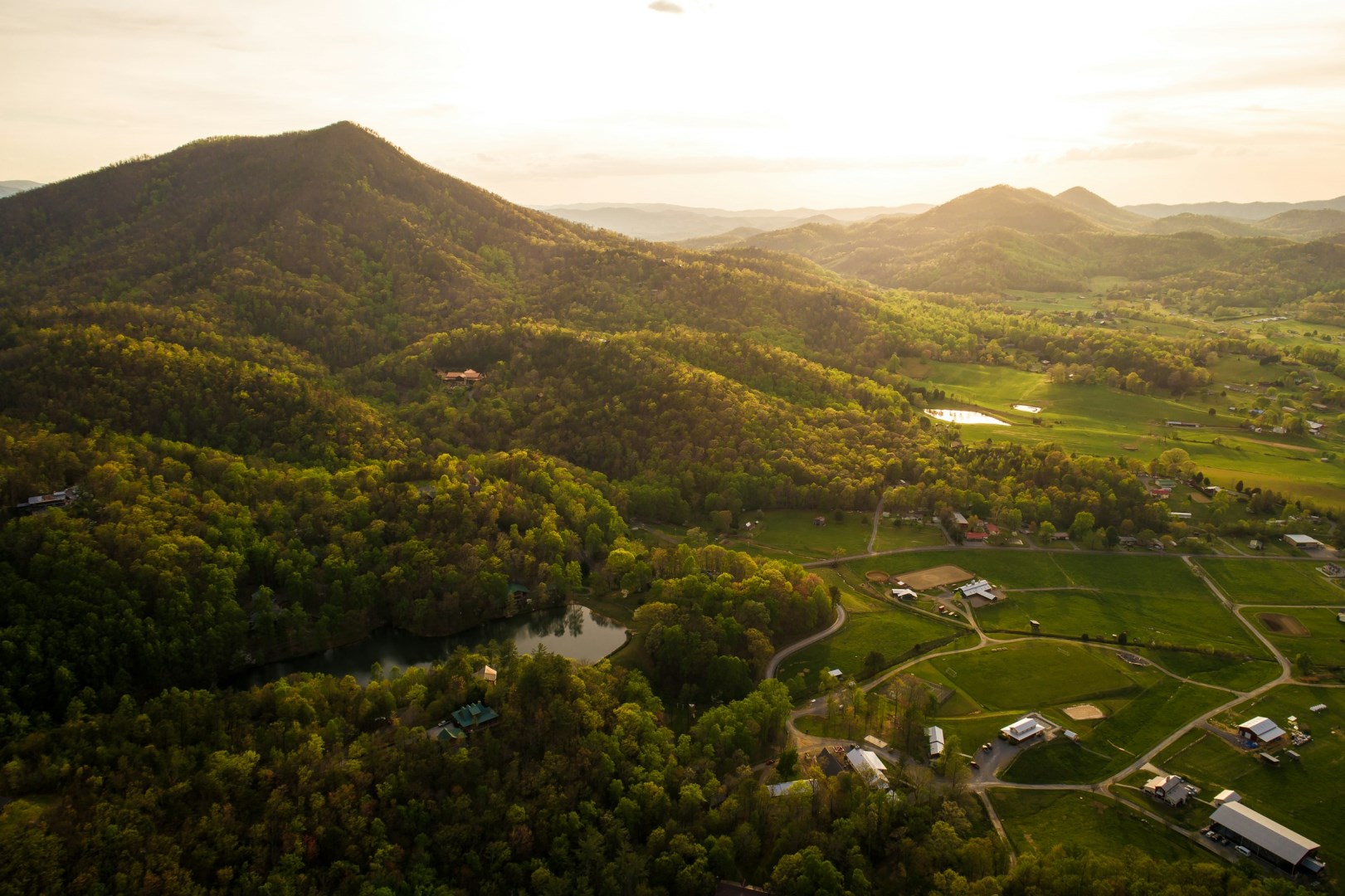




Mayarí is a town and municipality in Holguín Province in eastern Cuba, surrounded by a landscape of low mountains, forests, farmland, and rivers. The municipality extends from inland agricultural areas toward the northern coast, giving it a varied geography that includes the Sierra Cristal and fertile valleys. Mayarí is closely associated with agriculture and the cultivation of sugarcane, coffee, cacao, and other crops, while nearby reservoirs and rivers support farming and local communities. Its position in eastern Cuba also places it within a region known for strong rural traditions and landscapes that differ from the island’s larger coastal resort areas.
Mayarí’s local identity is closely linked to rural Cuban life, agricultural work, and communities shaped by Indigenous, Spanish, African, and Caribbean influences. The municipality has long-standing connections with sugar production, farming, and forestry, while traditional music and community celebrations remain important expressions of local culture. Nearby settlements preserve elements of eastern Cuban architecture and daily life, including small churches, plazas, farm properties, and family-run establishments. The surrounding countryside also reflects the importance of cooperative agriculture, where crops and livestock form part of the economic and social structure of communities around Mayarí.
The natural environment around Mayarí provides opportunities to explore eastern Cuba’s forests, mountains, rivers, and reservoirs. Salto de Guayabo, one of the region’s notable waterfalls, lies in the Sierra Cristal and is surrounded by forested terrain and trails. The area around the Mayarí River and nearby reservoirs contains wetlands and wooded landscapes that support birds and other wildlife. The municipality is also positioned within reach of the Sierra Cristal, one of eastern Cuba’s important mountain ranges. Hiking, birdwatching, freshwater activities, and visits to rural communities offer ways to experience the landscape beyond the town itself.
Mayarí’s food reflects the agricultural character of eastern Cuba, with rice, beans, root vegetables, plantains, pork, chicken, fruit, and locally grown produce common in home cooking. Coffee and cacao are also important crops in the wider region, particularly in the mountainous areas. Traditional Cuban dishes such as ajiaco, congrí, roasted pork, yucca with garlic sauce, and fritters can be found across Holguín Province. One distinctive feature of Mayarí is the close relationship between its agricultural communities and the surrounding mountains, where forests, farms, rivers, and plantations form a continuous rural landscape characteristic of eastern Cuba.
