



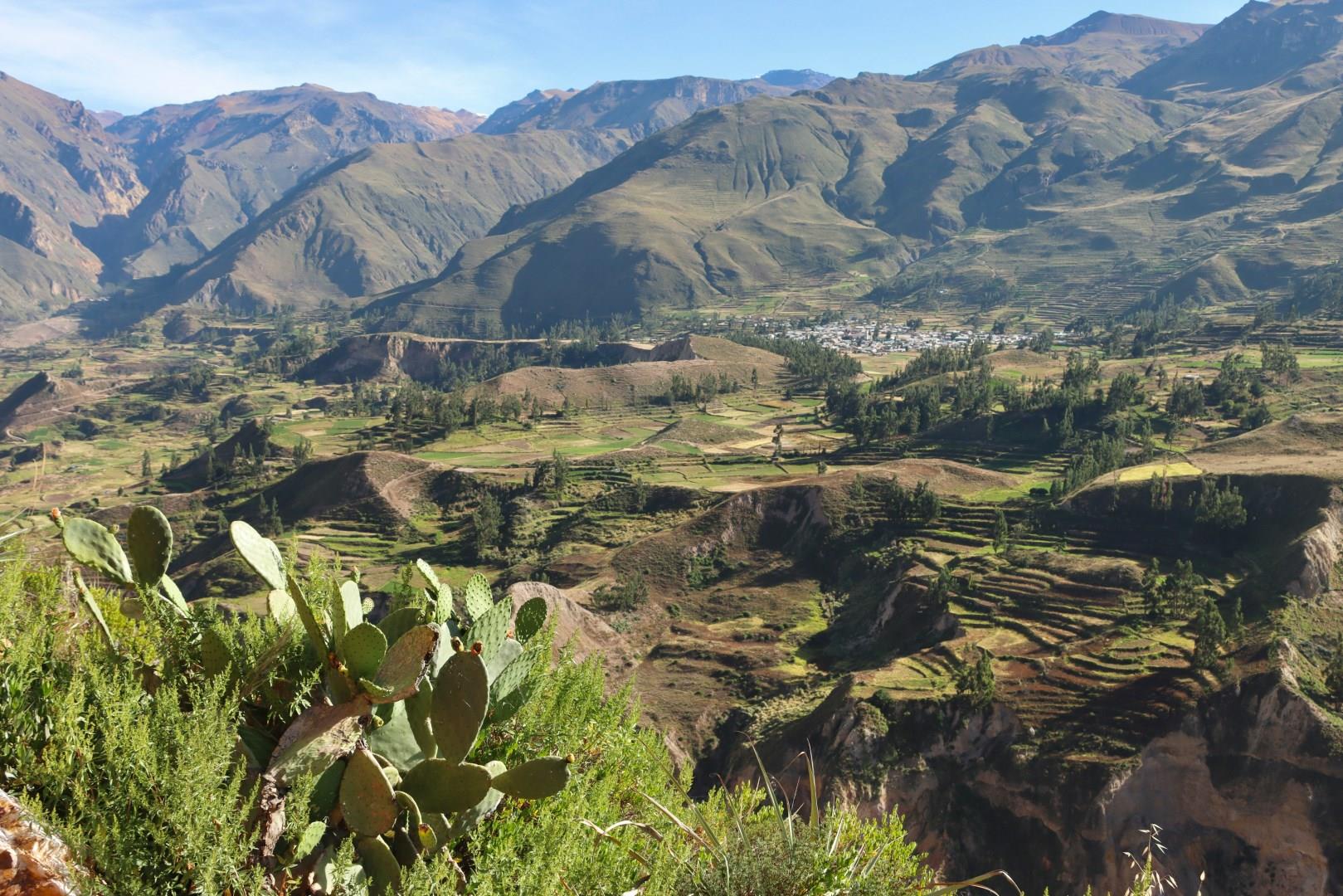

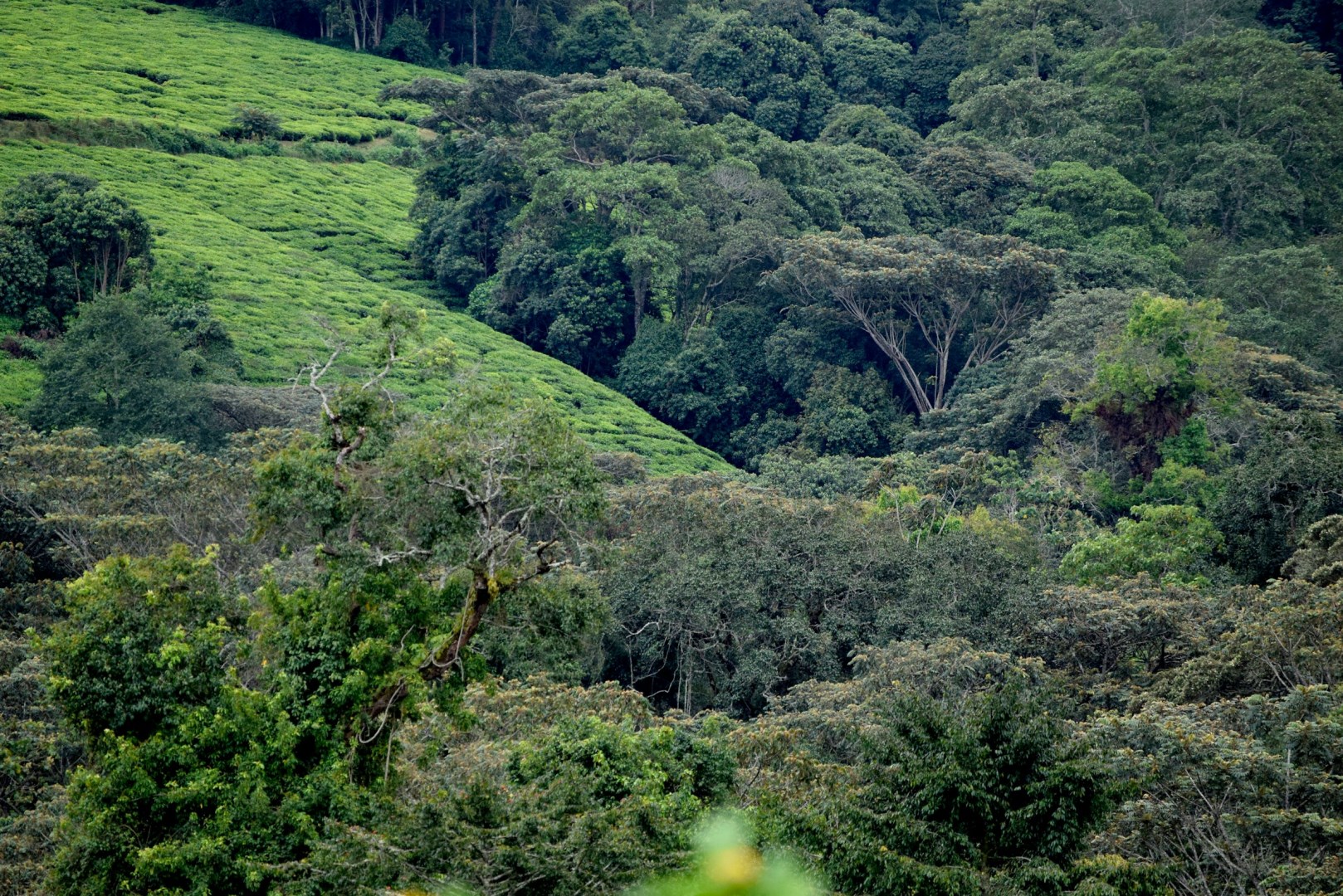
Kibira National Park is a large montane rainforest in northwestern Burundi, extending along the Congo-Nile Divide near the border with Rwanda. The park covers about 40,000 hectares and rises from roughly 1,500 to 2,660 metres, creating a cool, misty environment of dense forest, bamboo, streams, and mountain ridges. Kibira forms part of the wider forest ecosystem that continues into Rwanda's Nyungwe National Park. Its forests are important not only for wildlife but also for water resources, as the park lies along the watershed between the Congo and Nile river basins.
Kibira has a long cultural connection with Burundi's royal traditions, having once been reserved as a sacred hunting area for the country's kings. Local communities have also developed longstanding relationships with the forest through farming, gathering, hunting, and knowledge of plants and wildlife. Today, the protected forest is managed as an important conservation area, with tourism providing opportunities to learn about its natural and cultural heritage. The nearby Teza and Rwegura tea plantations add another distinctive element to the landscape, where cultivated hillsides meet the dense mountain forest.
The park supports about 98 recorded mammal species, including chimpanzees, blue monkeys, baboons, and black-and-white colobus monkeys. More than 200 bird species have been recorded, including several species associated with the Albertine Rift, such as Ruwenzori turaco and red-collared mountain-babbler. Hiking routes lead through dense forest and along mountain slopes, with guided walks offering opportunities to observe primates, birds, and native vegetation. Rwegura Dam provides another viewpoint within the area, while the park's many streams and rivers originate in the high forest before flowing toward different parts of Burundi.
Food around Kibira reflects the wider highland cuisine of Burundi, where bananas, beans, cassava, sweet potatoes, maize, sorghum, and vegetables are common staples. Tea is particularly associated with the surrounding landscape, with plantations at Teza and Rwegura producing an important agricultural crop. A distinctive feature of Kibira is its role as a major water catchment as well as a wildlife refuge: streams originating in the forest contribute to river systems flowing toward both the Congo and Nile basins. Its combination of mountain rainforest, rare species, tea plantations, and watershed importance makes the park one of Burundi's key natural areas.
