


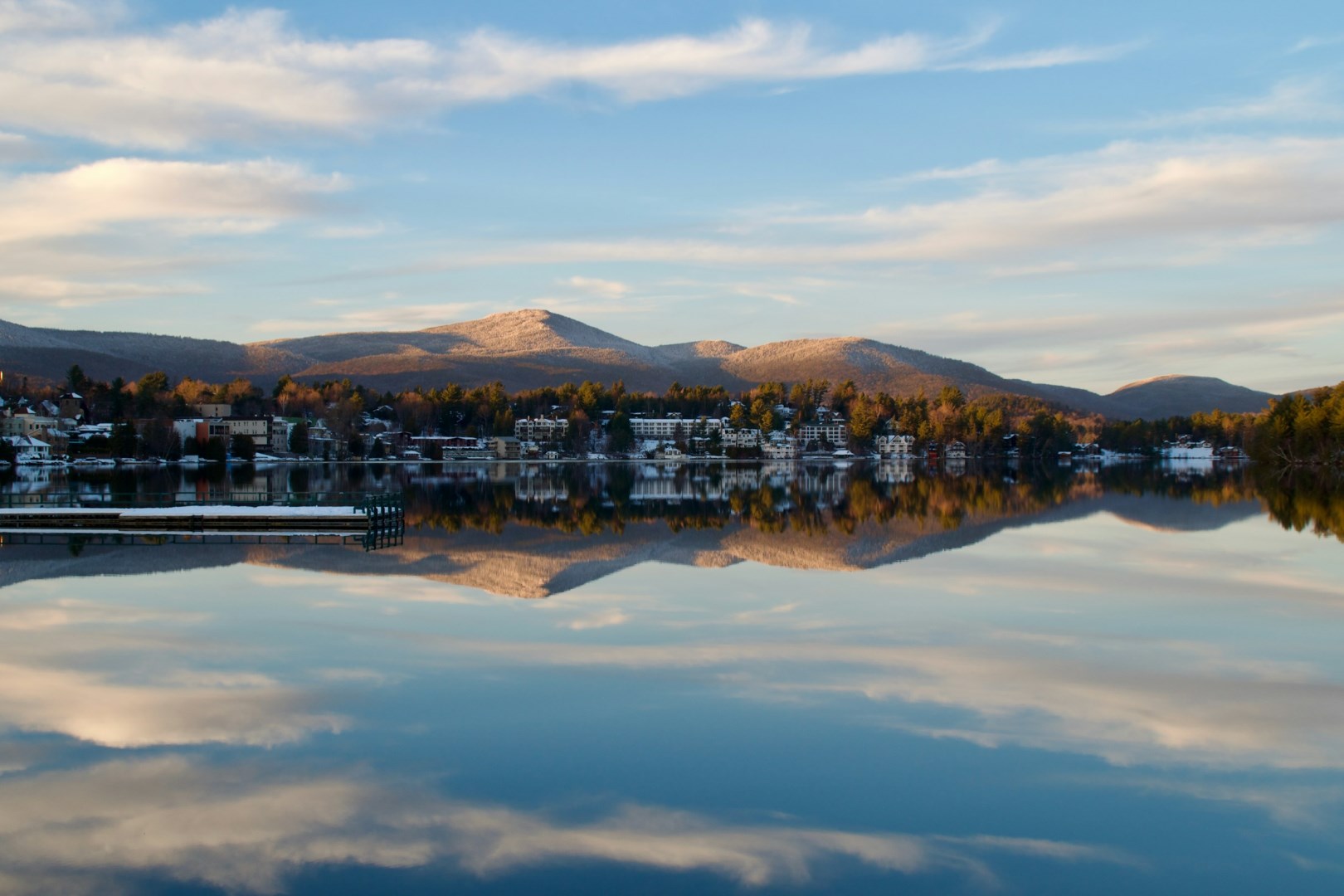
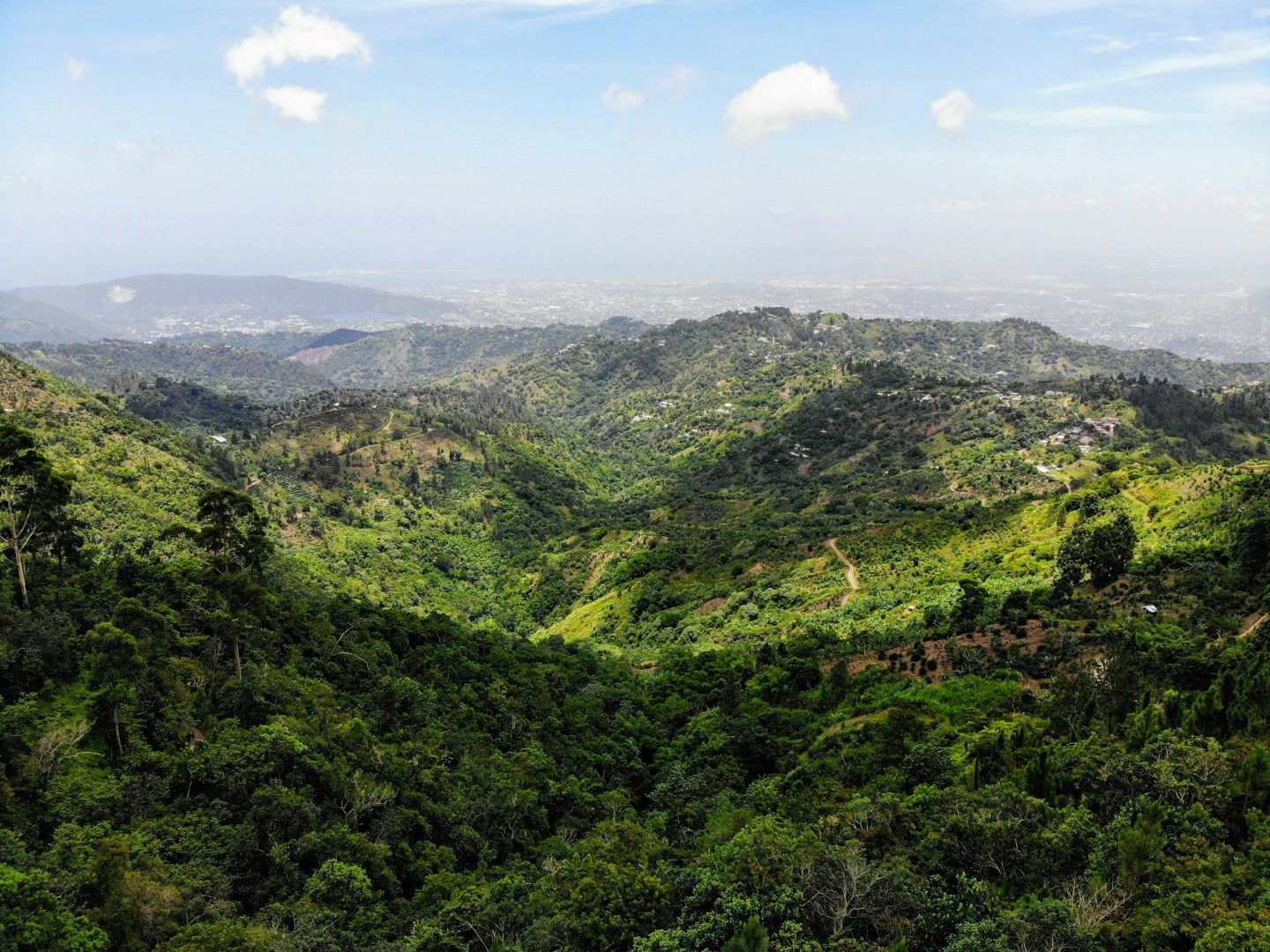
The Blue Mountains form Jamaica’s highest mountain range, rising across the eastern part of the island between Kingston, Saint Andrew, Saint Thomas, and Portland. The range is known for steep ridges, deep valleys, cloud forest, waterfalls, and cool mountain conditions that contrast with Jamaica’s coastal plains. Blue Mountain Peak is the highest point on the island, while numerous smaller communities and farms occupy the slopes. The mountains are particularly associated with Blue Mountain coffee, which is grown in selected high-elevation areas. The combination of rugged terrain, forest, agriculture, and small settlements gives the region a distinctive character within Jamaica.
The Blue Mountains have a strong connection to Jamaica’s African and Indigenous heritage, as well as the history of plantation agriculture and Maroon communities. The Maroons are descendants of Africans who established independent communities in Jamaica’s mountainous interior, preserving distinctive traditions, music, food, and knowledge of the forest. Farming remains important, with coffee, bananas, citrus, and root crops cultivated on mountain slopes. Local communities also maintain traditions connected with church life, storytelling, music, and small-scale agriculture. The mountains have long provided refuge, farmland, water, and forest resources, making them an important part of Jamaica’s cultural landscape.
Blue Mountain Peak is the best-known destination in the range and can be reached by hiking trails that pass through changing vegetation and cloud forest. Holywell, within the Blue and John Crow Mountains National Park, provides trails, picnic areas, birdwatching, and views across the surrounding hills. The protected area also includes the John Crow Mountains and extensive forest habitat. The region supports the Jamaican swallowtail butterfly, the Jamaican tody, the red-billed streamertail, and other endemic species. Blue and John Crow Mountains National Park is also recognized as a UNESCO World Heritage Site for its natural and cultural importance.
Blue Mountain coffee is the region’s most famous agricultural product and is cultivated on mountain estates and small farms under specific growing and geographical conditions. Local cuisine also includes Jamaican staples such as jerk chicken or pork, rice and peas, yam, roasted breadfruit, callaloo, and soups made with locally grown vegetables. Mountain communities commonly use bananas, plantains, citrus, and root crops in everyday cooking. A distinctive feature of the Blue Mountains is the rapid change in climate and vegetation with elevation: warm lowland areas give way to cooler, wetter forests and cloud-covered peaks, creating habitats and farming conditions that differ markedly from the rest of the island.
