



Lake Ndutu is a shallow seasonal soda lake in northern Tanzania, within the Ngorongoro Conservation Area near the southern edge of the Serengeti ecosystem. The lake sits among open short-grass plains, acacia woodland, and other seasonal wetlands, creating a varied landscape for wildlife. Although relatively small, Lake Ndutu is part of a much larger ecological area where the plains of the southern Serengeti meet the Ngorongoro highlands. Its location gives it particular importance during the annual movement of large grazing herds across northern Tanzania, especially when rainfall produces fresh grass on the surrounding plains.
The wider Ndutu area forms part of the Ngorongoro Conservation Area, a multiple-use landscape where wildlife conservation takes place alongside traditional Maasai pastoralism. The area’s cultural identity is therefore closely connected with Maasai communities and their livestock-based way of life. Seasonal movement across the plains has also shaped the relationship between people, grazing areas, and wildlife. Unlike a conventional national park, the conservation area accommodates both human settlement and wildlife, making Ndutu part of a landscape where cultural traditions and ecological processes continue alongside safari tourism and conservation activities.
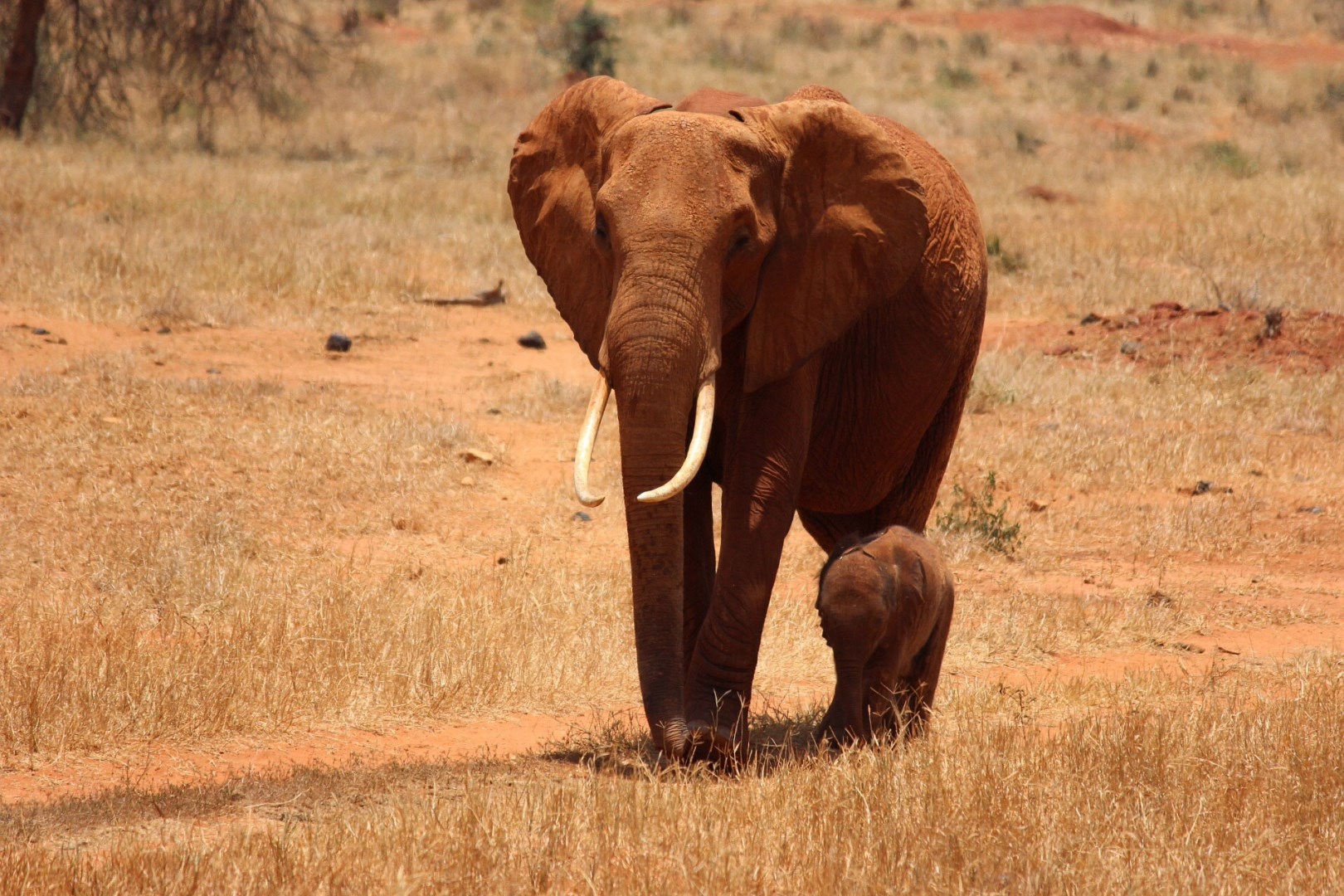
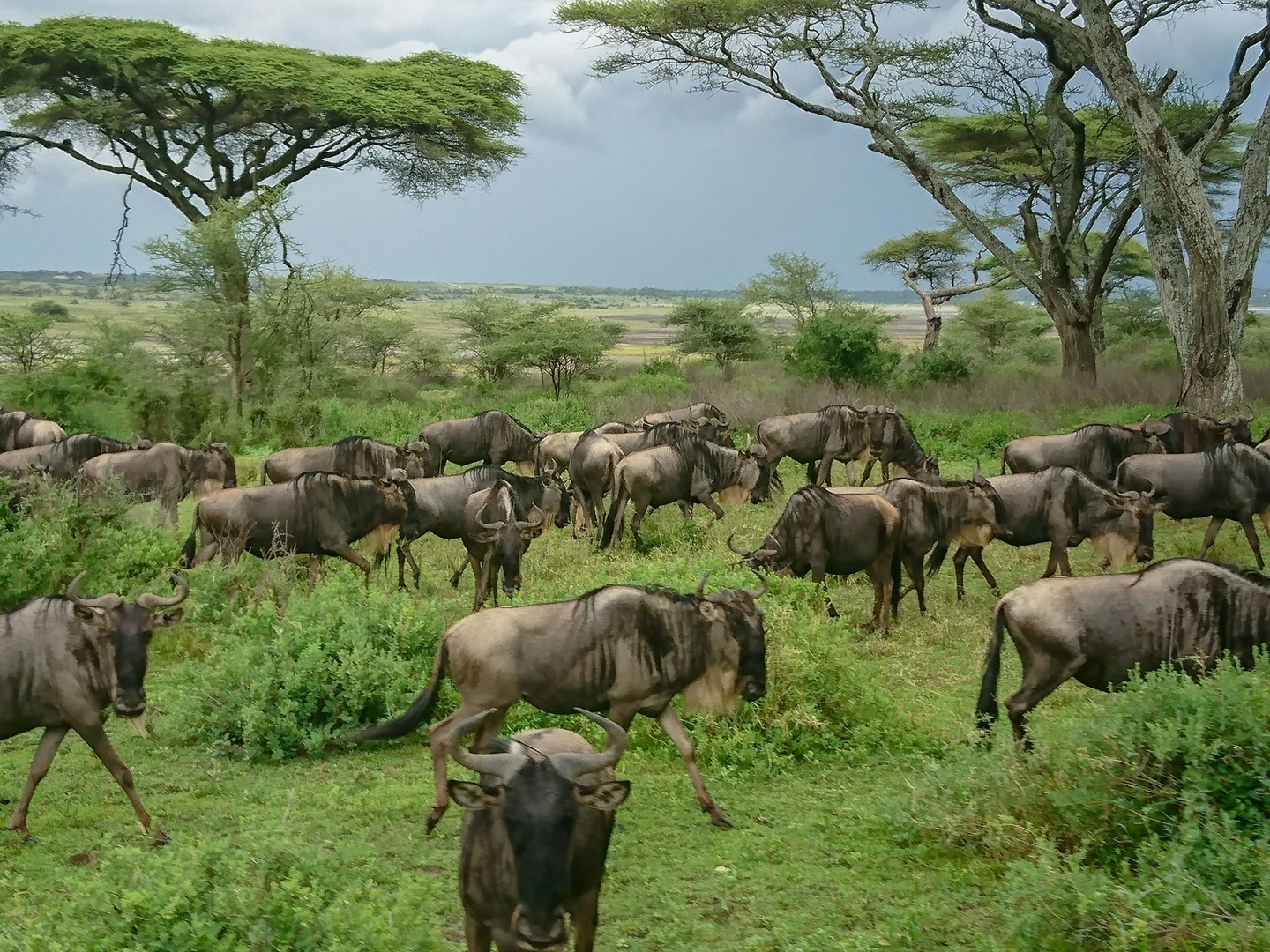
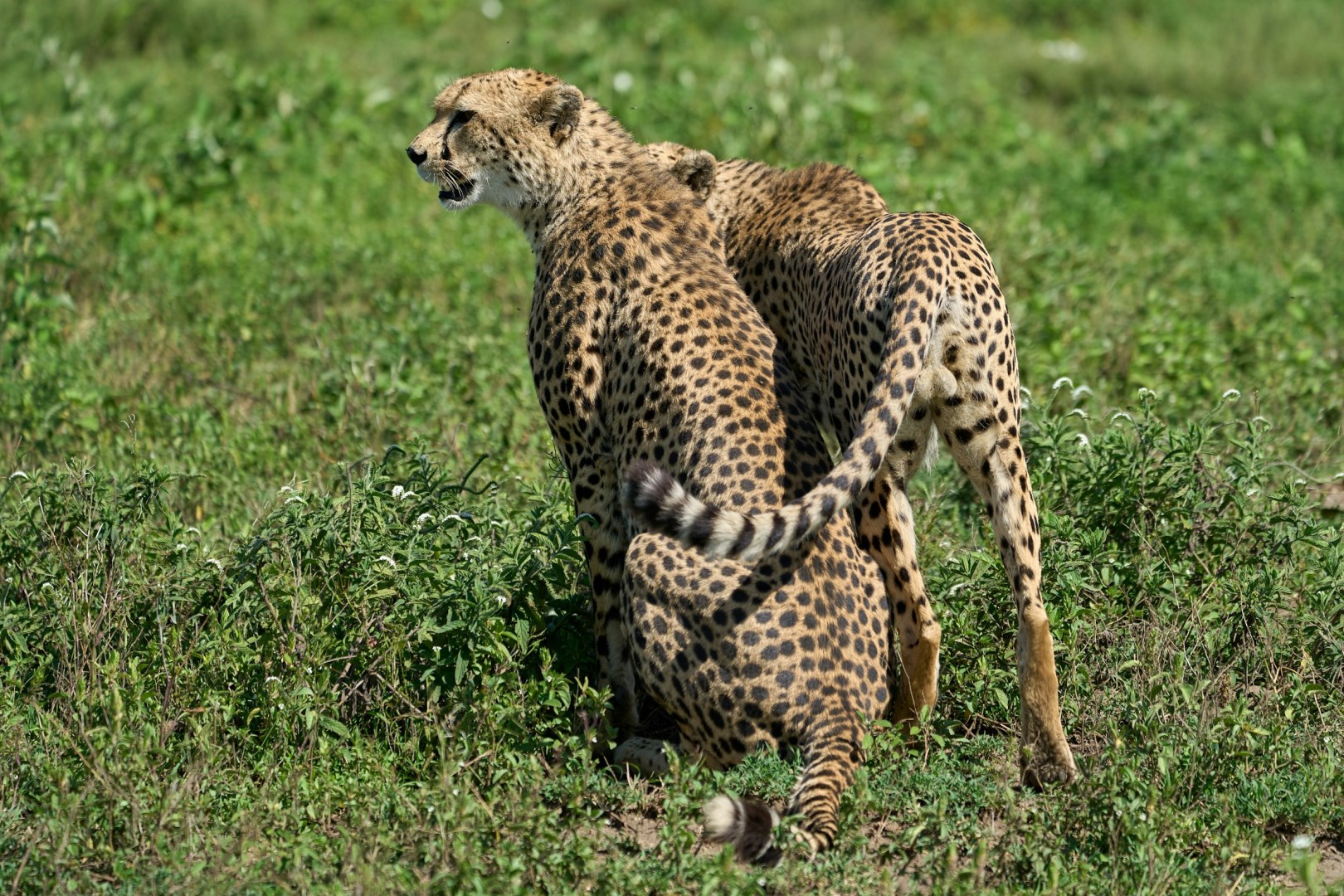
Lake Ndutu is best known for its role in the Great Wildebeest Migration, particularly during the calving season. From roughly December into March, large herds of wildebeest, zebra, and gazelle gather on the surrounding short-grass plains, with the main calving period generally occurring during the wetter months. The concentration of young animals attracts predators including lions, cheetahs, spotted hyenas, and jackals. The nearby Lake Masek, acacia woodland, and open plains add different habitats to the area. Game drives provide opportunities to observe wildlife around the lakeshore and across the surrounding grasslands.
The lake itself is seasonal and can change considerably with rainfall, while its shallow alkaline waters and surrounding vegetation create habitat for waterbirds and other wildlife. The nearby plains are also important for grazing because volcanic soils and seasonal rains support nutrient-rich short grass. There is no major town at Lake Ndutu, and accommodation in the area is mainly provided by safari camps and lodges. A distinctive feature is the way the lake functions as one element within a much larger migration landscape: its water, grasslands, woodland, and neighbouring Lake Masek help concentrate wildlife during a particular part of the annual ecological cycle.
Other Popular Destinations in Tanzania


